calendario
“calendario” means “calendar” in Spanish. It has 2 different meanings depending on context:


calendarAlso: almanac
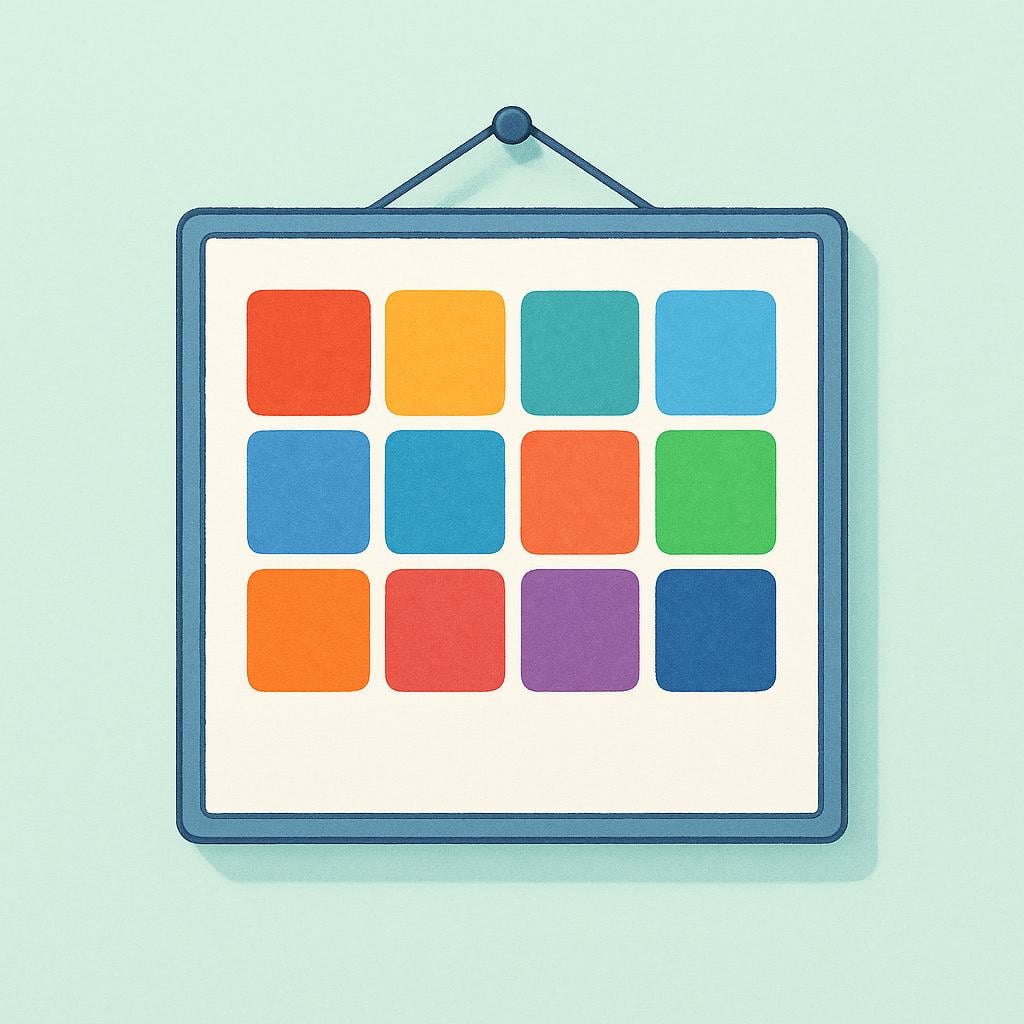
📝 In Action
Tengo un calendario de pared muy grande en la cocina.
A1I have a very large wall calendar in the kitchen.
El calendario gregoriano es el más usado en el mundo.
A2The Gregorian calendar is the most used in the world.
Word Connections
scheduleAlso: timeline, timetable

📝 In Action
Necesitamos revisar el calendario de entregas del proyecto.
B1We need to check the project delivery schedule (timeline).
El calendario de partidos de fútbol fue anunciado ayer.
B2The football match schedule was announced yesterday.
Word Connections
Translate to Spanish
✏️ Quick Practice
Quick Quiz: calendario
Question 1 of 1
Which sentence uses 'calendario' to mean 'schedule' or 'timeline'?
📚 More Resources
👥 Word Family
🎵 Rhymes
📚 Etymology
The word comes directly from the Latin *calendarium*, which originally referred to an 'account book' or 'register.' This is because, in ancient Rome, debts were typically paid on the *Kalendae*, which was the name for the first day of every month.
First recorded: Medieval period
Cognates (Related words)
💡 Master Spanish
Take your Spanish to the next level. Read 200+ illustrated and narrated Spanish stories tailored to your level with the Inklingo app!
Frequently Asked Questions
¿Cómo se dice 'to mark the calendar' en español?
The most common way is 'marcar en el calendario' (to mark on the calendar) or 'apuntar en el calendario' (to write down on the calendar).
Does 'calendario' ever refer to a specific day?
No, 'calendario' refers to the whole system or schedule. To talk about a specific day, use 'fecha' (date) or 'día' (day).