How to Say "schedule" in Spanish
The most common Spanish word for “schedule” is “horario” — use this for daily or regular schedules like class times, appointments, or the times a place is open.


horario
oh-RAH-ree-ohoˈɾa.rjo
Examples
¿Cuál es el horario de la biblioteca?
What is the library's schedule/opening hours?
Mi nuevo horario de trabajo es de 9 a 5.
My new work schedule is from 9 to 5.
Tengo que revisar el horario del tren antes de comprar el billete.
I have to check the train timetable before buying the ticket.
Always Masculine
Even though it ends in '-o', remember 'horario' is always masculine, so you use 'el horario' or 'un horario'.
Using 'de'
To specify what the schedule is for, use 'de': 'horario de clases' (class schedule), 'horario de atención' (service hours).
Schedule vs. Time
Mistake: “Using 'horario' when you mean 'hora' (time).”
Correction: Horario means the whole plan (the schedule); hora means a specific point in time (e.g., '¿Qué hora es?' - What time is it?).
programa
pro-GRA-mapɾoˈɣɾa.ma

Examples
¿Cuál es tu programa de televisión favorito?
What is your favorite television program/show?
El programa del festival incluye tres conciertos.
The festival's program/schedule includes three concerts.
Necesito instalar un programa para editar fotos en mi computadora.
I need to install a program/software to edit photos on my computer.
Masculine Nouns Ending in -MA
Watch out! Even though 'programa' ends in '-a', it's a masculine word. So, you always say 'el programa' or 'un programa'. This is a common pattern for words that come from the Greek language, like 'el problema' (the problem) and 'el tema' (the topic).
Using 'la' instead of 'el'
Mistake: “Me gusta mucho la programa nueva.”
Correction: Me gusta mucho el programa nuevo. Because 'programa' is masculine, any words describing it (like 'nuevo') must also be in the masculine form.
rutina
roo-TEE-nahruˈtina
Examples
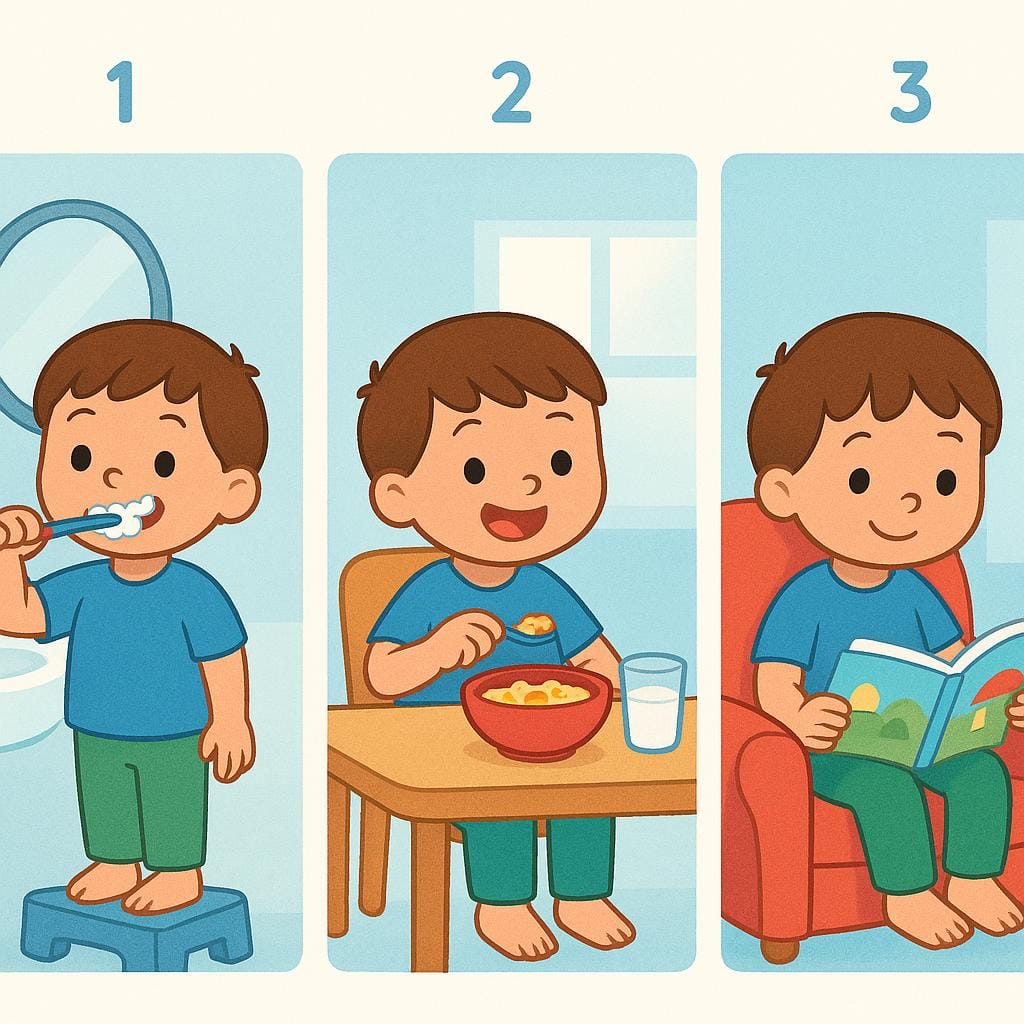
Mi rutina de la mañana empieza a las 7:00 am.
My morning routine starts at 7:00 am.
El doctor me recomendó una rutina de ejercicios ligera.
The doctor recommended a light exercise routine for me.
Es importante establecer una rutina de estudio para el examen.
It is important to establish a study schedule for the exam.
Gender Rule
Even though 'rutina' ends in -a, remember it is a feminine noun and must always be used with feminine articles and adjectives (la rutina, una rutina diaria).
Using the wrong verb
Mistake: “Hacer mi rutina (To do my routine)”
Correction: Seguir mi rutina (To follow/keep my routine) or Tener una rutina (To have a routine). While 'hacer' is sometimes used, 'seguir' or 'tener' sound more natural for describing your daily schedule.
programación
Examples
No me gusta la programación de este canal.
I don't like this channel's programming.
itinerario
ee-tee-neh-rah-ryohitineˈɾaɾjo

Examples
El itinerario de nuestro viaje incluye tres ciudades.
Our trip itinerary includes three cities.
Tengo un itinerario muy apretado para mañana.
I have a very tight schedule for tomorrow.
Debemos seguir el itinerario para no perder el vuelo.
We must follow the route to avoid missing the flight.
A 'He' Word
Even though it is quite long, 'itinerario' is a masculine noun. Always use 'el' or 'un' with it.
Connecting with 'De'
To say what the itinerary is for, simply use the word 'de' (of/for). For example: 'itinerario de vuelo' (flight itinerary).
Using 'Agenda' instead
Mistake: “Mi agenda de viaje es larga.”
Correction: Mi itinerario de viaje es largo. Use 'itinerario' specifically for routes and travel plans; 'agenda' is usually for business meetings or a physical planner book.
calendario
ka-len-DA-rioka.lenˈda.ɾjo

Examples
Necesitamos revisar el calendario de entregas del proyecto.
We need to check the project delivery schedule (timeline).
El calendario de partidos de fútbol fue anunciado ayer.
The football match schedule was announced yesterday.
Horario vs. Calendario
Related Translations
Learn Spanish with Inklingo
Interactive stories, personalized learning, and more.