Birds in Spanish
This section introduces you to Spanish vocabulary for birds, from common backyard visitors to majestic birds of prey. Learning these words will not only expand your animal vocabulary but also help you describe nature scenes more vividly. Interestingly, Spanish often uses the same word for both male and female of a species unless specified, unlike English which has distinct terms like 'rooster' and 'hen'.
Quick Reference
| Spanish | English | Example | Level |
|---|---|---|---|
águila | eagle | El águila real es el símbolo de muchos países. | A1 |
ave | bird | Vimos un ave exótica en el parque. | A1 |
canario | canary | El canario canta muy bien por las mañanas. | A1 |
flamenco | flamenco | El flamenco es un arte muy antiguo de Andalucía. | A1 |
gallina | hen | La gallina puso tres huevos esta mañana. | A1 |
gallo | rooster | El gallo canta al amanecer. | A1 |
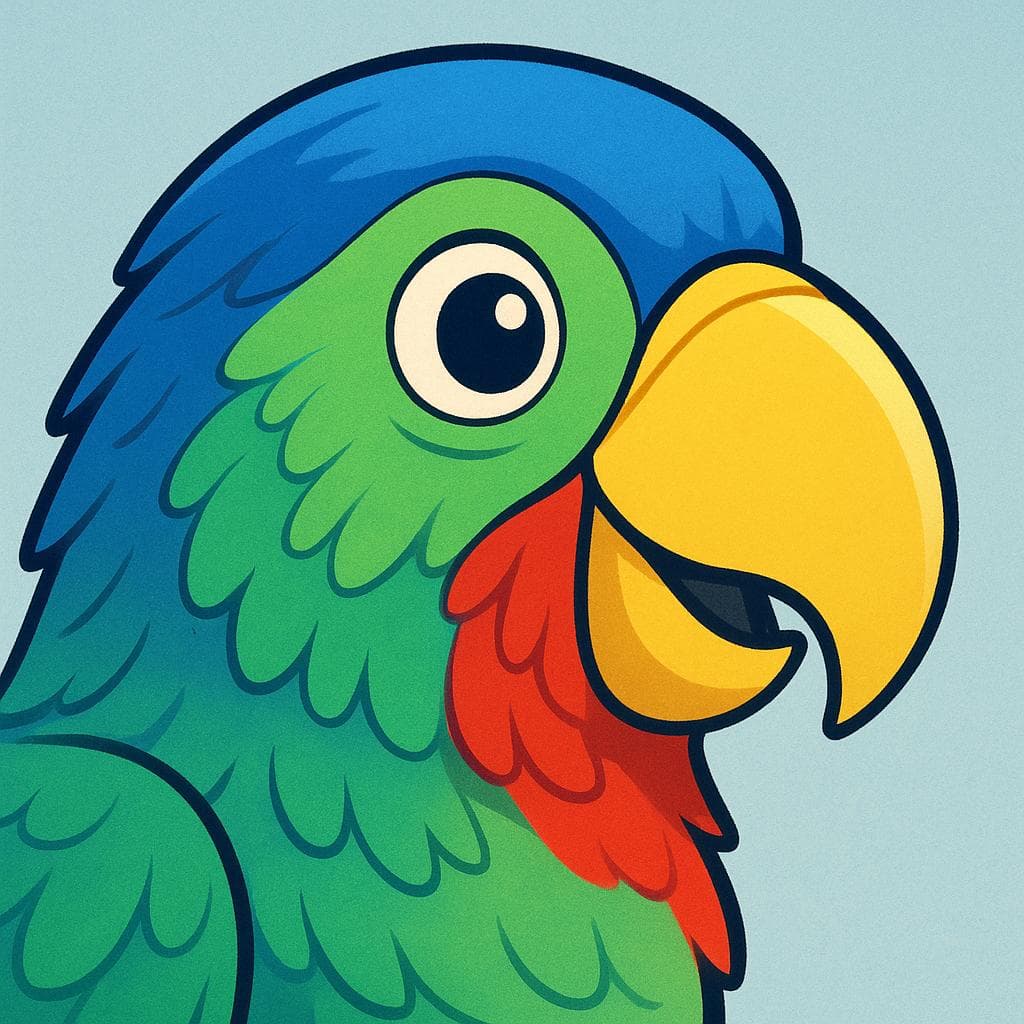
loro | parrot | El loro de mi abuela puede decir su nombre. | A1 |
nido | nest | El pájaro carpintero hizo su nido en el tronco de un roble. | A1 |
pajarito | little bird | Mira el pajarito que está en el árbol. | A1 |
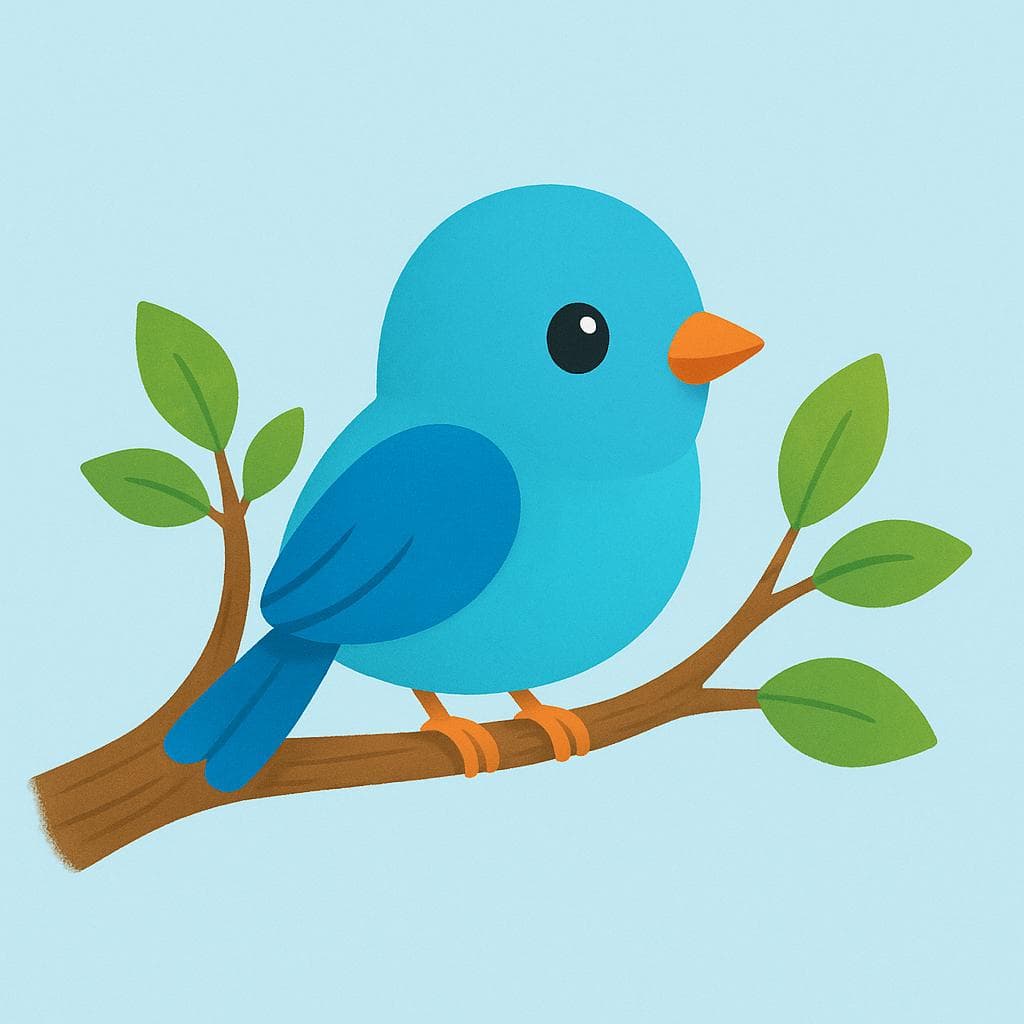
pájaro | bird | Vi un pájaro azul muy bonito en el jardín. | A1 |
paloma | pigeon | Hay muchas palomas en la plaza de la ciudad. | A1 |
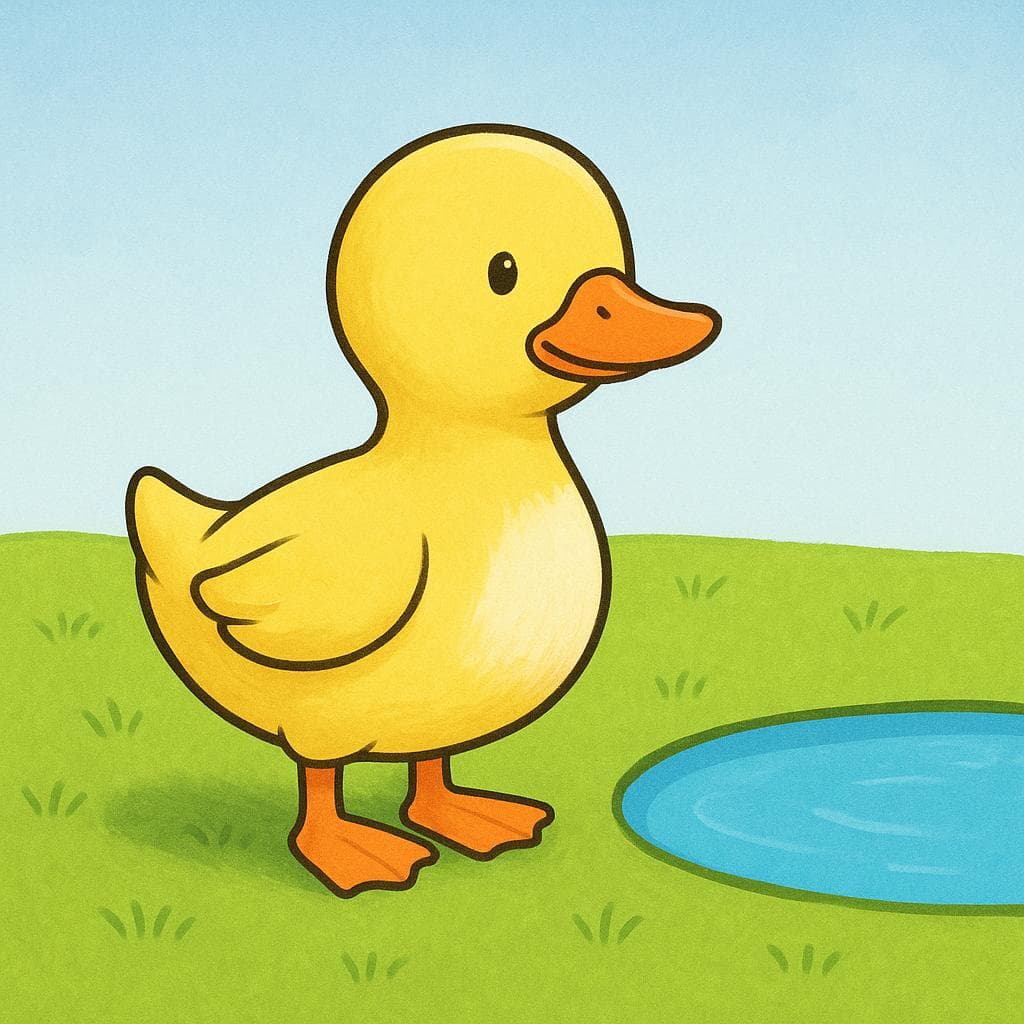
pato | duck | El pato nadó tranquilamente en el estanque. | A1 |
A1 — Beginner (15 words)

eagle
“El águila real es el símbolo de muchos países.”
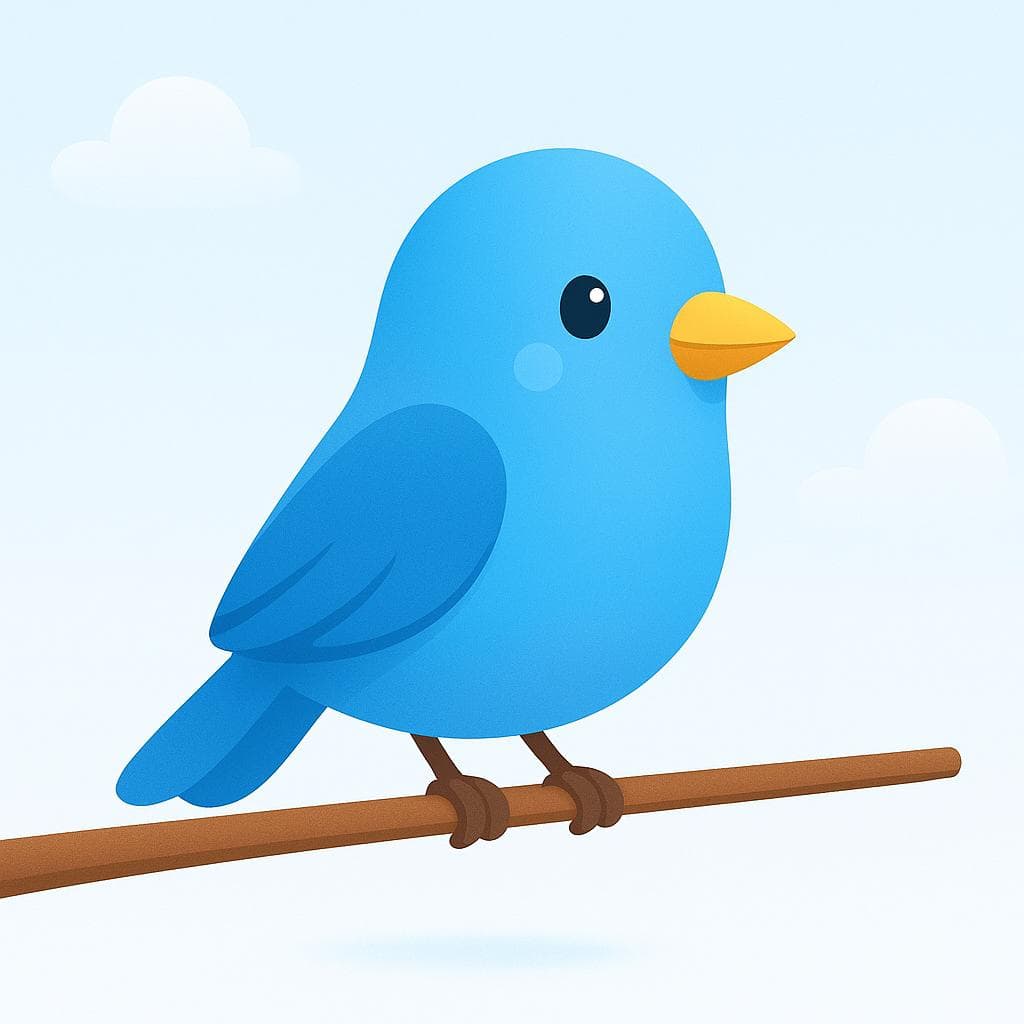
bird
“Vimos un ave exótica en el parque.”
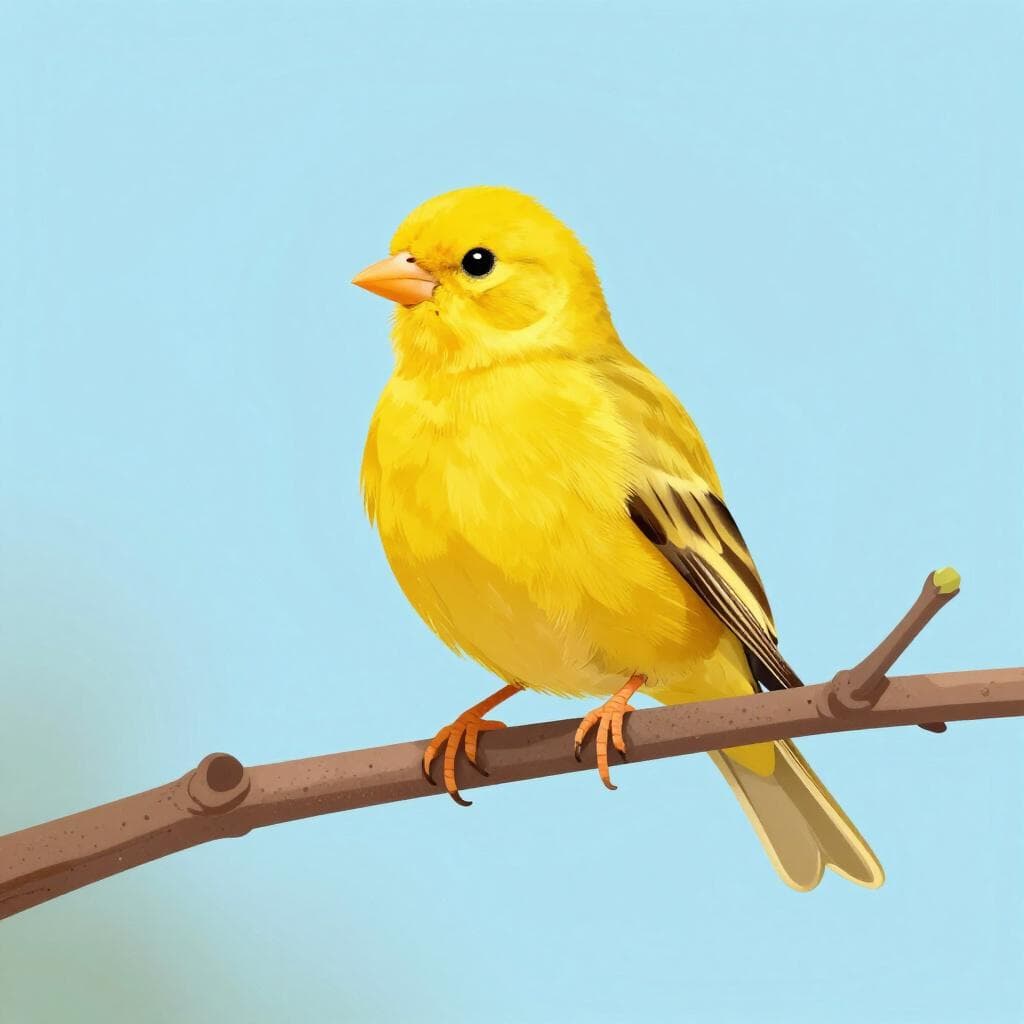
canary
“El canario canta muy bien por las mañanas.”

flamenco
“El flamenco es un arte muy antiguo de Andalucía.”
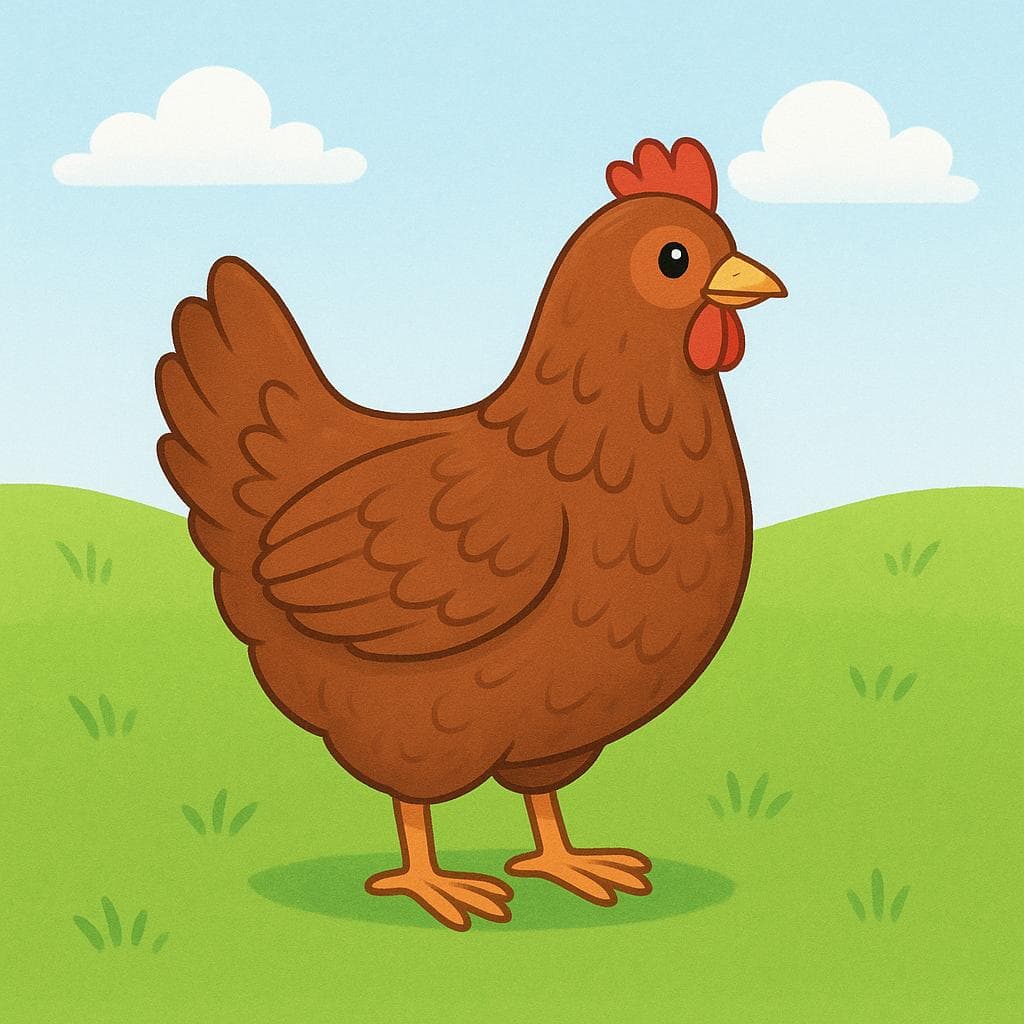
hen
“La gallina puso tres huevos esta mañana.”
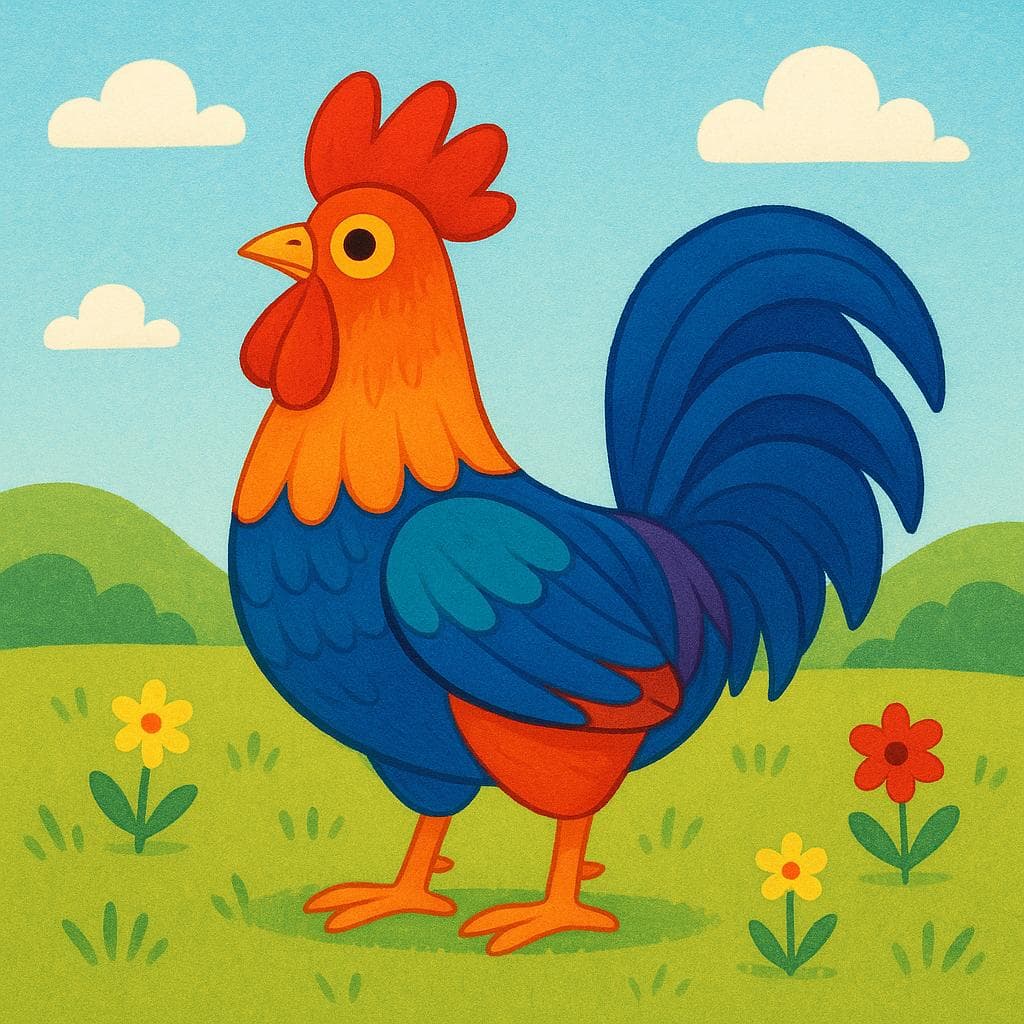
rooster
“El gallo canta al amanecer.”

parrot
“El loro de mi abuela puede decir su nombre.”

nest
“El pájaro carpintero hizo su nido en el tronco de un roble.”

little bird
“Mira el pajarito que está en el árbol.”
bird
“Vi un pájaro azul muy bonito en el jardín.”

pigeon
“Hay muchas palomas en la plaza de la ciudad.”
duck
“El pato nadó tranquilamente en el estanque.”
beak
“El pájaro alimentó a sus crías con su pico.”

feather
“Encontré una pluma muy grande en el jardín.”

penguin
“El pingüino camina sobre el hielo.”
A2 — Elementary (6 words)
seagull
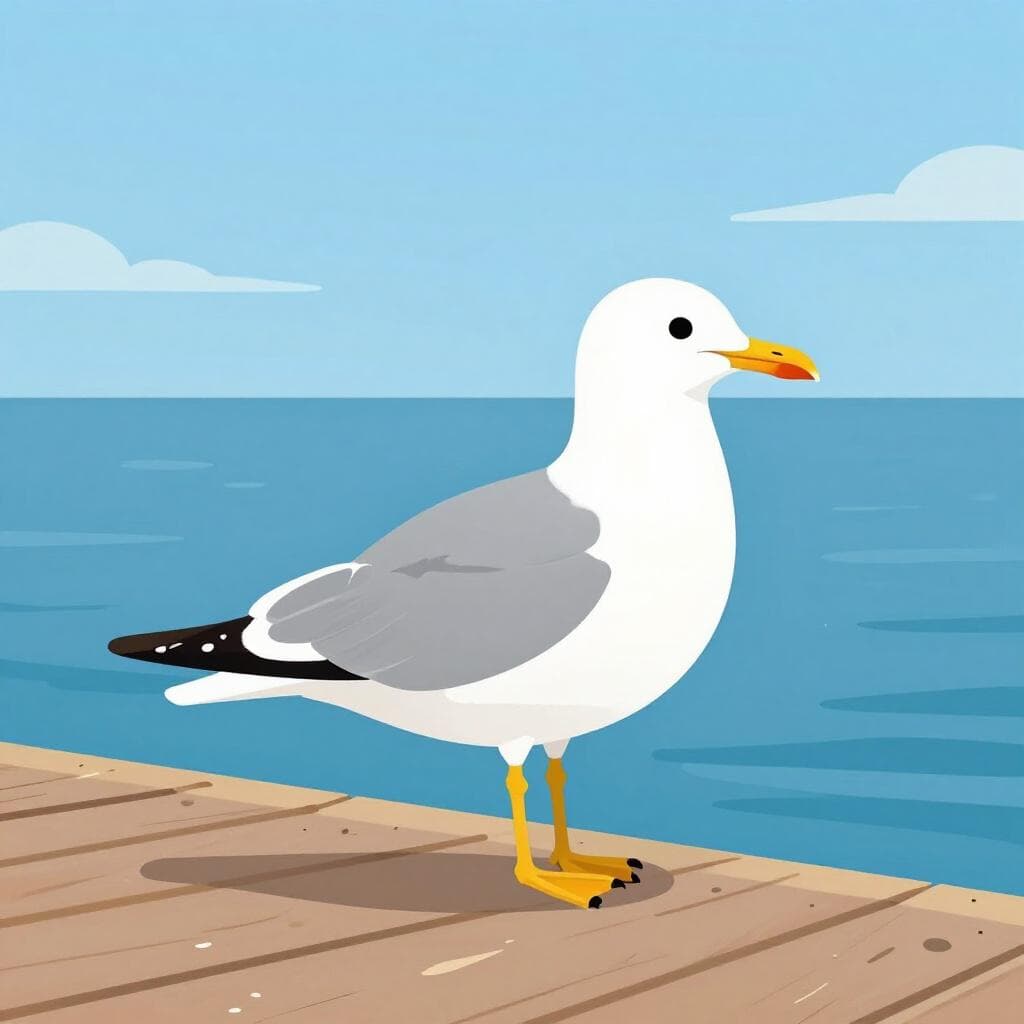
“Hay una gaviota en la arena.”
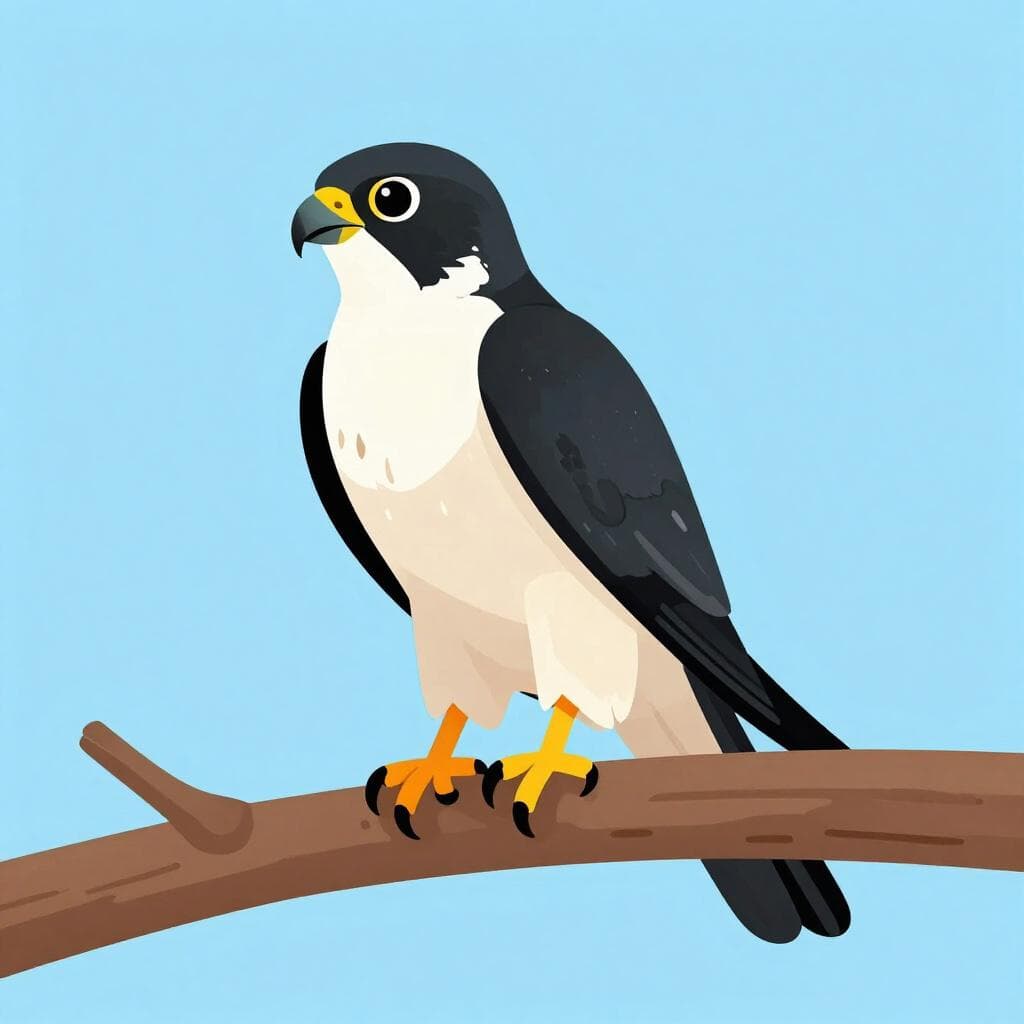
falcon
“El halcón vuela muy alto para buscar su presa.”
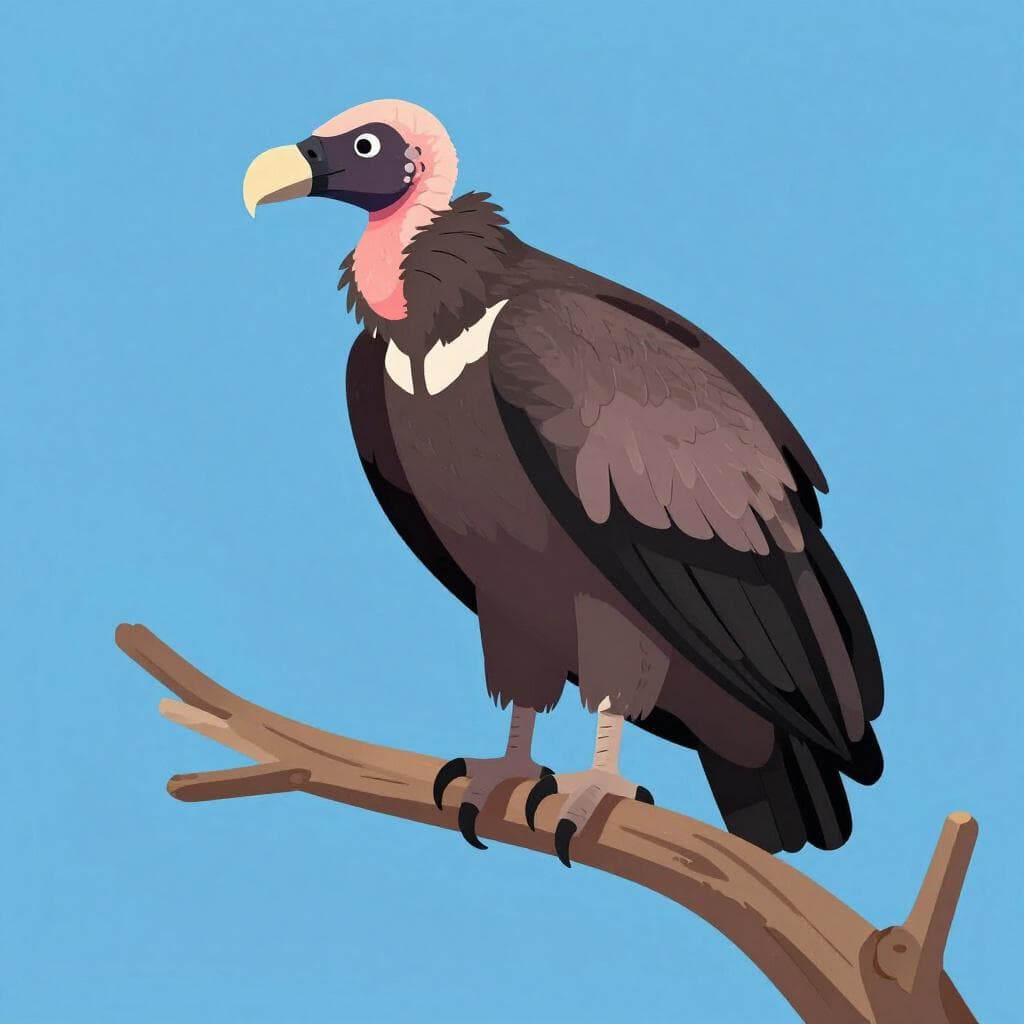
vulture
“El buitre volaba en círculos sobre la montaña.”
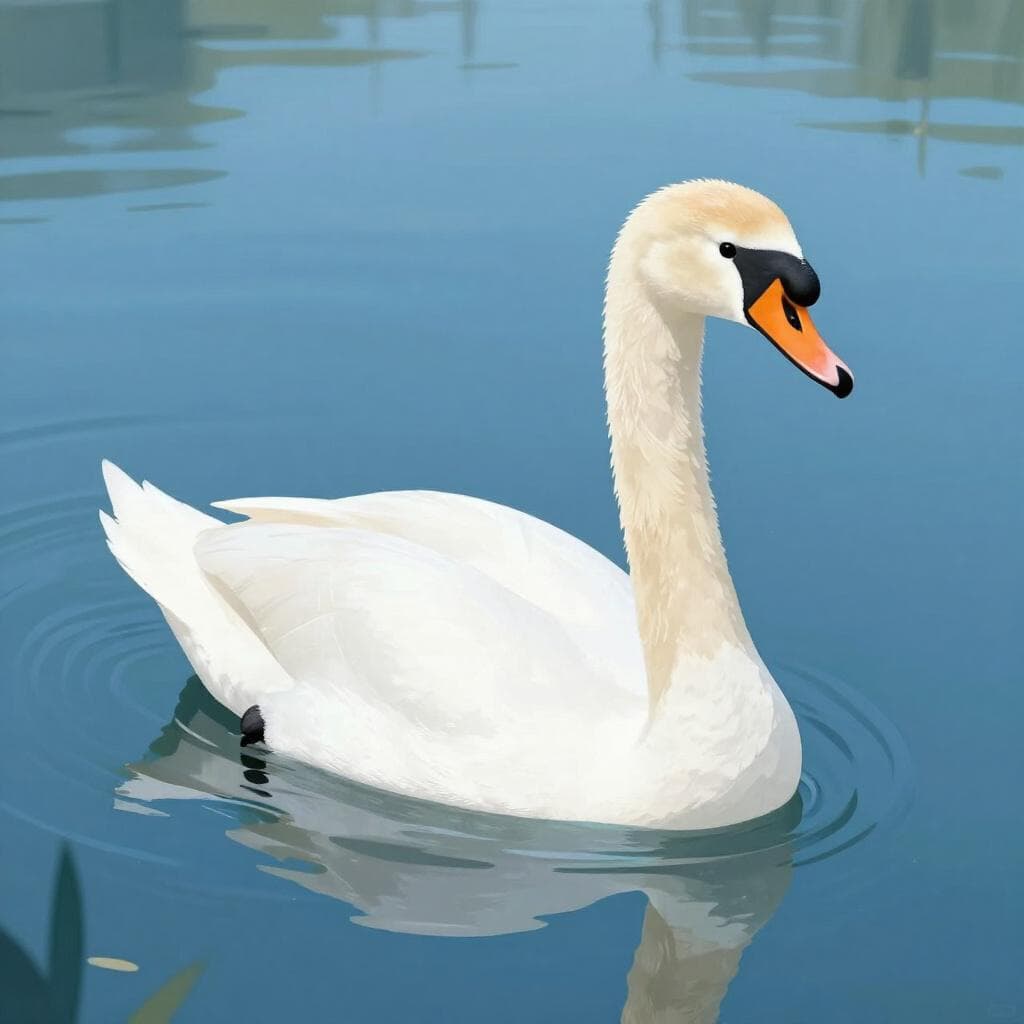
swan
“El cisne blanco nada tranquilamente en el lago.”

raven
“Un cuervo negro se posó en la ventana.”

goose
“Hay un ganso blanco nadando en el lago.”
Grammar Tips
Gender Agreement for Birds
Like most Spanish nouns, bird names have grammatical gender. 'El canario' (the canary) is masculine, while 'la gaviota' (the seagull) is feminine. Remember to match articles and adjectives accordingly, e.g., 'el canario amarillo' (the yellow canary) and 'la gaviota blanca' (the white seagull).
Plural Forms
Forming plurals for bird names follows the standard Spanish rules: add -s to words ending in a vowel and -es to words ending in a consonant. For example, 'el cuervo' (raven) becomes 'los cuervos' (ravens), and 'la gallina' (hen) becomes 'las gallinas' (hens).
Specific vs. General Terms
Spanish uses 'ave' for a generic bird (singular) and 'aves' for birds in general. While you can use specific names like 'halcón' (falcon), 'ave' is a useful umbrella term when the exact species isn't important or known.
Common Mistakes
Incorrect Adjective Placement
Mistake: “El blanco cisne nada en el lago.”
Correction: El cisne blanco nada en el lago. In Spanish, descriptive adjectives like colors usually follow the noun they modify.
Confusing General and Specific Terms
Mistake: “Vi un ave grande y negro.”
Correction: Vi un ave grande y negra. OR Vi un cuervo grande y negro. When using the general term 'ave', you might need to be more specific if describing a particular type of bird; also, ensure adjectives agree in gender and number with the noun.
Pluralization Error
Mistake: “Hay muchos gallina en la granja.”
Correction: Hay muchas gallinas en la granja. The noun 'gallina' needs to be in its plural form 'gallinas' to agree with the plural quantifier 'muchas'.
Cultural Notes
Birds in Symbolism
Birds hold significant symbolic meaning in many Spanish-speaking cultures. For instance, doves often represent peace, while eagles can symbolize power and freedom, appearing in national emblems across Latin America.
Distinguishing Male and Female
While many bird names are gendered (e.g., 'el gallo' for rooster, 'la gallina' for hen), often the base word can refer to the species generically. Context or adding 'macho'/'hembra' might be needed if clarity is crucial for non-specific terms.