gallo
“gallo” means “rooster” in Spanish. It has 3 different meanings depending on context:
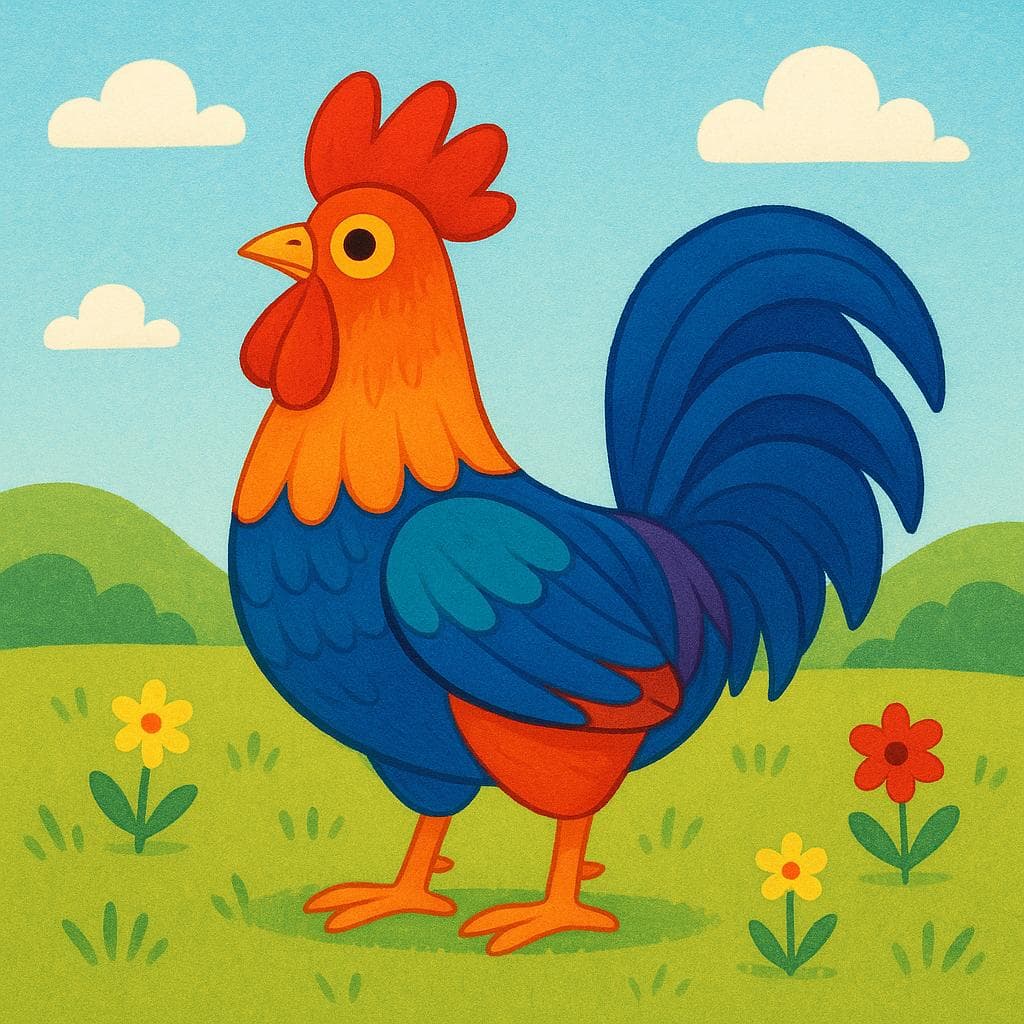

rooster, cock
Also: cockerel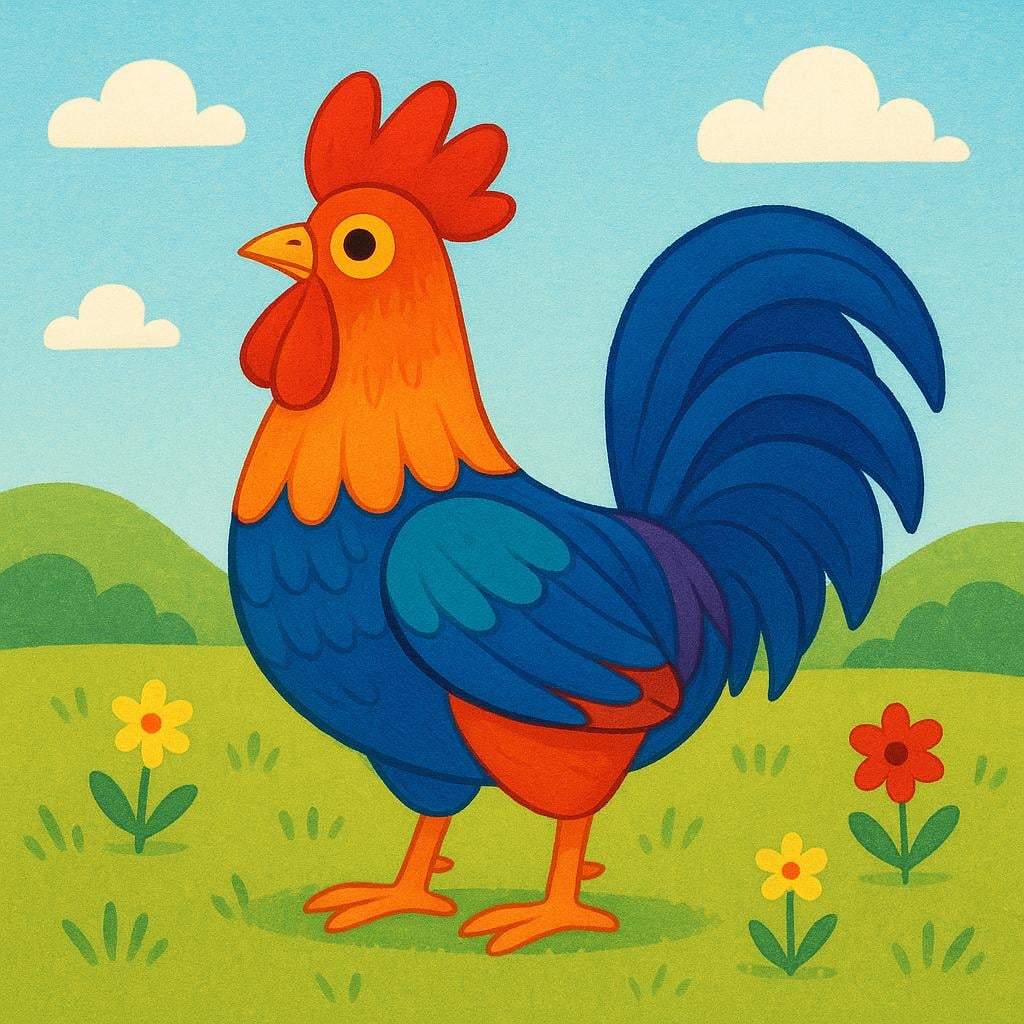
📝 In Action
El gallo canta al amanecer.
A1The rooster crows at dawn.
Dibujamos un gallo con plumas rojas y amarillas.
A2We drew a cock with red and yellow feathers.
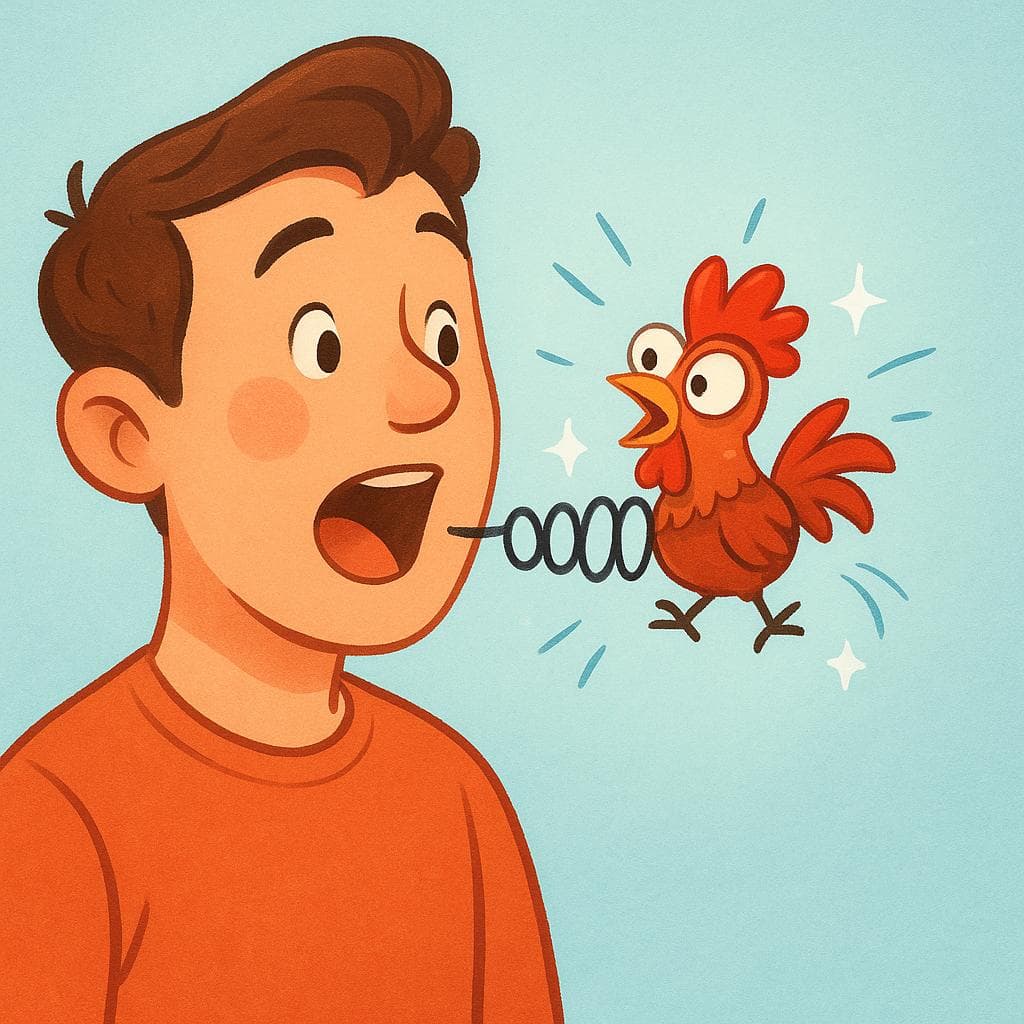
voice crack, squeak
Also: blunder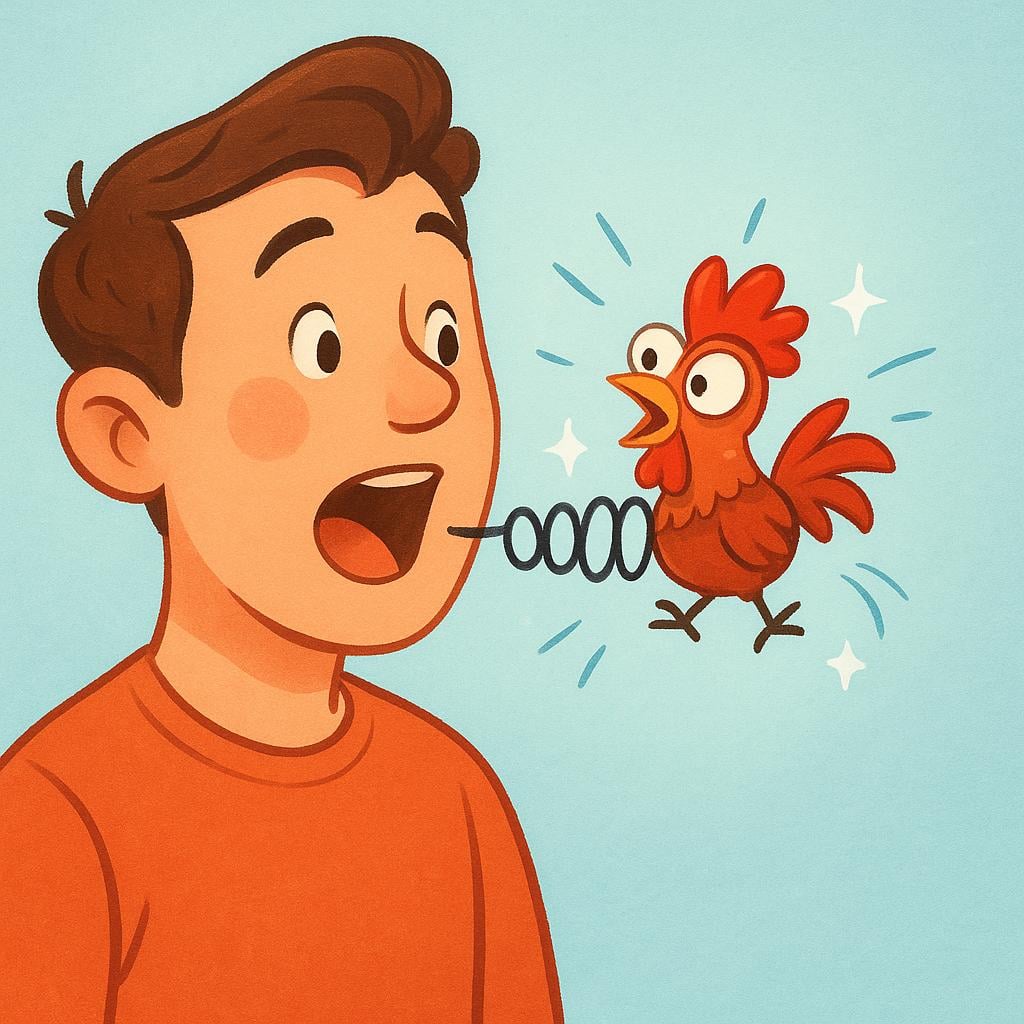
📝 In Action
Se me salió un gallo cuando intenté cantar esa nota alta.
B1My voice cracked when I tried to sing that high note.
El presentador hizo un pequeño gallo al inicio de su discurso.
B2The presenter made a small blunder (voice crack) at the beginning of his speech.
John Dory
Also: flatfish
📝 In Action
El chef preparó un gallo a la plancha delicioso.
B2The chef prepared a delicious grilled John Dory.
Compramos tres kilos de gallo fresco en la lonja.
C1We bought three kilos of fresh flatfish at the fish market.
Vocabulary Collections
Translate to Spanish
Words that translate to "gallo" in Spanish:
blunder→cock→cockerel→flatfish→john dory→rooster→squeak→voice crack→🗣️ Practice in a Tongue Twister
✏️ Quick Practice
Quick Quiz: gallo
Question 1 of 2
Which sentence uses 'gallo' in its most common, literal meaning?
📚 More Resources
👥 Word Family▼
📚 Etymology▼
The word 'gallo' comes directly from the Latin word 'gallus', which meant 'cock' or 'rooster.' It has maintained this meaning consistently through the centuries. The secondary meanings (voice crack, fish) are figurative extensions based on the bird's distinct characteristics or appearance.
First recorded: Before the 10th century (as part of Vulgar Latin evolution)
Cognates (Related words)
💡 Master Spanish
Take your Spanish to the next level. Read 200+ illustrated and narrated Spanish stories tailored to your level with the Inklingo app!
Frequently Asked Questions
How do I know if 'gallo' means the bird or the fish?
You must listen to the context. If you are talking about the farm, sounds, or animals, it's the rooster. If you are talking about food, cooking, or the sea, it's the fish (John Dory). If you are talking about singing, it's a voice crack.
Is 'gallo' used to describe a person?
Yes, but usually in the diminutive form 'gallito' (little rooster), which means someone is boastful, arrogant, or trying to act tough.