flamenco
“flamenco” means “flamenco” in Spanish. It has 4 different meanings depending on context:
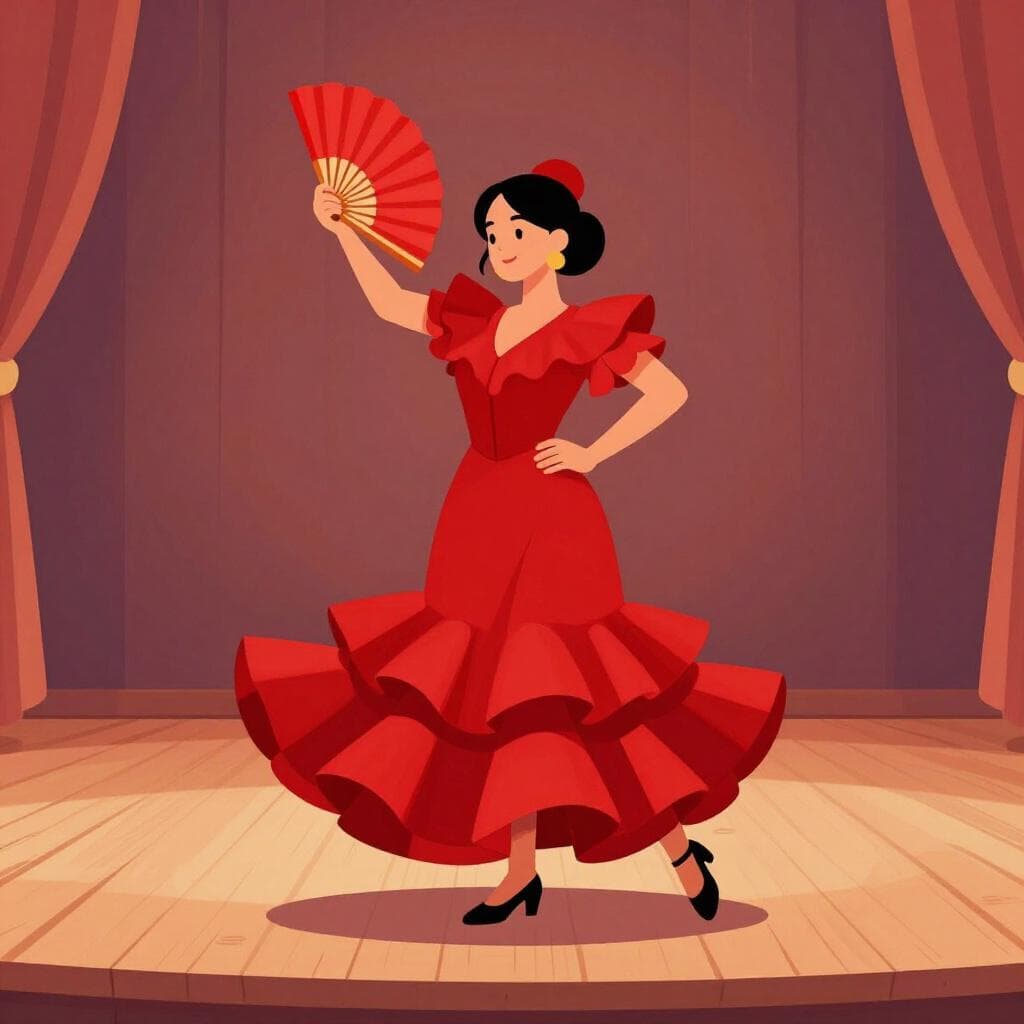


flamenco
Also: flamenco song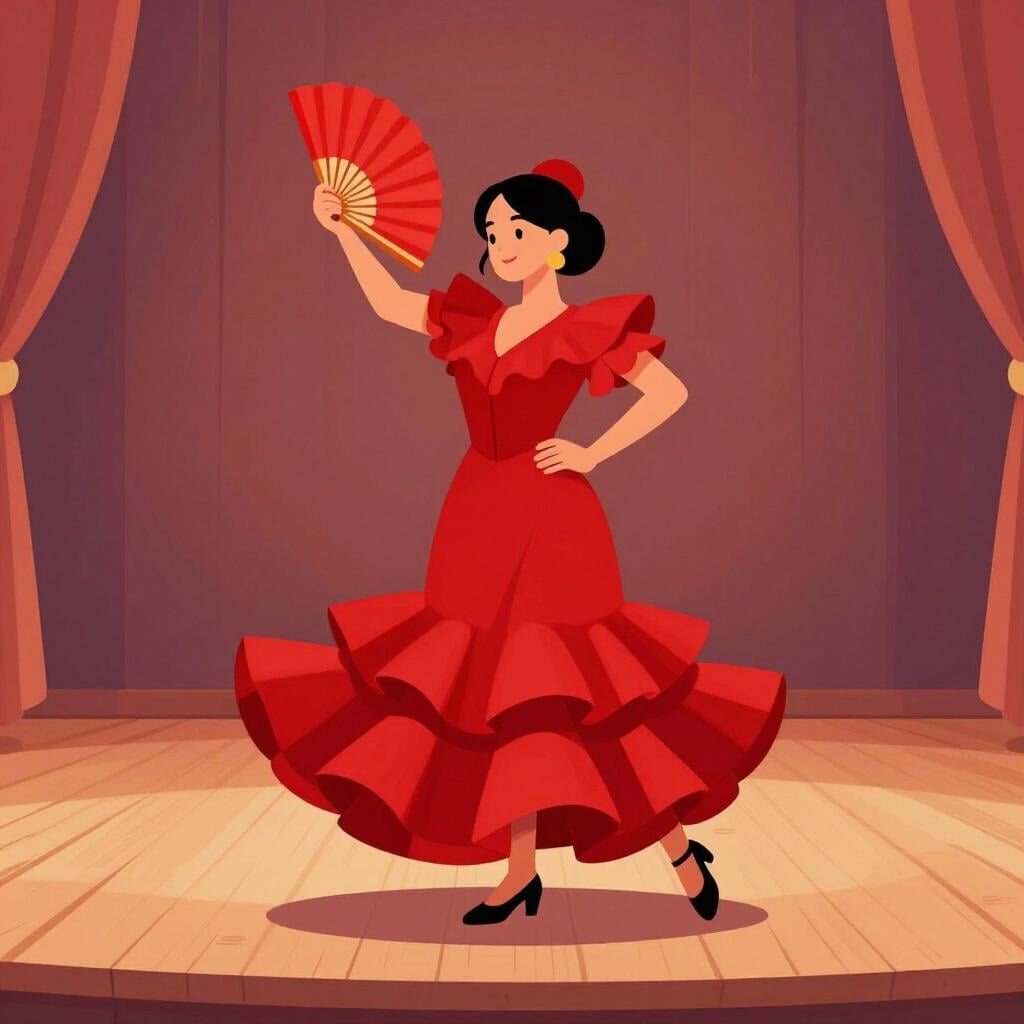
📝 In Action
El flamenco es un arte muy antiguo de Andalucía.
A1Flamenco is a very old art form from Andalusia.
Anoche fuimos a un espectáculo de flamenco en Sevilla.
A2Last night we went to a flamenco show in Seville.
Ella baila flamenco con mucha pasión.
B1She dances flamenco with a lot of passion.
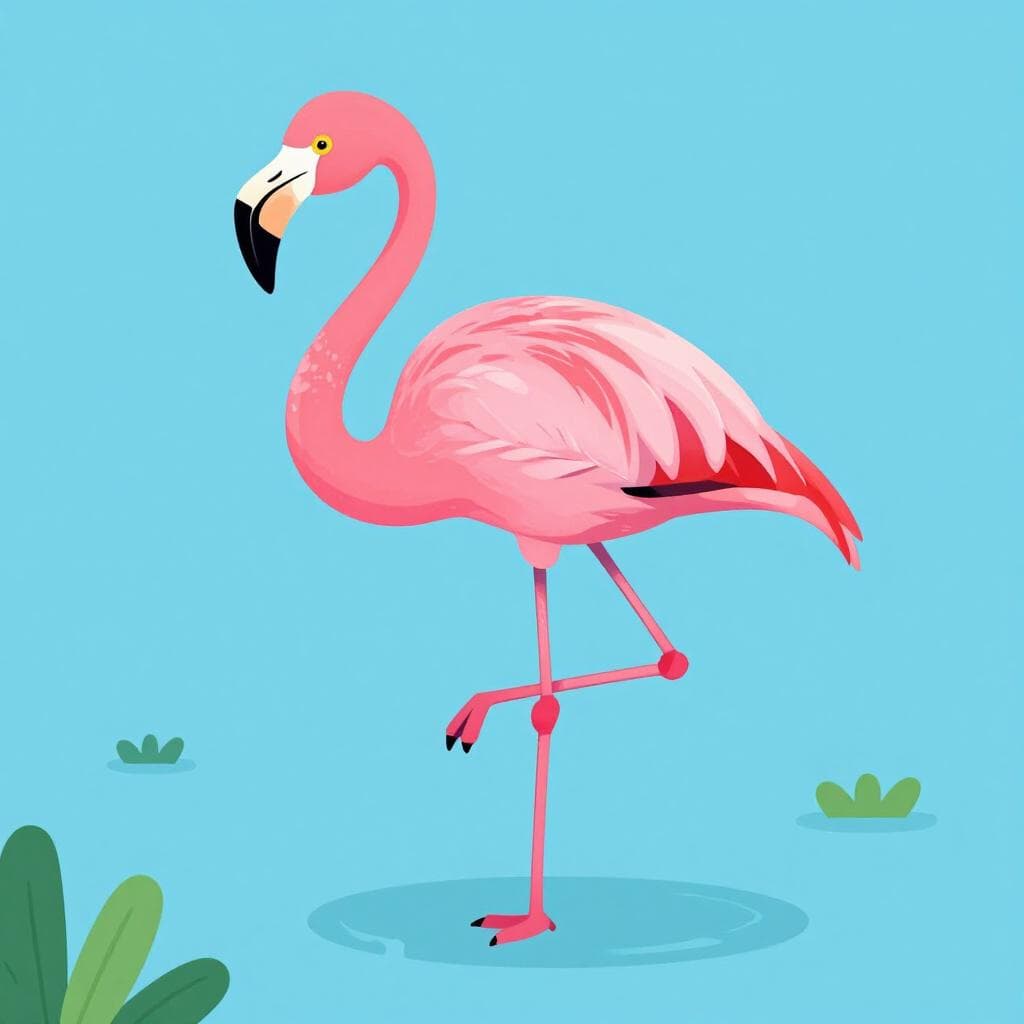
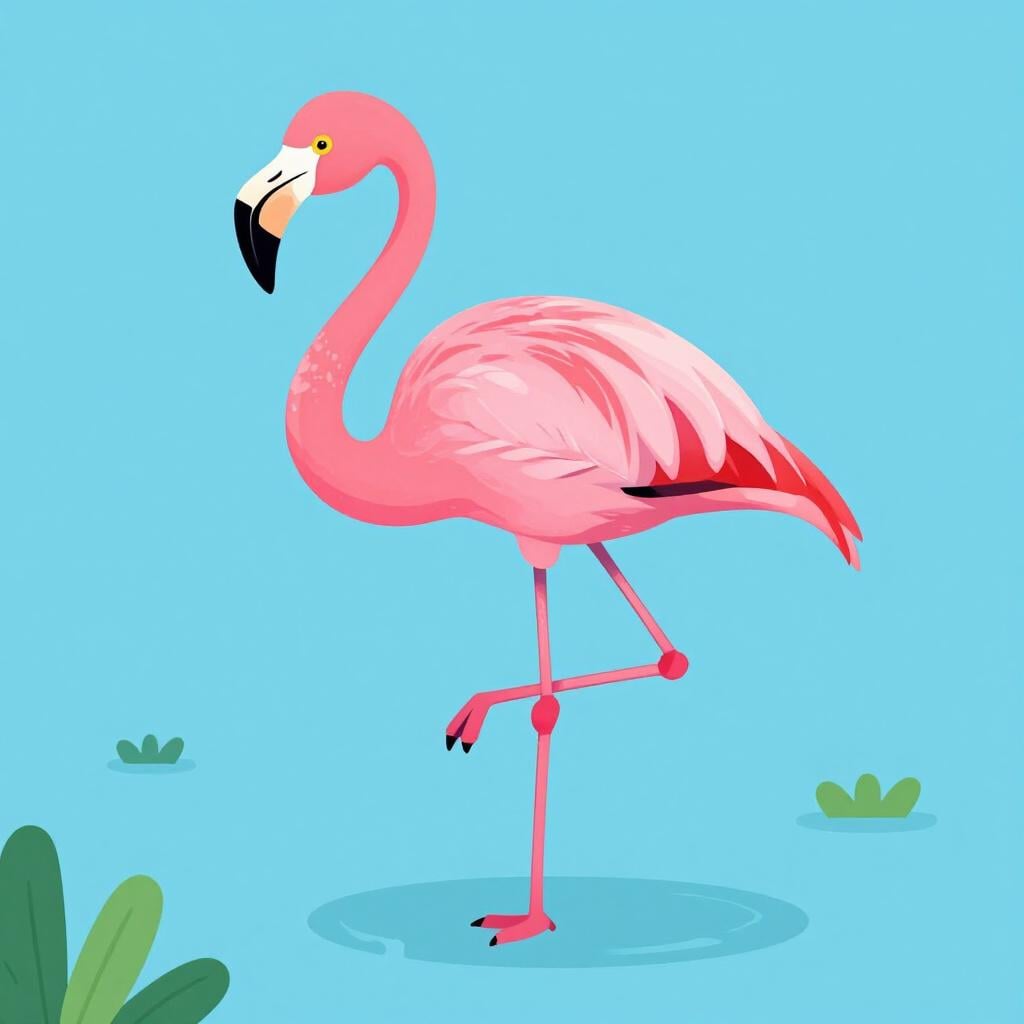
flamingo
📝 In Action
Vimos un flamenco rosa en la laguna.
A2We saw a pink flamingo in the lagoon.
Los flamencos suelen estar sobre una sola pata.
B1Flamingos are usually on just one leg.
Hay una colonia de flamencos que vive en este parque natural.
B2There is a colony of flamingos living in this natural park.
Flemish

📝 In Action
Me gusta mucho la pintura flamenca del siglo diecisiete.
B1I really like seventeenth-century Flemish painting.
Él tiene antepasados flamencos.
B2He has Flemish ancestors.
El tapiz flamenco es famoso por su calidad.
C1Flemish tapestry is famous for its quality.
cheeky
Also: cocky
📝 In Action
No te pongas flamenco conmigo, que tengo razón.
C1Don't get cheeky with me, because I'm right.
Llegó al bar muy flamenco, pidiendo la bebida más cara.
C1He arrived at the bar acting very cocky, asking for the most expensive drink.
Vocabulary Collections
Translate to Spanish
🗣️ Practice in a Tongue Twister
✏️ Quick Practice
Quick Quiz: flamenco
Question 1 of 3
If someone in Spain tells you '¡No te pongas flamenco!', what are they saying?
📚 More Resources
👥 Word Family▼
🎵 Rhymes▼
📚 Etymology▼
The history is debated! It likely comes from the Dutch word 'vlaming' (Flemish), but some believe it relates to 'flama' (flame) because of the bright colors of the bird and the fiery passion of the dance.
First recorded: 16th century
Cognates (Related words)
💡 Master Spanish
Take your Spanish to the next level. Read 200+ illustrated and narrated Spanish stories tailored to your level with the Inklingo app!
Frequently Asked Questions
Does 'flamenco' always mean the dance?
No! It can mean the music style, the bird (flamingo), the Flemish region/people, or even 'cheeky' in slang.
Is it 'el flamenco' or 'la flamenca'?
Use 'el flamenco' for the genre. Use 'la flamenca' to refer specifically to a female dancer or a feminine object from Flanders.
Why does the bird have the same name as the dance?
Language experts aren't 100% sure, but they think both names might come from the idea of 'fire' or 'flame'—one for the bird's color and one for the dancer's intensity.