How to Say "cheeky" in Spanish
The most common Spanish word for “cheeky” is “atrevido” — use 'atrevido' when someone is being slightly rude or disrespectful, especially towards elders or authority figures, implying a lack of proper deference.
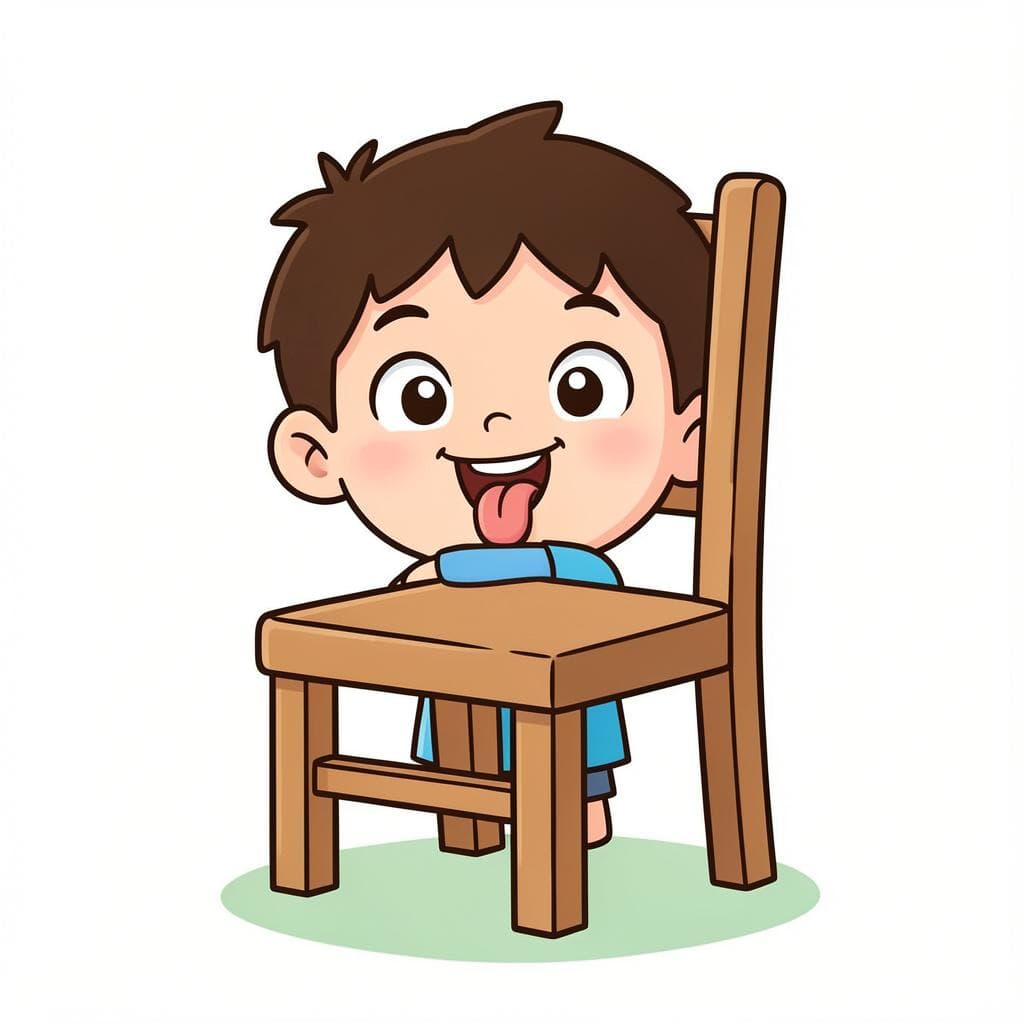

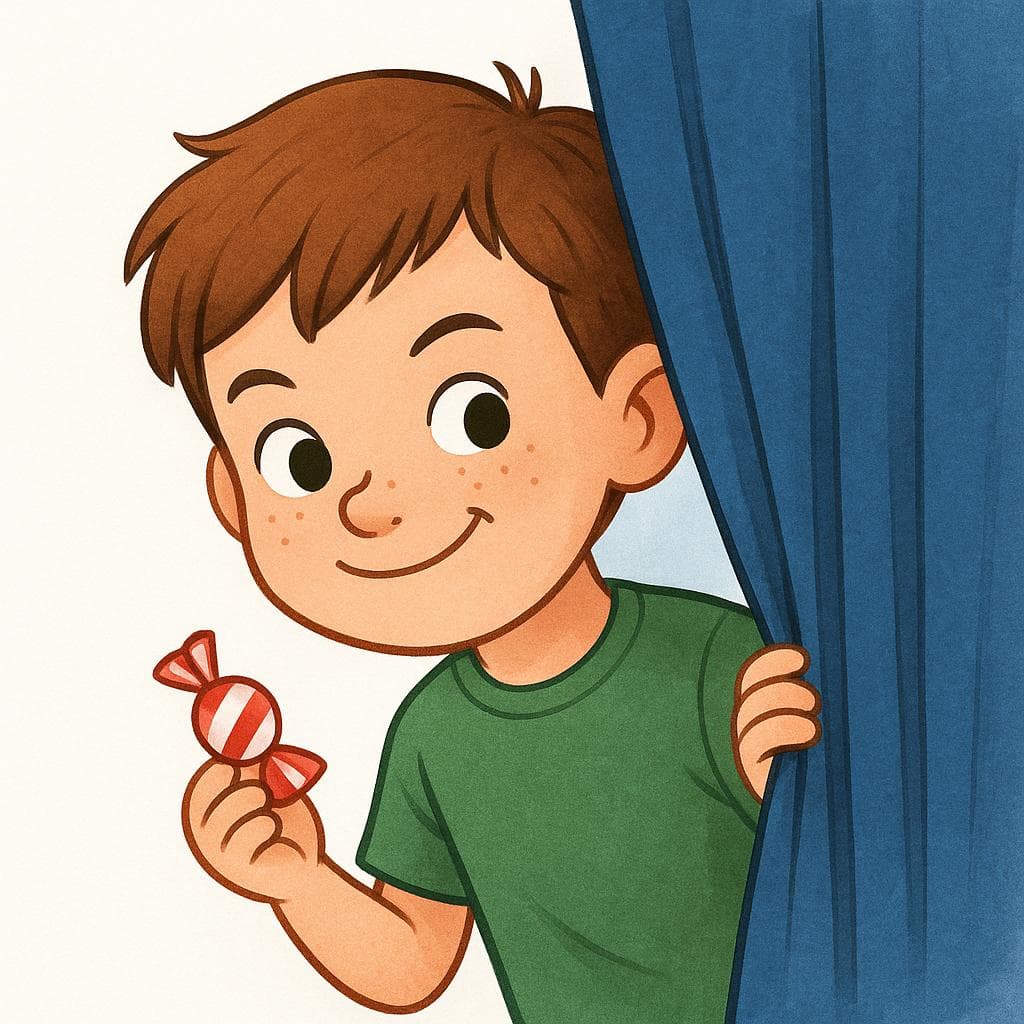

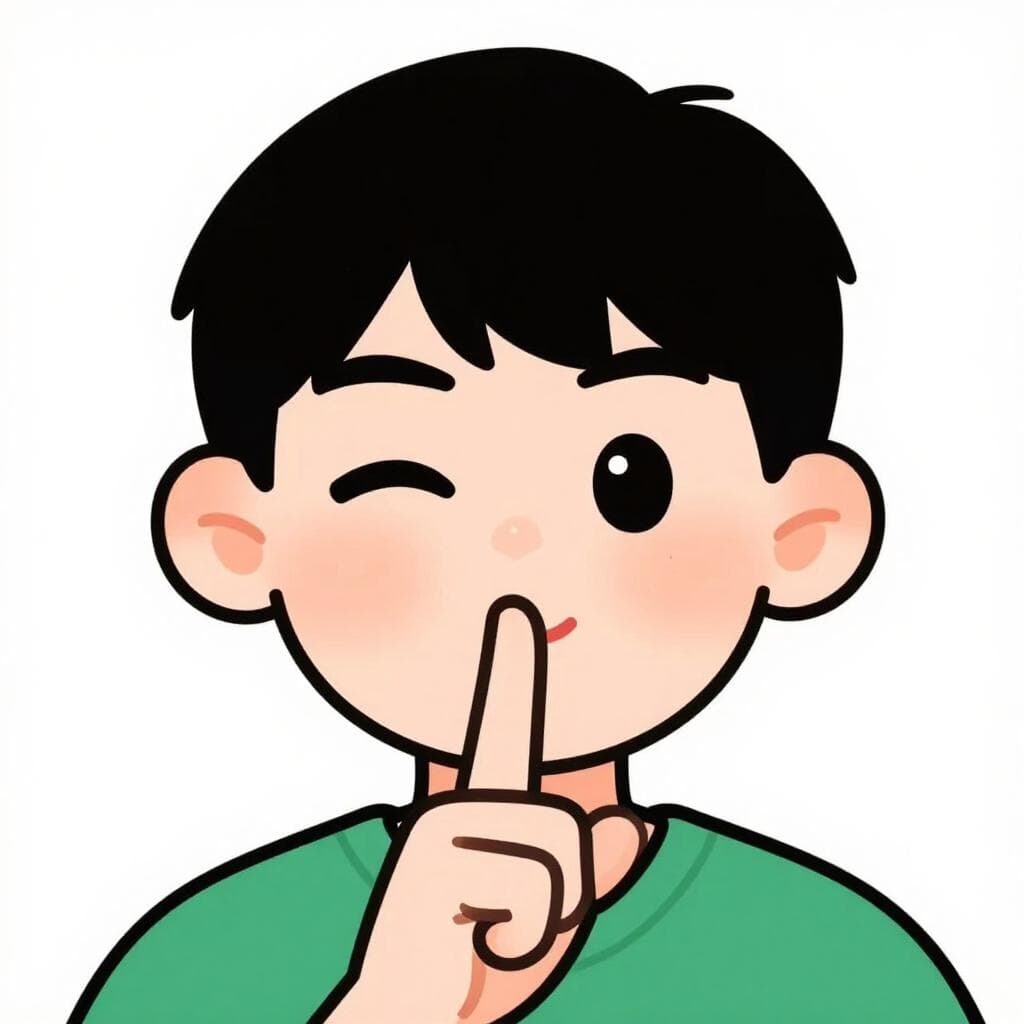
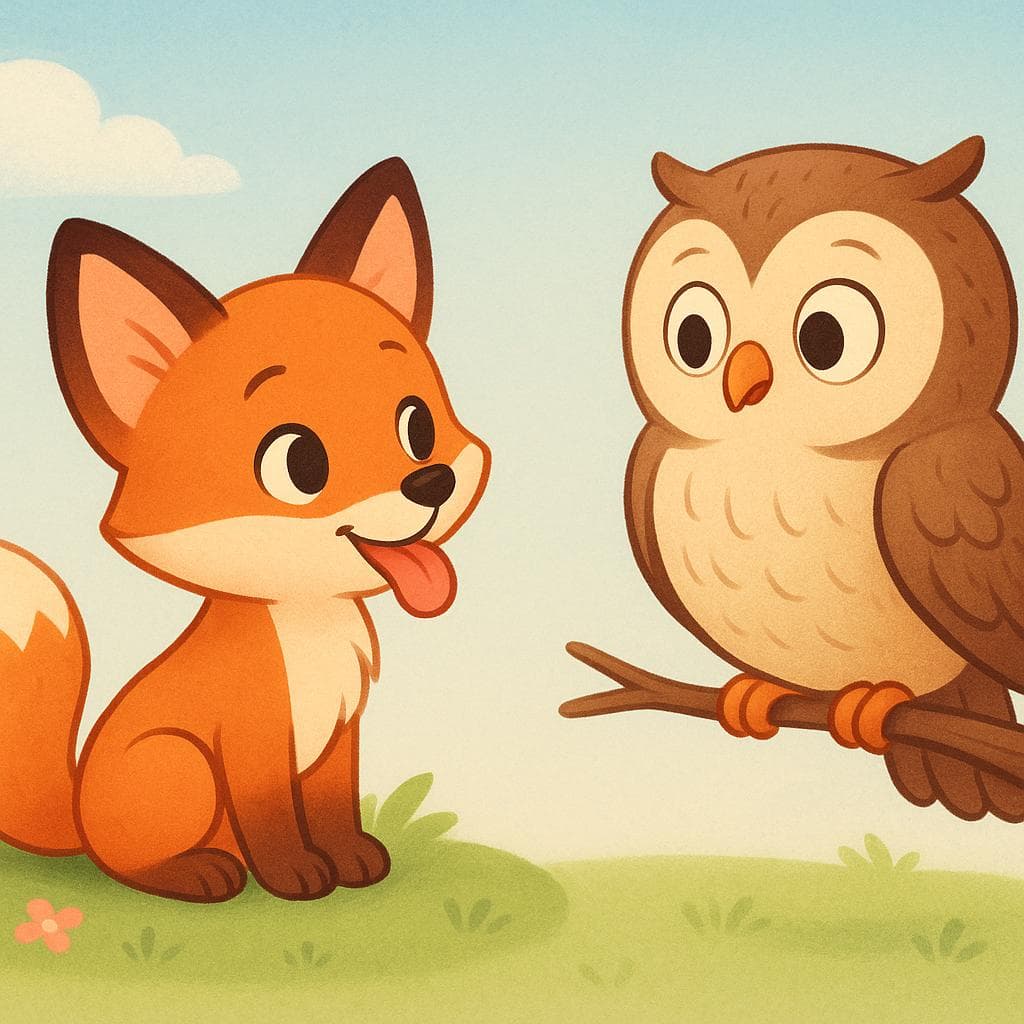

atrevido
ah-treh-VEE-dohatɾeˈβiðo
Examples
¡No seas atrevido! Respeta a tus mayores.
Don't be cheeky! Respect your elders.
Le hizo una pregunta muy atrevida a su jefe.
He asked his boss a very forward question.
Tone Matters
Mistake: “Using it with a boss or stranger.”
Correction: Only use it with people you know well unless you intend to be critical.
descarado
des-kah-RAH-dohdeskaˈɾaðo

Examples
Es un niño muy descarado.
He is a very cheeky boy.
Esa fue una mentira descarada.
That was a blatant lie.
Me parece un robo descarado cobrar tanto por un café.
It seems like a blatant robbery to charge so much for a coffee.
Matching the Person
Since this is an adjective, you must change the ending to match who you are talking about: 'descarado' for a man, 'descarada' for a woman, and 'descarados/as' for groups.
Placement for Emphasis
When you put 'descarado' after the noun (like 'un robo descarado'), it emphasizes how bold or obvious the action was.
Gender Mismatch
Mistake: “Ella es muy descarado.”
Correction: Ella es muy descarada. (Remember to change the 'o' to an 'a' when describing a female.)
pillo
PEE-yohˈpiʎo

Examples
Mi hijo es muy pillo; siempre encuentra dónde escondí los dulces.
My son is very mischievous; he always finds where I hid the candy.
¡Qué pillo eres! Me engañaste con esa broma.
What a cheeky person you are! You fooled me with that joke.
Gender and Number
Like many Spanish adjectives, 'pillo' must match the person or thing it describes: 'pillo' (masculine singular), 'pilla' (feminine singular), 'pillos' (masculine plural), 'pillas' (feminine plural).
insolente
in-so-LEN-tehin.so.ˈlen.te

Examples
No me hables con ese tono insolente.
Don't talk to me with that disrespectful tone.
El empleado fue despedido por ser insolente con el cliente.
The employee was fired for being rude to the customer.
Su respuesta insolente sorprendió a todos en la mesa.
His cheeky response surprised everyone at the table.
Gender-Neutral Ending
This word ends in -e, which means it stays the same whether you are describing a man, a woman, or a neutral object. You don't change it to 'insolenta'.
Positioning for Emphasis
While it usually comes after the person it describes, putting it before the noun (e.g., 'el insolente niño') makes the description sound more dramatic or literary.
Avoid 'Insolenta'
Mistake: “La niña es insolenta.”
Correction: La niña es insolente. Words ending in -e in Spanish usually don't change for gender.
travieso
trah-bee-EH-sohtɾaˈβjeso
Examples
Me lanzó una sonrisa traviesa antes de salir.
She gave me a naughty smile before leaving.
Sus comentarios traviesos hicieron que todos se rieran.
His cheeky comments made everyone laugh.
Placing the word
When used in a flirtatious way, 'travieso' usually comes after the thing it describes (like 'sonrisa traviesa').
fresco
FRES-kohˈfɾesko
Examples
Es muy fresco, le pidió dinero a su jefe el primer día.
He is very cheeky/brazen; he asked his boss for money on the first day.
¡Qué fresca! Se saltó toda la fila.
How rude/shameless! She skipped the whole line.
Using 'Ser' for Personality
When 'fresco' describes someone's personality trait (being permanently cheeky or rude), always use the verb 'ser': 'Él es fresco'.
chulo
CHOO-lohˈtʃulo
Examples
No te pongas chulo conmigo.
Don't get cocky with me.
Es un poco chulo, se cree el mejor.
He's a bit cocky; he thinks he's the best.
Changing Attitude
Use the verb 'ponerse' (to become/to get) with 'chulo' to describe someone acting cocky in a specific moment.
Ser vs. Estar
Mistake: “Using 'ser' when someone is just being temporarily cheeky.”
Correction: Use 'ponerse chulo' for temporary behavior.
flamenco
flah-MEN-kohflaˈmeŋko

Examples
No te pongas flamenco conmigo, que tengo razón.
Don't get cheeky with me, because I'm right.
Llegó al bar muy flamenco, pidiendo la bebida más cara.
He arrived at the bar acting very cocky, asking for the most expensive drink.
Playful vs. Rude Cheekiness
Related Translations
Learn Spanish with Inklingo
Interactive stories, personalized learning, and more.