Dance in Spanish
Spanish has a rich vocabulary for dance, from the general terms to specific styles. Learning these words will not only help you talk about performances but also understand cultural expressions. You'll find that Spanish often uses slightly different nuances for 'dance' than English does, making this a fun area to explore!
Quick Reference
| Spanish | English | Example | Level |
|---|---|---|---|
bailar | to dance | Ella quiere bailar salsa toda la noche. | A1 |
bailarín | dancer | El bailarín principal recibió muchos aplausos. | A2 |
baile | dance | Me encanta el baile flamenco. | A1 |
flamenco | flamenco | El flamenco es un arte muy antiguo de Andalucía. | A1 |
tango | tango | El tango es un baile muy elegante y apasionado. | A1 |
danza | dance | La danza clásica requiere mucha disciplina. | A2 |
ballet | ballet | Mi sobrina sueña con ser bailarina de ballet profesional. | B1 |
danzar | to dance | Los artistas empezaron a danzar en el escenario. | A2 |
vals | waltz | Me gustaría aprender a bailar un vals. | A2 |
A1 — Beginner (4 words)
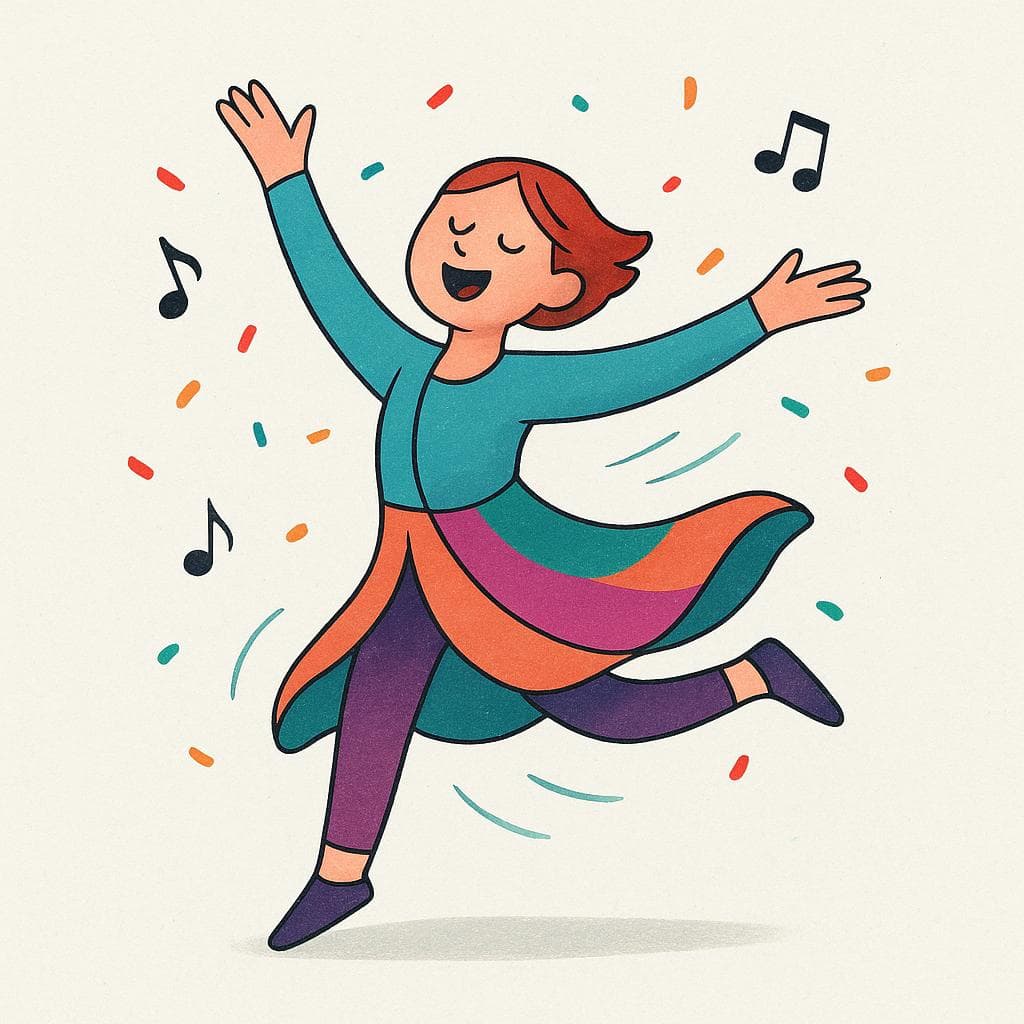
to dance
“Ella quiere bailar salsa toda la noche.”
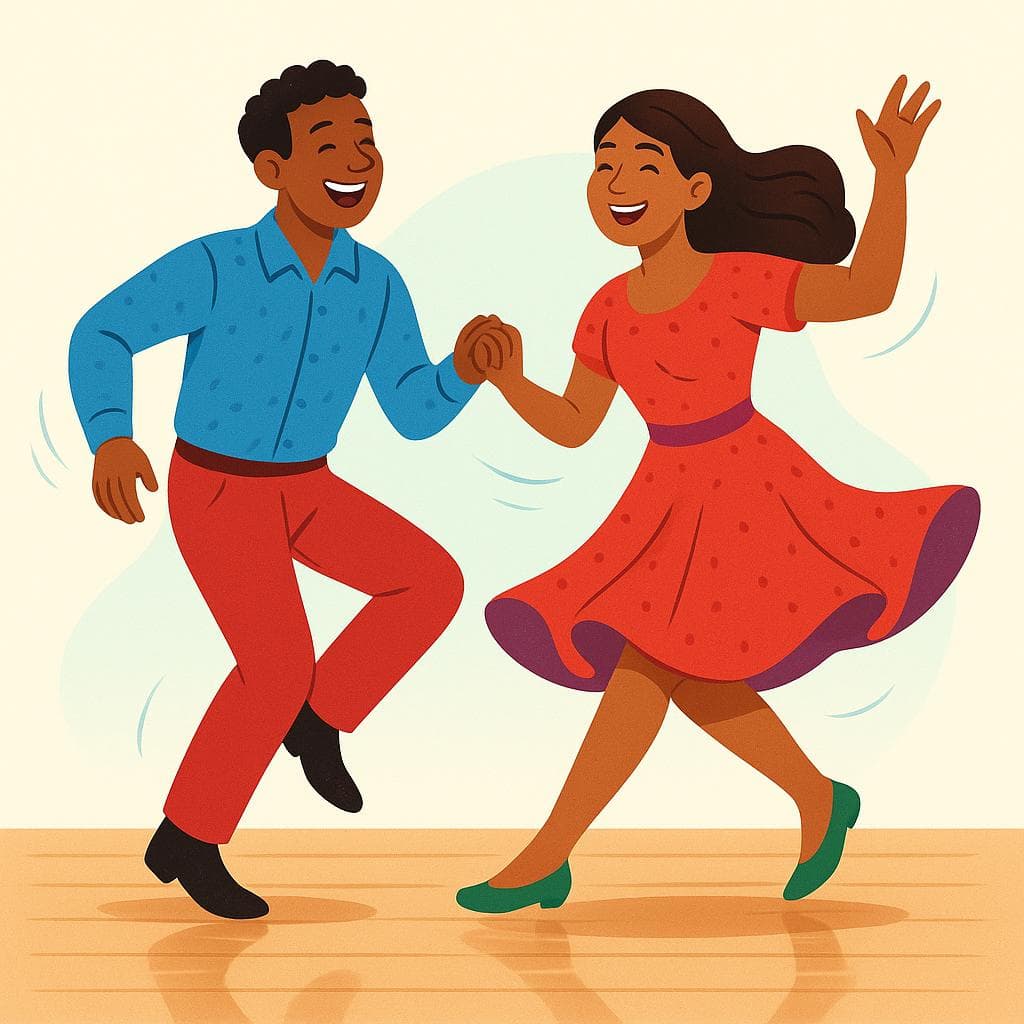
dance
“Me encanta el baile flamenco.”
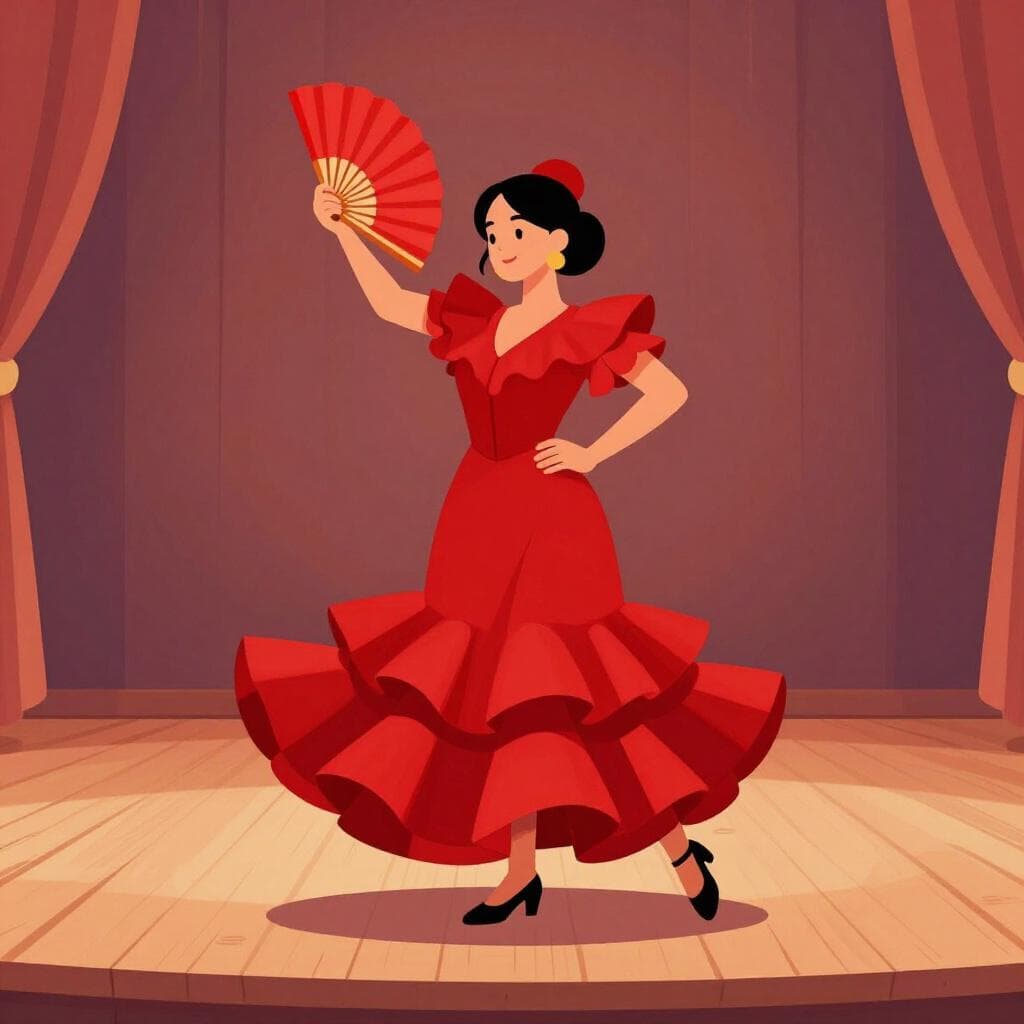
flamenco
“El flamenco es un arte muy antiguo de Andalucía.”
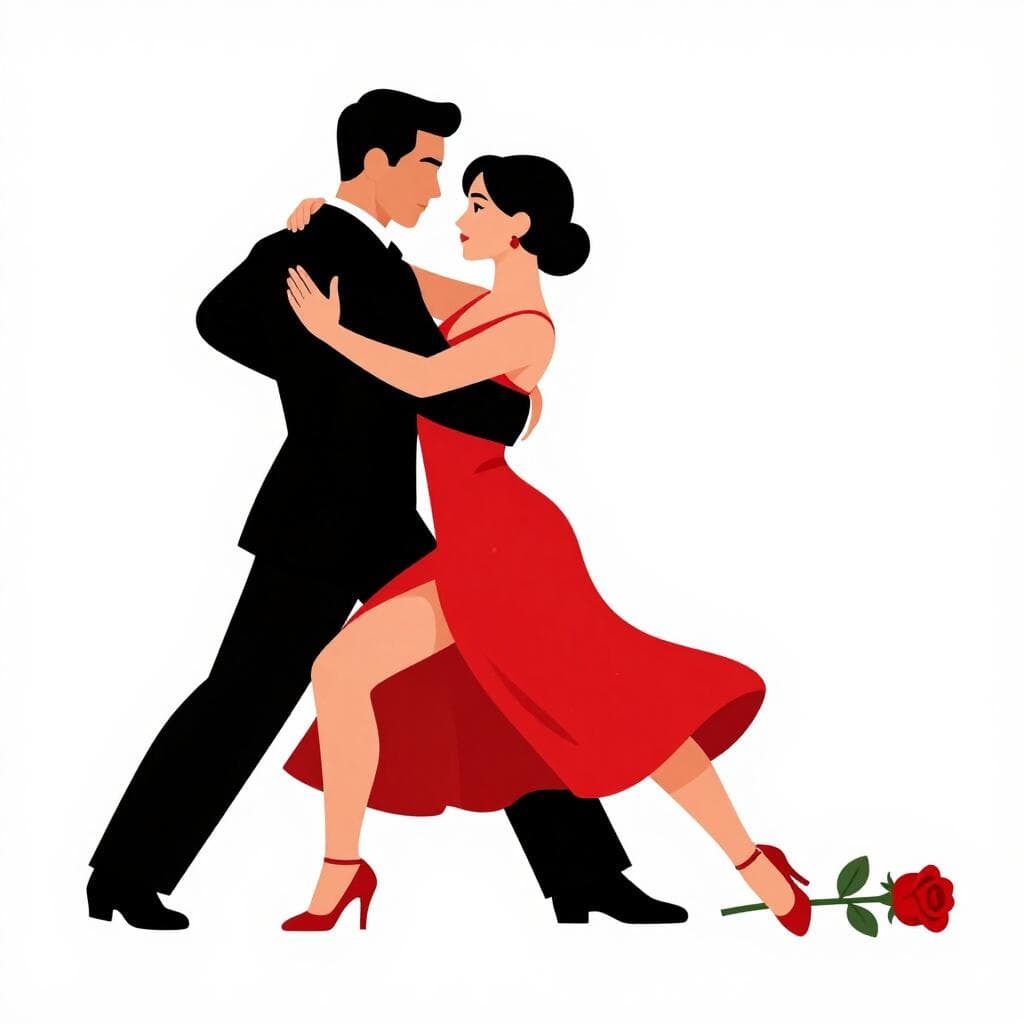
tango
“El tango es un baile muy elegante y apasionado.”
A2 — Elementary (4 words)
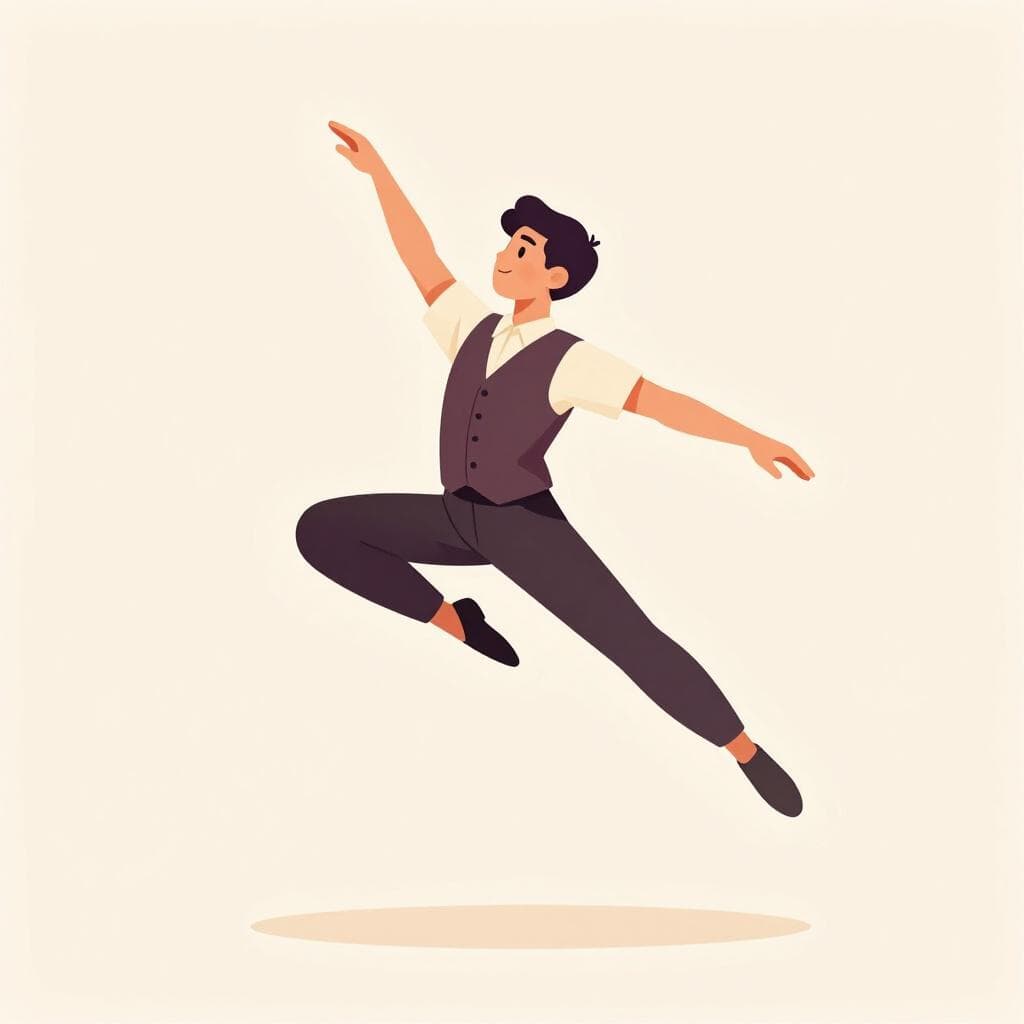
dancer
“El bailarín principal recibió muchos aplausos.”
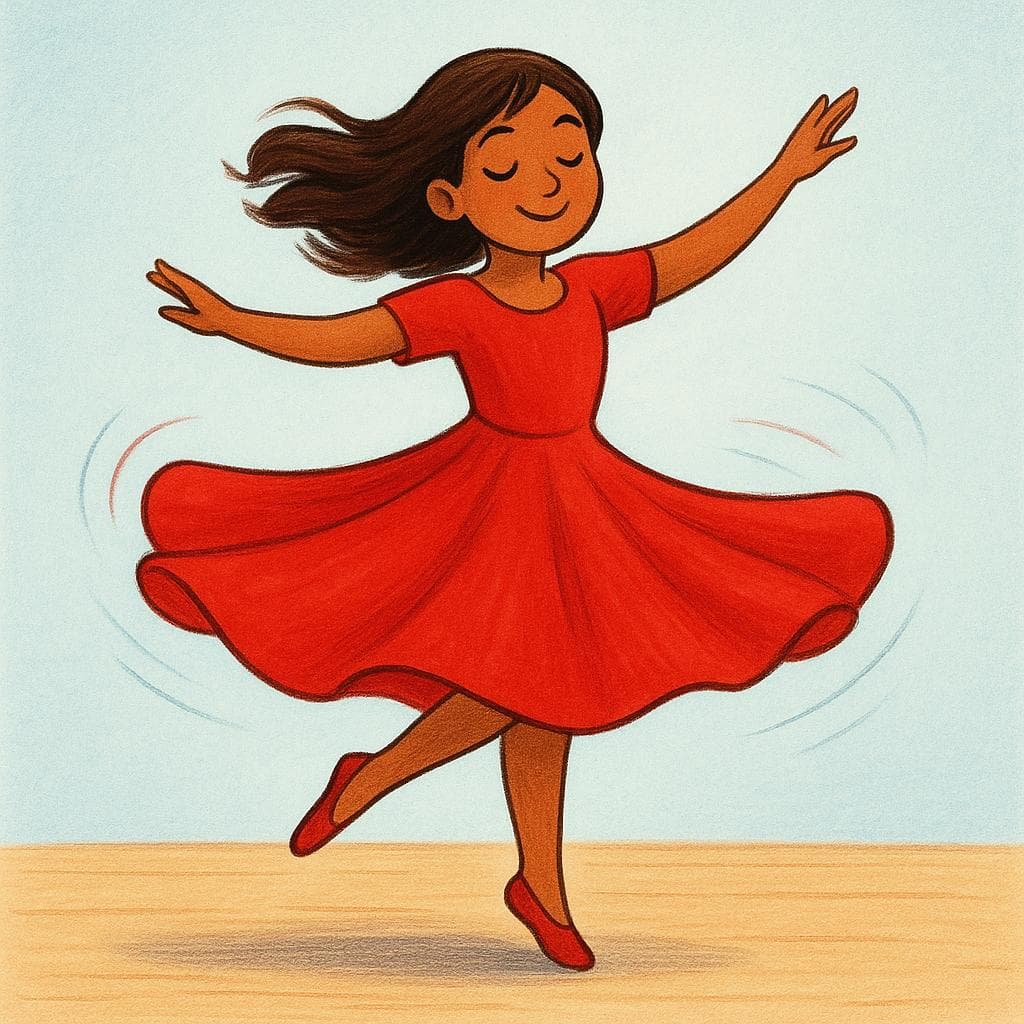
dance
“La danza clásica requiere mucha disciplina.”
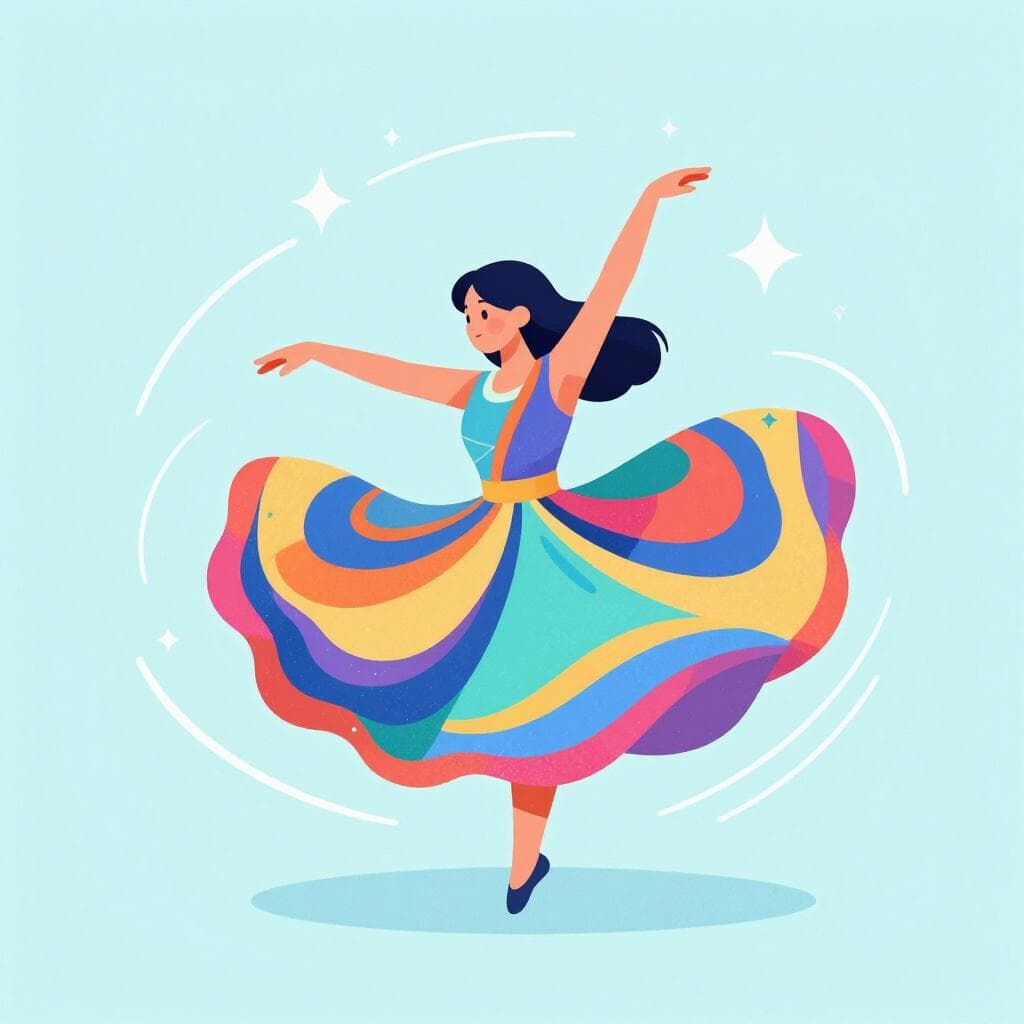
to dance
“Los artistas empezaron a danzar en el escenario.”
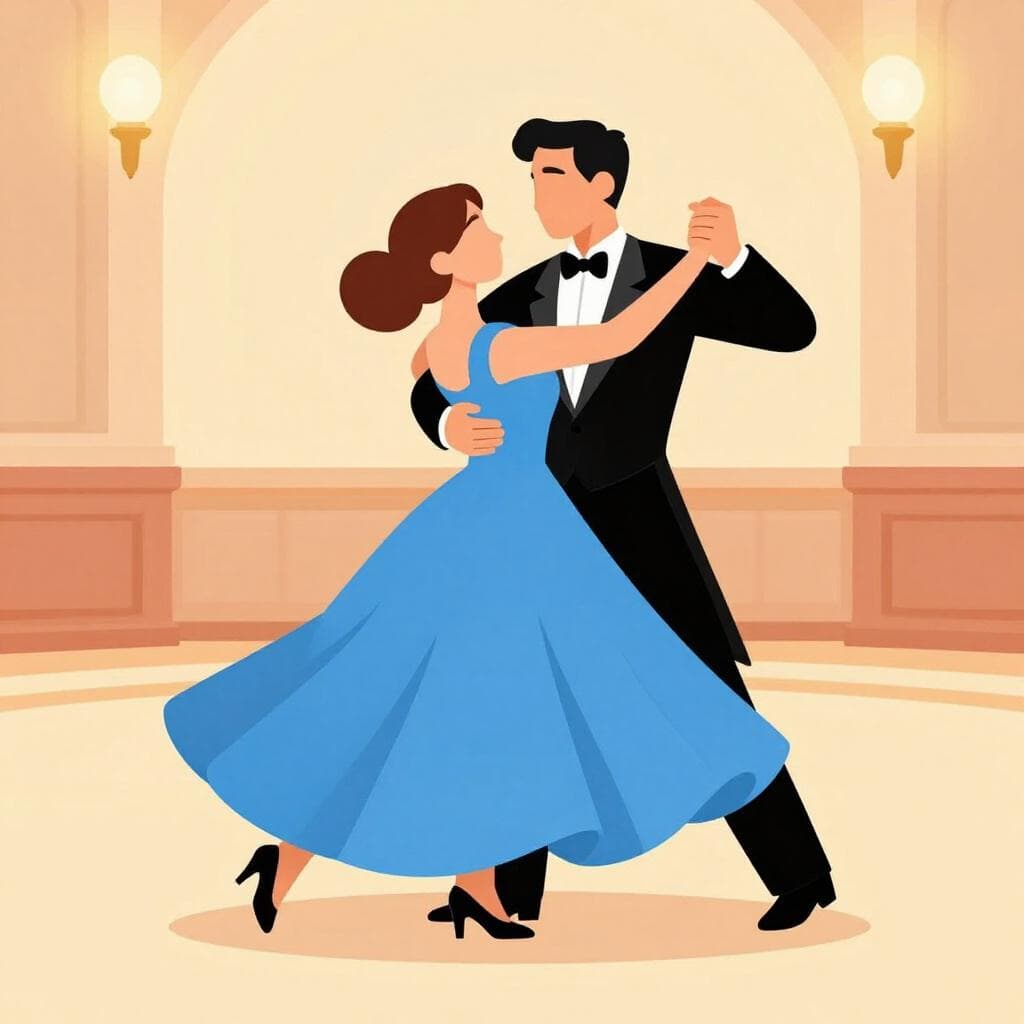
waltz
“Me gustaría aprender a bailar un vals.”
B1 — Intermediate (1 words)
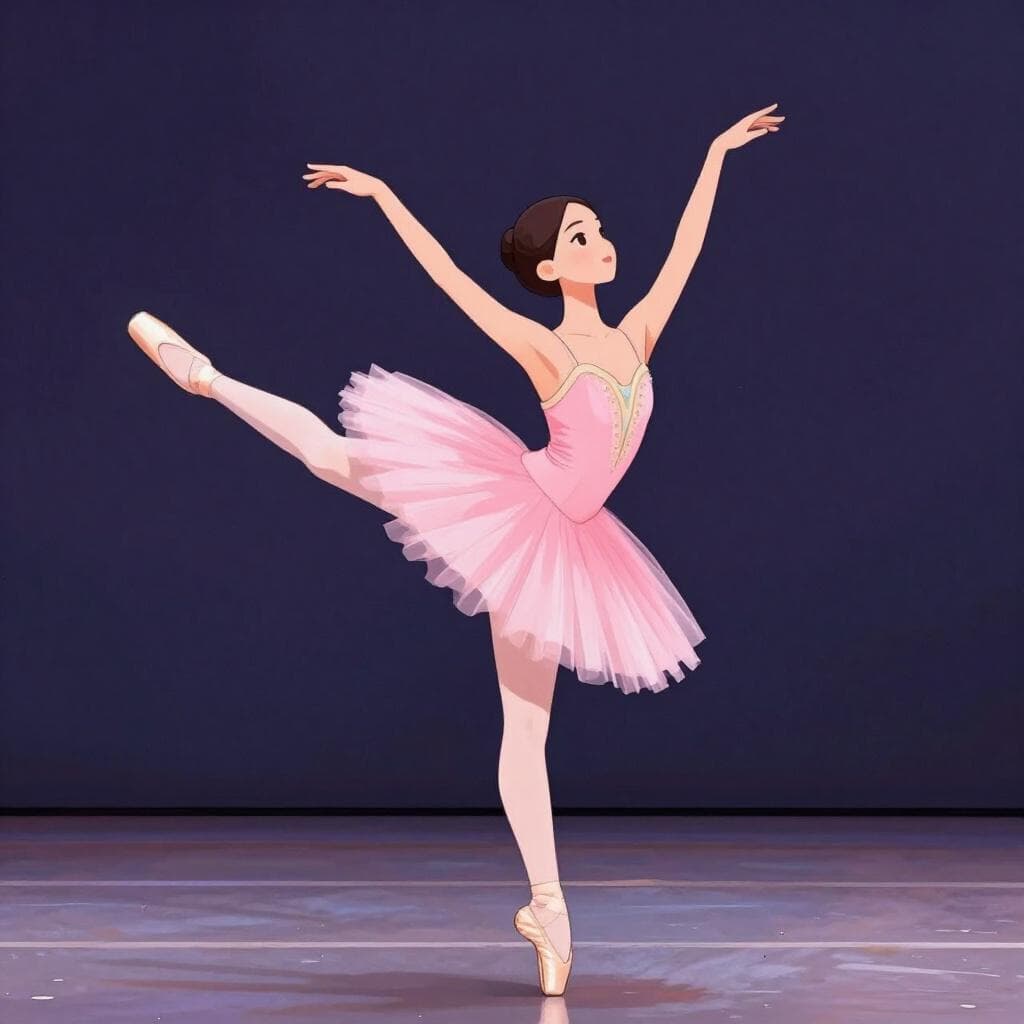
ballet
“Mi sobrina sueña con ser bailarina de ballet profesional.”
Grammar Tips
Verbs for Dancing
Spanish has two common verbs for 'to dance': 'bailar' and 'danzar'. 'Bailar' is more general and widely used for any kind of dancing. 'Danzar' is often more formal or poetic, sometimes referring to more artistic or ritualistic movements. Both are regular -ar verbs, conjugated like 'hablar'.
Nouns: Gender Matters
The nouns for dance also have gender. 'El baile' (the dance, the party) is masculine, while 'la danza' (the dance, as an art form) is feminine. Pay attention to the article ('el' or 'la') to know which word is being used. This is common for many Spanish nouns.
Specific Dance Styles
Words for specific dance styles like 'el flamenco', 'el tango', and 'el vals' are often borrowed directly into Spanish. Most of these are masculine nouns, so you'll use 'el' before them. Remember that 'ballet' is also a masculine noun: 'el ballet'.
Common Mistakes
Gender Agreement Error
Mistake: “Me gusta la flamenco.”
Correction: Me gusta el flamenco. — 'Flamenco' is a specific dance style and is a masculine noun in Spanish, requiring 'el' instead of 'la'.
Using the Wrong Verb
Mistake: “Ella danzar muy bien.”
Correction: Ella baila muy bien. — While 'danzar' exists, 'bailar' is the everyday verb for 'to dance'. 'Danzar' is usually reserved for more artistic or formal contexts.
Incorrect Noun Gender
Mistake: “La baile fue divertido.”
Correction: El baile fue divertido. — 'Baile' (referring to a dance event or a general dance) is a masculine noun, so it requires the masculine article 'el'.
Cultural Notes
Dance is Everywhere
In many Spanish-speaking cultures, dance is deeply integrated into social life, celebrations, and even daily interactions. It's common to see impromptu dancing at parties or family gatherings, not just in formal performance settings.
Regional Styles
From the passionate 'flamenco' of Andalusia, Spain, to the vibrant 'salsa' and 'cumbia' found across Latin America, each region has its own unique and beloved dance forms. Learning the vocabulary connects you to this rich diversity.