Party & Celebration Vocabulary in Spanish
Get ready to party in Spanish! This vocabulary set covers everything from birthday bashes to grand weddings, helping you talk about and understand all sorts of celebrations. Knowing these words will make socializing at fiestas much easier and more fun. You'll find that many celebration words are similar to English, but watch out for those tricky false friends!
Quick Reference
| Spanish | English | Example | Level |
|---|---|---|---|
actos | deeds | Sus actos de bondad fueron admirados por todos. | A2 |
adorno | decoration | Pusimos un adorno navideño en la puerta. | A2 |
aniversario | anniversary | Hoy celebramos nuestro décimo aniversario de boda. | A1 |
baile | dance | Me encanta el baile flamenco. | A1 |
barbacoa | barbecue | Limpiamos la barbacoa antes de cocinar las hamburguesas. | A1 |
boda | wedding | La boda es el sábado por la tarde. | A1 |
celebración | celebration | La celebración de su cumpleaños fue espectacular. | A1 |
celebrar | celebrate | Vamos a celebrar el cumpleaños de mi abuela el sábado. | A1 |
ceremonia | ceremony | La ceremonia de boda duró solo media hora. | A2 |
corona | crown | La reina lleva una corona de oro en las ceremonias importantes. | A2 |
cumpleaños | birthday | ¡Feliz cumpleaños! | A1 |
desfile | parade | El desfile de carrozas de carnaval fue espectacular. | A2 |
A1 — Beginner (17 words)

anniversary
“Hoy celebramos nuestro décimo aniversario de boda.”
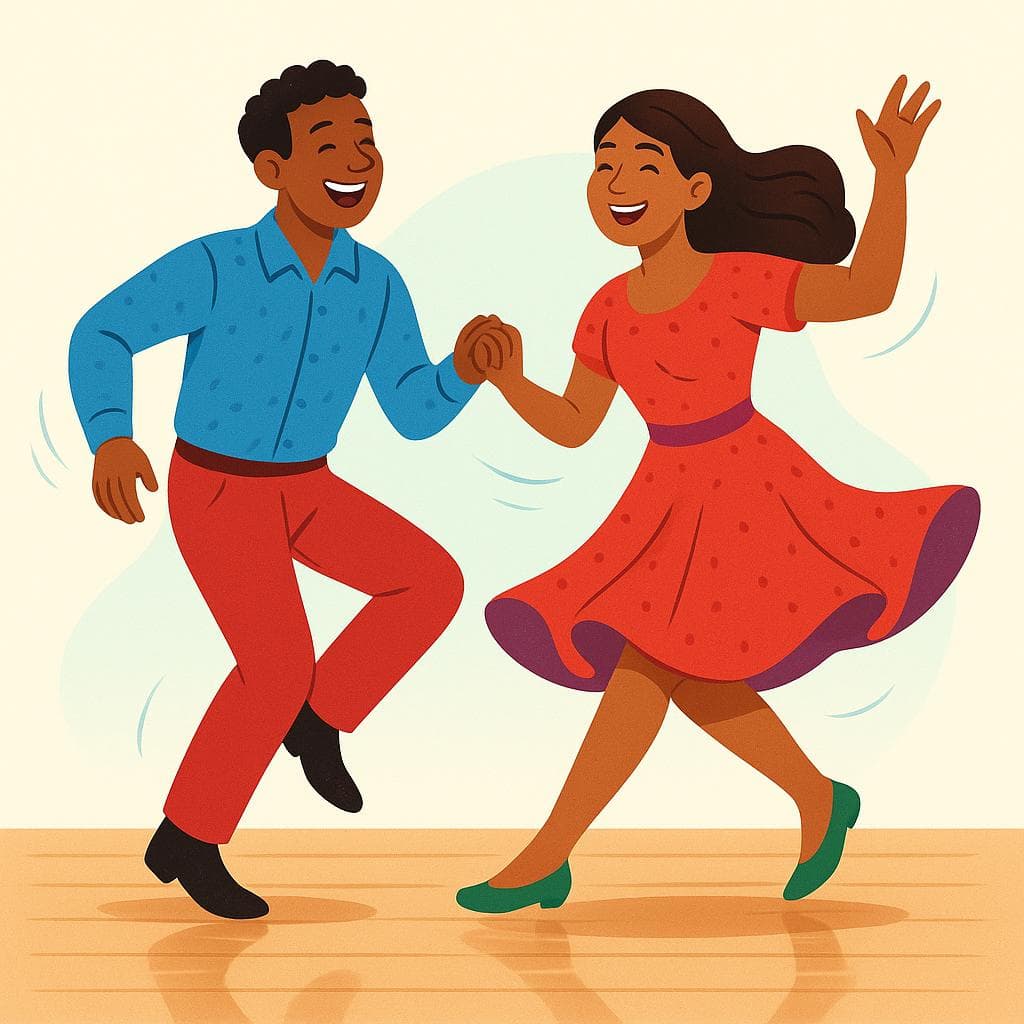
dance
“Me encanta el baile flamenco.”

barbecue
“Limpiamos la barbacoa antes de cocinar las hamburguesas.”
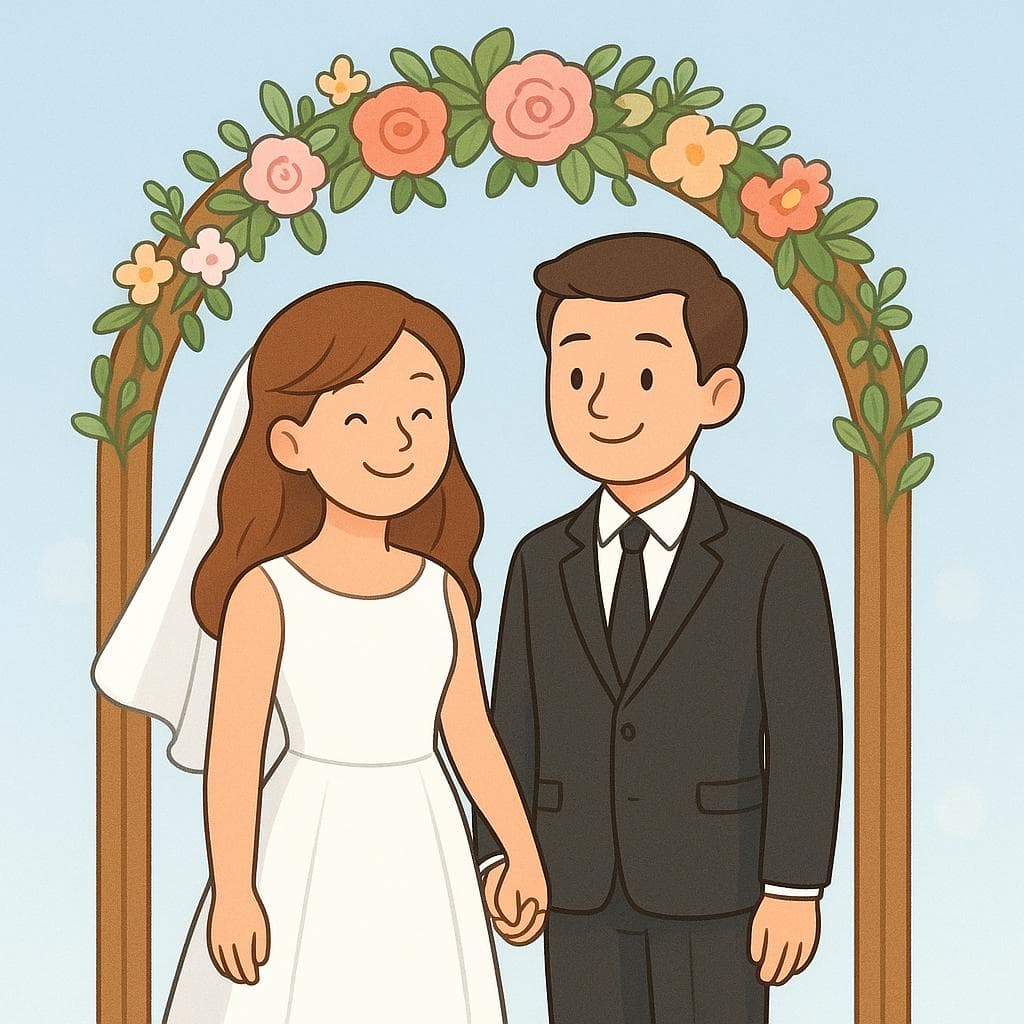
wedding
“La boda es el sábado por la tarde.”

celebration
“La celebración de su cumpleaños fue espectacular.”

celebrate
“Vamos a celebrar el cumpleaños de mi abuela el sábado.”
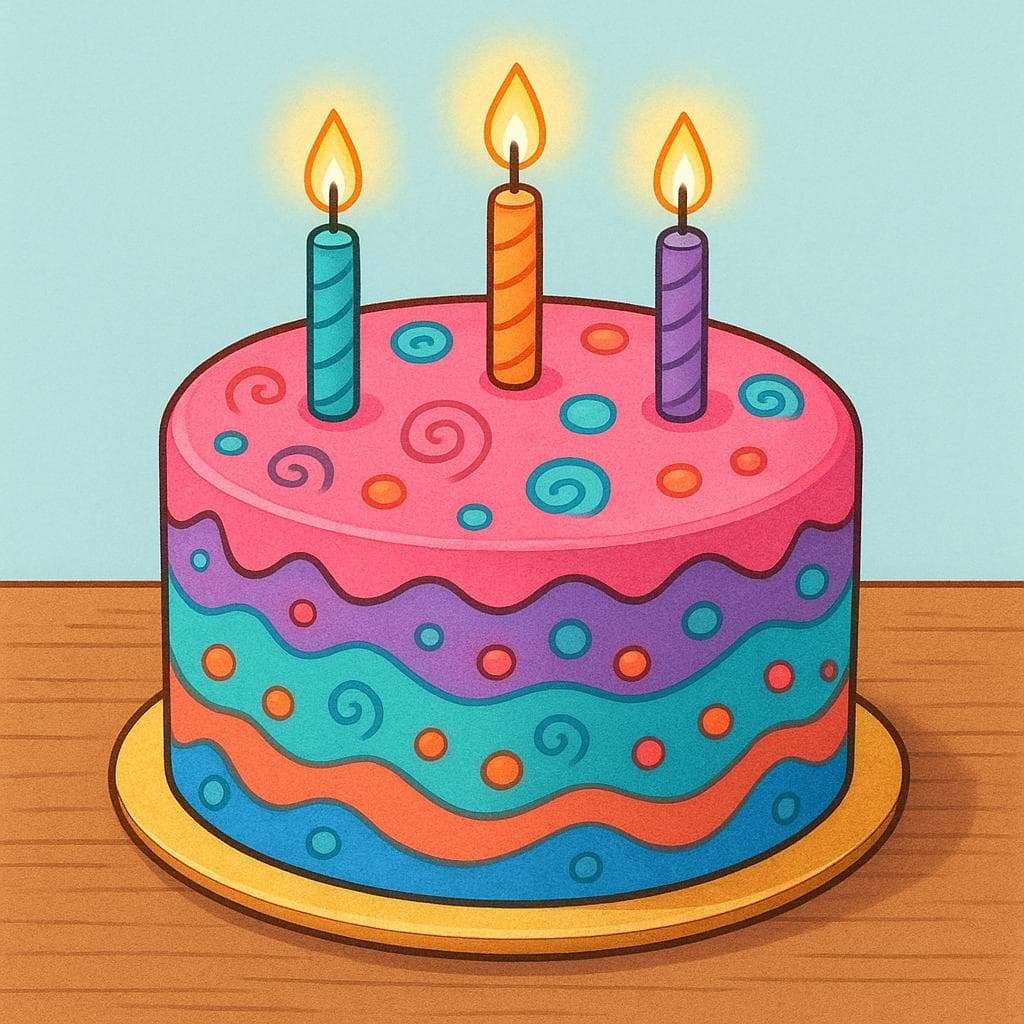
birthday
“¡Feliz cumpleaños!”
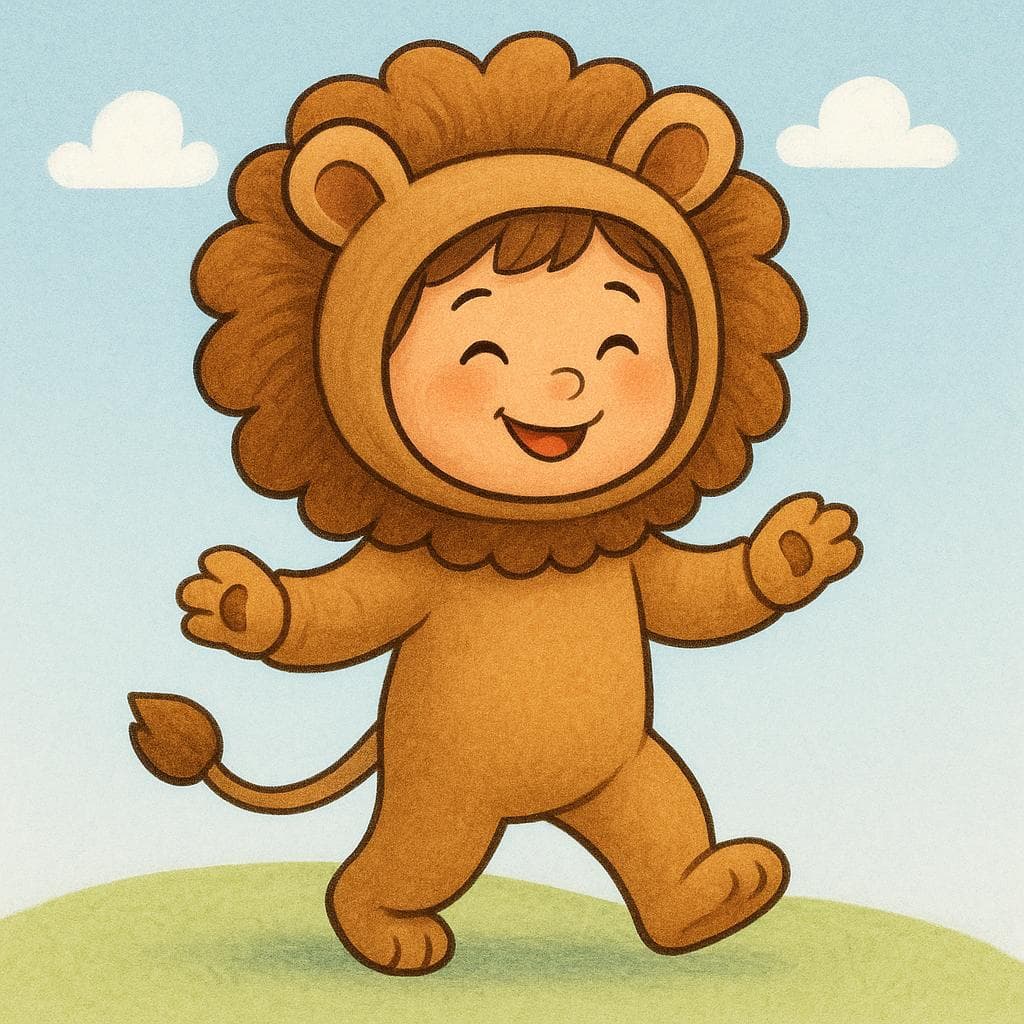
costume
“Mi hermana se puso un disfraz de hada para la fiesta de cumpleaños.”
event
“El evento de recaudación de fondos fue un éxito total.”

congratulations
“¡Felicidades por tu nuevo trabajo!”

congratulations
“¡Felicitaciones! Sabía que ganarías el premio.”
party
“Mi hermano organiza una fiesta para su cumpleaños.”

invitation
“Necesito enviar las invitaciones antes del viernes.”
guest
“Cada invitado recibió un pequeño recuerdo de la fiesta.”
Christmas
“¡Feliz Navidad!”
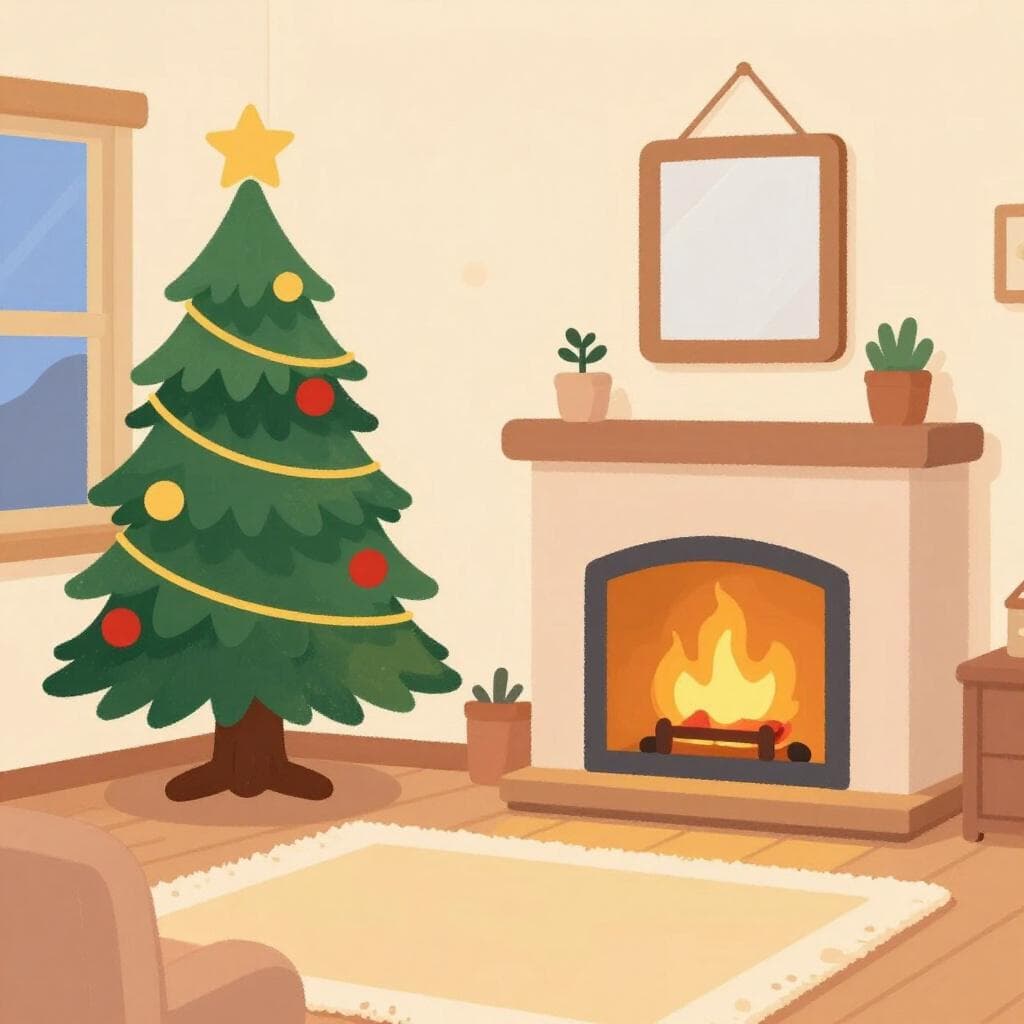
Christmassy
“Me encanta el espíritu navideño de esta ciudad.”
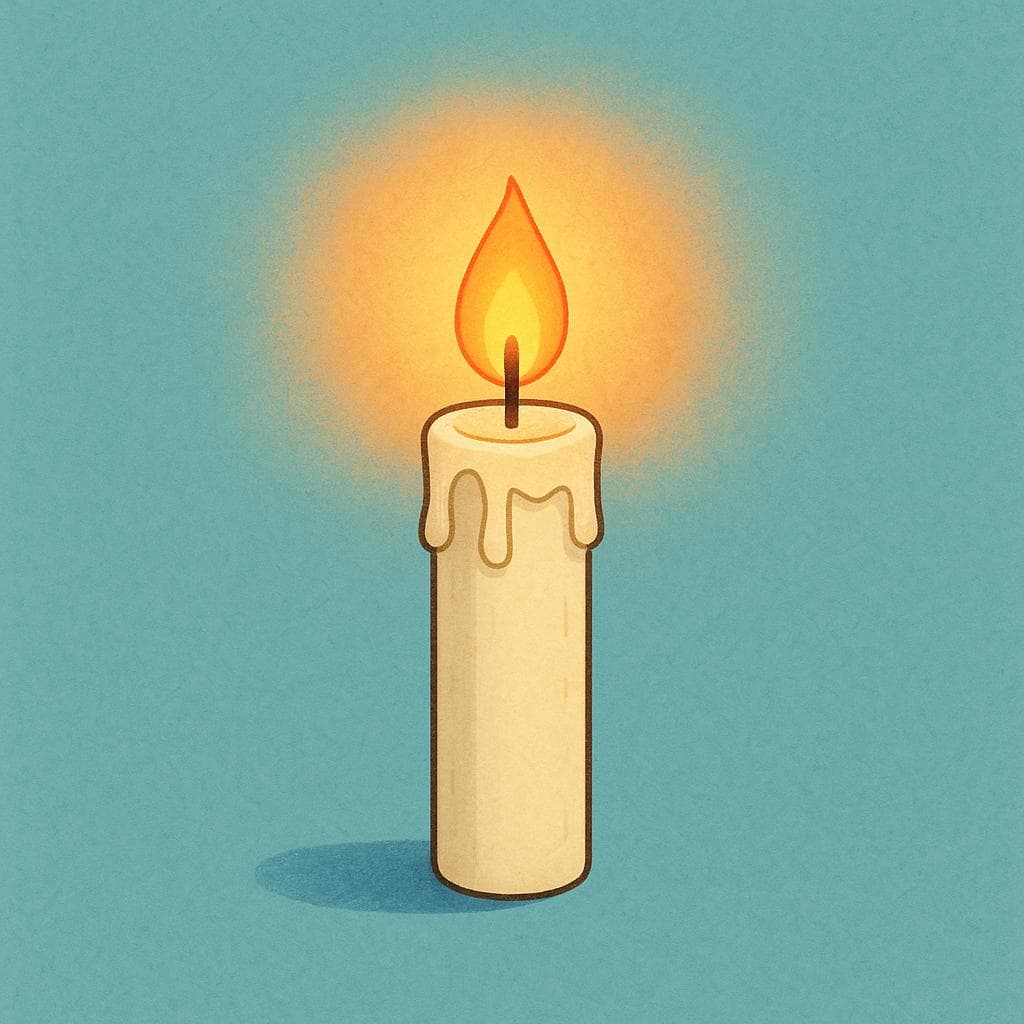
candle
“En la oscuridad, encendimos una vela para ver.”
A2 — Elementary (18 words)
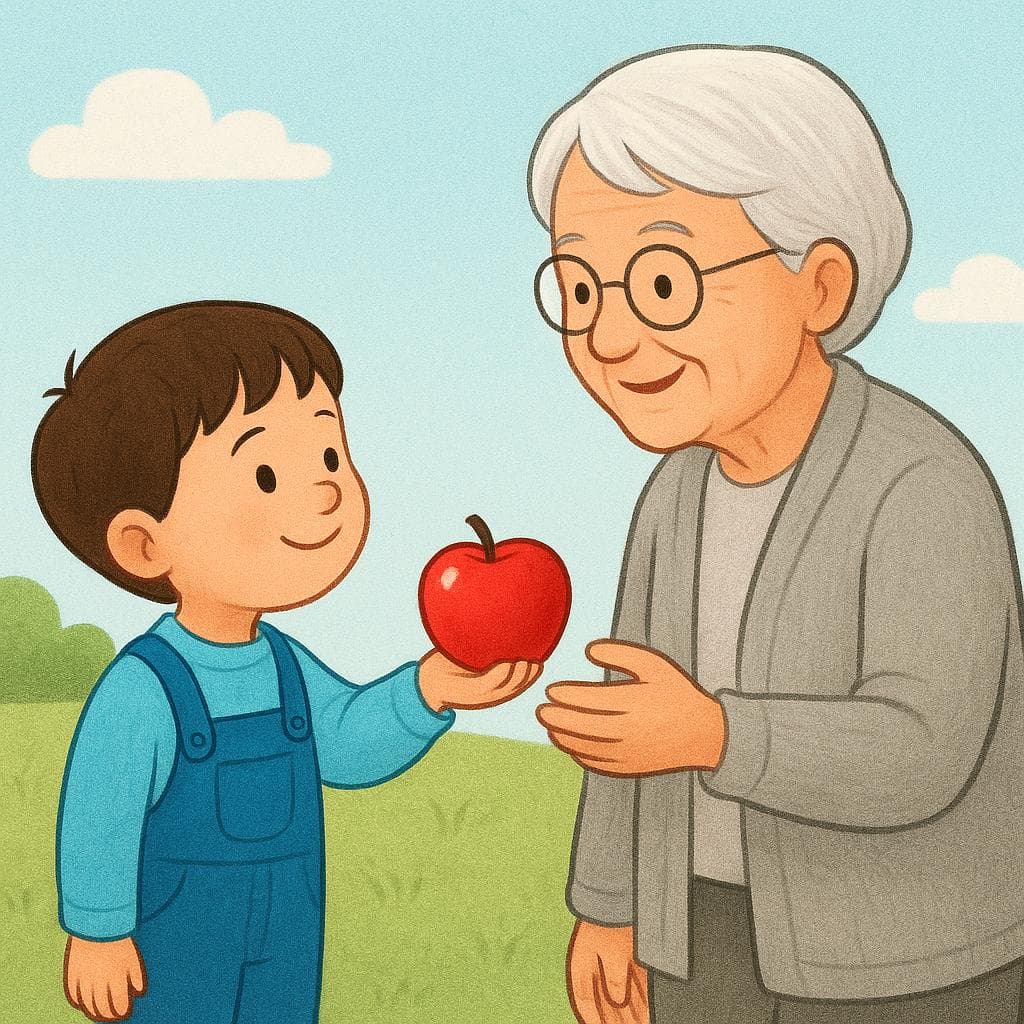
deeds
“Sus actos de bondad fueron admirados por todos.”
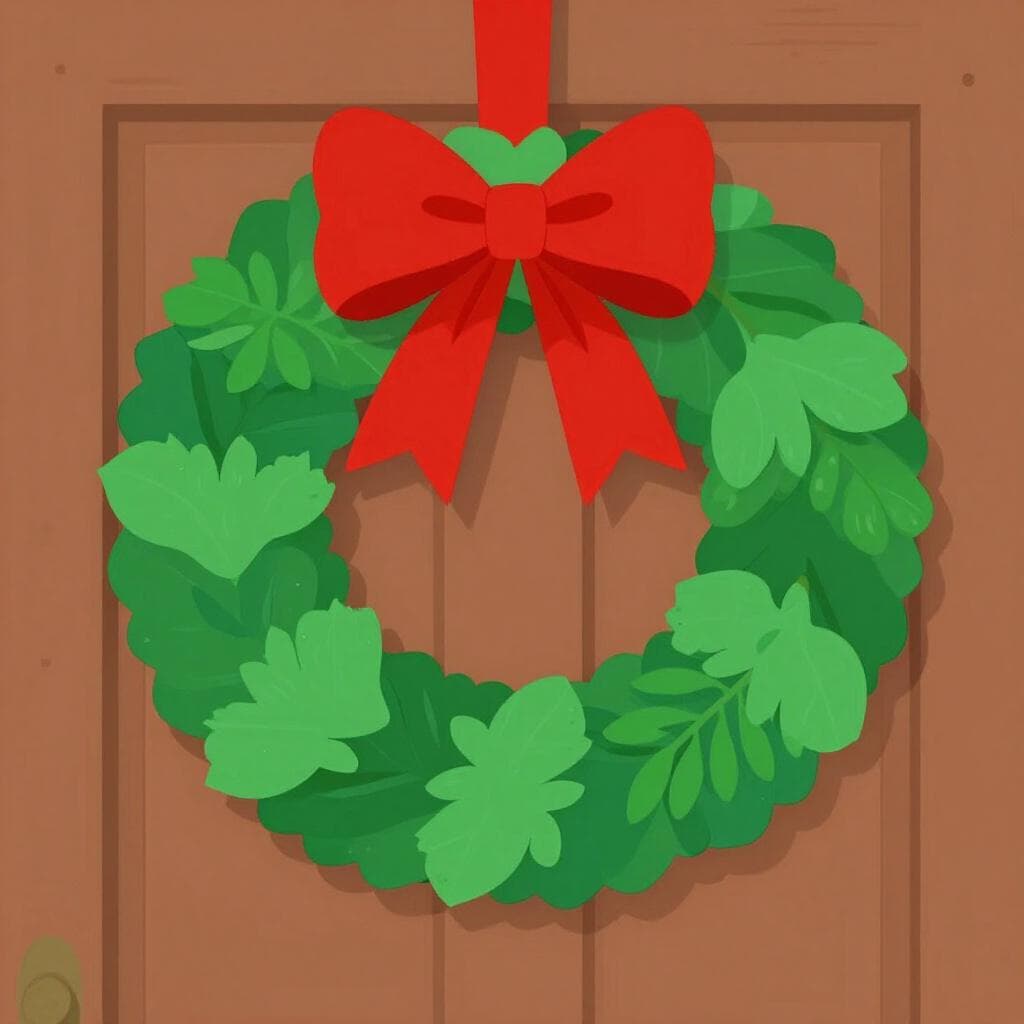
decoration
“Pusimos un adorno navideño en la puerta.”

ceremony
“La ceremonia de boda duró solo media hora.”
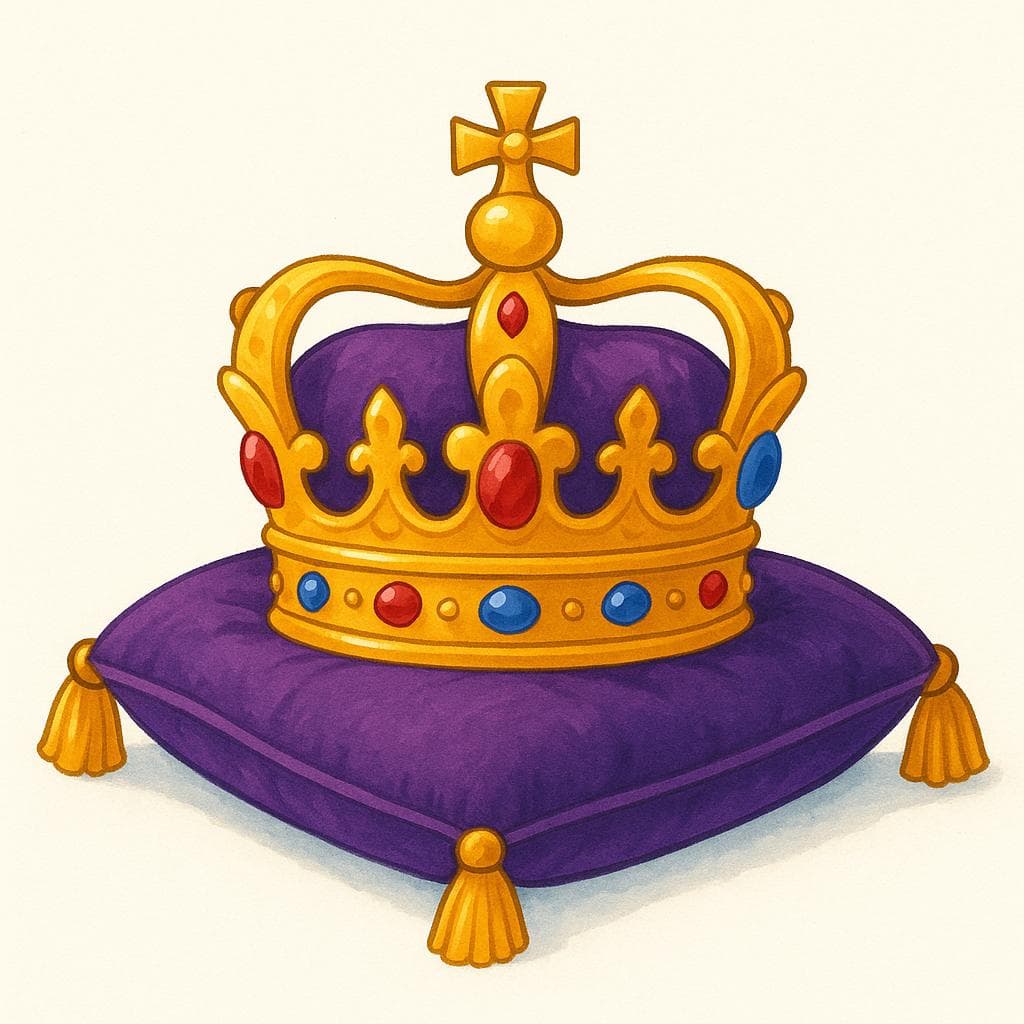
crown
“La reina lleva una corona de oro en las ceremonias importantes.”
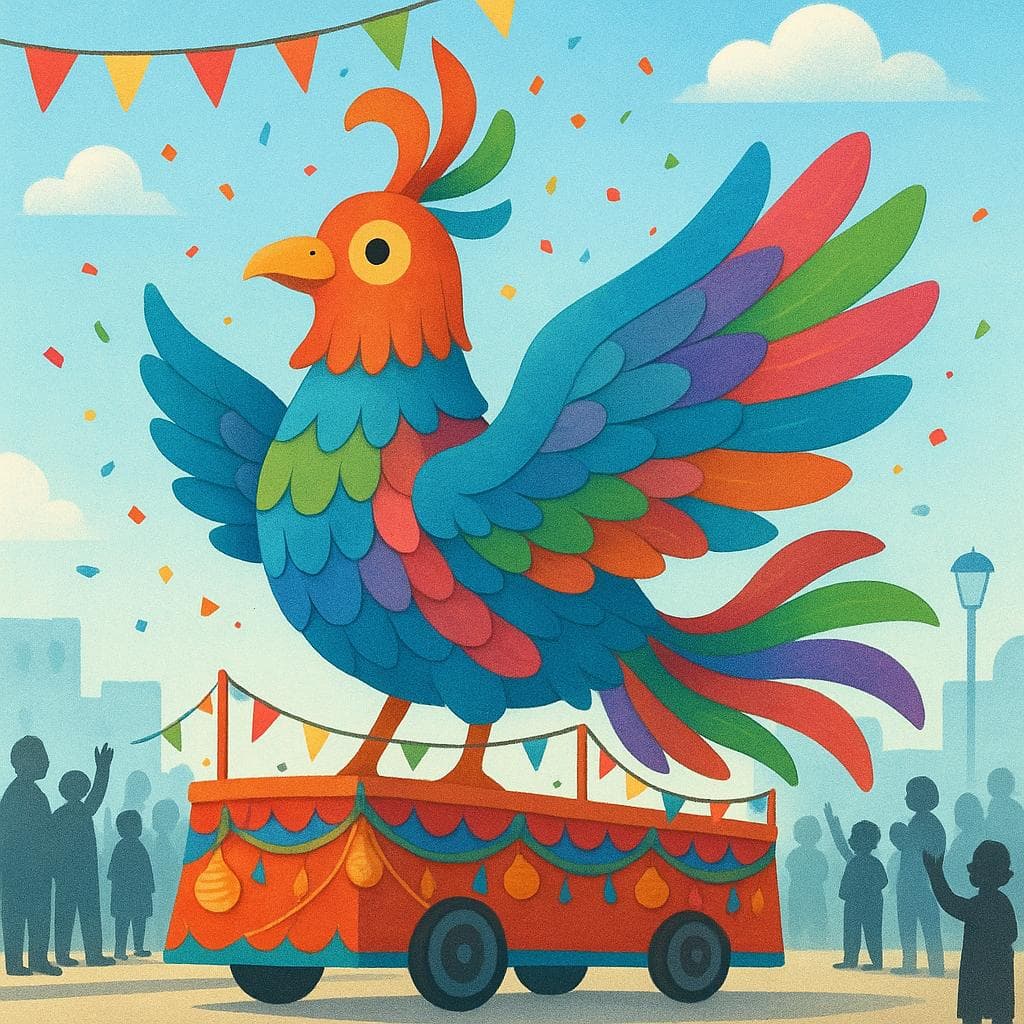
parade
“El desfile de carrozas de carnaval fue espectacular.”

farewell
“Nuestra despedida fue muy emotiva en el aeropuerto.”
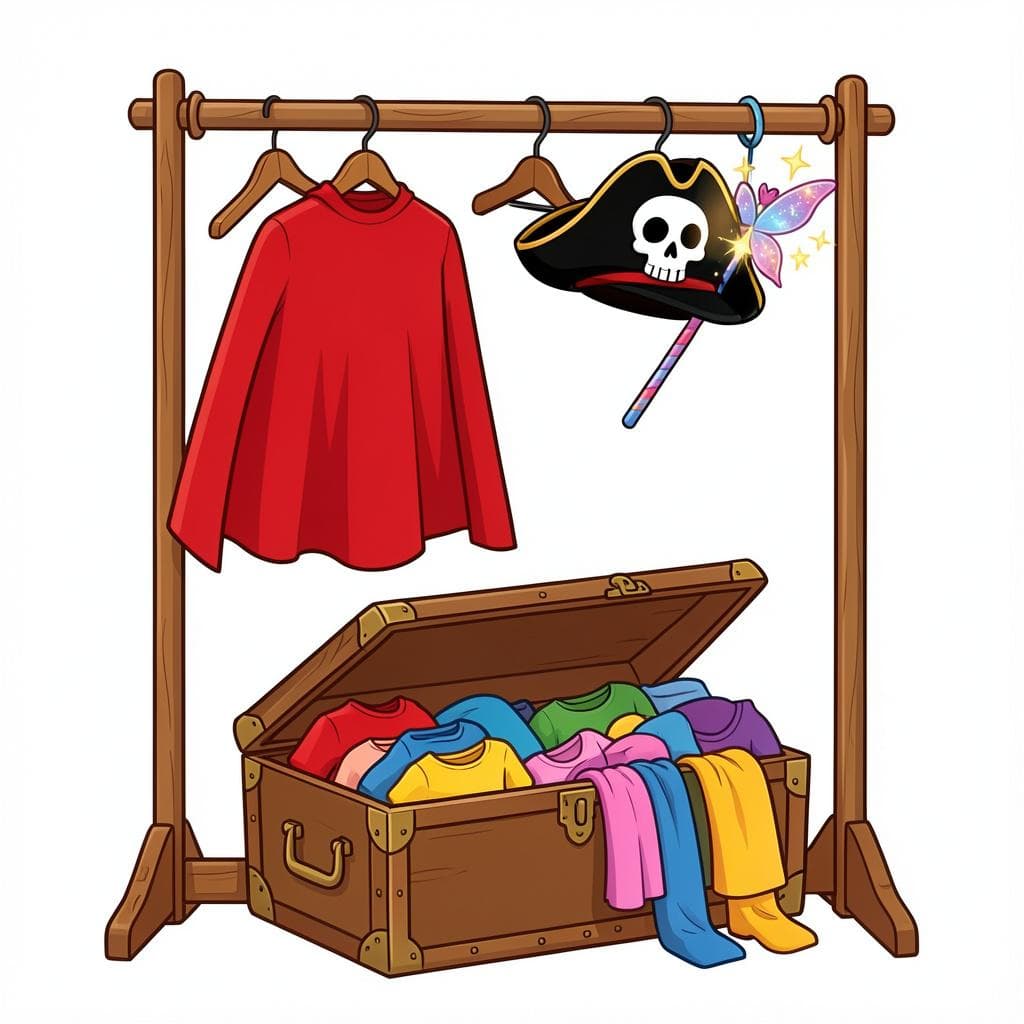
costumes
“Me encantan tus disfraces de superhéroes.”

to congratulate
“Vine para felicitarte por tu nuevo bebé.”
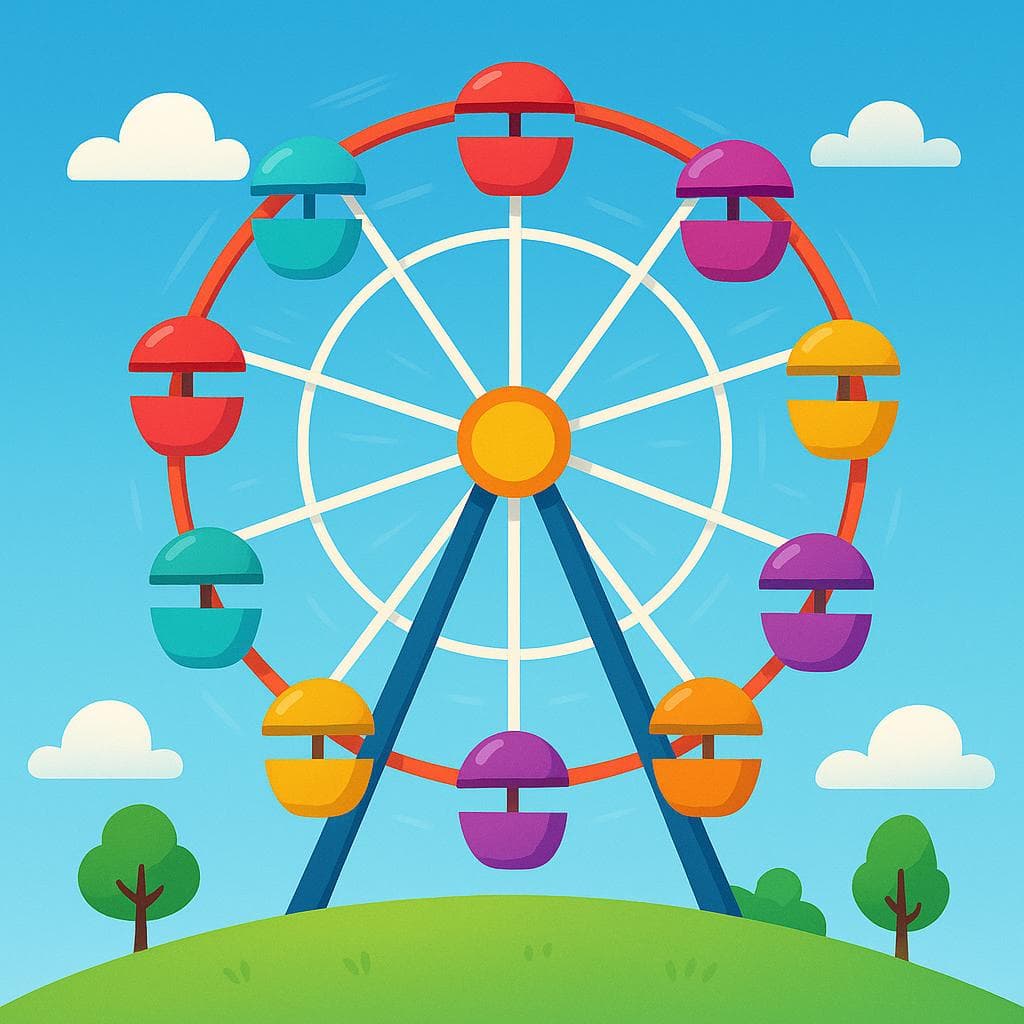
fair
“Todos los años vamos a la feria del pueblo en agosto.”

festive
“Llevaba un vestido muy festivo para la ocasión.”
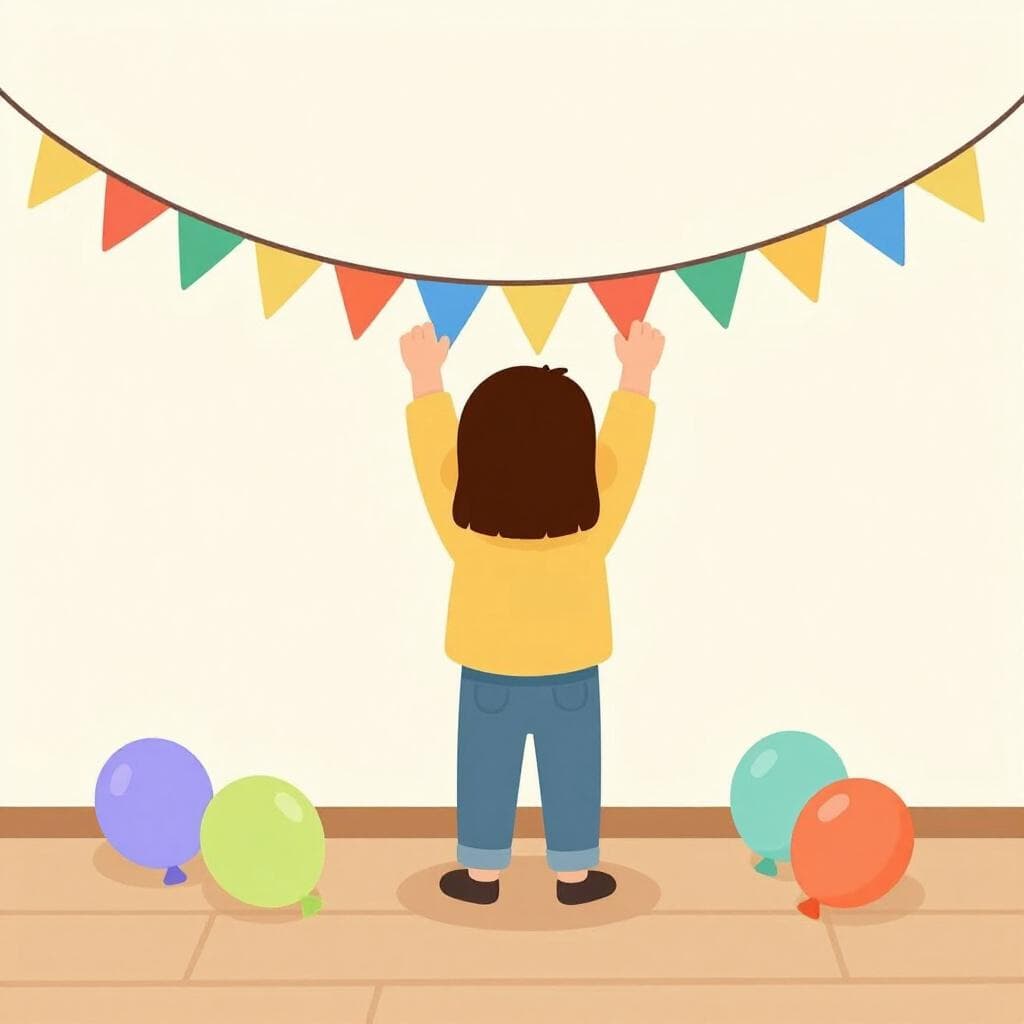
to decorate
“Queremos adornar la casa para la fiesta de mañana.”
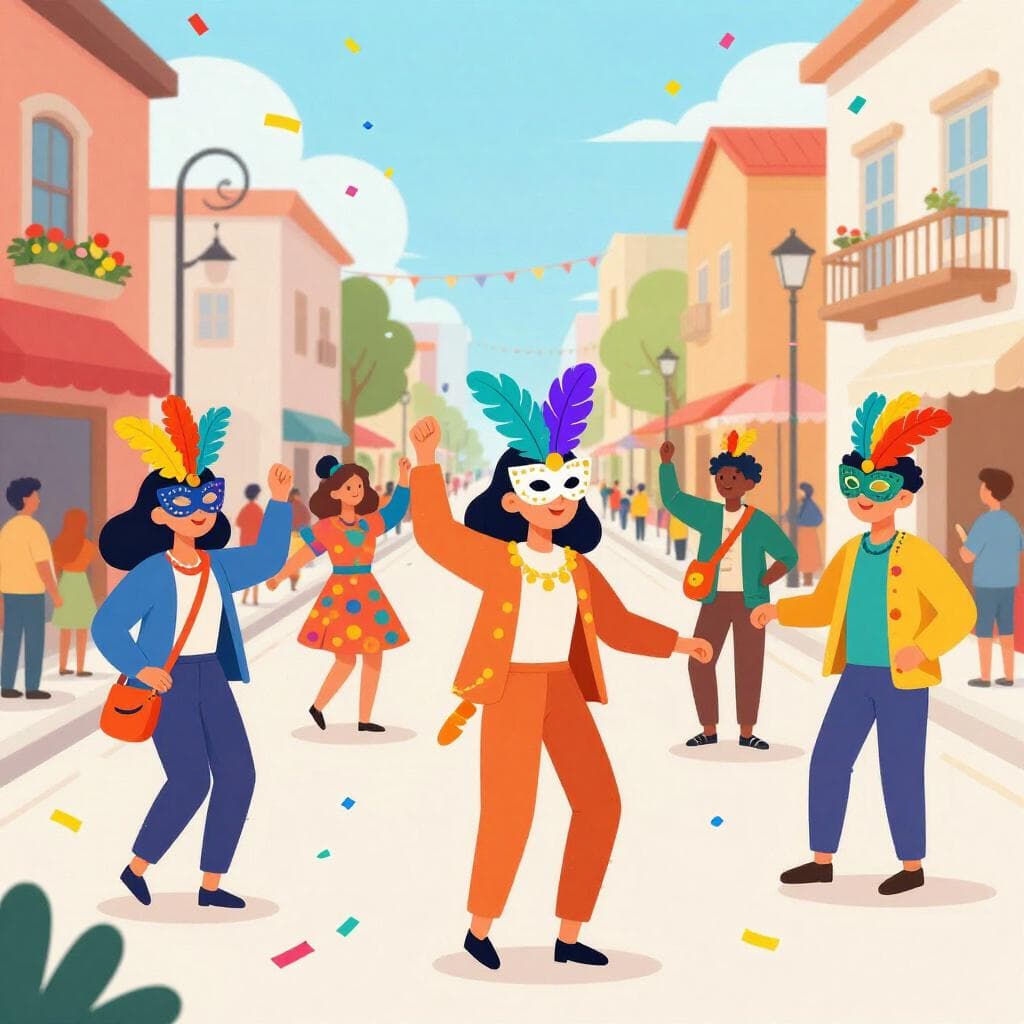
carnival
“El carnaval de Río de Janeiro es el más grande del mundo.”
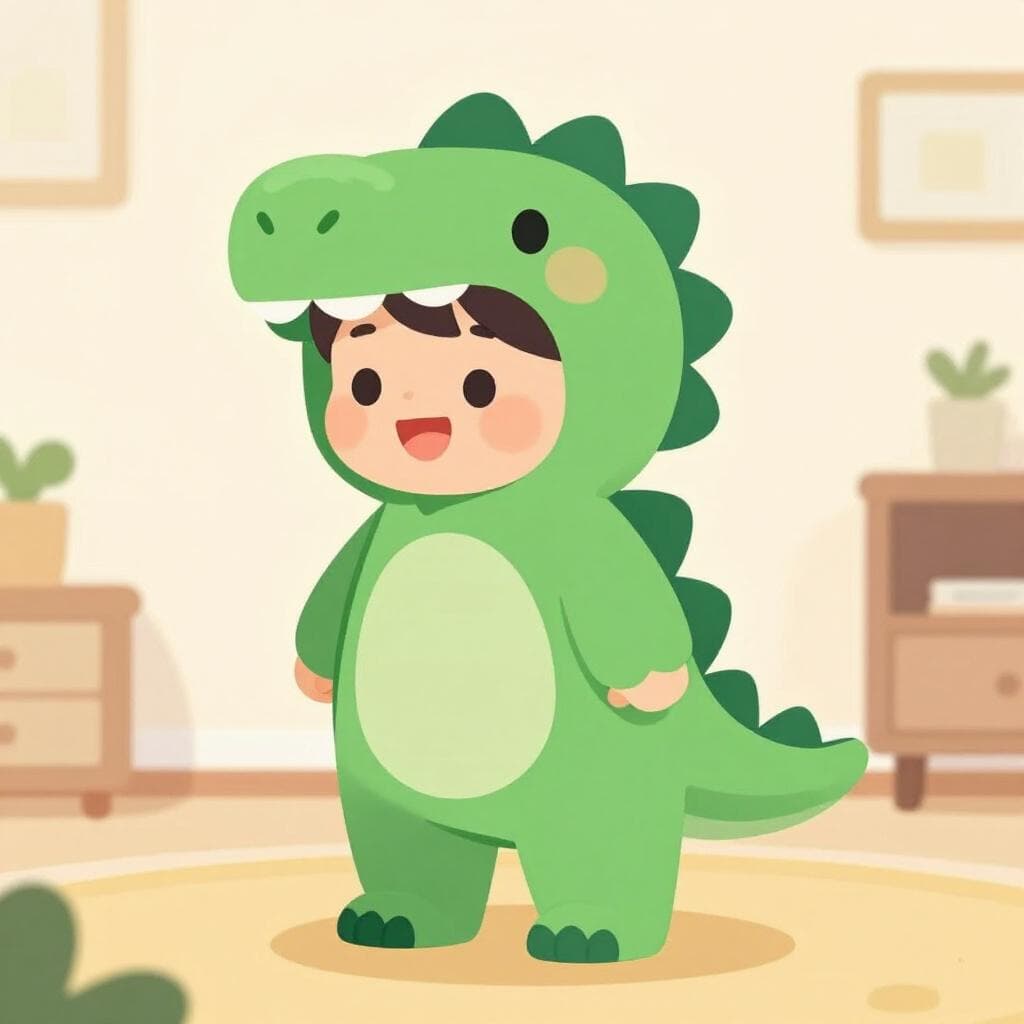
dressed up
“El niño está disfrazado de superhéroe.”
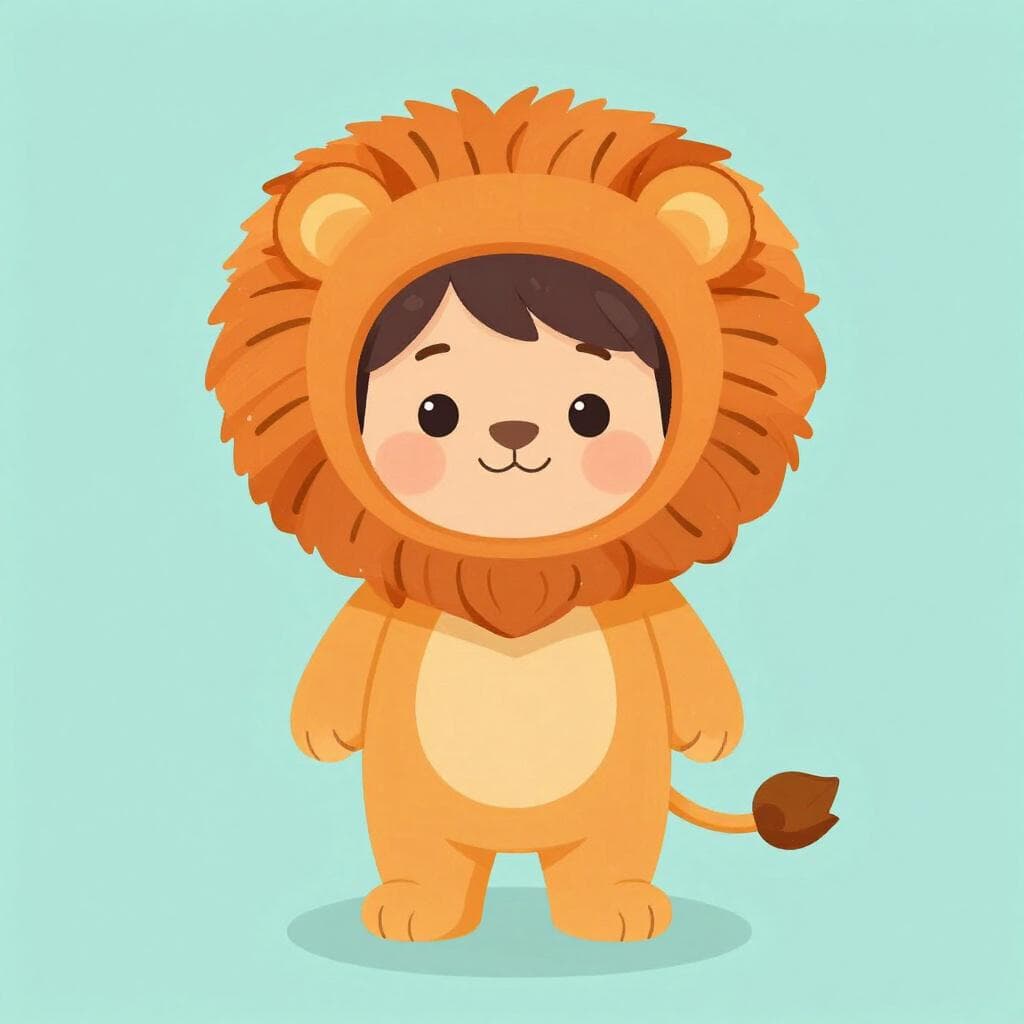
to dress up
“Voy a disfrazar a mi perro de dinosaurio.”

to celebrate
“Mañana vamos a festejar mi cumpleaños en un restaurante.”
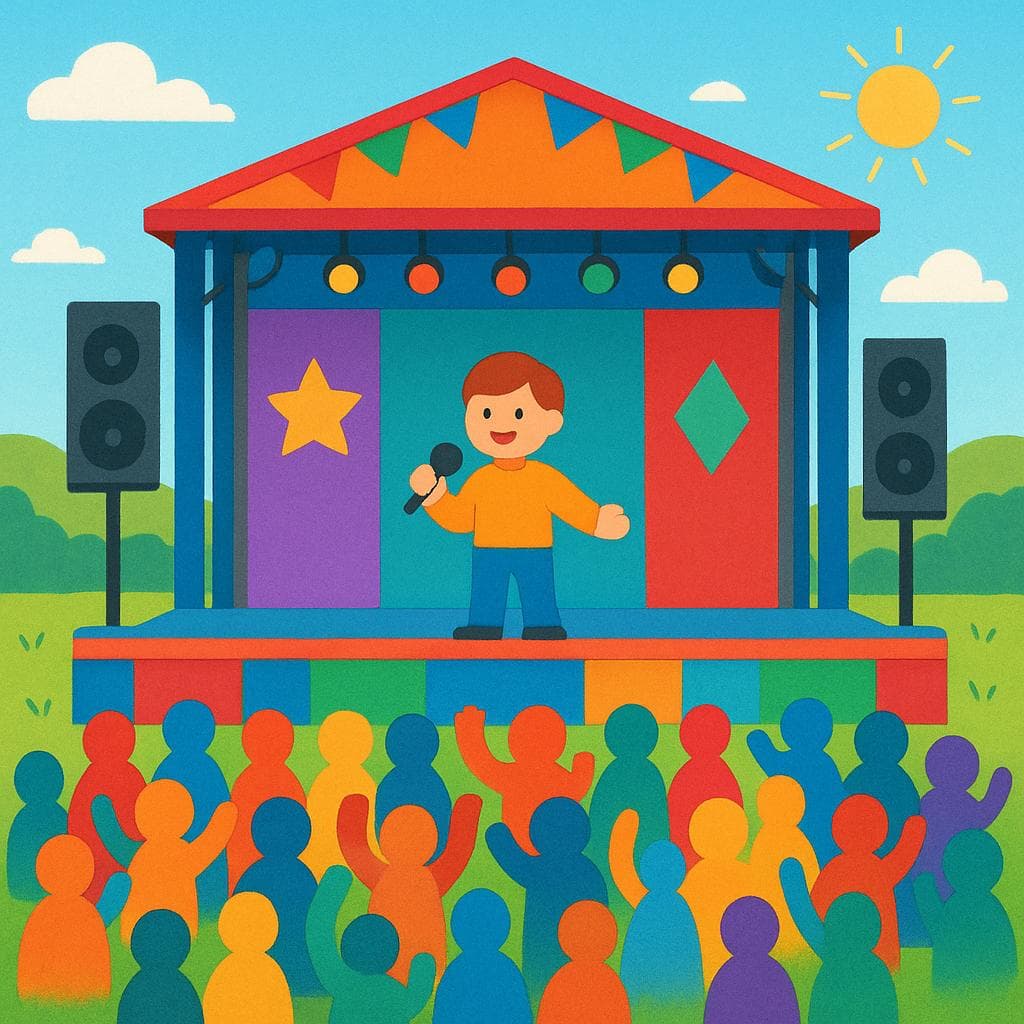
festival
“El festival de cine de San Sebastián es muy famoso.”
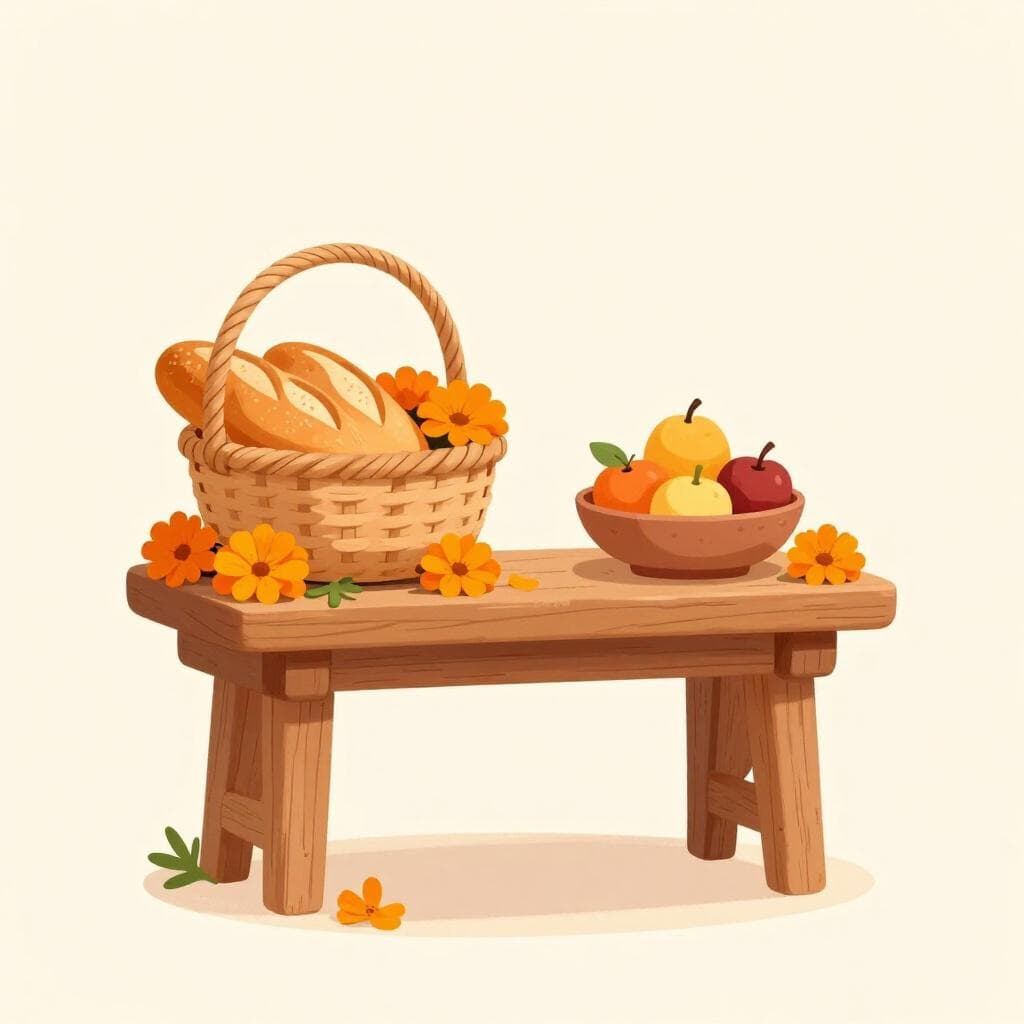
offering
“Pusimos una ofrenda con fotos de mis abuelos.”

inn
“Buscamos una posada para pasar la noche.”
B1 — Intermediate (8 words)
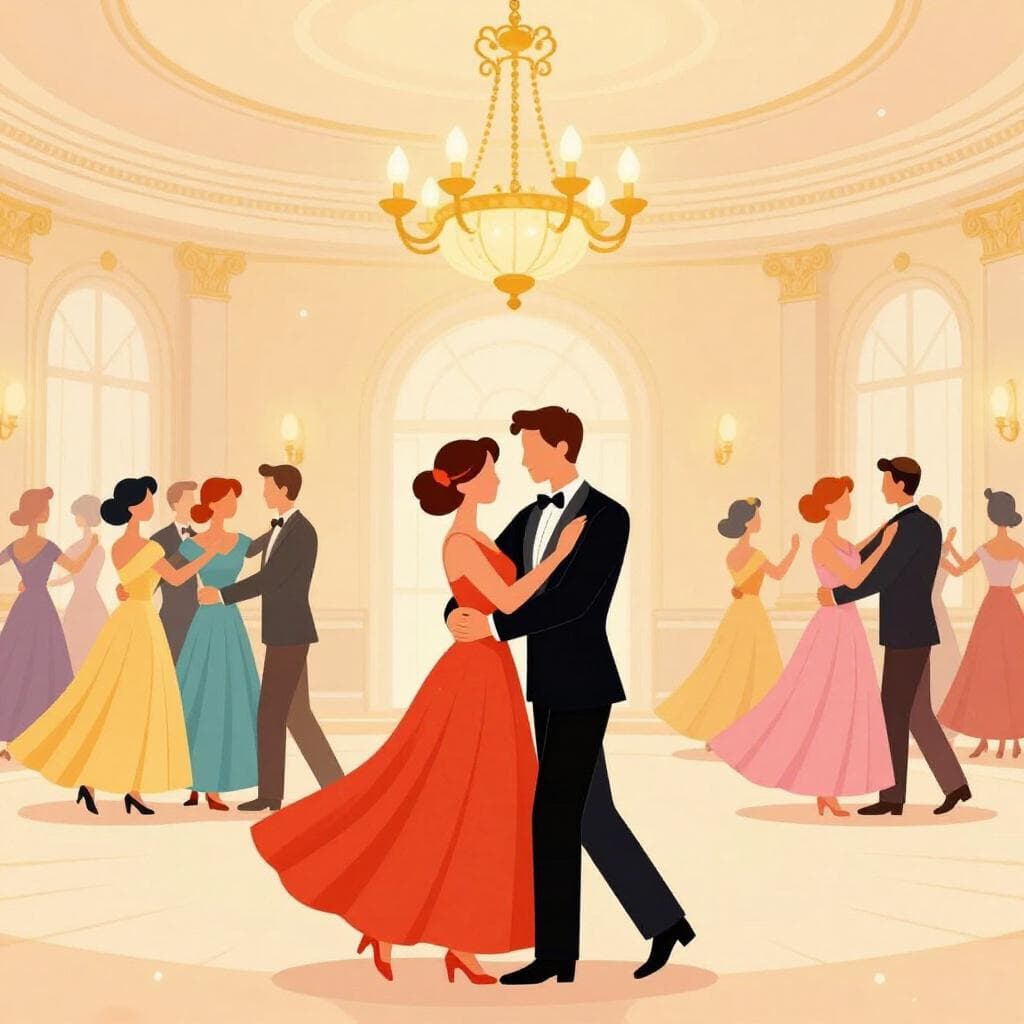
gala
“Asistieron a una gala benéfica para ayudar a los niños.”

graduation
“Mi hermana tendrá su graduación de la universidad el sábado.”
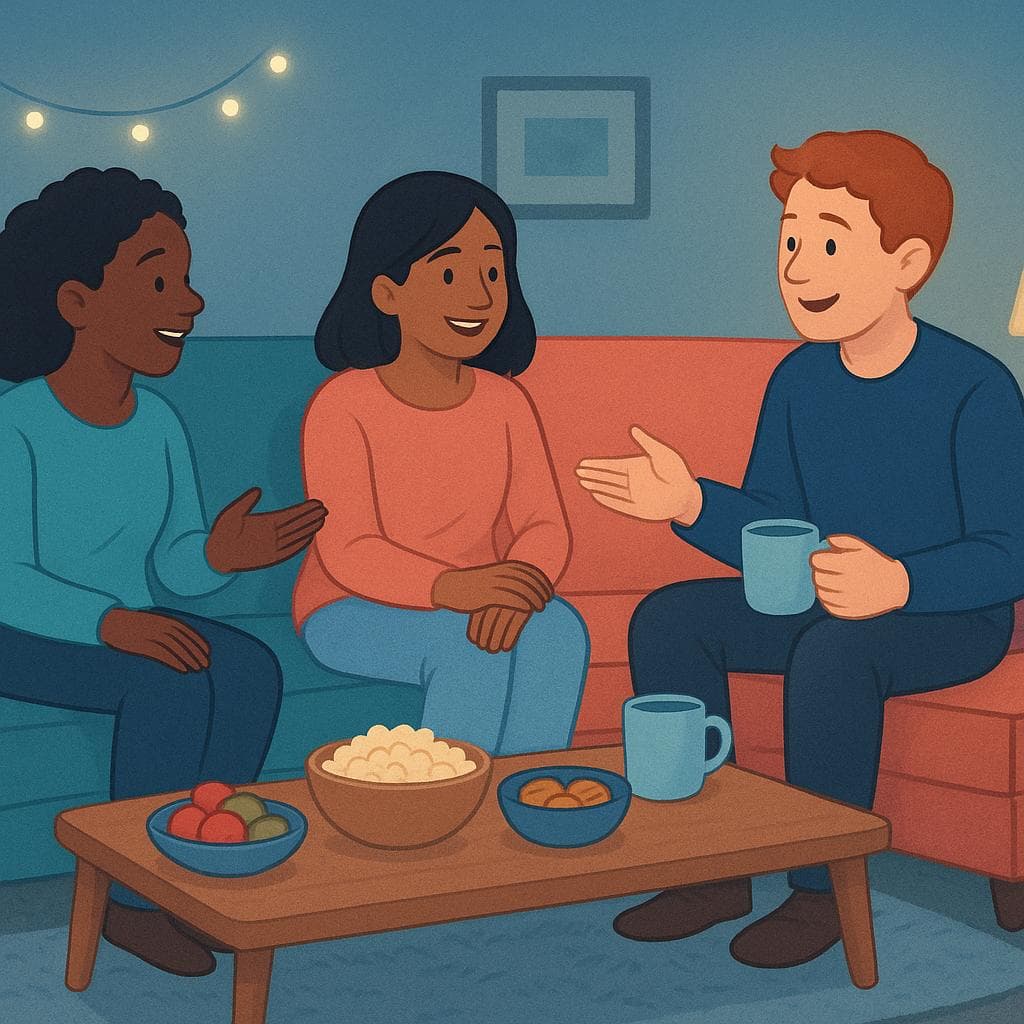
evening gathering
“Organizaron una velada musical con un pianista local.”
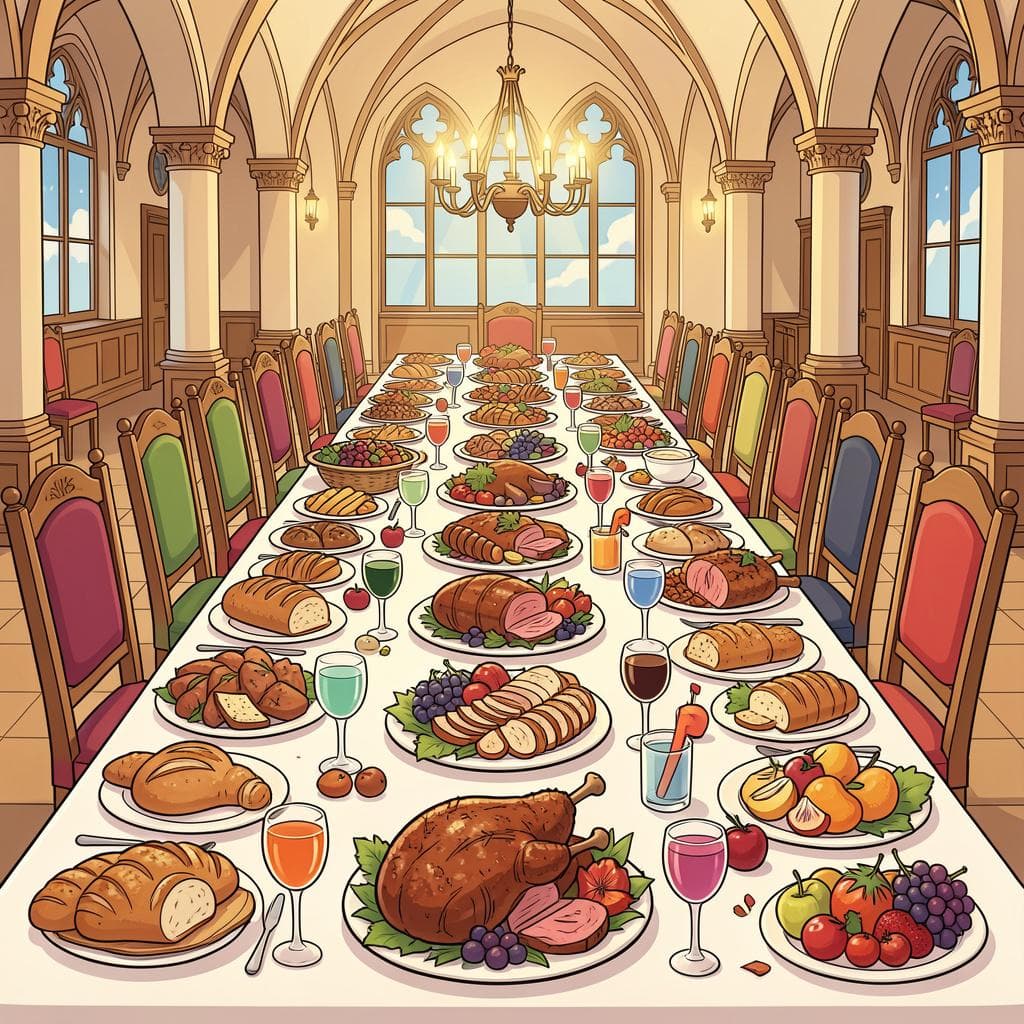
banquet
“El banquete de la boda fue espectacular.”
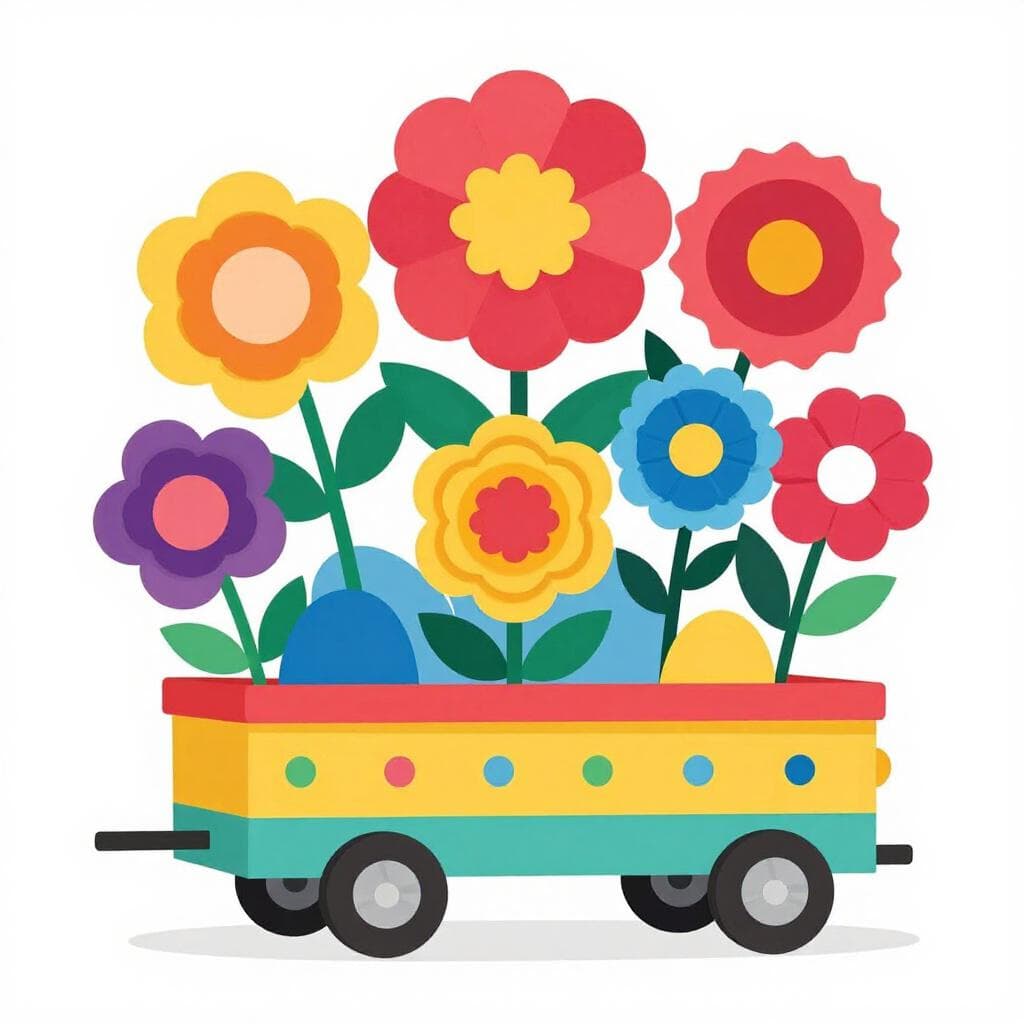
float
“La carroza de la reina estaba decorada con miles de flores.”

wedding
“Fuimos al casamiento de mi primo el sábado pasado.”

celebration
“El festejo de su cumpleaños duró hasta la madrugada.”

valentine
“Le compré un valentín muy bonito a mi novia.”
Grammar Tips
Gender Agreement for Decorations
Many words related to party decorations have gender. For example, 'el adorno' (decoration) is masculine, while 'la guirnalda' (garland) is feminine. Make sure your adjectives match the noun's gender, like 'un adorno bonito' (a pretty decoration) or 'una guirnalda bonita' (a pretty garland).
Pluralizing Party Events
When talking about multiple parties or events, remember the standard Spanish plural rule: add -s to words ending in a vowel and -es to words ending in a consonant. So, 'la fiesta' (the party) becomes 'las fiestas' (the parties), and 'el evento' (the event) becomes 'los eventos' (the events).
Verbs for Celebrating
The core verbs 'celebrar' (to celebrate) and 'festejar' (to celebrate/party) are essential. They conjugate like regular -ar verbs. For instance, 'Nosotros celebramos' (We celebrate) and 'Ellos festejan' (They celebrate).
Common Mistakes
Adjective Placement
Mistake: “La feliz boda fue divertida.”
Correction: La boda feliz fue divertida. OR La feliz boda fue divertida. (While 'feliz' can sometimes precede the noun for emphasis, generally descriptive adjectives like 'happy' follow the noun. 'Feliz' before the noun can sound poetic or emphasize the inherent happiness.)
Confusing 'Decorations'
Mistake: “Pusimos muchos adornos en la casa.”
Correction: Pusimos muchos adornos en la casa. (This is correct, but learners sometimes use 'decoraciones' which is also valid but 'adornos' is more common for physical items like balloons and streamers.)
Pluralizing 'Carnaval'
Mistake: “Los carnavales son muy coloridos.”
Correction: El carnaval es muy colorido. (While 'carnavales' can refer to multiple carnival events in different places or years, the singular 'el carnaval' usually refers to the singular event/season itself, and adjectives should agree. If referring to multiple distinct celebrations, 'Los carnavales' is acceptable, but often the singular is used generically.)
Cultural Notes
Fiesta Culture
In many Spanish-speaking countries, 'fiesta' means more than just a party; it can refer to a holiday, a festival, or even a religious observance. Expect celebrations to often go late into the night!
Weddings: A Big Deal
Weddings ('bodas' or 'casamientos') are major events in Hispanic cultures, often involving large extended families and elaborate traditions. The celebration can last for days, not just hours.