Seasons & Holidays in Spanish
Let's dive into the Spanish words for seasons and holidays! Knowing these will help you plan vacations, chat about the weather, and understand cultural celebrations. It's super useful for everyday conversations and travel. Interestingly, while English often uses 'season' for both weather and specific times of year, Spanish uses 'temporada' more for specific periods like a 'tourist season' or 'sports season,' while 'estación' is usually for weather seasons.
Quick Reference
| Spanish | English | Example | Level |
|---|---|---|---|
estación | season | Mi estación favorita es la primavera. | A1 |
festivo | festive | Llevaba un vestido muy festivo para la ocasión. | A2 |
fiestas | parties | Siempre hacemos muchas fiestas en el verano. | A1 |
invierno | winter | El invierno en Madrid es soleado, pero muy frío. | A1 |
navidad | Christmas | ¡Feliz Navidad! | A1 |
navideño | Christmassy | Me encanta el espíritu navideño de esta ciudad. | A1 |
otoño | autumn | Mi estación favorita es el otoño porque me encanta ver las hojas cambiar de color. | A1 |
pascua | Easter | Comemos huevos de chocolate en Pascua. | A2 |
primavera | spring | Mi estación favorita es la primavera porque todo florece. | A1 |
temporada | season | La próxima temporada de fútbol comienza en agosto. | A2 |
verano | summer | ¿Qué planes tienes para el verano? | A1 |
carnaval | carnival | El carnaval de Río de Janeiro es el más grande del mundo. | A2 |
A1 — Beginner (8 words)

season
“Mi estación favorita es la primavera.”

parties
“Siempre hacemos muchas fiestas en el verano.”
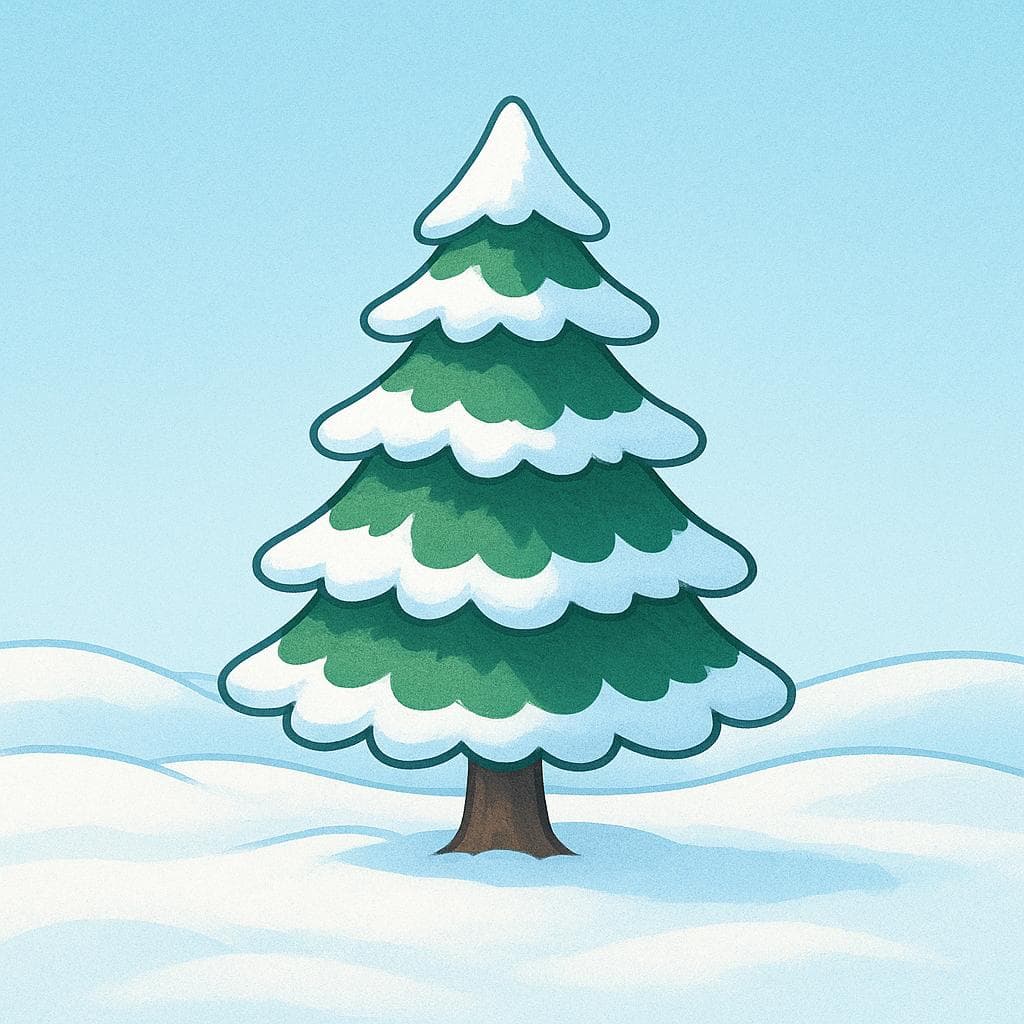
winter
“El invierno en Madrid es soleado, pero muy frío.”
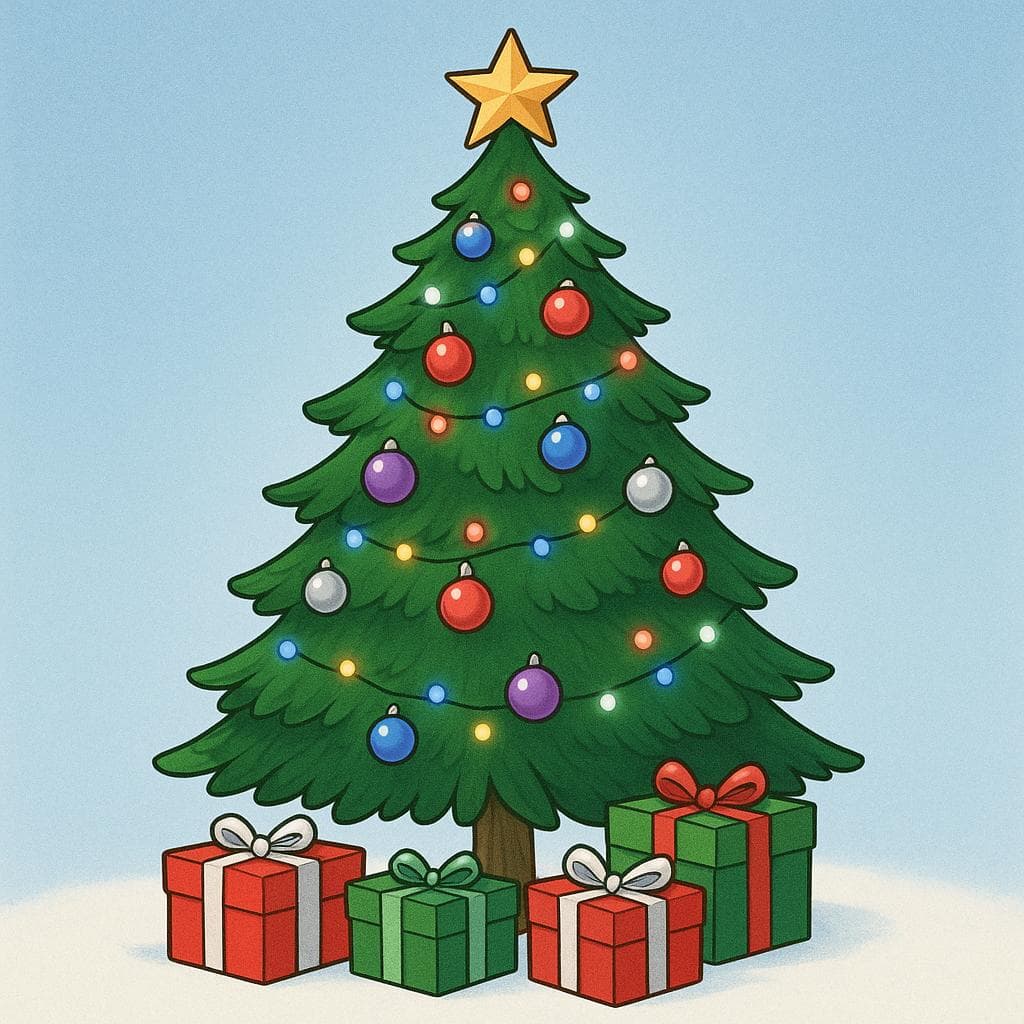
Christmas
“¡Feliz Navidad!”
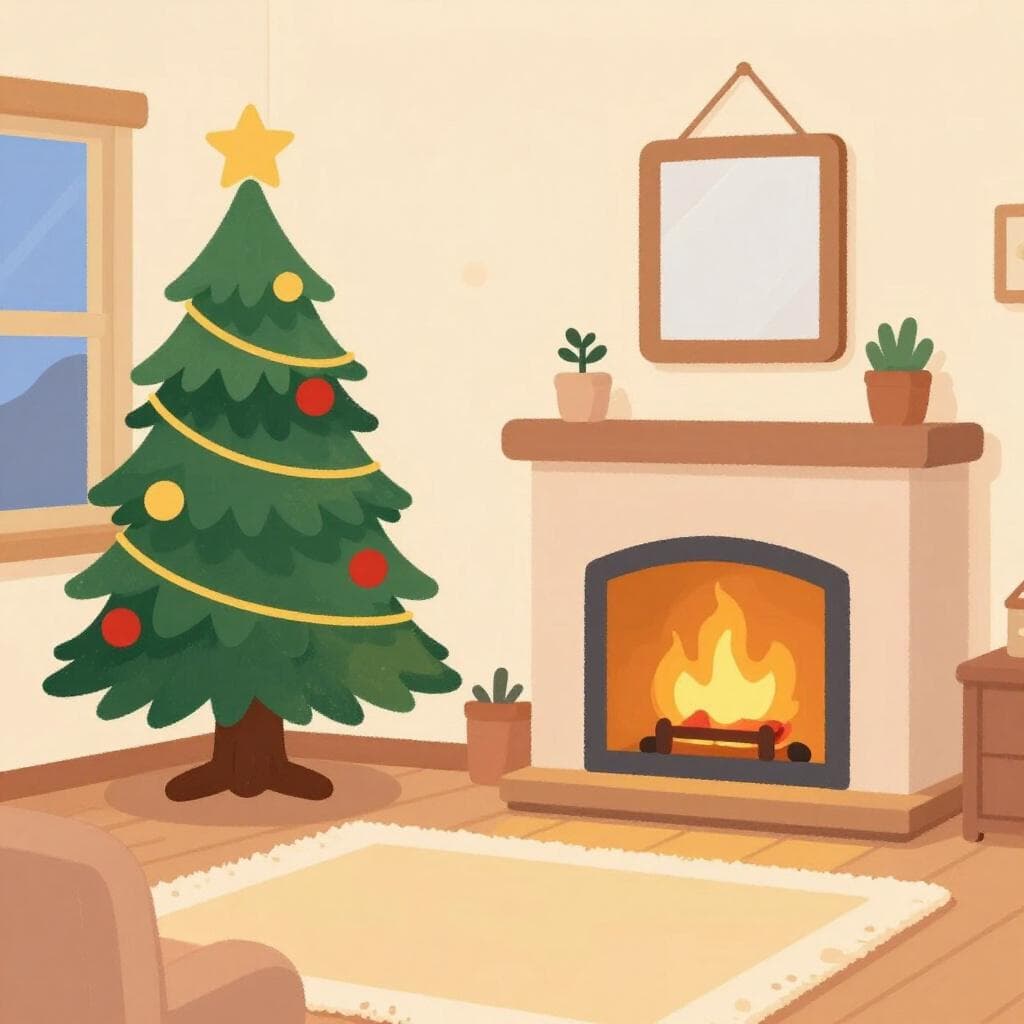
Christmassy
“Me encanta el espíritu navideño de esta ciudad.”
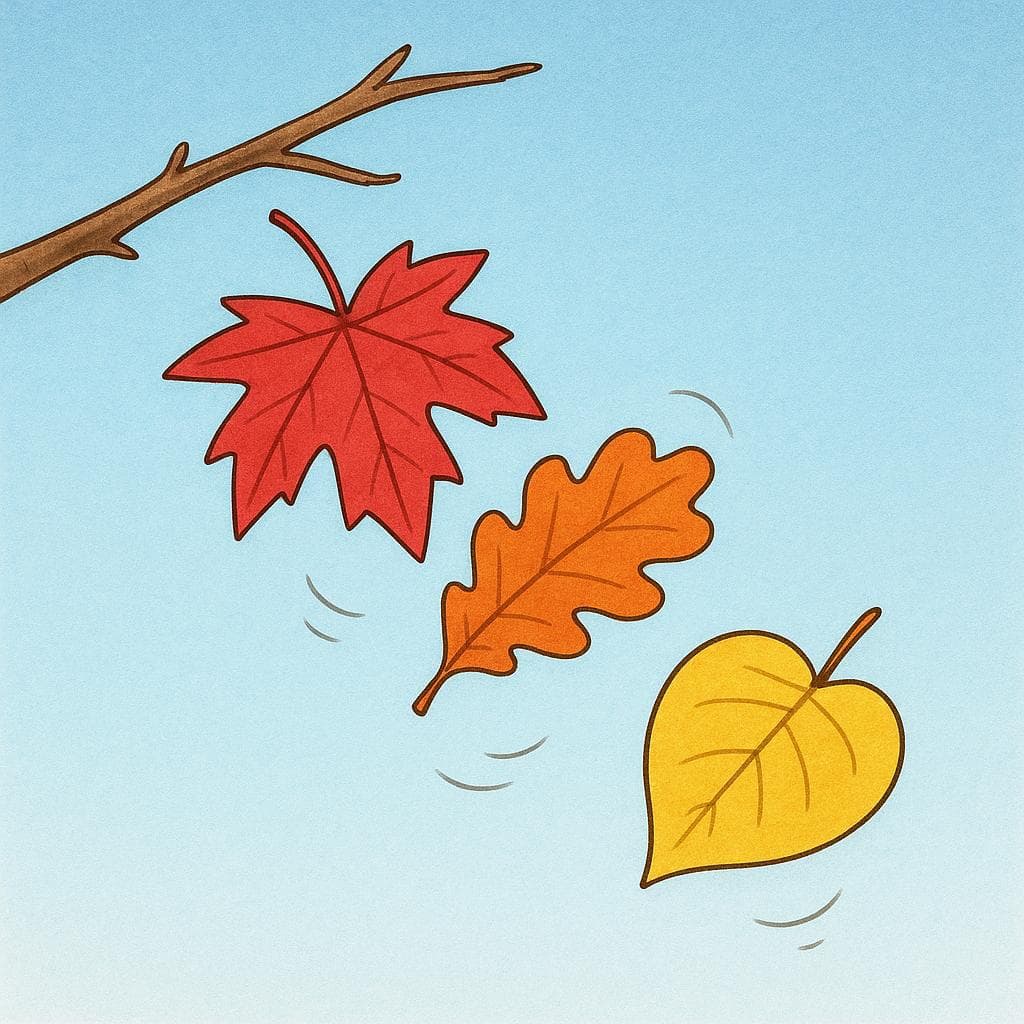
autumn
“Mi estación favorita es el otoño porque me encanta ver las hojas cambiar de color.”
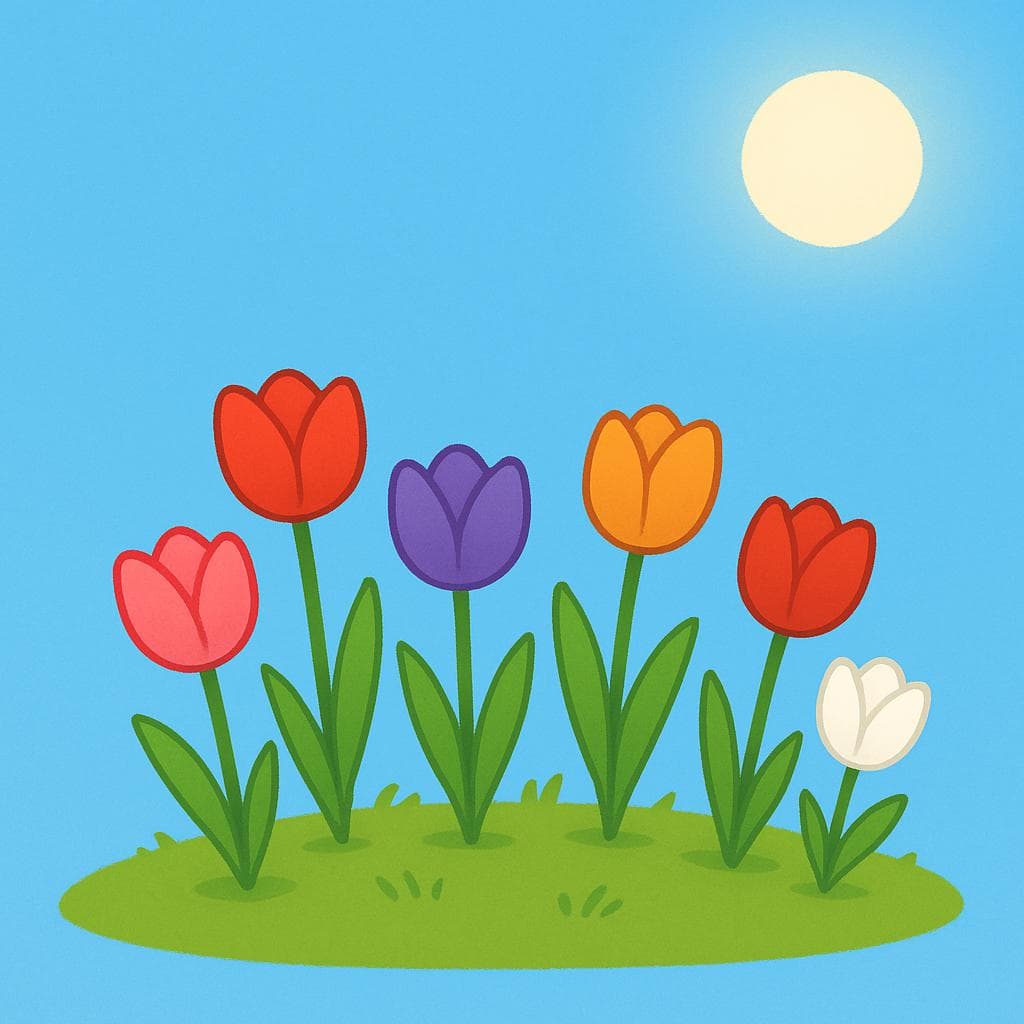
spring
“Mi estación favorita es la primavera porque todo florece.”

summer
“¿Qué planes tienes para el verano?”
A2 — Elementary (4 words)

festive
“Llevaba un vestido muy festivo para la ocasión.”
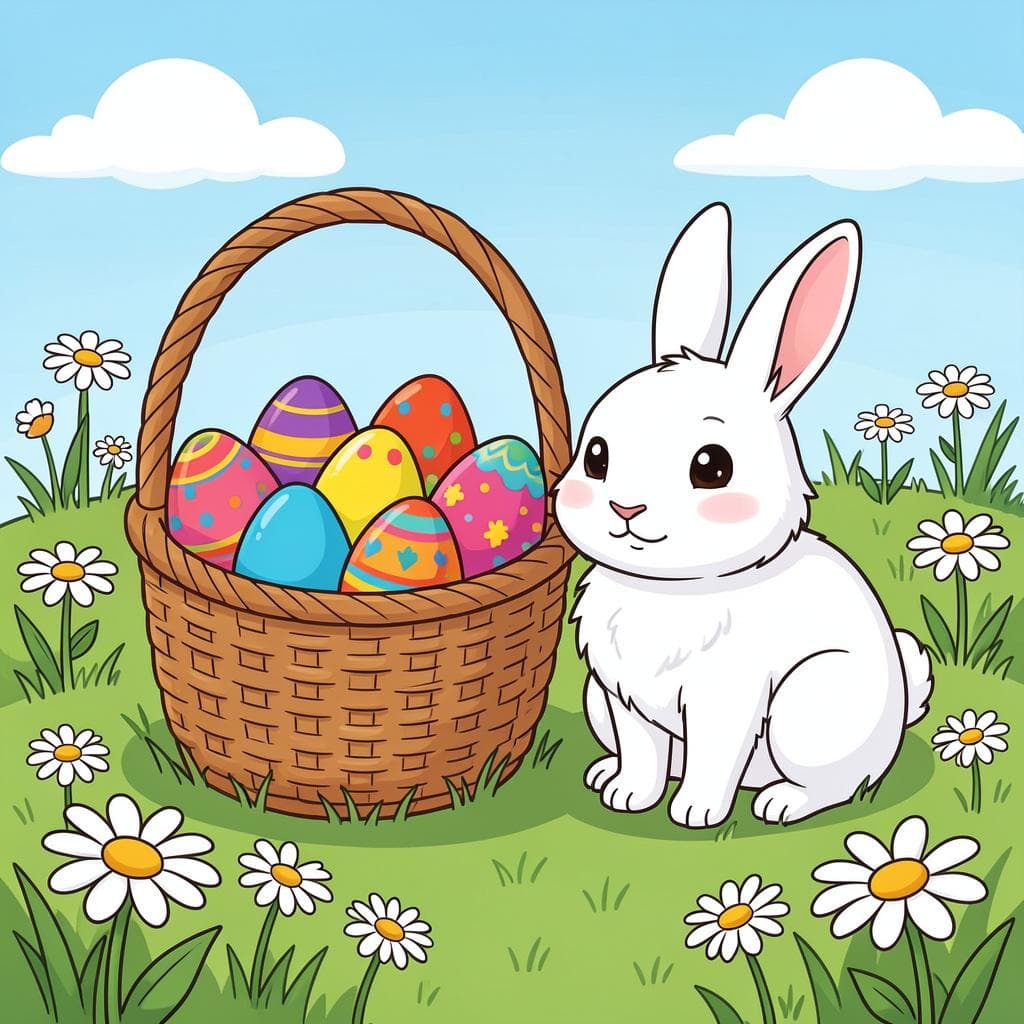
Easter
“Comemos huevos de chocolate en Pascua.”
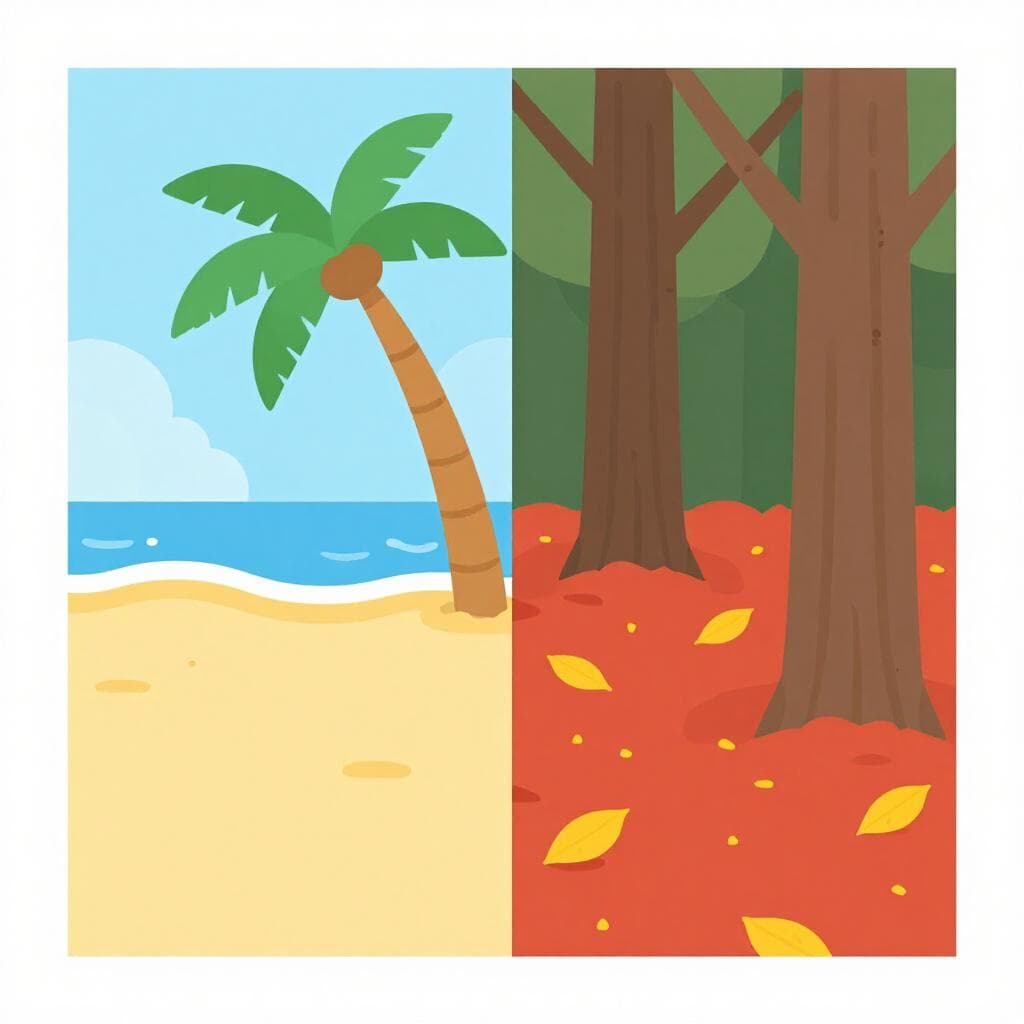
season
“La próxima temporada de fútbol comienza en agosto.”
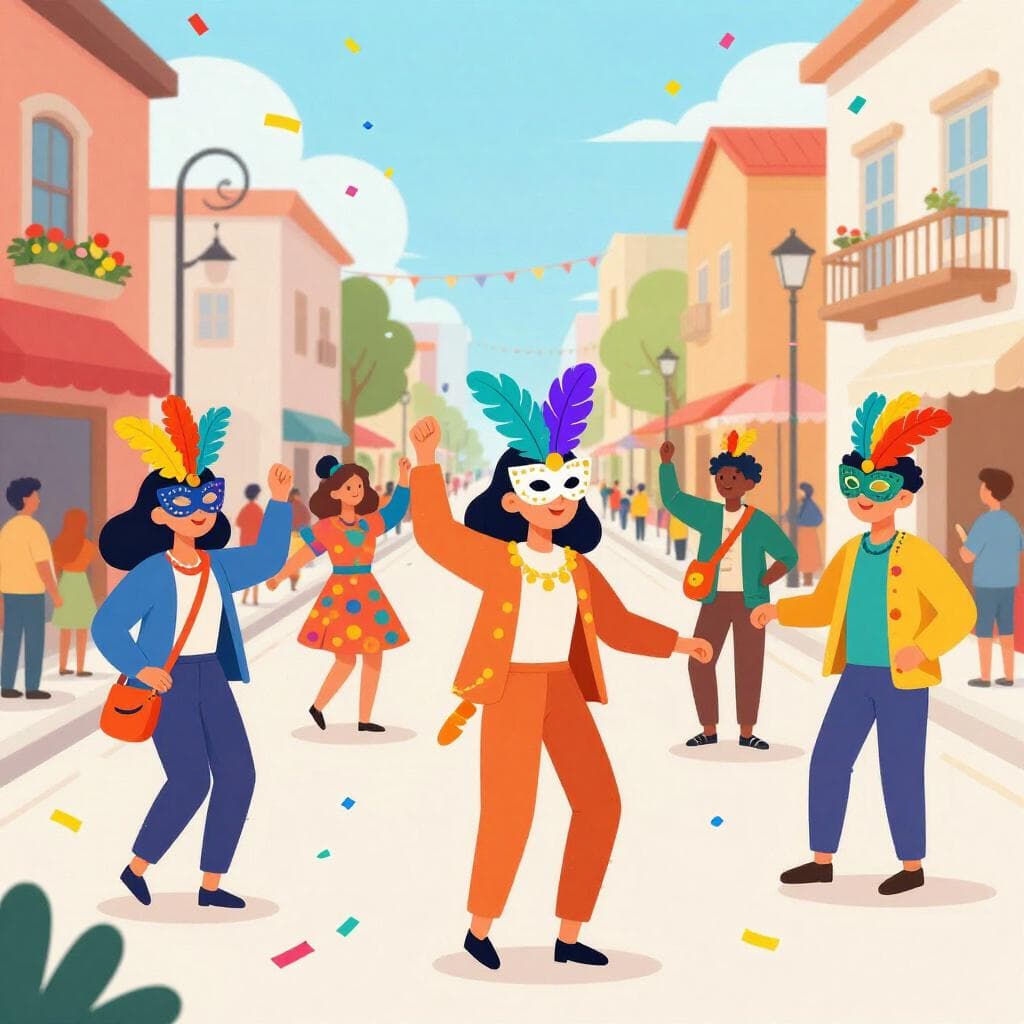
carnival
“El carnaval de Río de Janeiro es el más grande del mundo.”
B1 — Intermediate (1 words)

eve
“La víspera de Navidad es mi época favorita del año.”
Grammar Tips
Gender of Seasons
The Spanish words for the four main weather seasons are all masculine: el invierno (winter), el otoño (autumn), la primavera (spring), and el verano (summer). Remember to use the masculine article 'el' with them.
Pluralizing Holidays
Many holidays are plural in Spanish, like 'las Pascuas' (Easter) or 'las Navidades' (Christmas). When referring to the general holiday period, use the feminine plural article 'las'.
Festive Adjectives
Adjectives related to holidays, like 'navideño' (Christmassy), must agree in gender and number with the noun they describe. For example, 'un regalo navideño' (a Christmassy gift) but 'unas decoraciones navideñas' (Christmassy decorations).
Common Mistakes
Wrong Article for Seasons
Mistake: “La invierno es frío.”
Correction: El invierno es frío. — The word 'invierno' (winter) is masculine, so it requires the masculine article 'el', not 'la'.
Misplacing 'Festivo'
Mistake: “Hoy es un día festivo muy.”
Correction: Hoy es un día muy festivo. — Adjectives like 'festivo' usually come after the noun they modify. 'Muy' (very) should come before the adjective it modifies.
Singular vs. Plural Holidays
Mistake: “Me gusta la Navidad.”
Correction: Me gustan las Navidades. — While 'Navidad' can refer to Christmas Day, 'las Navidades' is commonly used to refer to the entire Christmas holiday season. Also, 'gustar' requires the plural verb 'gustan' when the object of liking is plural.
Cultural Notes
Christmas Eve vs. Day
In many Spanish-speaking countries, the main gift-giving celebration for Christmas happens on 'Nochebuena' (Christmas Eve) or January 6th ('Día de Reyes' - Three Kings' Day), rather than Christmas Day itself.
Carnival vs. Mardi Gras
While 'Carnaval' is the general term, specific traditions and timing can vary greatly. Some places celebrate right before Lent (like New Orleans' Mardi Gras), while others have unique local festivals that might be at different times of the year.