pascua
“pascua” means “Easter” in Spanish. It has 2 different meanings depending on context:
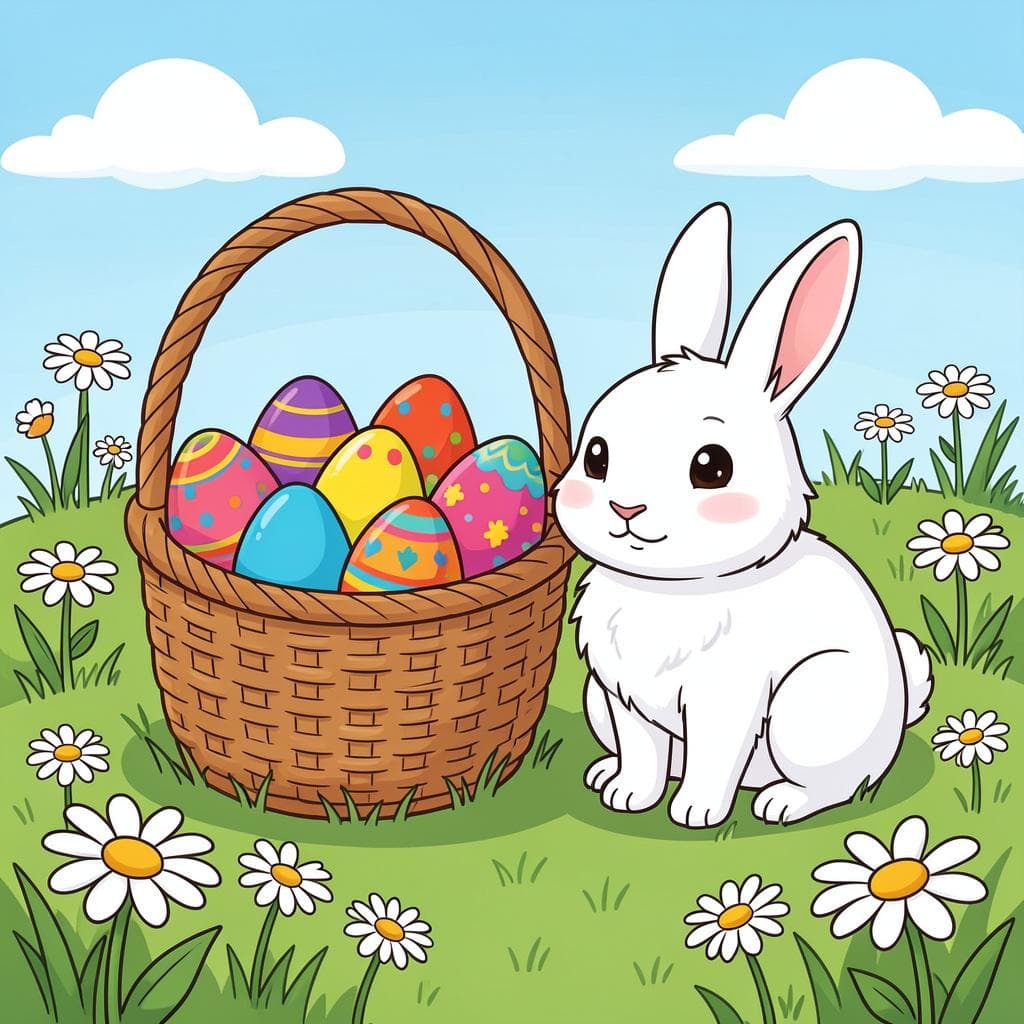

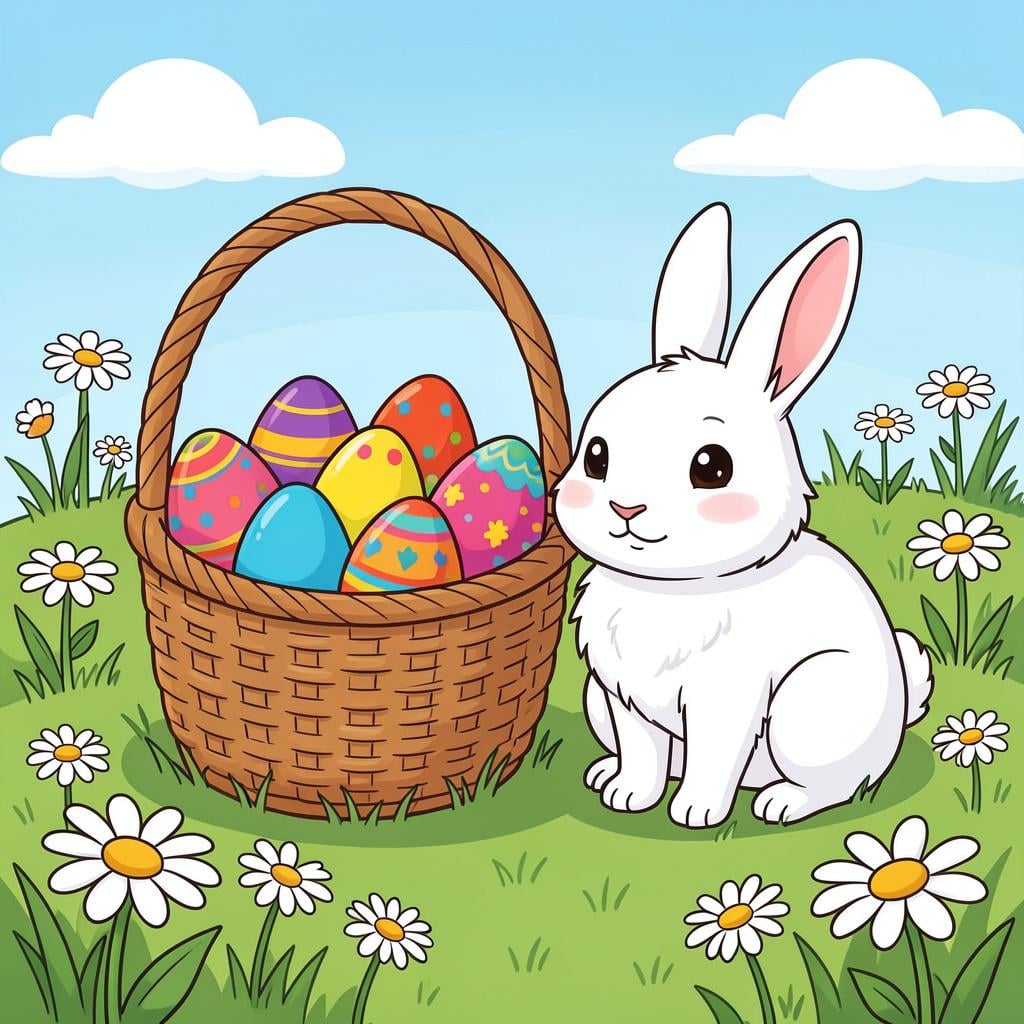
EasterAlso: Passover
📝 In Action
Comemos huevos de chocolate en Pascua.
A1We eat chocolate eggs at Easter.
La Pascua cae en un domingo diferente cada año.
A2Easter falls on a different Sunday every year.
Word Connections
The Christmas seasonAlso: The holidays

📝 In Action
¡Felices Pascuas y próspero año nuevo!
A2Merry Christmas and a happy New Year!
Toda la familia se reúne en las pascuas.
B1The whole family gets together during the Christmas holidays.
Word Connections
Translate to Spanish
Words that translate to "pascua" in Spanish:
✏️ Quick Practice
Quick Quiz: pascua
Question 1 of 2
If someone says '¡Felices Pascuas!' to you on December 25th, what are they wishing you?
📚 More Resources
👥 Word Family
🎵 Rhymes
📚 Etymology
From the Latin word 'pascha', which comes from a Hebrew word meaning 'to pass over.' This refers to the biblical story of the Exodus.
First recorded: 12th century
Cognates (Related words)
💡 Master Spanish
Take your Spanish to the next level. Read 200+ illustrated and narrated Spanish stories tailored to your level with the Inklingo app!
Frequently Asked Questions
Is 'Pascua' only for Christians?
No. While it most commonly refers to the Christian Easter, 'Pascua judía' is the standard Spanish term for the Jewish holiday of Passover.
Do I capitalize 'Pascua'?
Yes, because it is the name of a specific holiday or festive period, it should be capitalized in Spanish just like in English.