Time & Dates in Spanish
Mastering time and dates is crucial for navigating daily life and planning events in Spanish. This vocabulary set covers everything from seconds and minutes to years and centuries, including specific times of day and days of the week. Understanding these terms will significantly improve your fluency and ability to communicate about schedules, appointments, and historical events.
Quick Reference
| Spanish | English | Example | Level |
|---|---|---|---|
agosto | August | Mis vacaciones de verano son siempre en agosto. | A1 |
ahora | now | ¿Qué estás haciendo ahora? | A1 |
am | a.m. | El tren sale a las 8 am. | A1 |
amanecer | to dawn | Mañana va a amanecer despejado. | A1 |
aniversario | anniversary | Hoy celebramos nuestro décimo aniversario de boda. | A1 |
anoche | last night | ¿Qué hiciste anoche? | A1 |
anochecer | to get dark | En invierno, anochece muy temprano. | A2 |
anual | annual | La empresa publica un informe anual. | A2 |
año | year | El año tiene doce meses. | A1 |
atardecer | sunset | Vimos un atardecer precioso en la playa. | A1 |
ayer | yesterday | Ayer fui al cine. | A1 |
calendario | calendar | Tengo un calendario de pared muy grande en la cocina. | A1 |
A1 — Beginner (50 words)
August
“Mis vacaciones de verano son siempre en agosto.”
now
“¿Qué estás haciendo ahora?”
a.m.
“El tren sale a las 8 am.”

to dawn
“Mañana va a amanecer despejado.”

anniversary
“Hoy celebramos nuestro décimo aniversario de boda.”
last night
“¿Qué hiciste anoche?”
year
“El año tiene doce meses.”

sunset
“Vimos un atardecer precioso en la playa.”

yesterday
“Ayer fui al cine.”

calendar
“Tengo un calendario de pared muy grande en la cocina.”
when
“¿Cuándo es tu cumpleaños?”

afterwards
“Primero cenamos y después vemos una película.”
day
“La semana tiene siete días.”

newspaper
“Compro el diario todas las mañanas en la cafetería.”

December
“Mi cumpleaños es en diciembre.”
date
“¿Cuál es la fecha de hoy?”
hour
“La película dura dos horas.”
schedule
“¿Cuál es el horario de la biblioteca?”
today
“Hoy es mi cumpleaños.”

instant
“Espera un instante, necesito encontrar mis llaves.”
Thursday
“Mi clase de español es el jueves.”

July
“Mi familia viaja a la playa en julio.”

June
“Mi cumpleaños es el diez de junio.”

morning
“Me levanto a las siete de la mañana.”
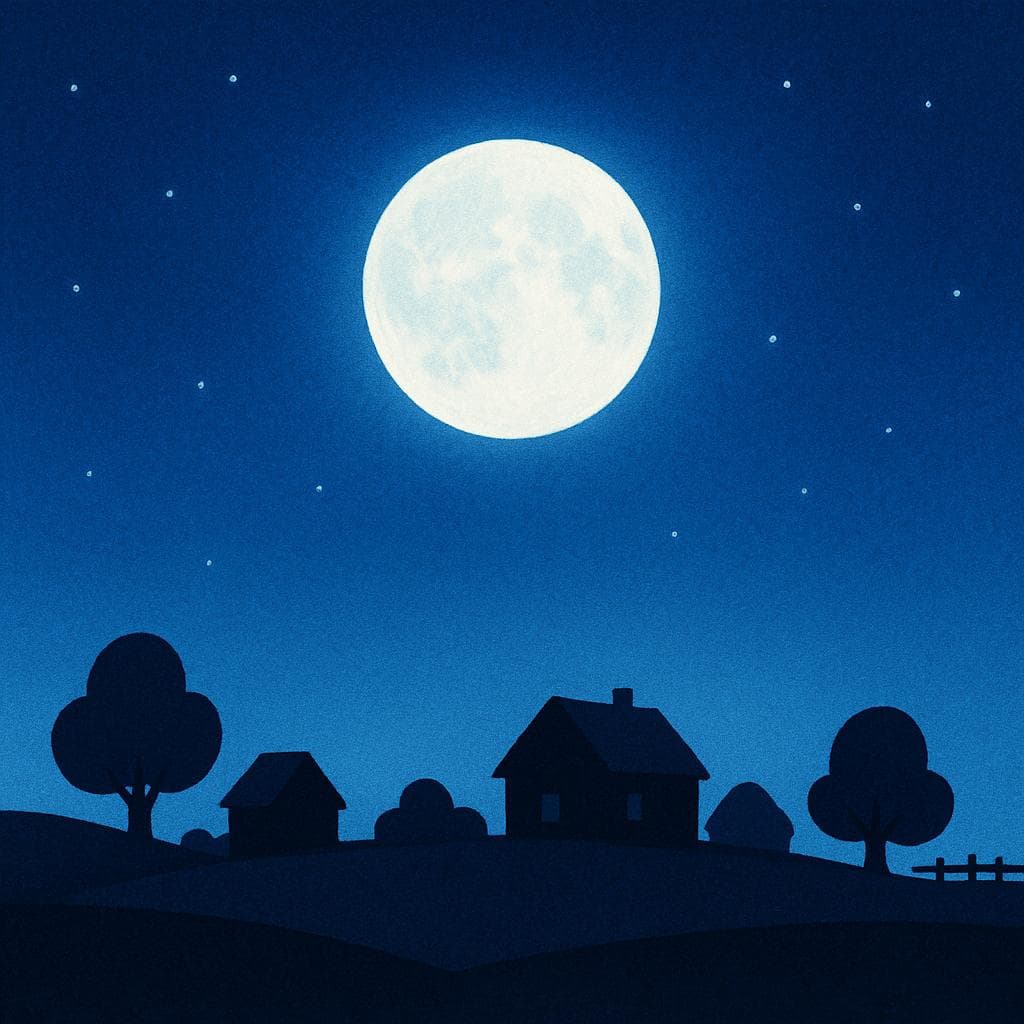
midnight
“La película termina justo a medianoche.”
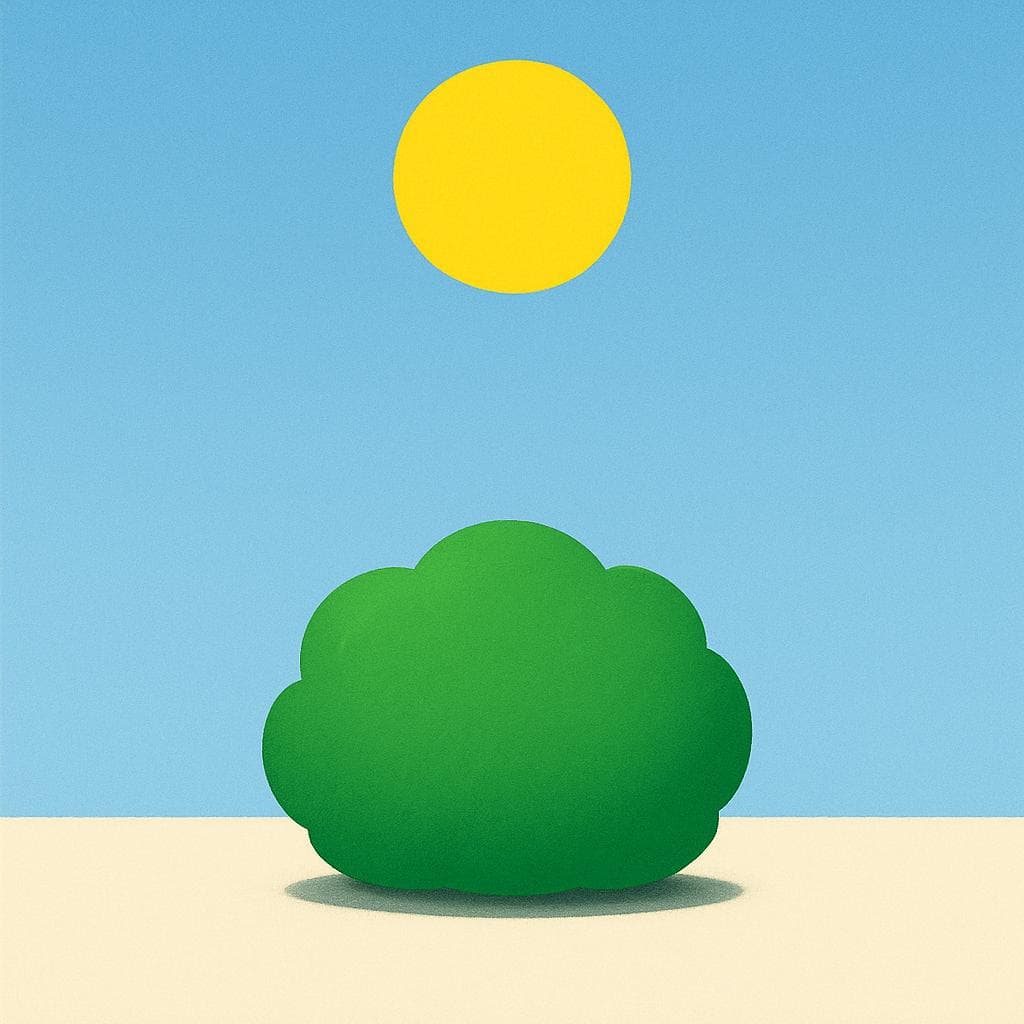
noon
“Al mediodía, cerramos la tienda para comer.”
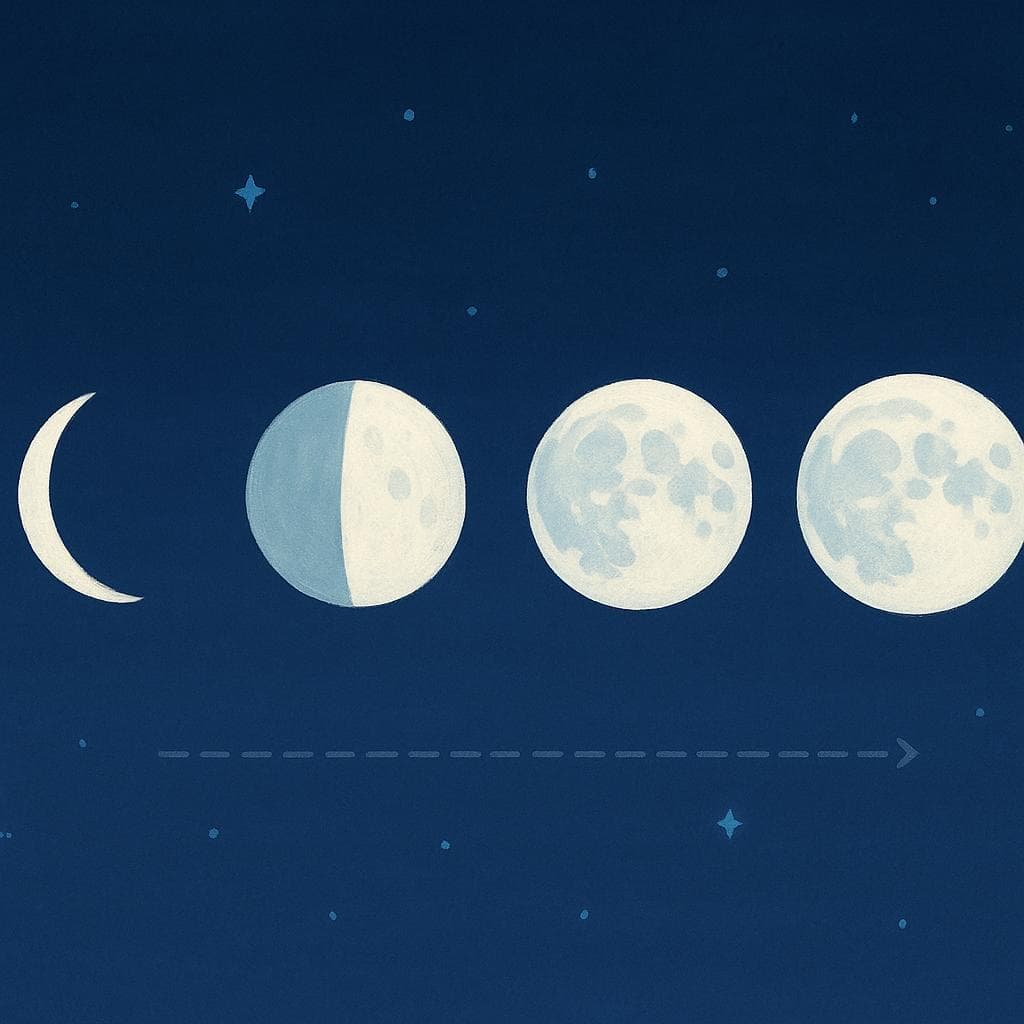
month
“Enero es el primer mes del año.”

minute
“Faltan 5 min para que empiece la película.”
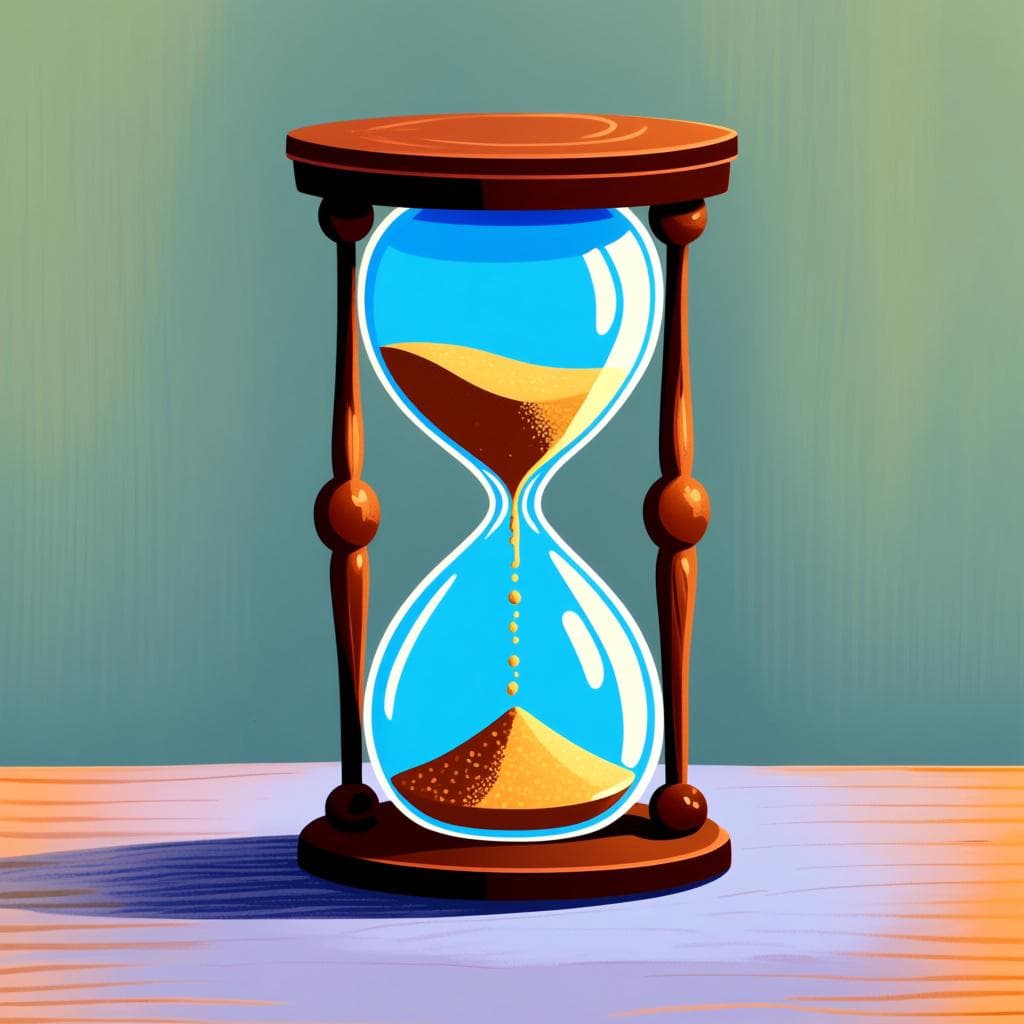
minute
“La reunión empieza en cinco minutos.”

moment
“Espera un momento, por favor.”
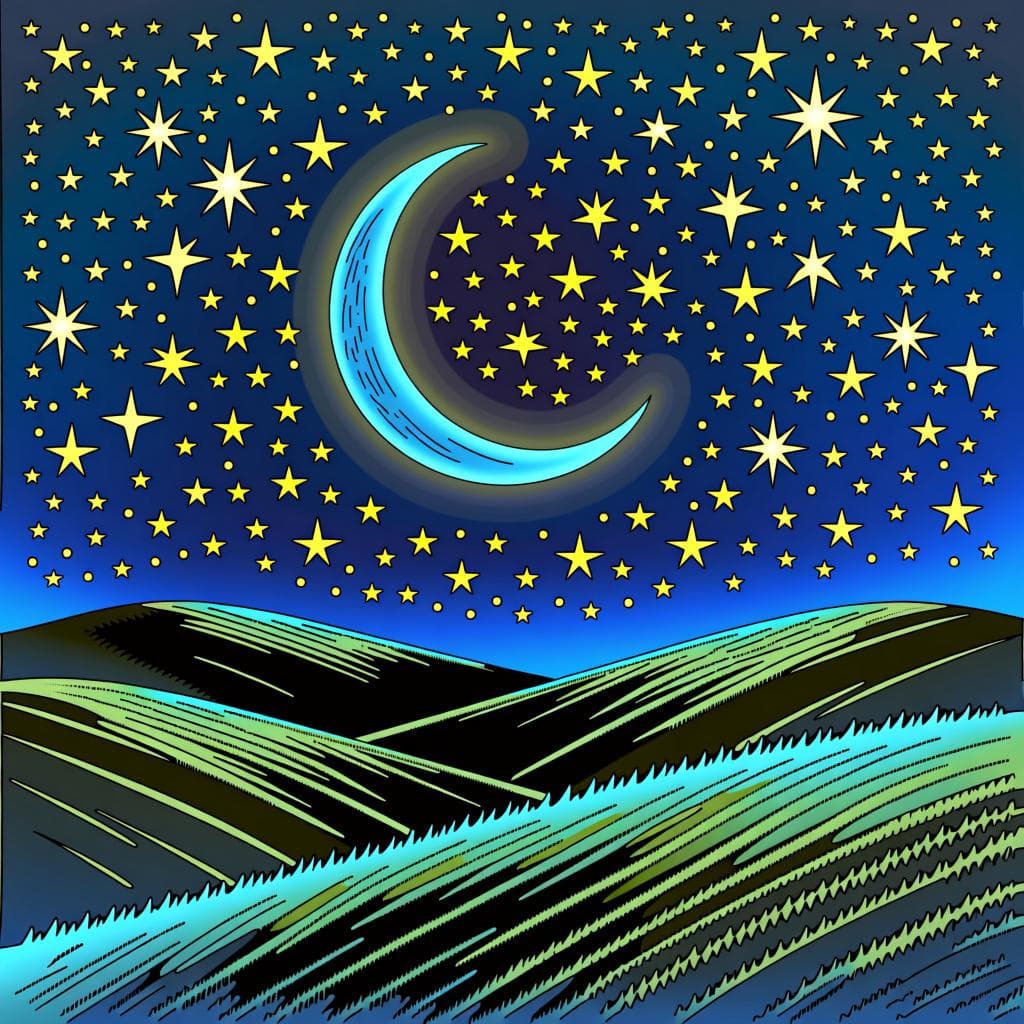
night
“Me gusta mirar las estrellas por la noche.”
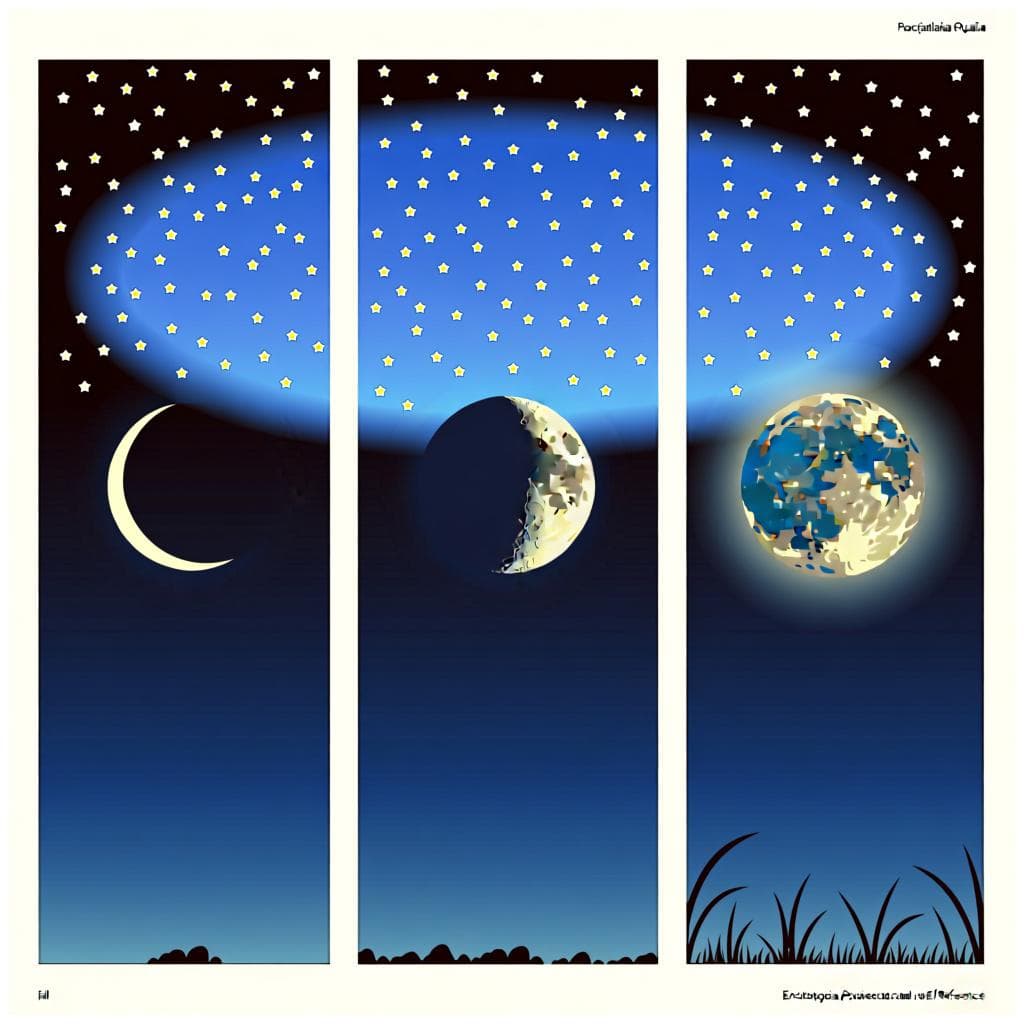
nights
“Las noches de verano son mis favoritas.”
November
“Mi cumpleaños es el siete de noviembre.”
October
“Mi cumpleaños es en octubre.”

newspaper
“Compré el periódico para leer las noticias de hoy.”
period
“El periodo de construcción duró tres meses.”
p.m.
“La película empieza a las 8 pm.”
present
“Necesitamos enfocarnos en la situación presente.”
soon
“Nos vemos pronto.”
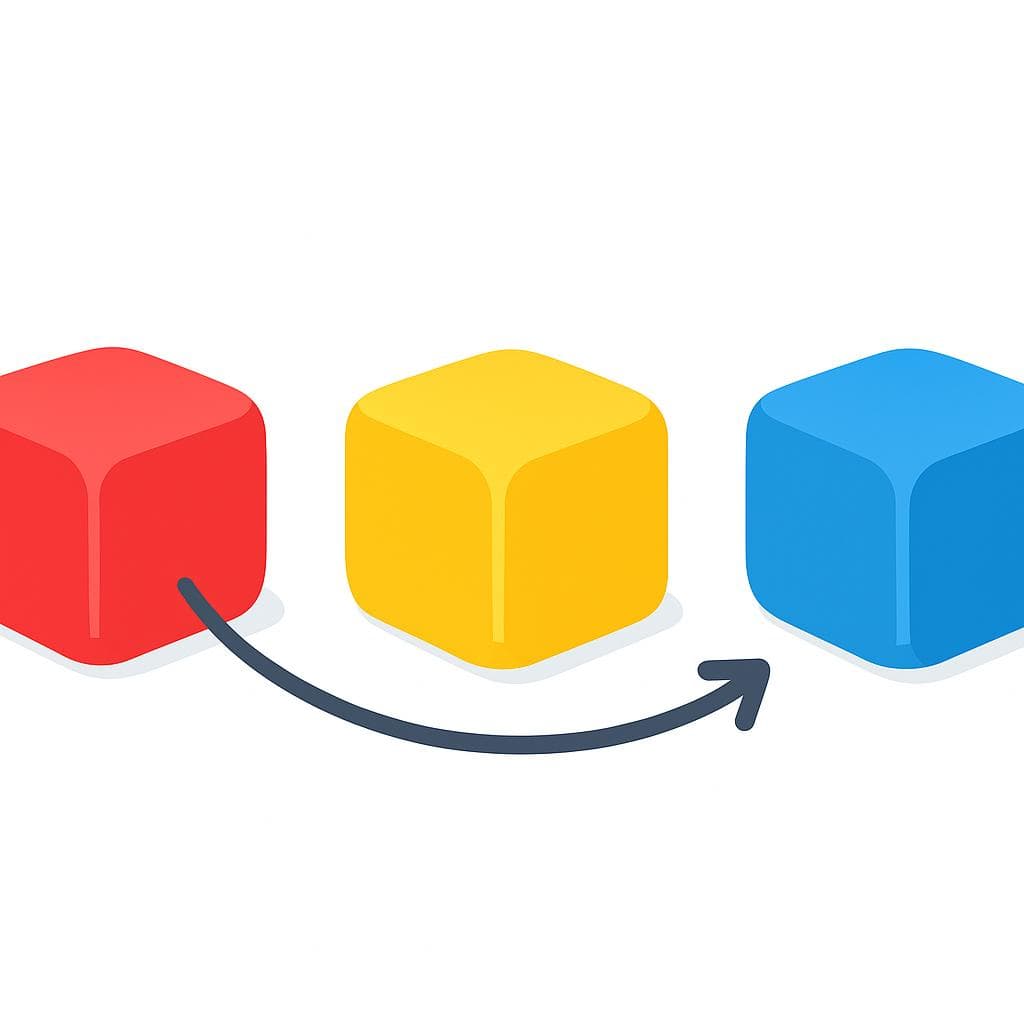
next
“¿Qué hacemos el próximo fin de semana?”

clock
“¿Qué hora marca tu reloj?”
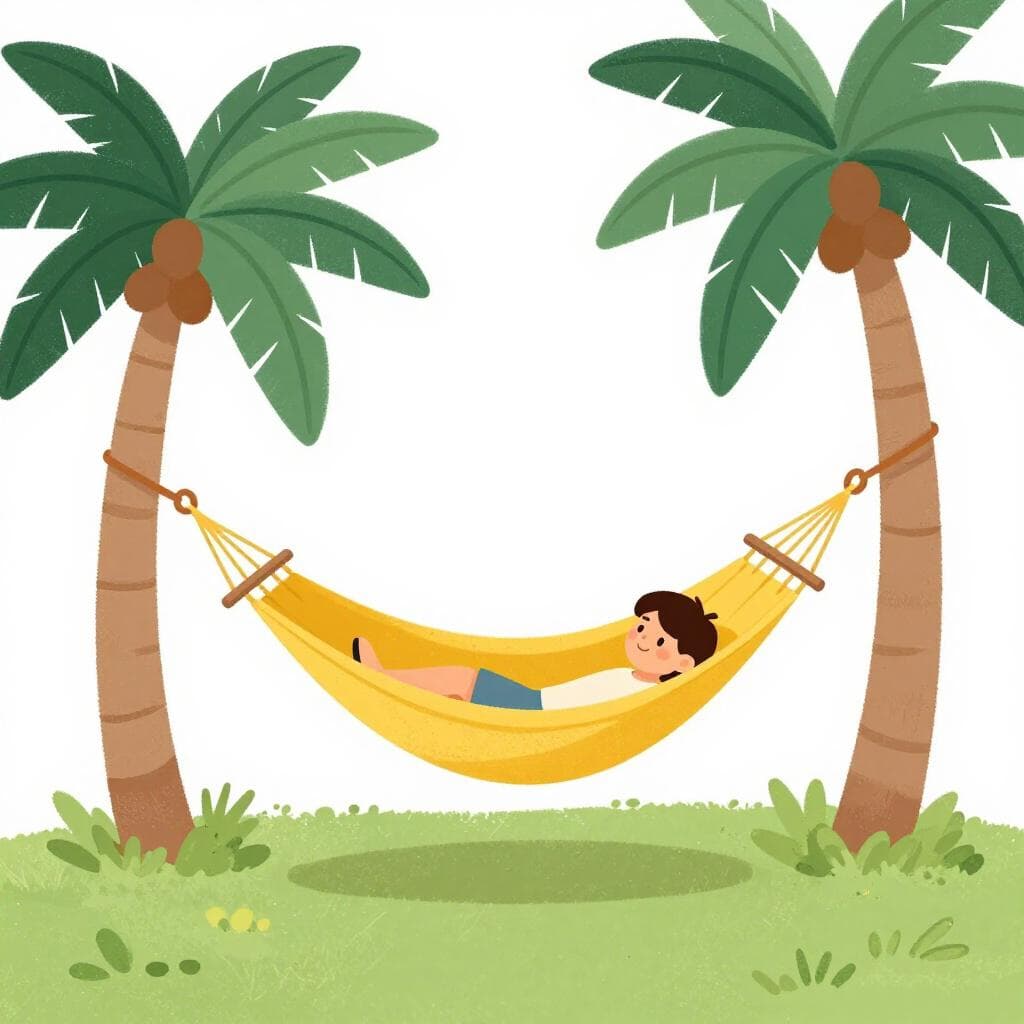
Saturday
“El sábado vamos al parque si hace buen tiempo.”

week
“¿Qué planes tienes para esta semana?”
September
“Mi cumpleaños es en septiembre.”
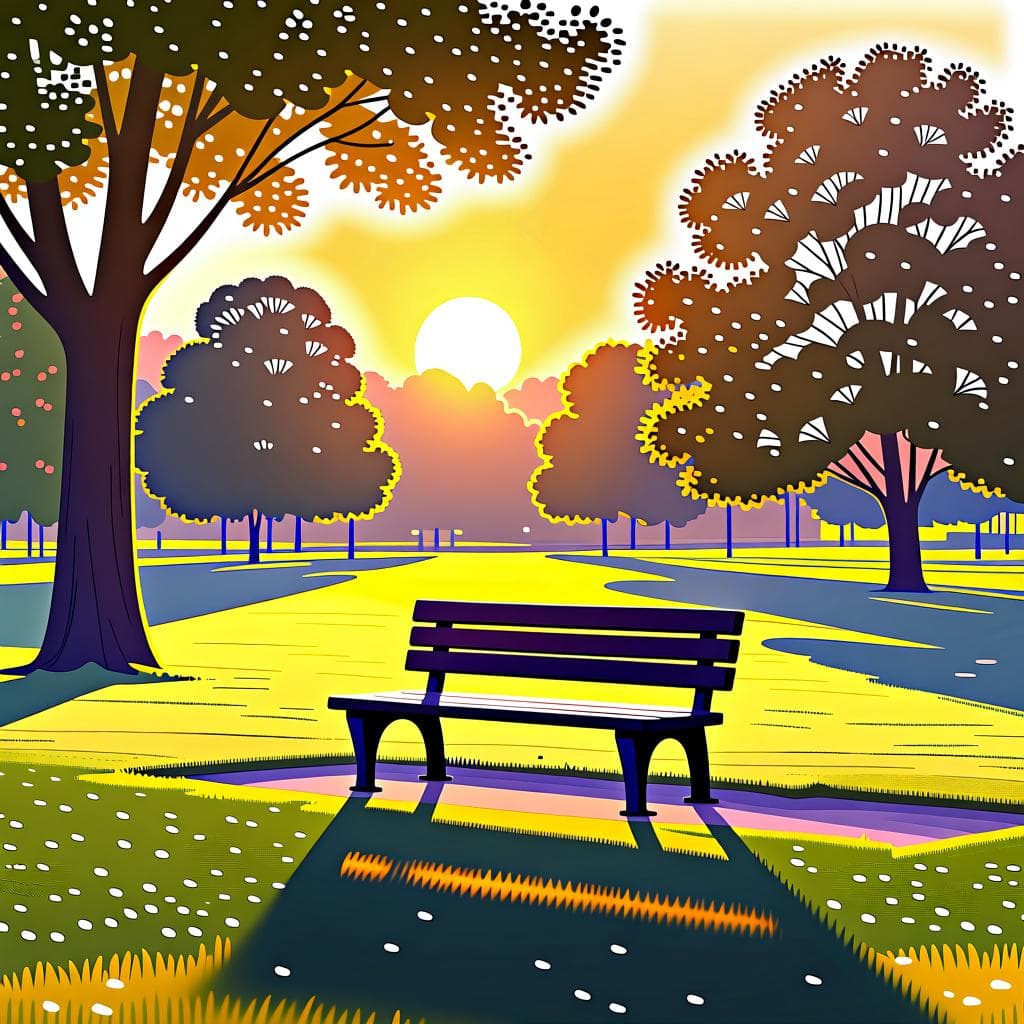
afternoon
“Nos vemos esta tarde.”

afternoons
“Buenas tardes, ¿cómo estás?”

early
“Me levanto temprano para ir a trabajar.”
time
“No tengo mucho tiempo libre.”
Friday
“Hoy es viernes, ¡por fin!”
June
“La reunión es el 12 de jun.”
A2 — Elementary (13 words)

to get dark
“En invierno, anochece muy temprano.”
annual
“La empresa publica un informe anual.”

appointment
“Tengo una cita con el médico mañana.”
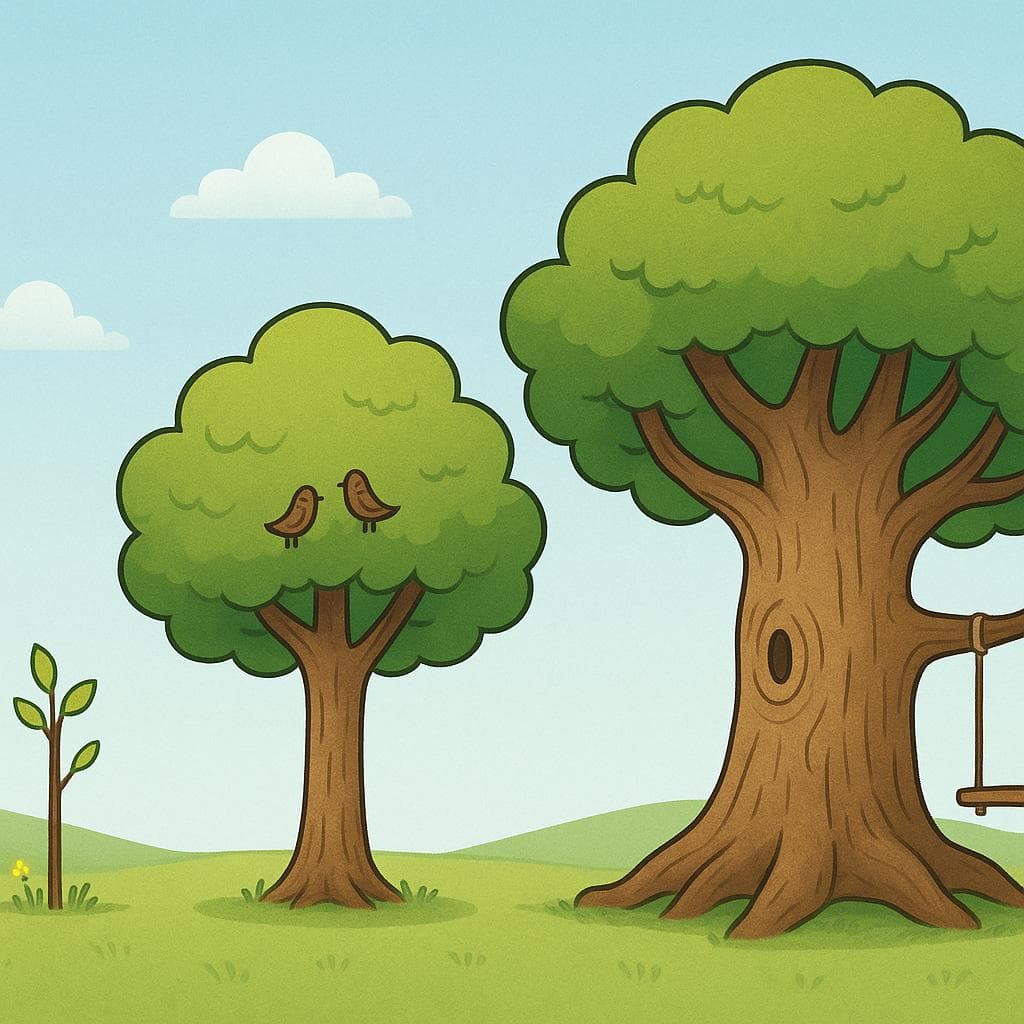
decades
“Han pasado varias décadas desde que se construyó este edificio.”
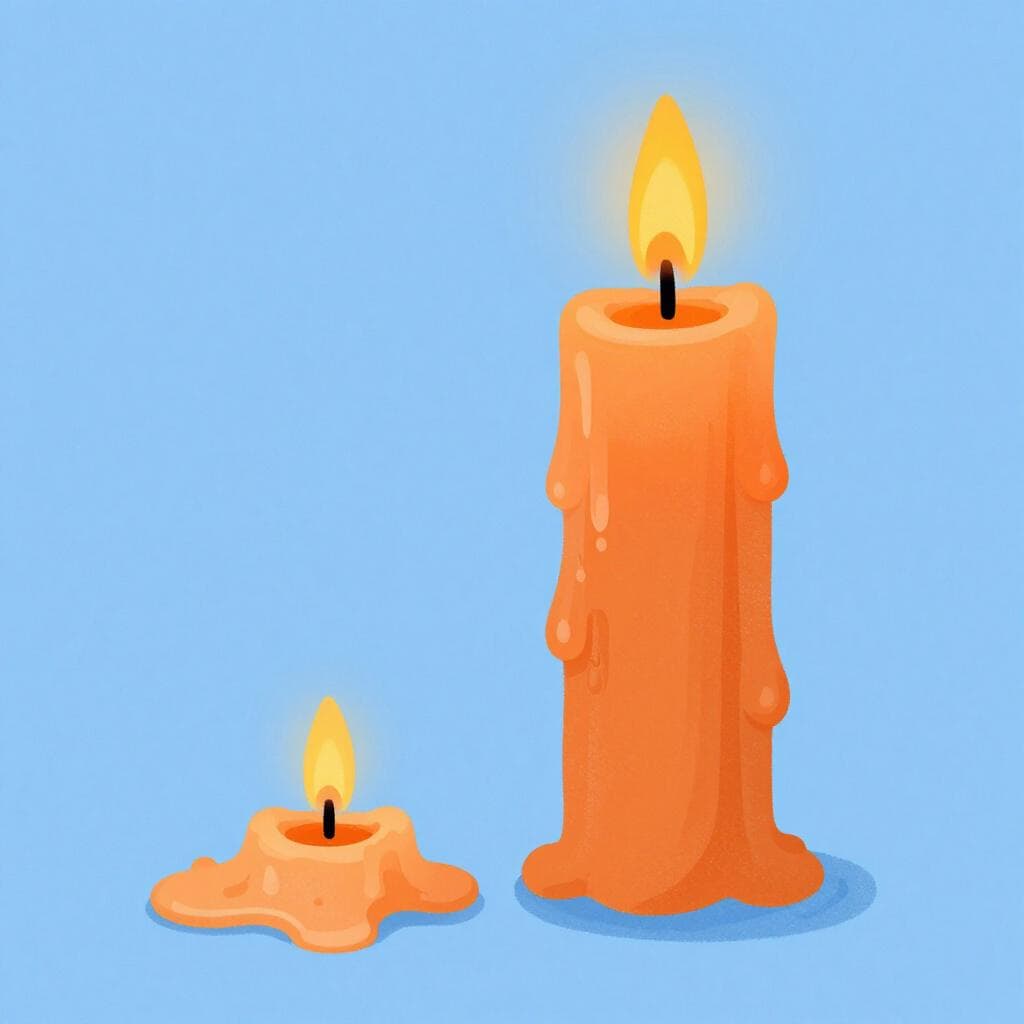
duration
“La película tiene una duración de dos horas.”
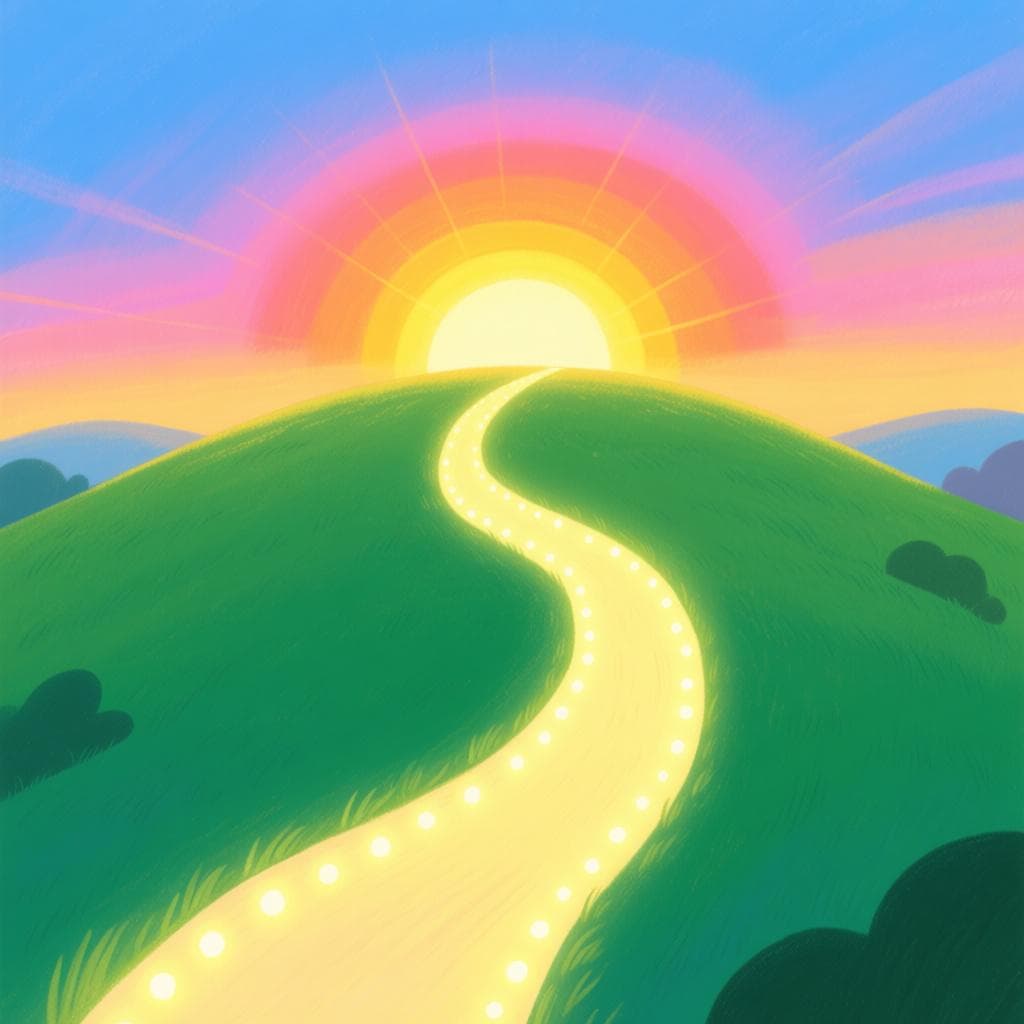
future
“Nadie sabe qué pasará en el futuro.”
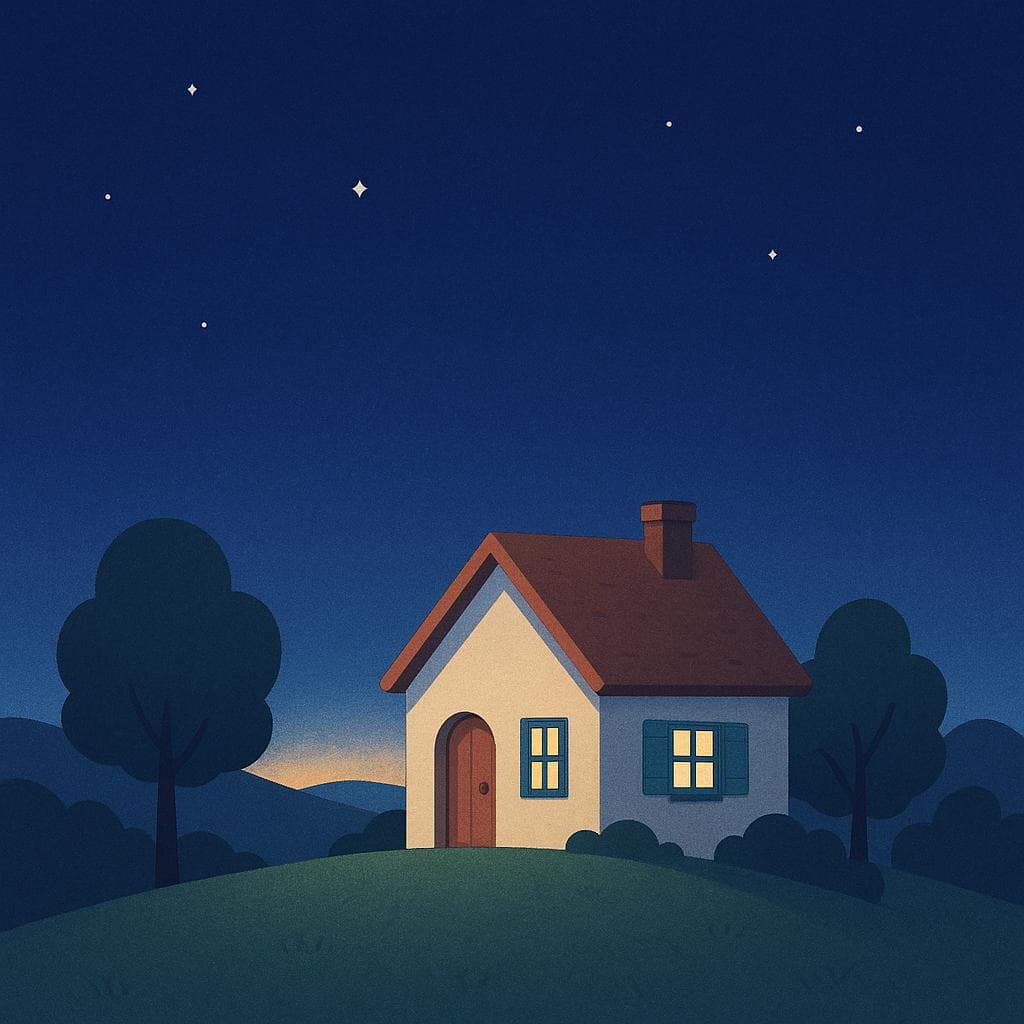
early morning
“Me gusta estudiar de madrugada porque todo está en silencio.”

monthly
“Tengo que pagar el alquiler mensual hoy.”
night
“Me encanta la vida nocturna de esta ciudad.”
season
“La próxima temporada de fútbol comienza en agosto.”
quarter
“Estamos en el primer trimestre del año.”
millennium
“Estamos viviendo en el inicio de un nuevo milenio.”

semester
“Este semestre tengo cinco clases diferentes.”
B1 — Intermediate (8 words)

deadline
“El plazo para entregar el informe es este viernes.”
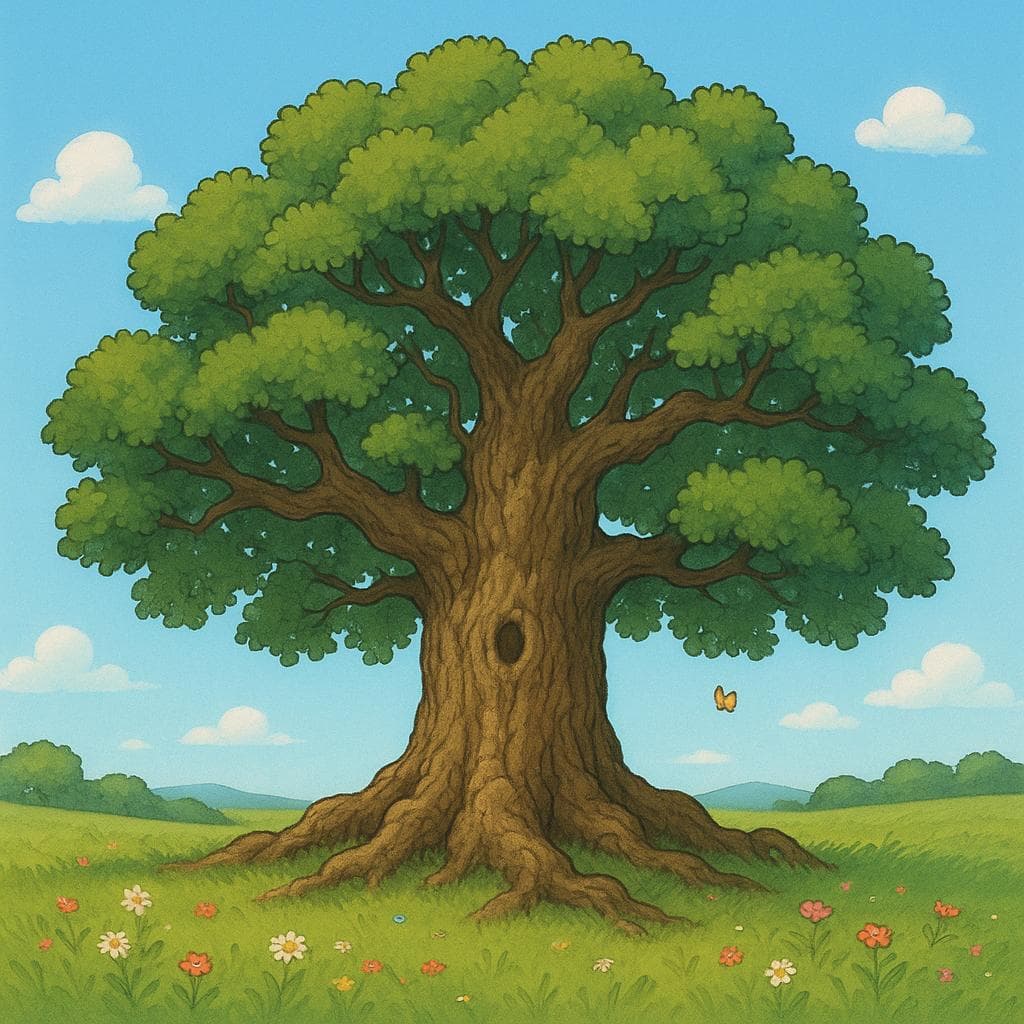
century
“El siglo XX fue un tiempo de grandes cambios tecnológicos.”
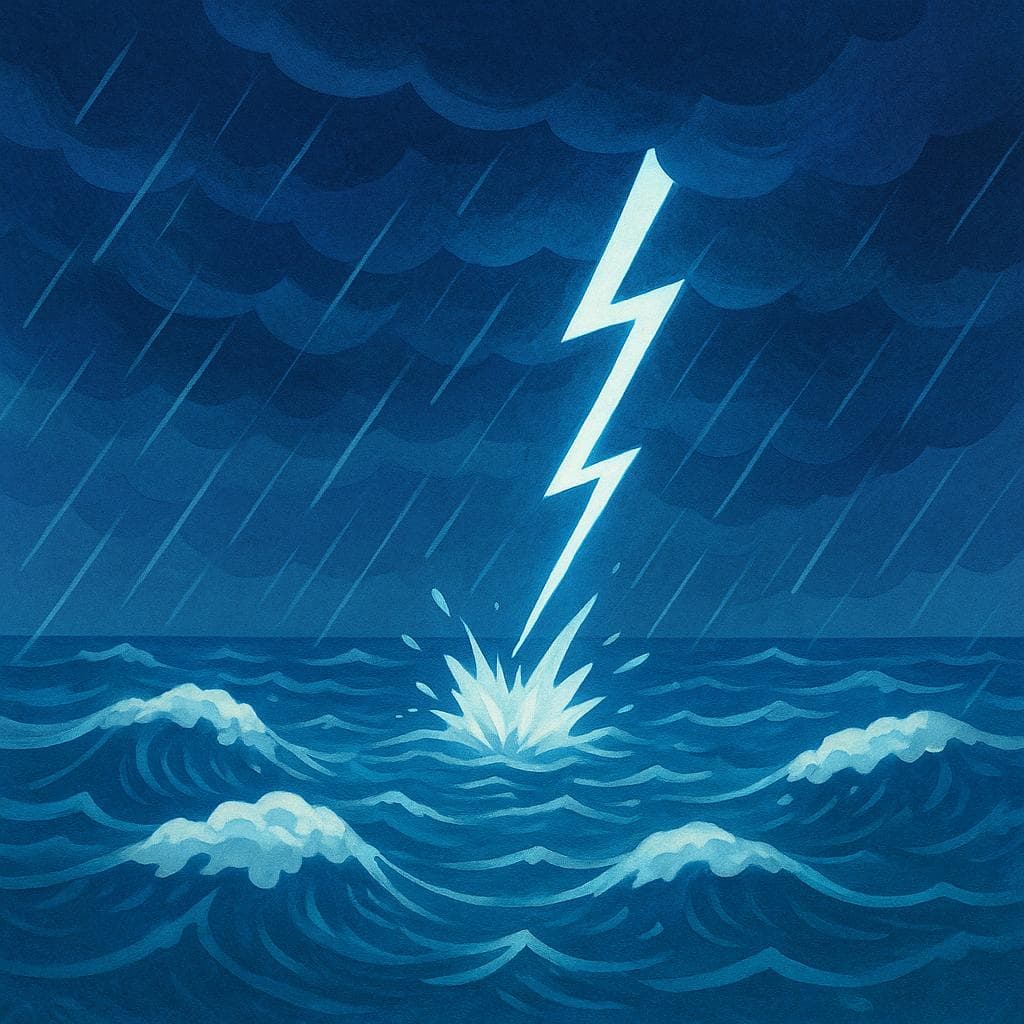
storm
“El temporal de lluvia y viento duró toda la noche.”
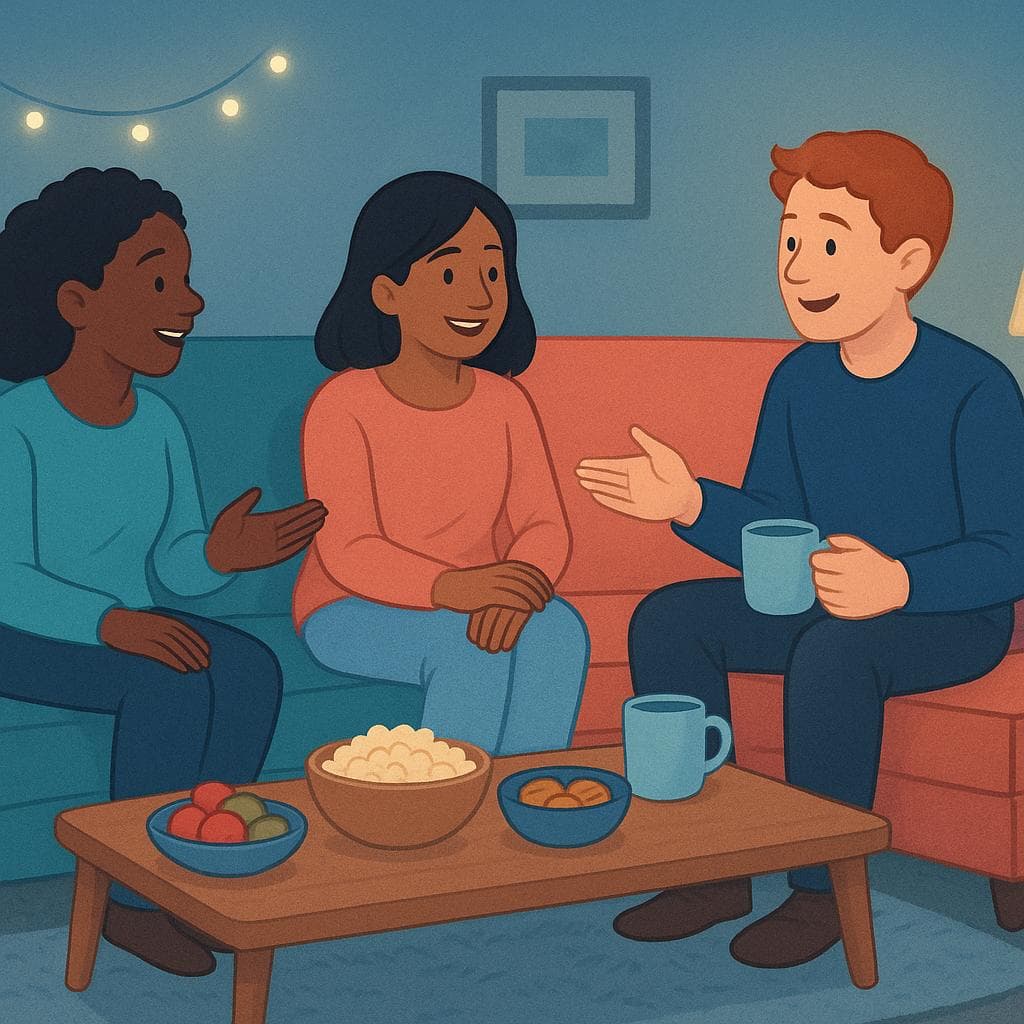
evening gathering
“Organizaron una velada musical con un pianista local.”

eve
“La víspera de Navidad es mi época favorita del año.”

dawn
“Los pescadores salieron al mar al alba.”

hundred-year-old
“Este olivo centenario ha visto pasar muchas generaciones.”
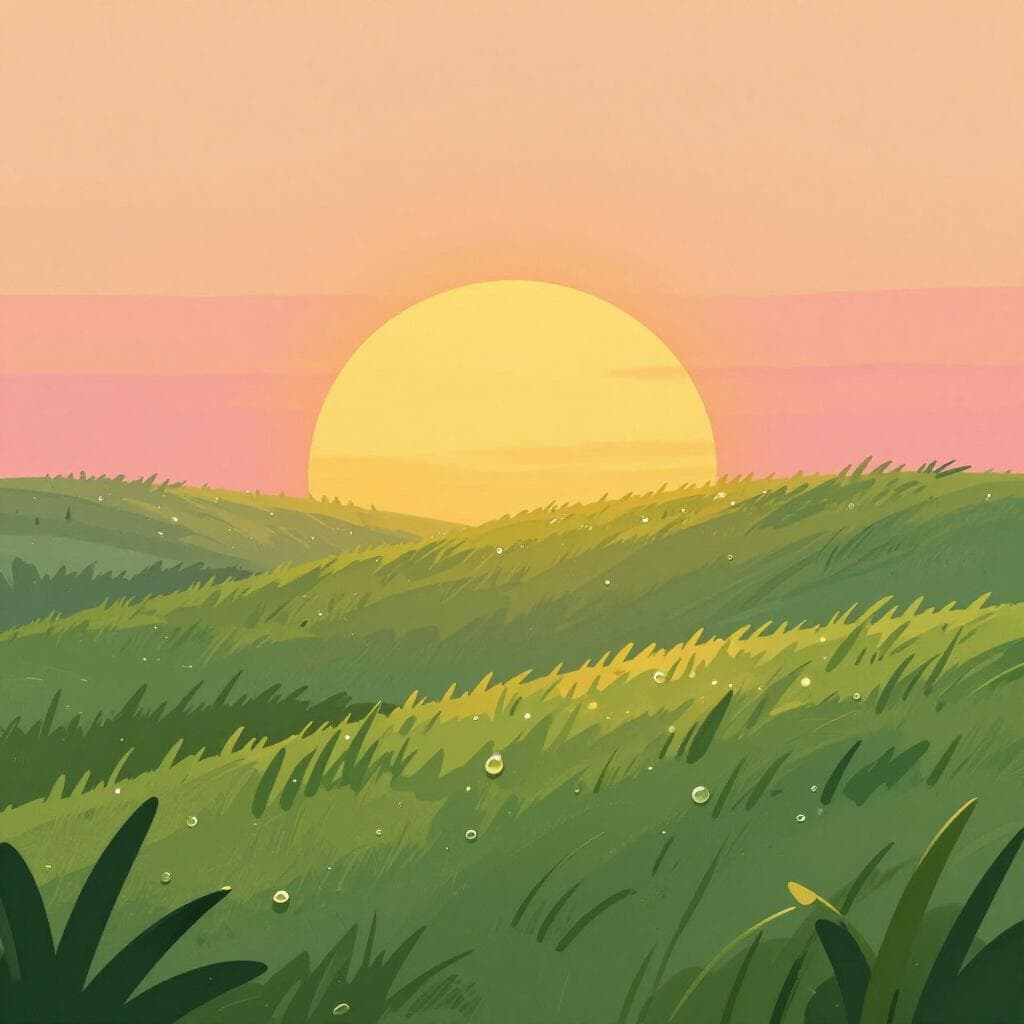
morning
“Me encanta respirar el aire matutino.”
B2 — Upper Intermediate (1 words)
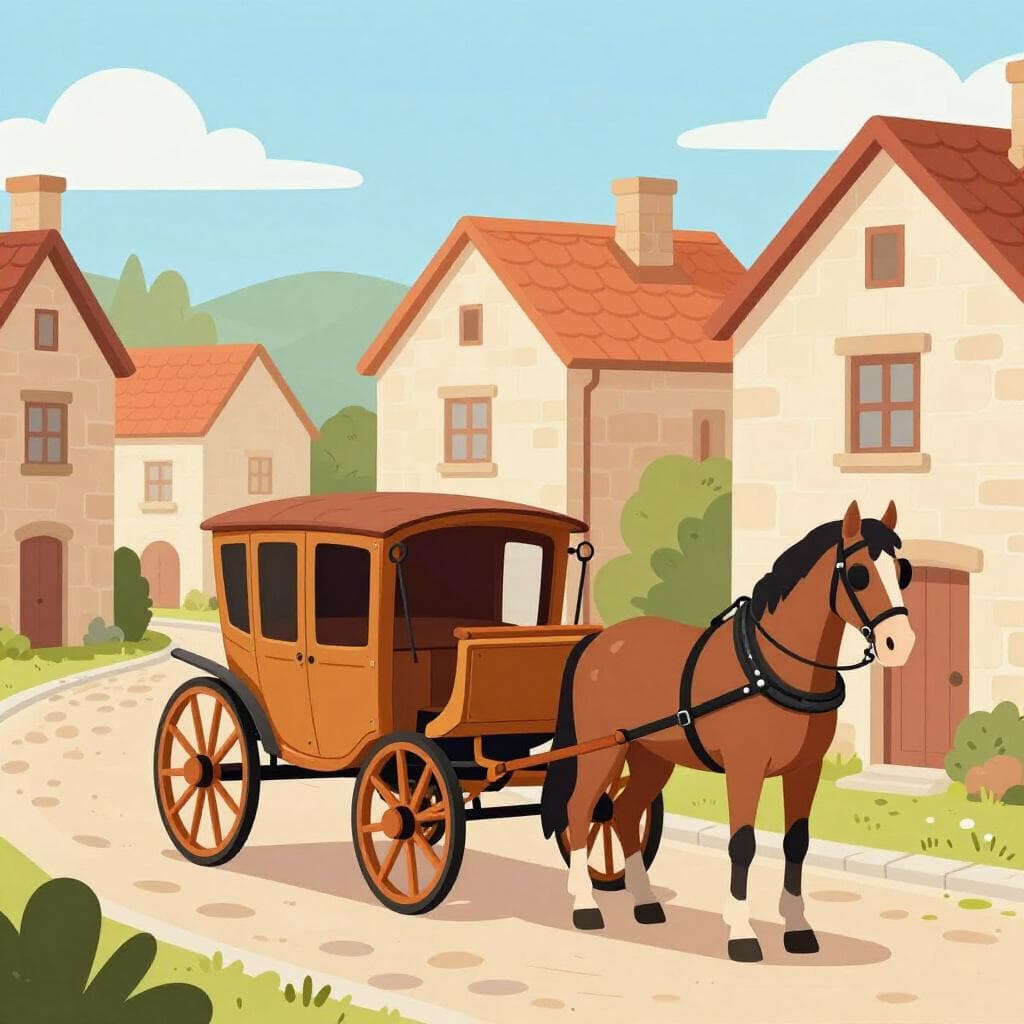
in days of yore
“Antaño, la gente solía viajar a caballo por estos senderos.”
Grammar Tips
Using 'Ser' for Time
When stating the specific time (e.g., 'It's 3 o'clock'), you generally use the verb 'ser'. For singular hours, use 'Es la una' (It's one), and for all other hours, use 'Son las dos' (It's two), 'Son las tres' (It's three), etc. Remember 'una' is irregular!
Months and Days: Not Capitalized
Unlike in English, the names of months and days of the week are not capitalized in Spanish unless they begin a sentence. For example, 'enero' (January) and 'lunes' (Monday).
Expressing 'How long ago?'
Spanish uses the structure 'hace + time period + que' to talk about events in the past. For instance, 'Hace dos años que vivo aquí' means 'I've lived here for two years' (literally, 'It makes two years that I live here').
Common Mistakes
Incorrectly Capitalizing Months
Mistake: “Me gusta viajar en Enero.”
Correction: Me gusta viajar en enero. — In Spanish, months of the year are not capitalized unless they begin a sentence.
Confusing 'Ser' and 'Estar' for Time
Mistake: “Estoy las tres en punto.”
Correction: Son las tres en punto. — The verb 'ser' is used to tell time ('Son las...' for most hours, 'Es la...' for 1 o'clock).
Word Order for 'Yesterday'
Mistake: “Voy a la tienda ayer.”
Correction: Ayer fui a la tienda. — The word 'ayer' (yesterday) typically comes at the beginning of the sentence when referring to a past action, followed by the preterite tense of the verb.
Cultural Notes
Siesta Time
While the traditional siesta (afternoon nap) is less common in big cities, the concept of a midday break is still culturally relevant. Many businesses, especially smaller ones, close for a few hours in the afternoon, typically between 2 PM and 5 PM.
Late Dinners
Dinner time in Spain is generally much later than in many English-speaking countries. People often eat dinner around 9 PM or even 10 PM, especially on weekends. This later schedule influences the timing of social events and daily routines.