próximo
“próximo” means “next” in Spanish. It has 2 different meanings depending on context:
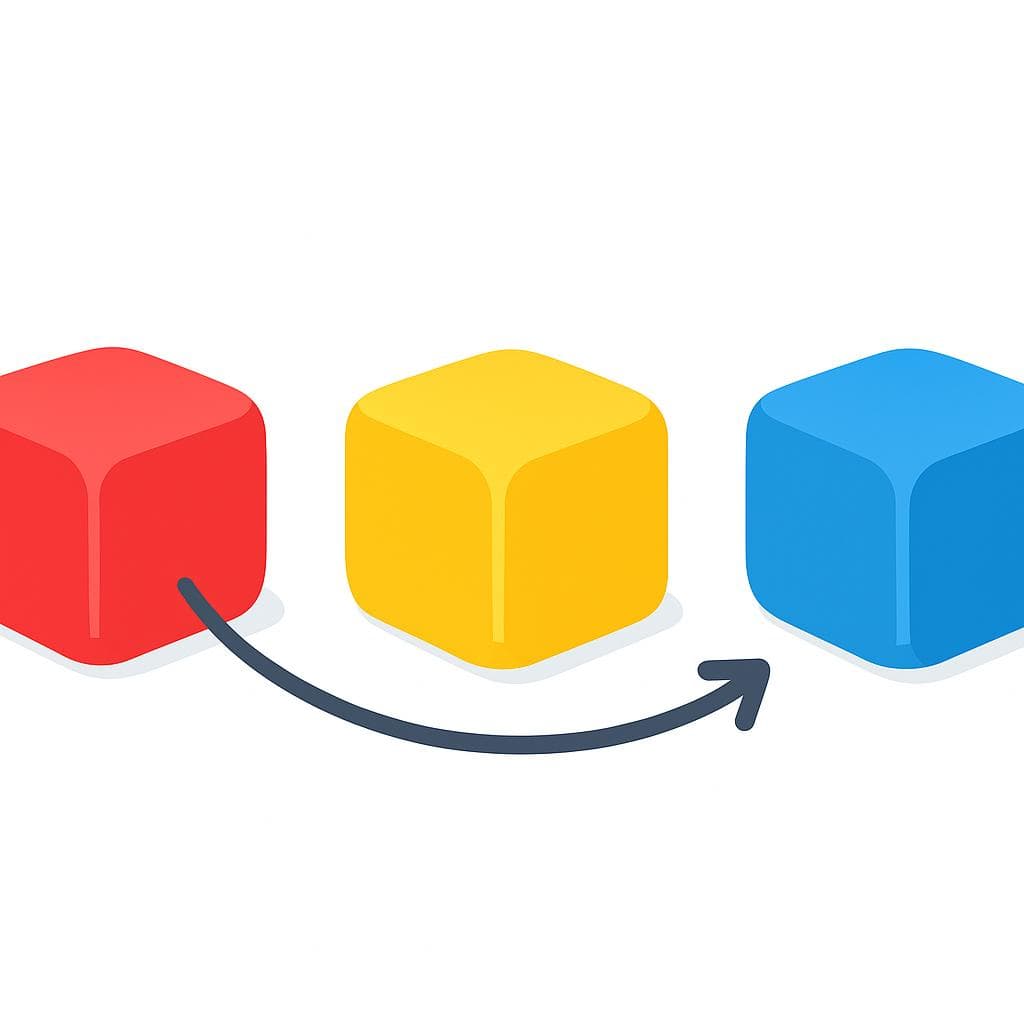

nextAlso: coming, following
📝 In Action
¿Qué hacemos el próximo fin de semana?
A1What are we doing next weekend?
La próxima parada es la estación central.
A2The next stop is the central station.
Necesitas leer el próximo capítulo para mañana.
B1You need to read the following chapter for tomorrow.
Word Connections
nearest, closestAlso: nearby

📝 In Action
La oficina más próxima a mi casa está cerrada.
A2The closest office to my house is closed.
Busca el punto de venta próximo a la salida.
B1Look for the sales point nearest the exit.
Estamos en la calle próxima a la iglesia.
B2We are on the street next to/nearest the church.
Word Connections
🔀 Commonly Confused With
Translate to Spanish
Words that translate to "próximo" in Spanish:
✏️ Quick Practice
Quick Quiz: próximo
Question 1 of 2
Which Spanish adjective would you use to translate 'the next time we see each other'?
📚 More Resources
👥 Word Family
🎵 Rhymes
📚 Etymology
Comes directly from the Latin word *proximus*, meaning 'nearest,' which itself is the superlative (meaning 'most') form of *prope* (near). Spanish adopted this root to cover both the ideas of 'closest in space' and 'closest in time' (next).
First recorded: 13th century
Cognates (Related words)
💡 Master Spanish
Take your Spanish to the next level. Read 200+ illustrated and narrated Spanish stories tailored to your level with the Inklingo app!
Frequently Asked Questions
What is the difference between 'próximo' and 'siguiente'?
'Próximo' usually means 'the immediate next one' in time (the one coming up, the nearest one). 'Siguiente' is more about sequence, meaning 'the one that follows' in a line or list. They are often interchangeable when talking about the next item in a series, but 'próximo' emphasizes coming soon.
How does 'próximo' relate to 'cerca'?
'Cerca' is an adverb that describes *how* an action is done (e.g., 'lives near'). 'Próximo' is an adjective that describes a *thing* (e.g., 'the nearest house'). You would say 'La casa próxima' (The nearby house) or 'Ella vive cerca' (She lives nearby).