después
“después” means “afterwards” in Spanish. It has 4 different meanings depending on context:


afterwards, later, thenAlso: next

📝 In Action
Primero cenamos y después vemos una película.
A1First we'll have dinner and then we'll watch a movie.
Llámame después, ahora estoy ocupado.
A1Call me later, I'm busy now.
¿Y qué pasó después?
A2And what happened afterwards?
Word Connections

📝 In Action
Vamos al parque después de la clase.
A1We're going to the park after class.
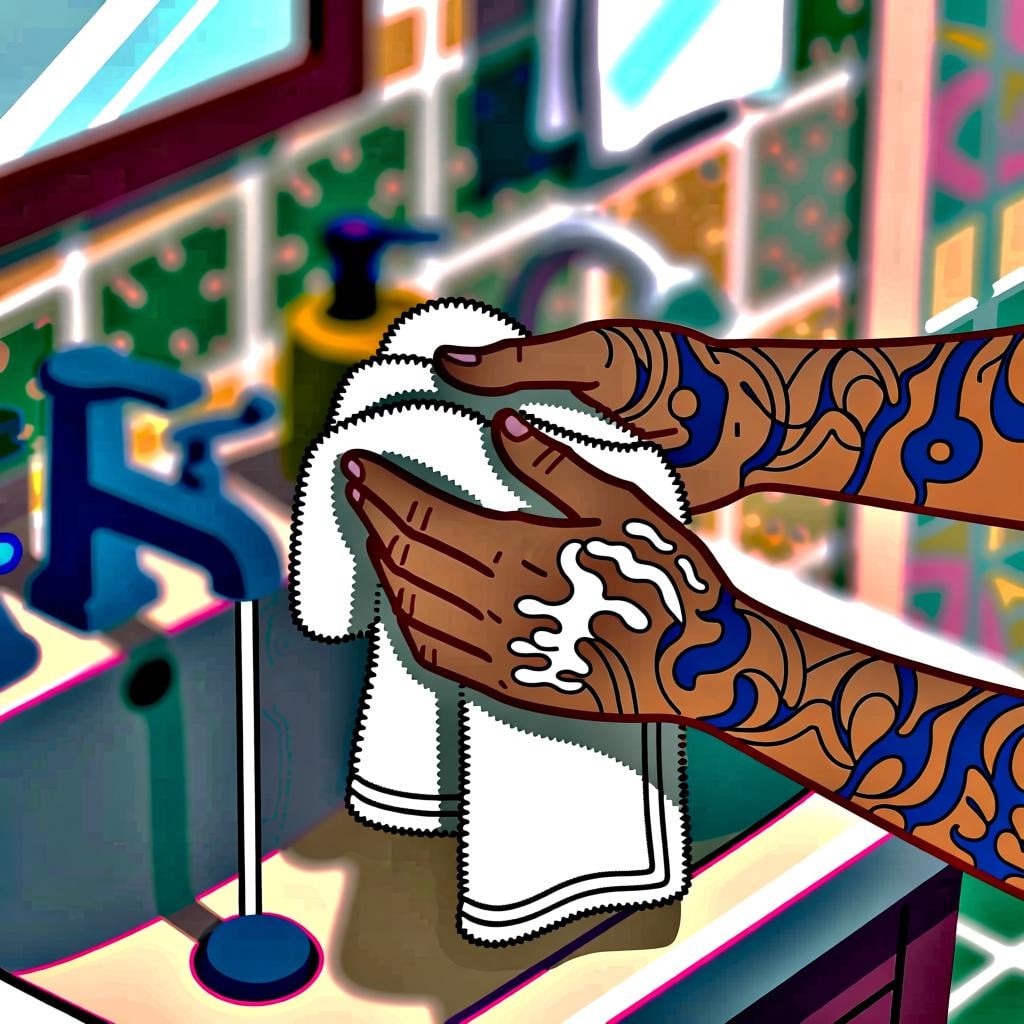
Lávate las manos después del trabajo.
A2Wash your hands after work.
Todo cambió después de ese día.
B1Everything changed after that day.
Word Connections
📝 In Action
Después de comer, me gusta descansar.
A2After eating, I like to rest.
Llámame después de llegar a casa.
A2Call me after arriving home.
Se sintió mejor después de hablar con ella.
B1He felt better after talking with her.
Word Connections

📝 In Action
Me fui después de que llegaste.
B1I left after you arrived.
Limpiamos la cocina después de que todos se fueron.
B1We cleaned the kitchen after everyone left.
Lo entendí mucho después de que me lo explicara.
B2I understood it long after he had explained it to me.
Word Connections
🔀 Commonly Confused With
Translate to Spanish
Words that translate to "después" in Spanish:
✏️ Quick Practice
Quick Quiz: después
Question 1 of 3
Which sentence correctly says 'I'm going to read after eating'?
📚 More Resources
👥 Word Family
📚 Etymology
Comes from the Old Spanish 'después', which is a combination of 'de' and 'ex post' from Latin. 'Ex post' literally means 'from after', which perfectly captures the word's meaning of following something else in time.
First recorded: Around the 12th century
Cognates (Related words)
💡 Master Spanish
Take your Spanish to the next level. Read 200+ illustrated and narrated Spanish stories tailored to your level with the Inklingo app!
Frequently Asked Questions
What's the difference between 'después', 'luego', and 'entonces'?
They can all mean 'then', but with slight differences. 'Después' means 'afterwards' and often implies a clear separation in time. 'Luego' means 'then' or 'later' and often suggests the very next action. 'Entonces' is more like 'so then' or 'at that moment', often showing a consequence or a shift in the story.
Do I always need 'de' after 'después'?
Not always! If you mean 'afterwards' or 'later' in a general sense, you use 'después' alone (e.g., 'Lo haré después' - I'll do it later). You need 'de' when you are specifying what you are after (e.g., 'después de la clase' - after the class; 'después de comer' - after eating).
Is it 'después que' or 'después de que'?
This is a tricky one! When connecting two full sentences (like 'I left after you arrived'), the most formally correct way is 'después de que'. However, in everyday speech, many people drop the 'de' and just say 'después que'. Both are widely understood.