antaño
“antaño” means “in days of yore” in Spanish (referring to a distant past).
in days of yore
Also: long ago, formerly, of old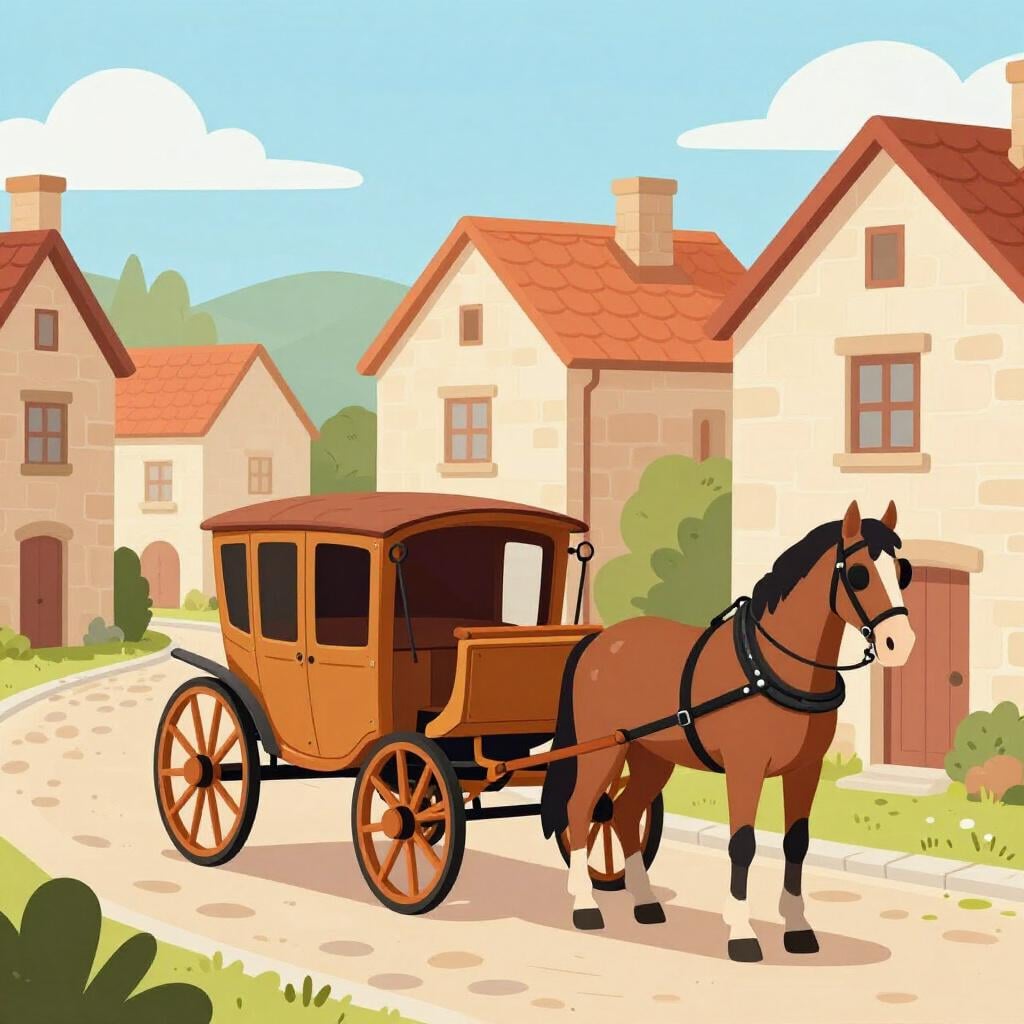
📝 In Action
Antaño, la gente solía viajar a caballo por estos senderos.
B1In days of yore, people used to travel by horse along these paths.
Las costumbres de antaño eran mucho más estrictas que las de hoy.
B2The customs of yesteryear were much stricter than those of today.
El pueblo ya no es el remanso de paz que fue antaño.
C1The village is no longer the haven of peace it was long ago.
✏️ Quick Practice
Quick Quiz: antaño
Question 1 of 3
Which word is a more common, everyday alternative to 'antaño'?
📚 More Resources
👥 Word Family▼
📚 Etymology▼
Derived from the Latin phrase 'ante annum,' which literally means 'the year before.' Over time, it evolved from meaning 'last year' to meaning any time in the distant past.
First recorded: 13th century
Cognates (Related words)
💡 Master Spanish
Take your Spanish to the next level. Read 200+ illustrated and narrated Spanish stories tailored to your level with the Inklingo app!
Frequently Asked Questions
Is 'antaño' the same as 'ayer'?
No. 'Ayer' means specifically 'yesterday.' 'Antaño' refers to a much broader and more distant time, usually years or decades ago.
Can I use 'antaño' to talk about something that happened last week?
Not really. It would sound very strange or sarcastic. Use it for things that feel like they belong to a different era.
Is 'hogaño' the opposite of 'antaño'?
Technically, yes. 'Hogaño' means 'this year' or 'nowadays,' but it is even rarer than 'antaño' and is almost never used in modern speech.