How to Say "formerly" in Spanish
The most common Spanish word for “formerly” is “antes” — use 'antes' when you simply mean 'before' or 'in the past' without any specific emphasis on a former state or a distant time.

antes
ahn-tessˈantes
Examples
Yo vivía en Madrid antes.
I lived in Madrid before.
Antes, los teléfonos no tenían internet.
Previously, phones didn't have internet.
Piénsalo bien antes.
Think about it well first.
Stands on its Own
You can use 'antes' all by itself at the end of a sentence to mean 'before now' or 'in the past.' For example, 'No lo había visto antes' (I hadn't seen it before).
anteriormente
an-te-riohr-MEN-tehan.te.ɾjoɾˈmen.te

Examples
Anteriormente, trabajaba como profesora de historia.
Previously, I worked as a history teacher.
El edificio, anteriormente una biblioteca, es ahora un restaurante.
The building, formerly a library, is now a restaurant.
Aunque anteriormente se había negado, la junta directiva aprobó el plan de expansión.
Although it had previously been denied, the board of directors approved the expansion plan.
Adverb Placement
Like many adverbs ending in -mente, 'anteriormente' usually sits near the verb it describes, or at the beginning of the sentence to set the scene.
Using 'anterior' instead
Mistake: “Usé el libro anterior.”
Correction: The word 'anterior' is an adjective (previous/former), so you must add the -mente ending to turn it into an adverb meaning 'previously' or 'formerly' (Usé el libro anteriormente).
antaño
an-TAH-nyohanˈtaɲo

Examples
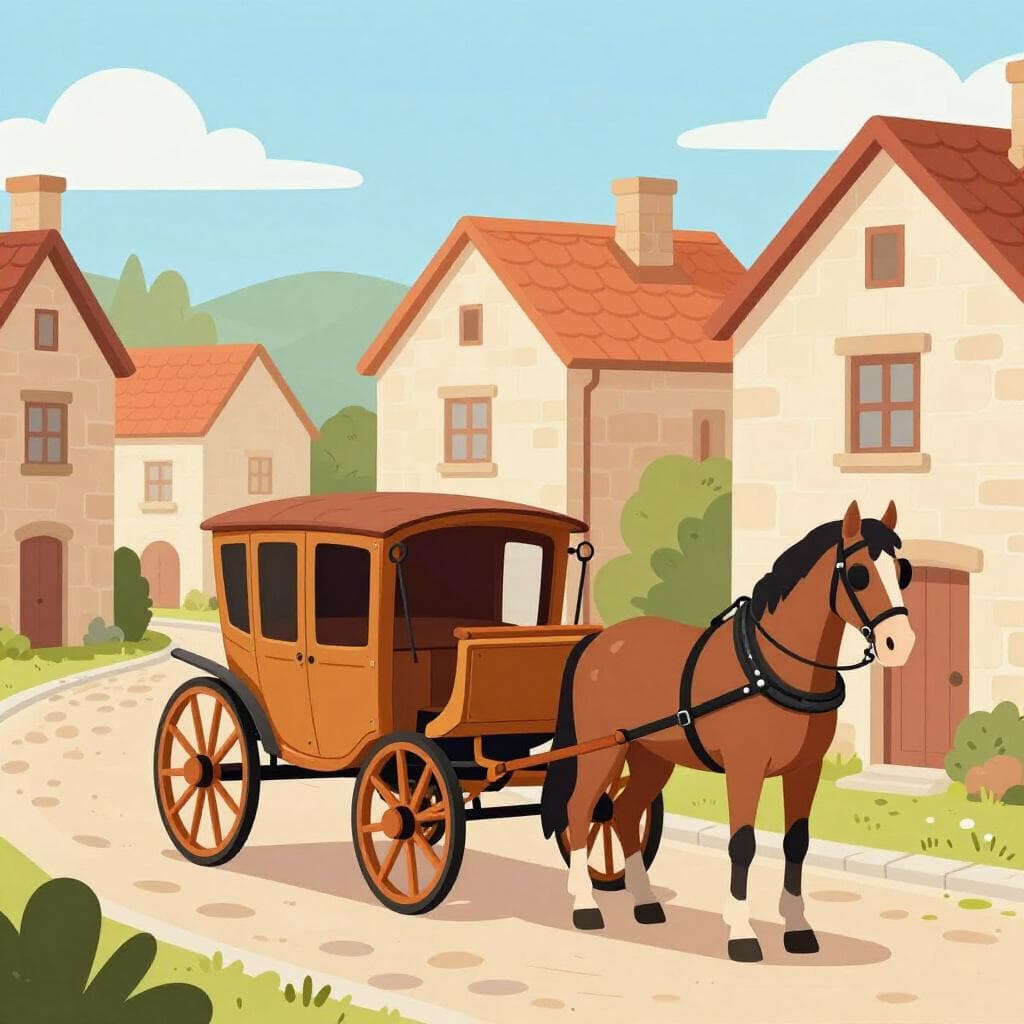
Antaño, la gente solía viajar a caballo por estos senderos.
In days of yore, people used to travel by horse along these paths.
Las costumbres de antaño eran mucho más estrictas que las de hoy.
The customs of yesteryear were much stricter than those of today.
El pueblo ya no es el remanso de paz que fue antaño.
The village is no longer the haven of peace it was long ago.
Using 'de' with Antaño
When you want to describe a thing from the past (like 'traditions of old'), place 'de antaño' directly after the thing you are talking about.
Position in the Sentence
You can use this word at the very beginning of a sentence to set a nostalgic tone, or at the end to emphasize how things have changed.
Don't use 'en' before 'antaño'
Mistake: “En antaño vivíamos mejor.”
Correction: Antaño vivíamos mejor.
Choosing Between 'Antes' and 'Anteriormente'
Related Translations
Learn Spanish with Inklingo
Interactive stories, personalized learning, and more.