alba
“alba” means “dawn” in Spanish. It has 2 different meanings depending on context:

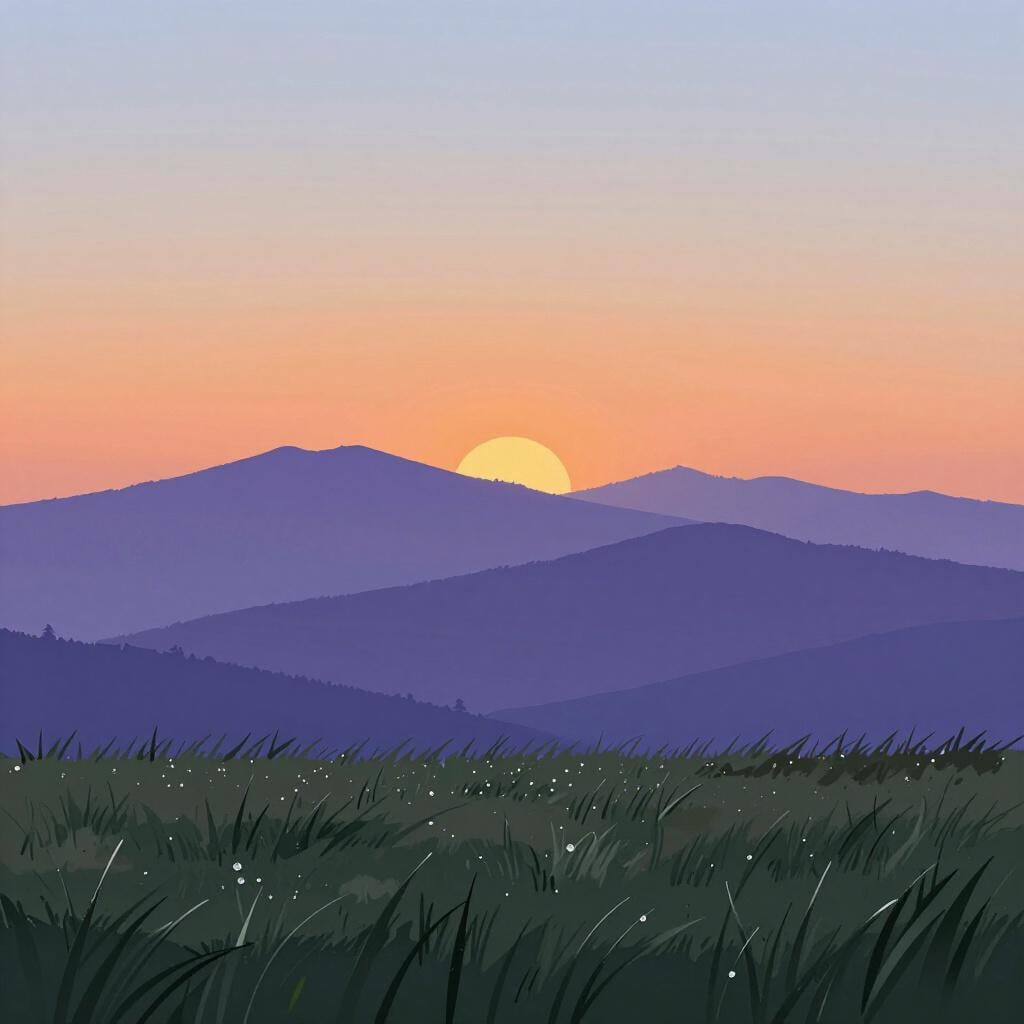
dawnAlso: daybreak
📝 In Action
Los pescadores salieron al mar al alba.
B1The fishermen went out to sea at dawn.
Me gusta caminar por la playa durante el alba.
B1I like walking on the beach during daybreak.
Word Connections
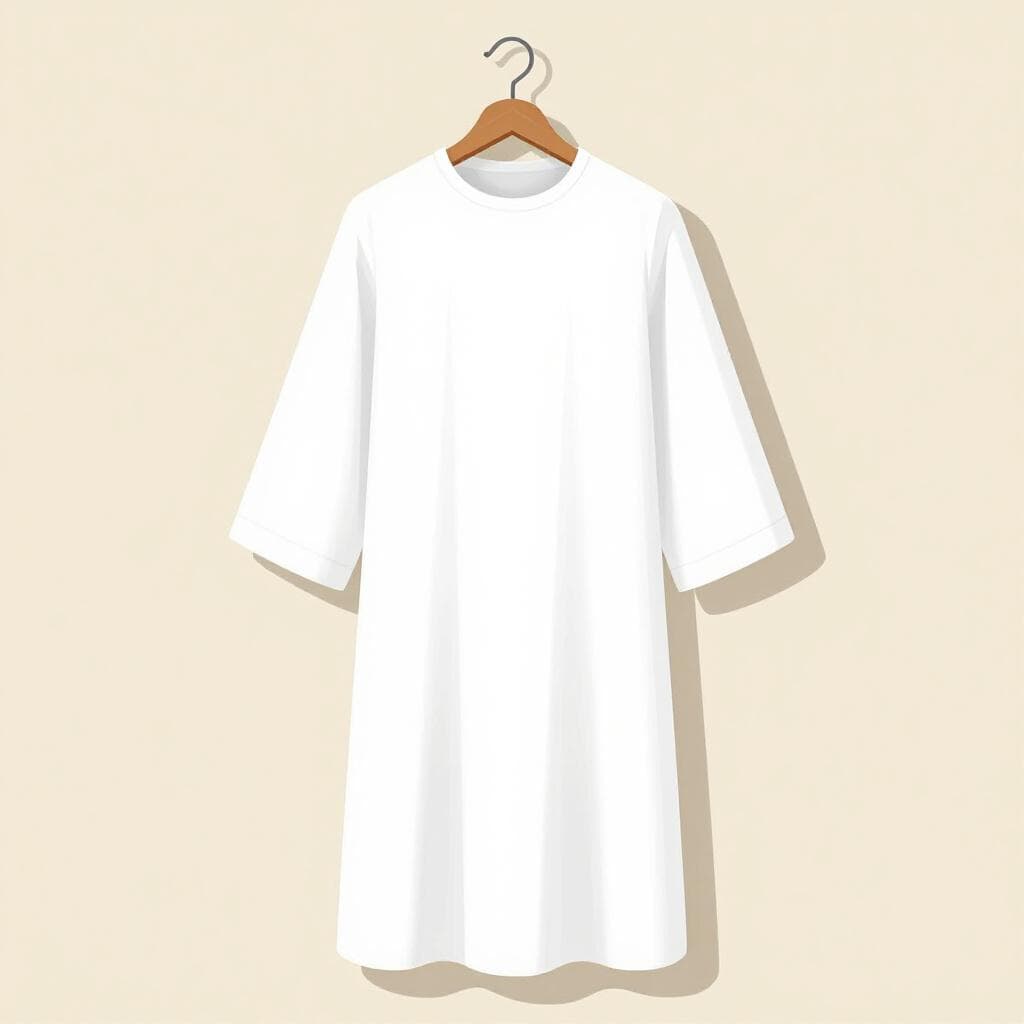
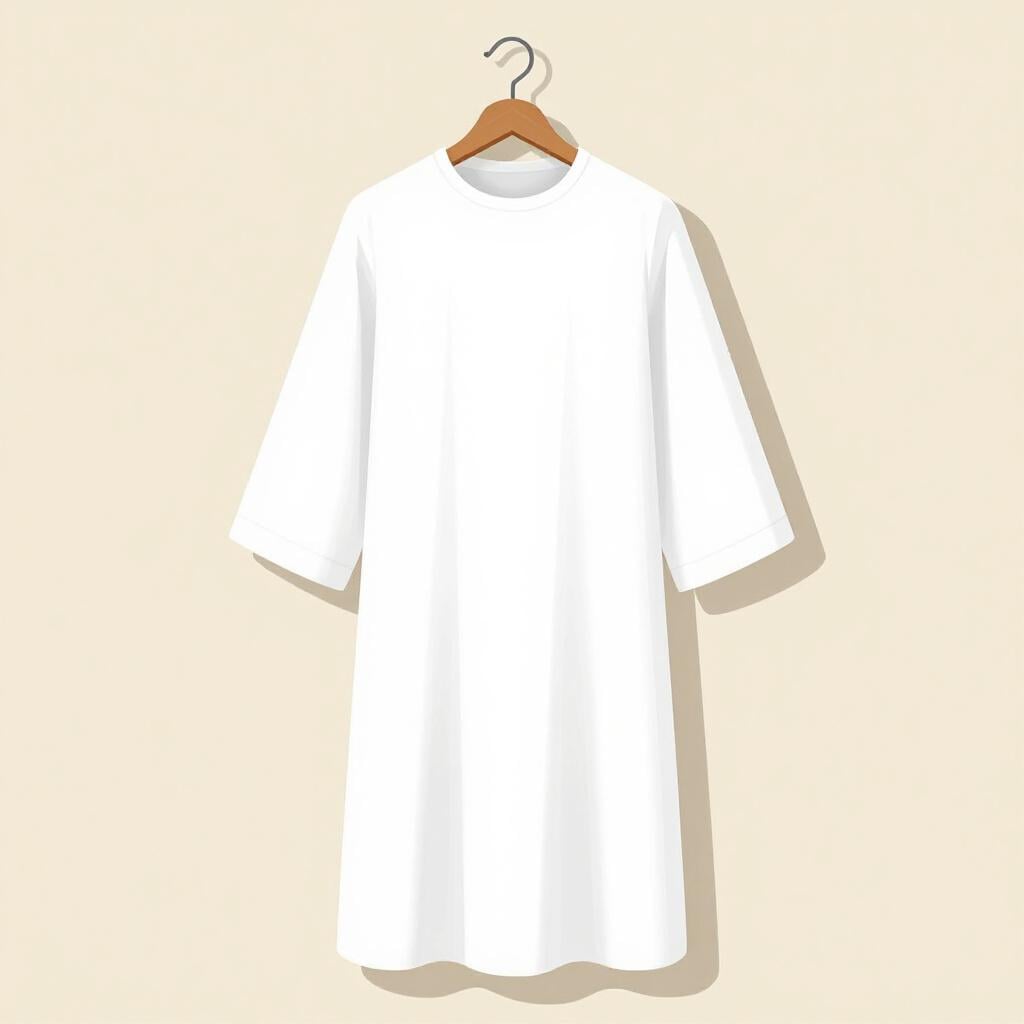
albAlso: white tunic
📝 In Action
El sacerdote se puso el alba antes de la misa.
C1The priest put on the alb before the mass.
Word Connections
Translate to Spanish
Words that translate to "alba" in Spanish:
✏️ Quick Practice
Quick Quiz: alba
Question 1 of 2
Which article should you use with 'alba' in the singular form?
📚 More Resources
👥 Word Family
🎵 Rhymes
📚 Etymology
From the Latin word 'albus,' which simply means 'white.' It refers to the white light that appears in the sky before sunrise.
First recorded: 12th century
Cognates (Related words)
💡 Master Spanish
Take your Spanish to the next level. Read 200+ illustrated and narrated Spanish stories tailored to your level with the Inklingo app!
Frequently Asked Questions
Is 'alba' a common name?
Yes, 'Alba' is a very popular female first name in Spain and Latin America, symbolizing 'brightness' or 'new beginnings'.
Is 'alba' masculine or feminine?
It is technically a feminine noun. Even though we say 'el alba', you should use feminine adjectives, like 'el alba blanca' (the white dawn).