Days & Months in Spanish
Learning the days of the week and months of the year in Spanish is super practical for everyday conversations. You'll use these words constantly when making plans, talking about events, or just discussing what day it is. Interestingly, Spanish doesn't capitalize days and months like English does, which is a common slip-up for learners!
Quick Reference
| Spanish | English | Example | Level |
|---|---|---|---|
abril | April | Mi cumpleaños es en abril. | A1 |
agosto | August | Mis vacaciones de verano son siempre en agosto. | A1 |
diciembre | December | Mi cumpleaños es en diciembre. | A1 |
domingo | Sunday | El domingo vamos a visitar a la abuela. | A1 |
enero | January | Mi cumpleaños es en enero. | A1 |
jueves | Thursday | Mi clase de español es el jueves. | A1 |
julio | July | Mi familia viaja a la playa en julio. | A1 |
junio | June | Mi cumpleaños es el diez de junio. | A1 |
lunes | Monday | El lunes empiezo mi nuevo trabajo. | A1 |
martes | Tuesday | La reunión es el martes a las diez de la mañana. | A1 |
marzo | March | Mi hermana mayor nació en marzo. | A1 |
may. | May | Mi cumpleaños es el 15 de may. | A1 |
A1 — Beginner (21 words)
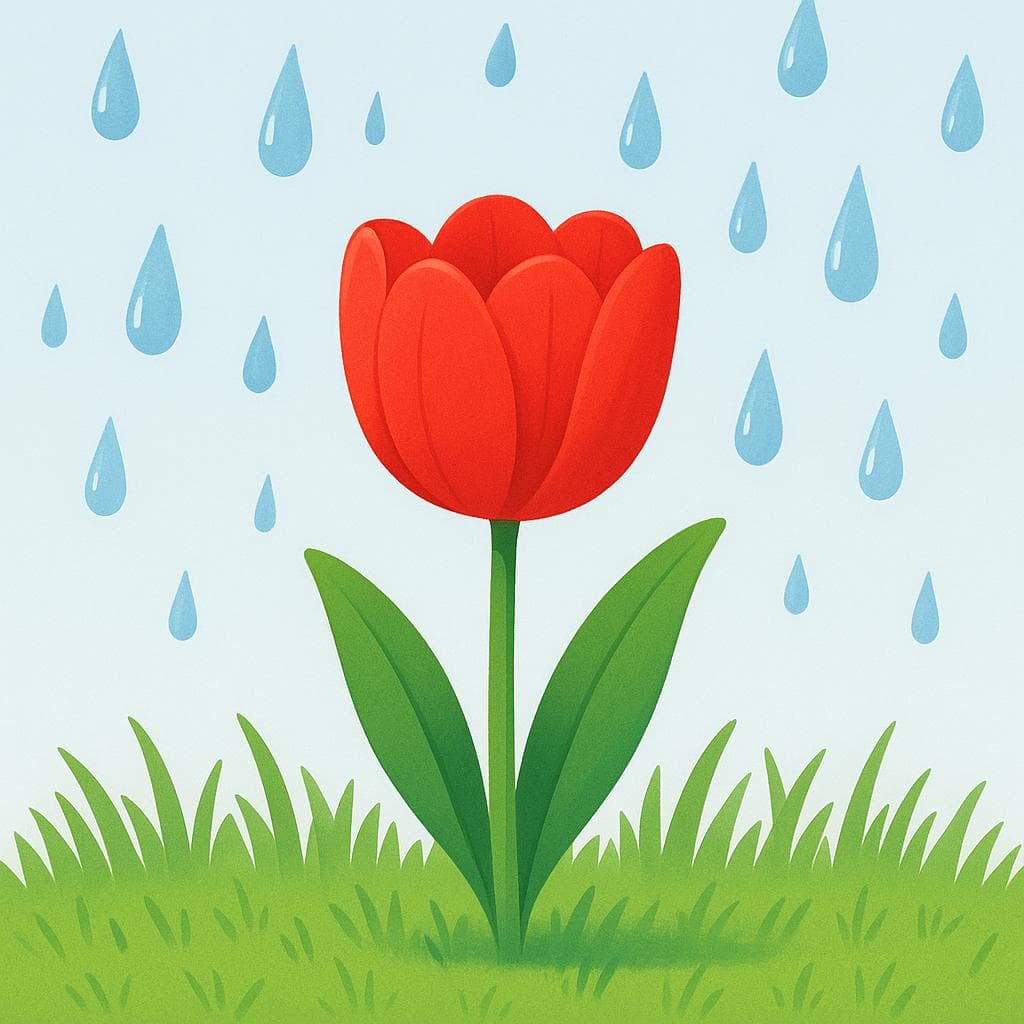
April
“Mi cumpleaños es en abril.”

August
“Mis vacaciones de verano son siempre en agosto.”

December
“Mi cumpleaños es en diciembre.”

Sunday
“El domingo vamos a visitar a la abuela.”

January
“Mi cumpleaños es en enero.”

Thursday
“Mi clase de español es el jueves.”

July
“Mi familia viaja a la playa en julio.”

June
“Mi cumpleaños es el diez de junio.”

Monday
“El lunes empiezo mi nuevo trabajo.”

Tuesday
“La reunión es el martes a las diez de la mañana.”
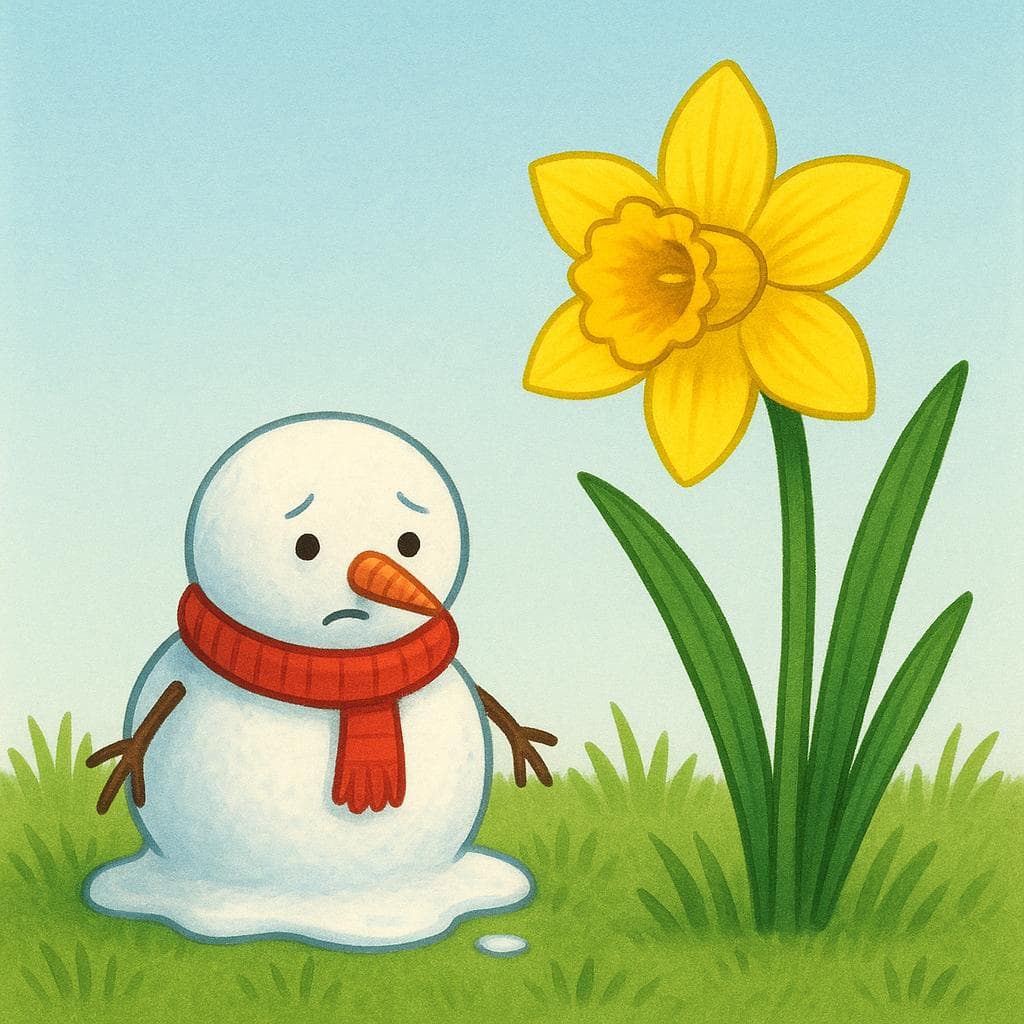
March
“Mi hermana mayor nació en marzo.”

May
“Mi cumpleaños es el 15 de may.”
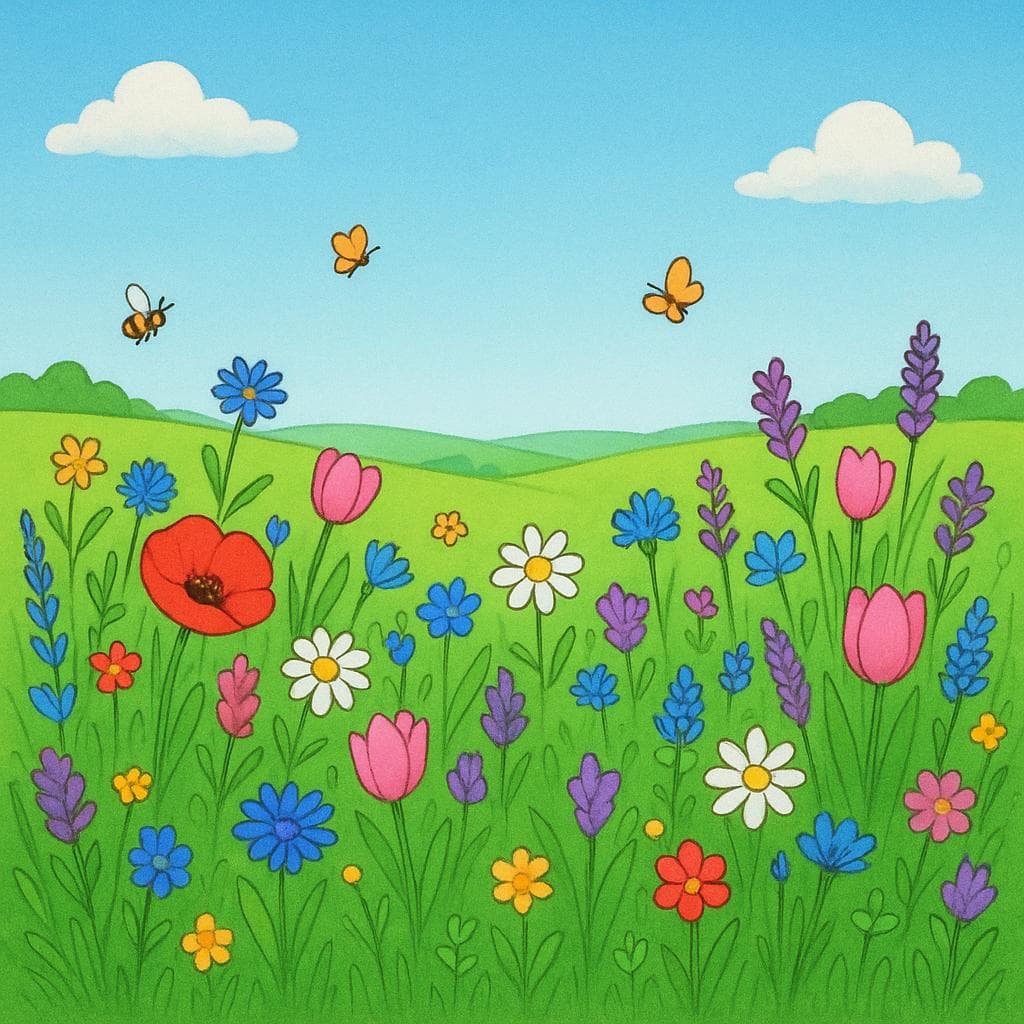
May
“Viajamos a la playa en mayo, cuando hace buen tiempo.”
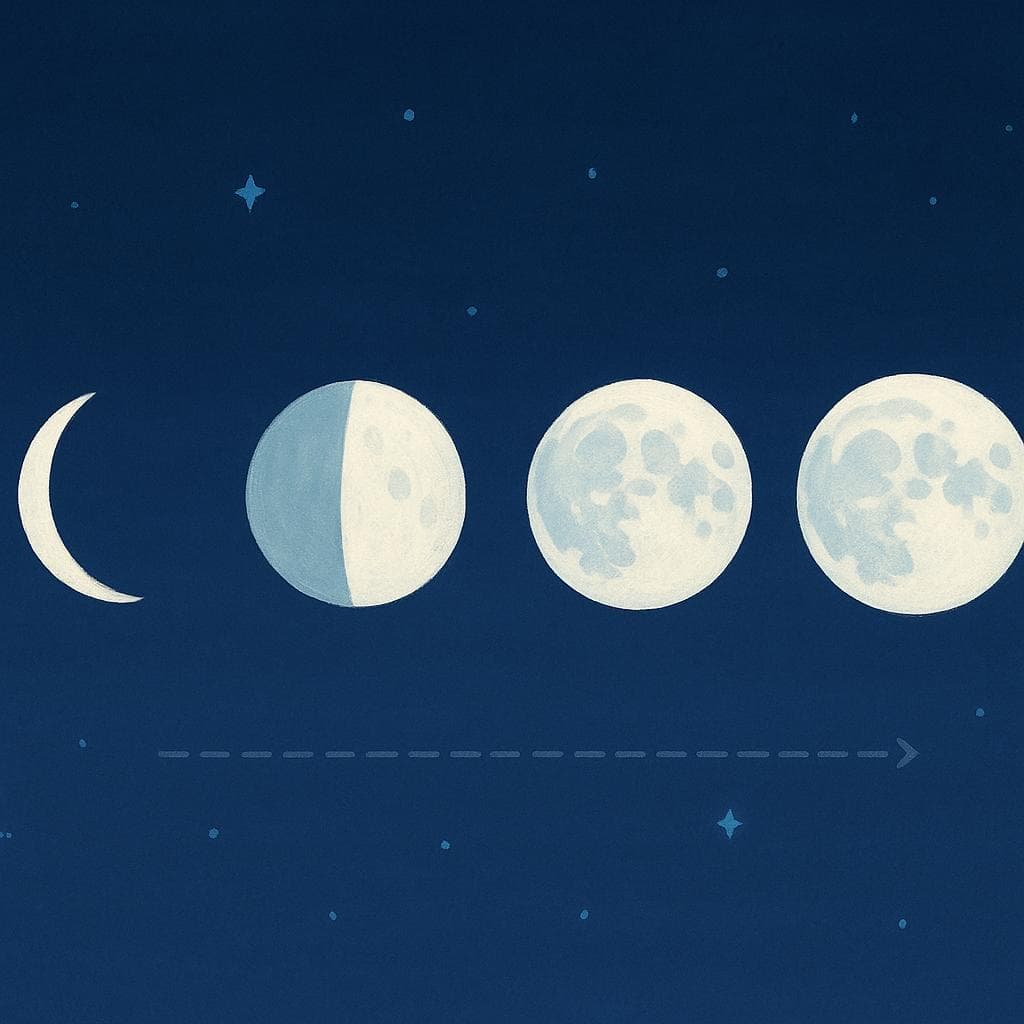
month
“Enero es el primer mes del año.”
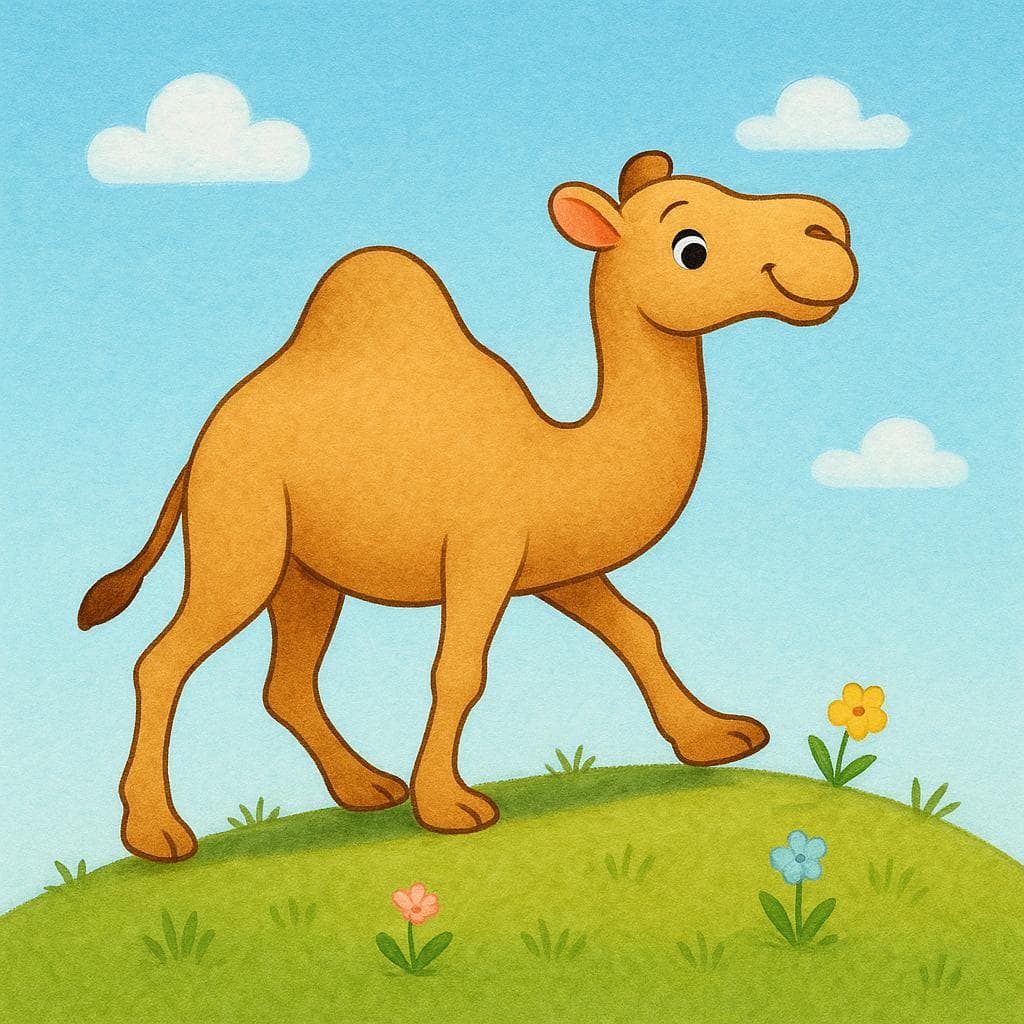
Wednesday
“Tenemos una reunión importante el miércoles por la mañana.”
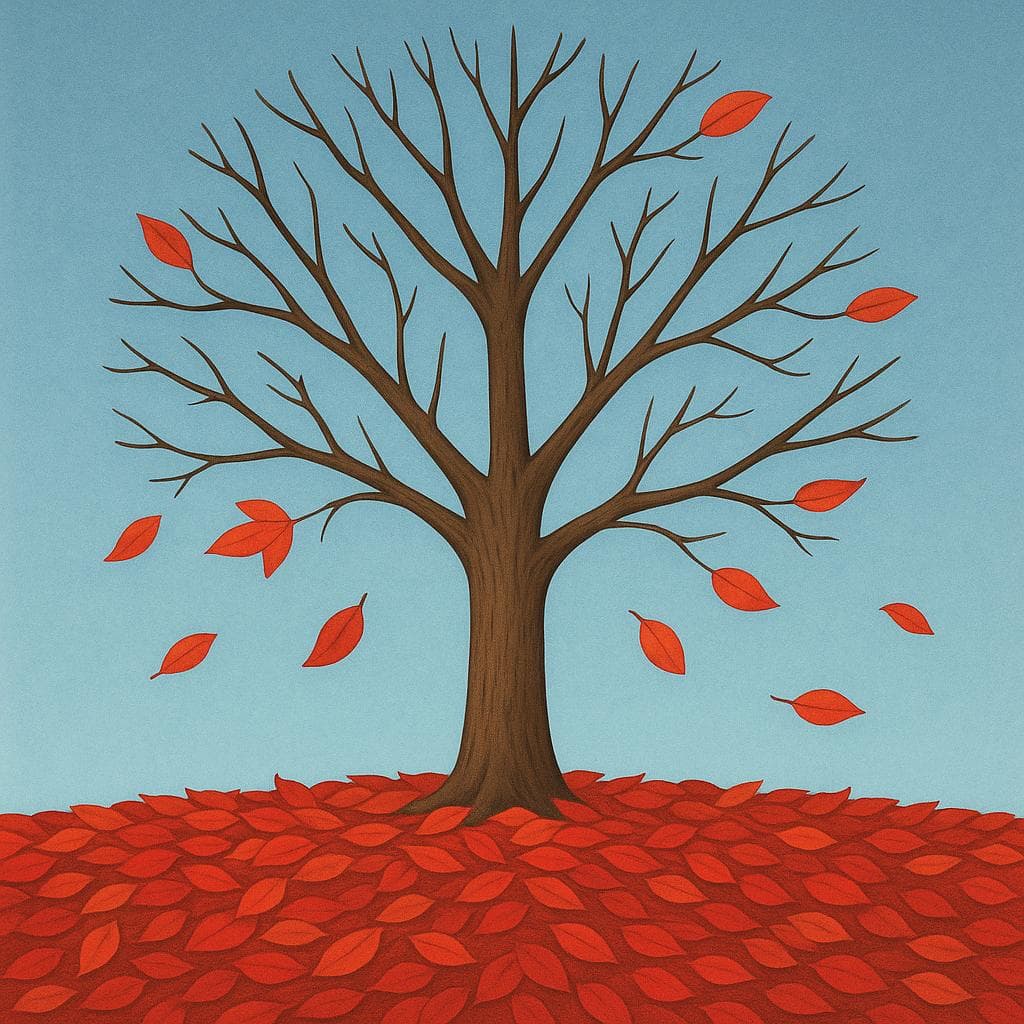
November
“Mi cumpleaños es el siete de noviembre.”
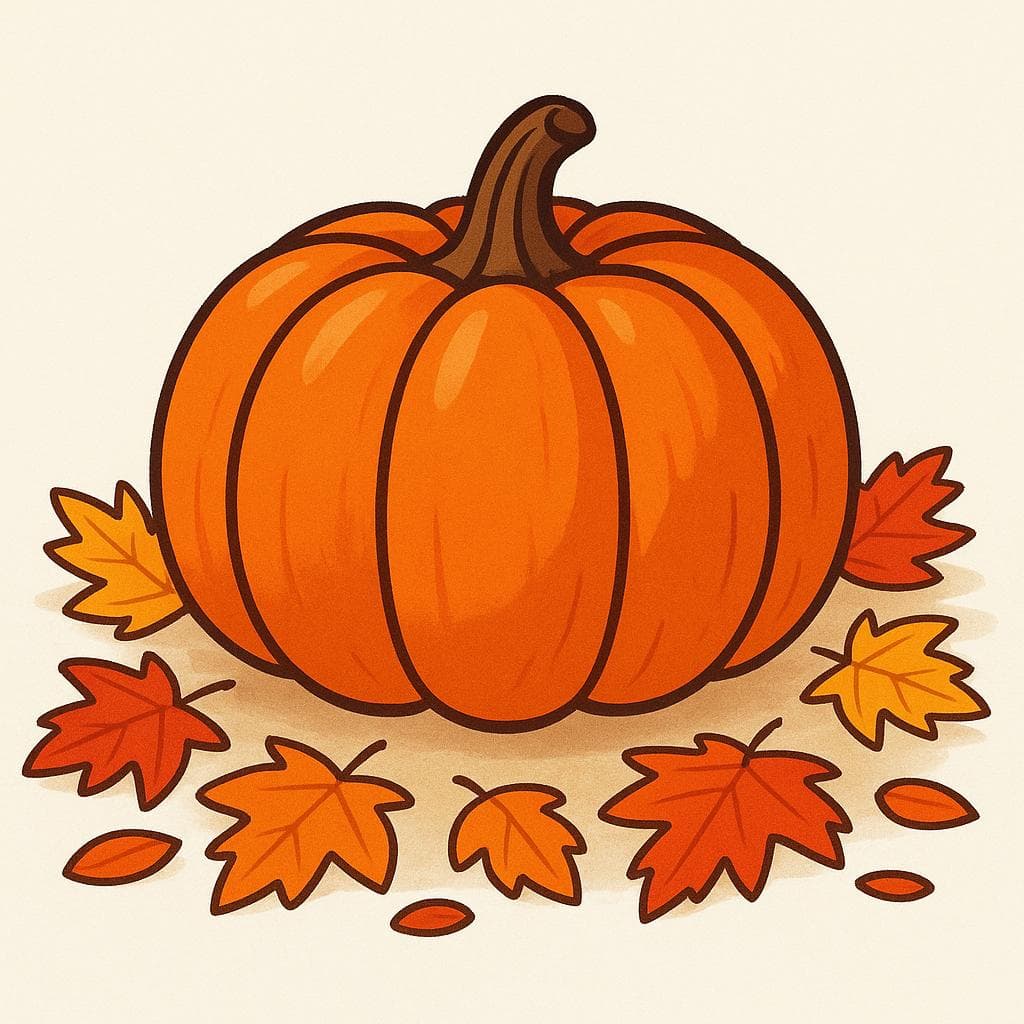
October
“Mi cumpleaños es en octubre.”

Saturday
“El sábado vamos al parque si hace buen tiempo.”
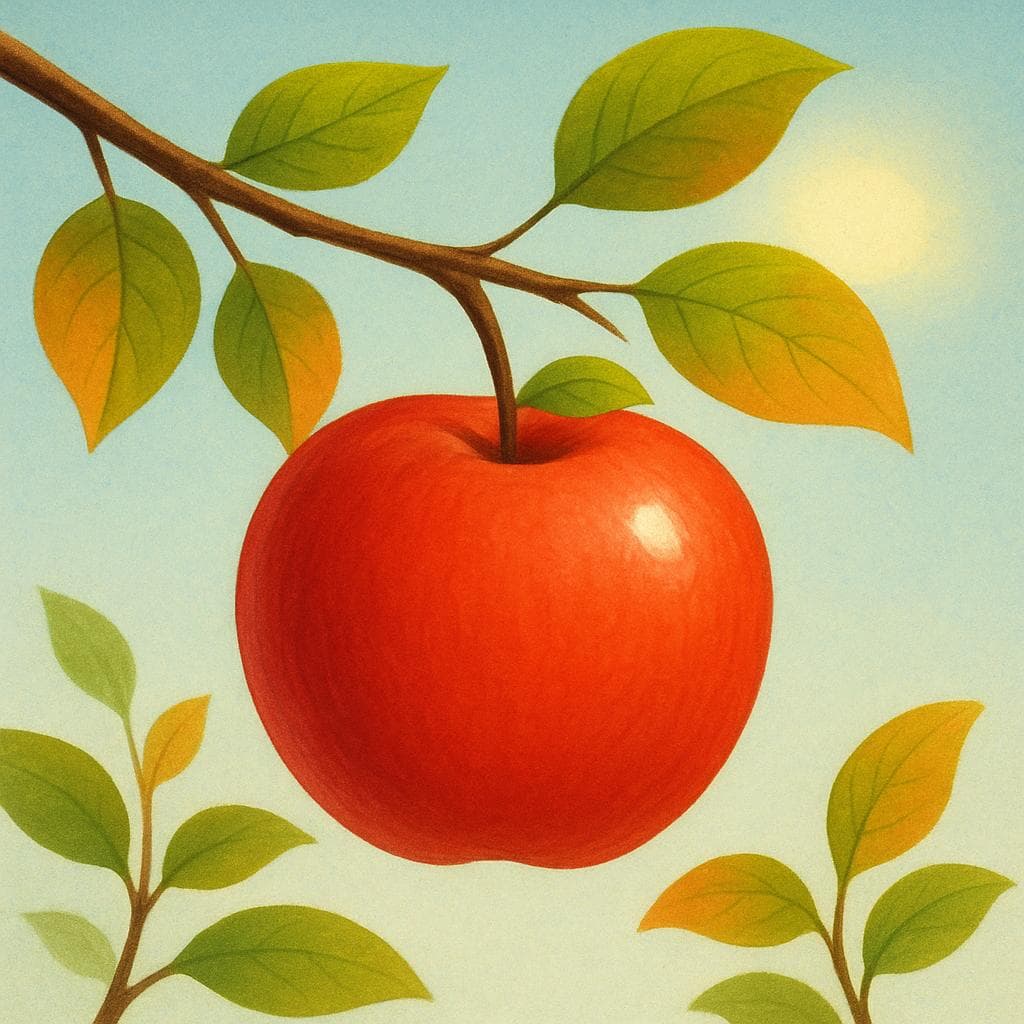
September
“Mi cumpleaños es en septiembre.”
Friday
“Hoy es viernes, ¡por fin!”
June
“La reunión es el 12 de jun.”
Grammar Tips
Days & Months: Lowercase & Singular
In Spanish, days of the week and months are not capitalized unless they start a sentence. They are also typically used in the singular form. For example, 'el lunes' means 'Monday' and 'los lunes' means 'Mondays'.
Using 'el' with Days
When referring to a specific day of the week, Spanish often uses the definite article 'el'. For example, 'El martes tengo una reunión.' (On Tuesday I have a meeting.) This is similar to saying 'the Tuesday' in English, but it's the standard way to express 'on [day]'.
Pluralizing Days for Habits
To talk about recurring events, use the plural form of the day with the definite article. For instance, 'Los domingos comemos paella' means 'On Sundays we eat paella.' This signals a regular habit on that particular day.
Common Mistakes
Capitalization Error
Mistake: “Me gusta Enero.”
Correction: Me gusta enero. — Months and days of the week are not capitalized in Spanish unless they begin a sentence.
Incorrect Article for Habits
Mistake: “Yo trabajo el Lunes.”
Correction: Yo trabajo los lunes. — When referring to a habitual action on a specific day, use the plural definite article 'los' (or 'las' for feminine days, though all days are masculine) before the day of the week.
Using 'in' instead of 'on'
Mistake: “En Lunes voy al cine.”
Correction: El lunes voy al cine. — For specific days, use 'el' (or 'los' for habitual actions), not 'en', to indicate 'on' a particular day.
Cultural Notes
Weekend & Weekdays
In many Spanish-speaking countries, the weekend is referred to as 'el fin de semana'. While most countries follow the standard Gregorian calendar for months, some regional traditions or festivals might be tied to specific times of the year, but the month names themselves are consistent.