primavera
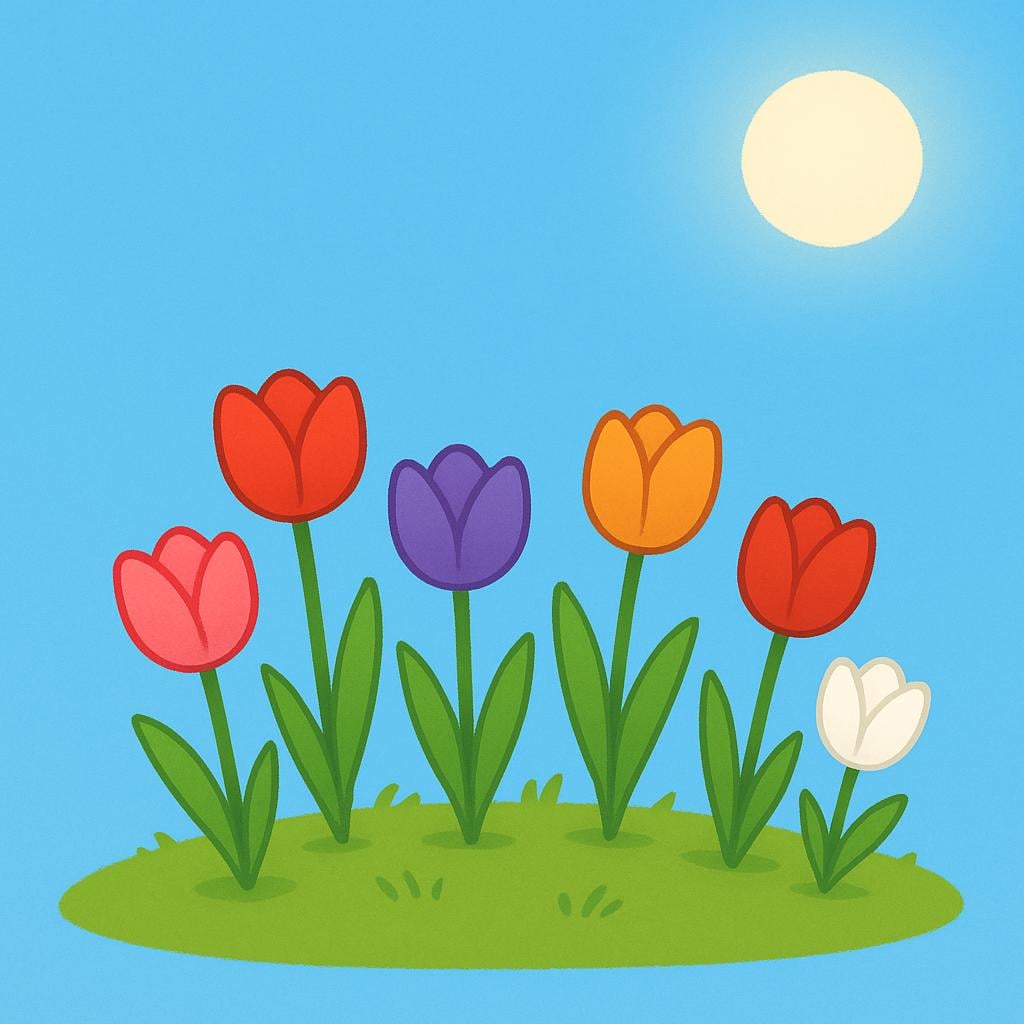
“primavera” means “spring” in Spanish (The season after winter).
springAlso: youth, springtime
📝 In Action
Mi estación favorita es la primavera porque todo florece.
A1My favorite season is spring because everything blooms.
En primavera, el clima es templado y agradable.
A2In spring, the weather is mild and pleasant.
Dicen que el amor es la primavera de la vida.
B1They say that love is the spring (or youth) of life.
Word Connections
Translate to Spanish
Words that translate to "primavera" in Spanish:
✏️ Quick Practice
Quick Quiz: primavera
Question 1 of 1
Which sentence correctly uses 'primavera'?
📚 More Resources
👥 Word Family
📚 Etymology
It comes from the Latin phrase *prīma vēra*, which literally meant 'the first spring' or 'the beginning of spring.' It describes the season as the first part of the year's growing cycle.
First recorded: 13th century
Cognates (Related words)
💡 Master Spanish
Take your Spanish to the next level. Read 200+ illustrated and narrated Spanish stories tailored to your level with the Inklingo app!
Frequently Asked Questions
Does 'primavera' only refer to the season?
While its main meaning is the season of spring, it is often used figuratively to mean 'youth,' 'the beginning,' or 'the best time' of something, such as in the phrase 'la primavera de la vida' (the spring/prime of life).
When does 'primavera' start in Spanish-speaking countries?
The start date depends on the hemisphere: around March 21st in the Northern Hemisphere (like Spain and Mexico), and around September 21st in the Southern Hemisphere (like Chile and Argentina).