How to Say "spring" in Spanish
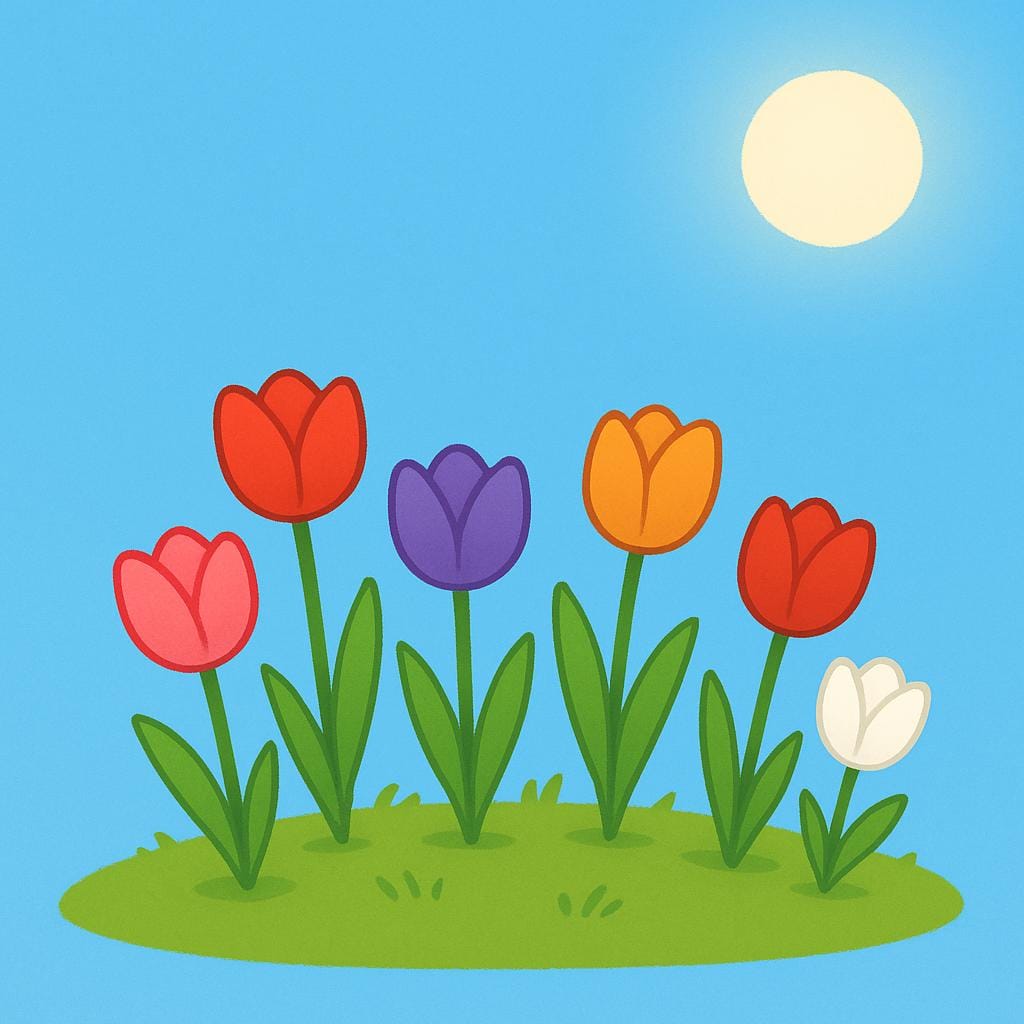
The most common Spanish word for “spring” is “primavera” — use 'primavera' when referring to the season that follows winter and precedes summer, characterized by blooming flowers and warmer weather.
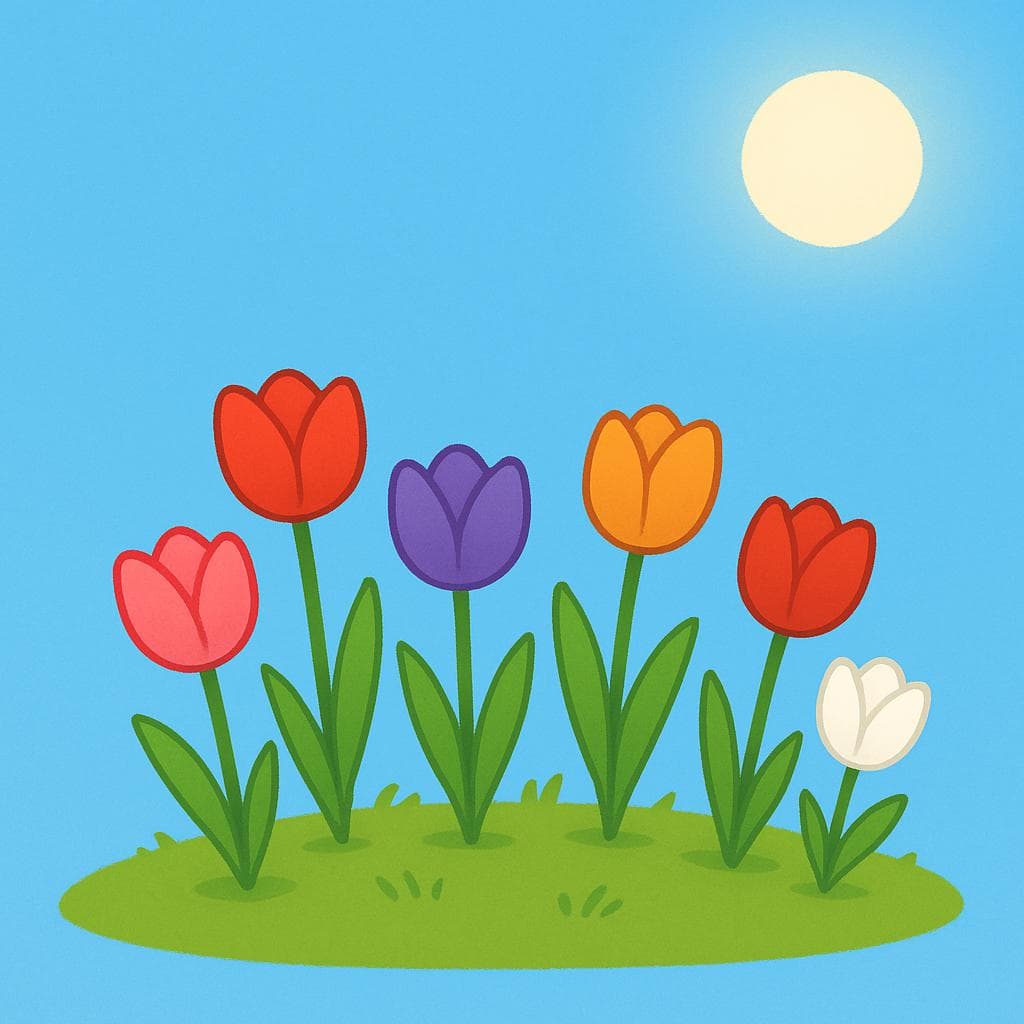
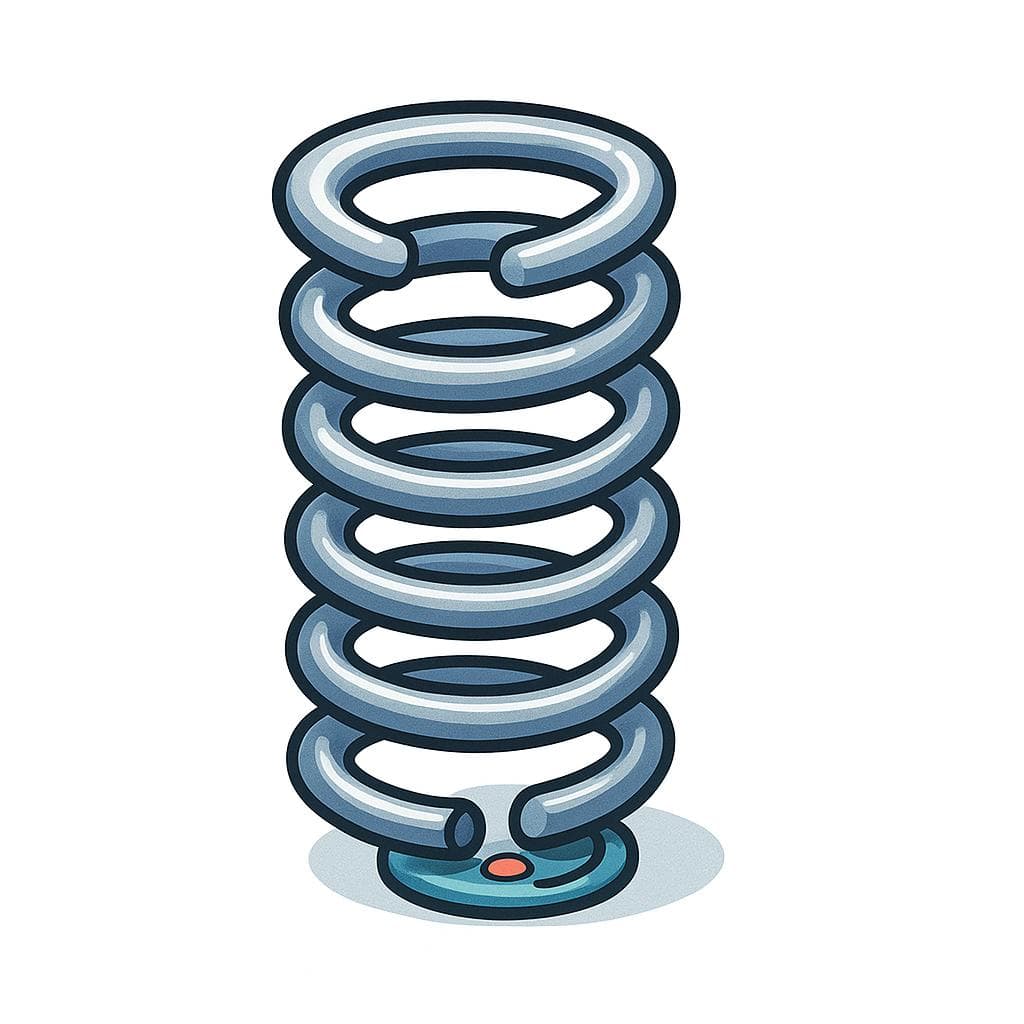
primavera
pree-mah-VEH-rahpɾimaˈβeɾa
Examples
Mi estación favorita es la primavera porque todo florece.
My favorite season is spring because everything blooms.
En primavera, el clima es templado y agradable.
In spring, the weather is mild and pleasant.
Dicen que el amor es la primavera de la vida.
They say that love is the spring (or youth) of life.
Gender Alert
Remember that 'primavera' is a feminine word, so you must use feminine articles and adjectives with it (e.g., 'la primavera,' 'una hermosa primavera').
Using the Article
Unlike English, Spanish usually requires the definite article ('la') when speaking about seasons in general, such as when stating a preference: 'Me gusta la primavera' (I like spring).
Forgetting the Article
Mistake: “Mi estación favorita es primavera.”
Correction: Mi estación favorita es **la** primavera. (Seasons usually need 'la' or 'el' when used as the subject or object of preference.)
fuente
FWEHN-tehˈfwen̪.te
Examples
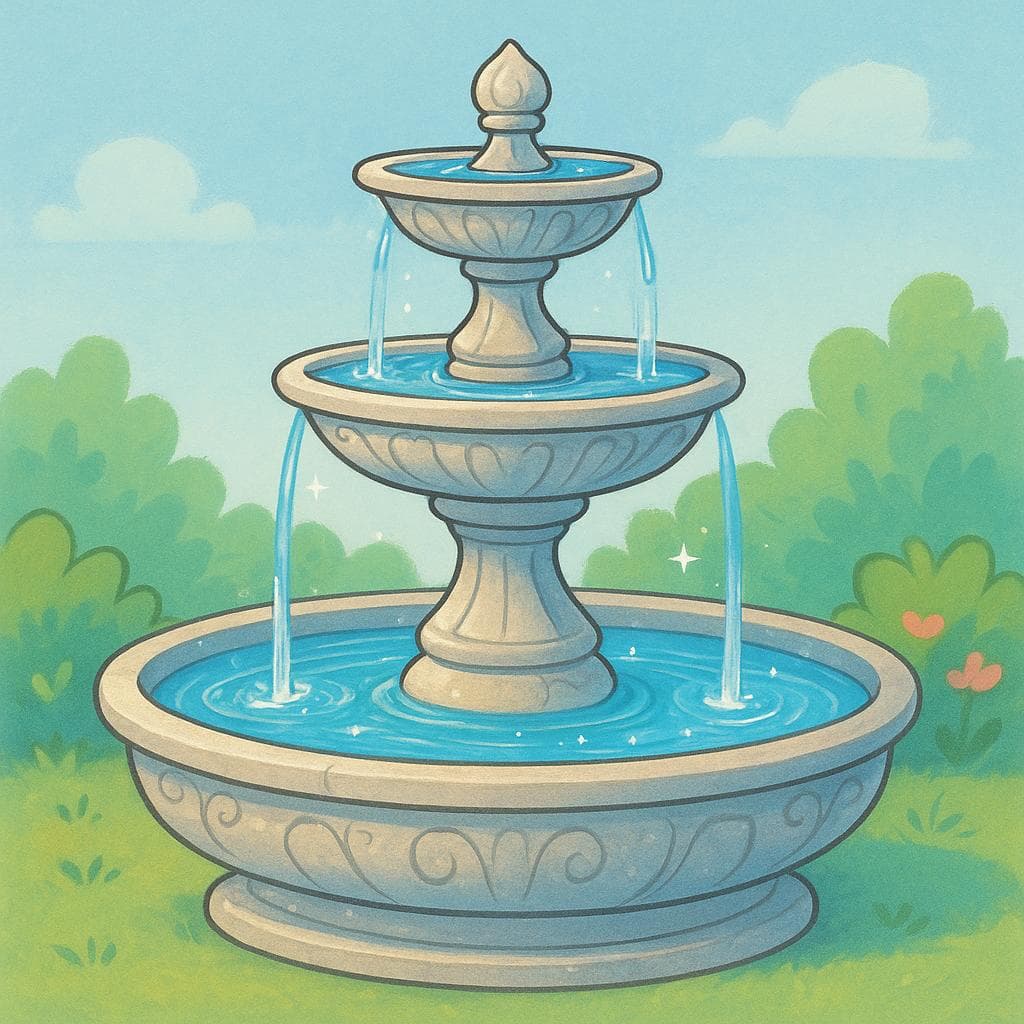
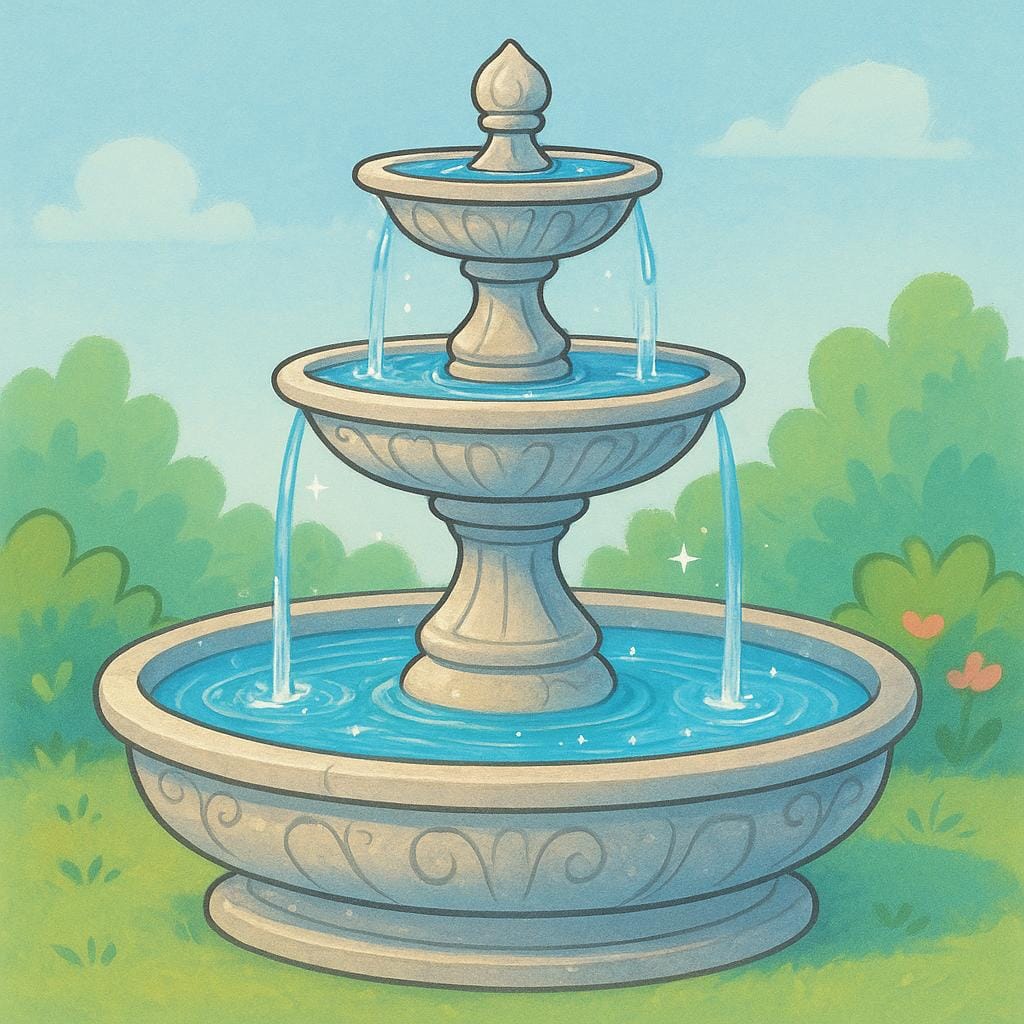
Hay una fuente muy bonita en el centro de la plaza.
There is a very beautiful fountain in the center of the square.
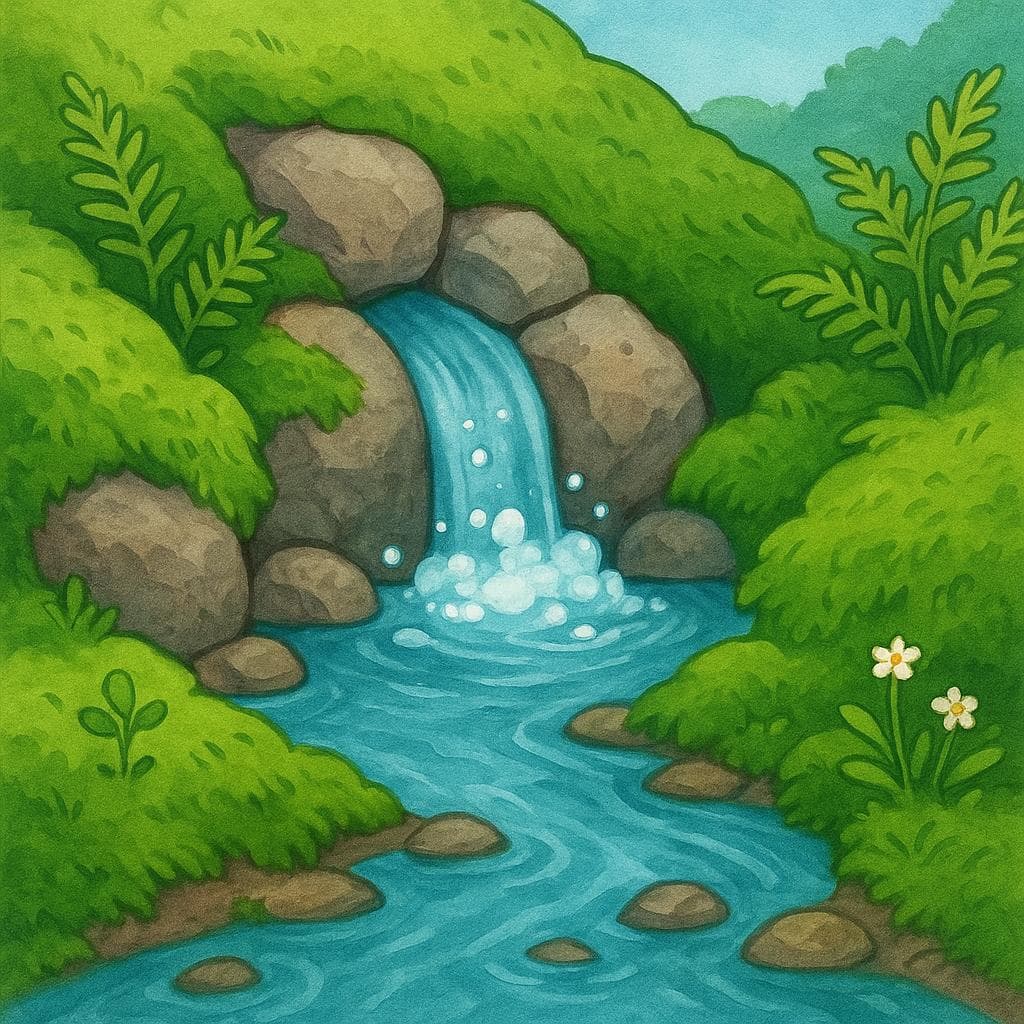
El pueblo obtiene agua de una fuente natural en la montaña.
The town gets water from a natural spring in the mountain.
Gender Reminder
Even though 'fuente' ends in '-e', it is feminine (la fuente). Always remember to use feminine articles and adjectives with it.
muelle
MWEH-yehˈmweʎe
Examples
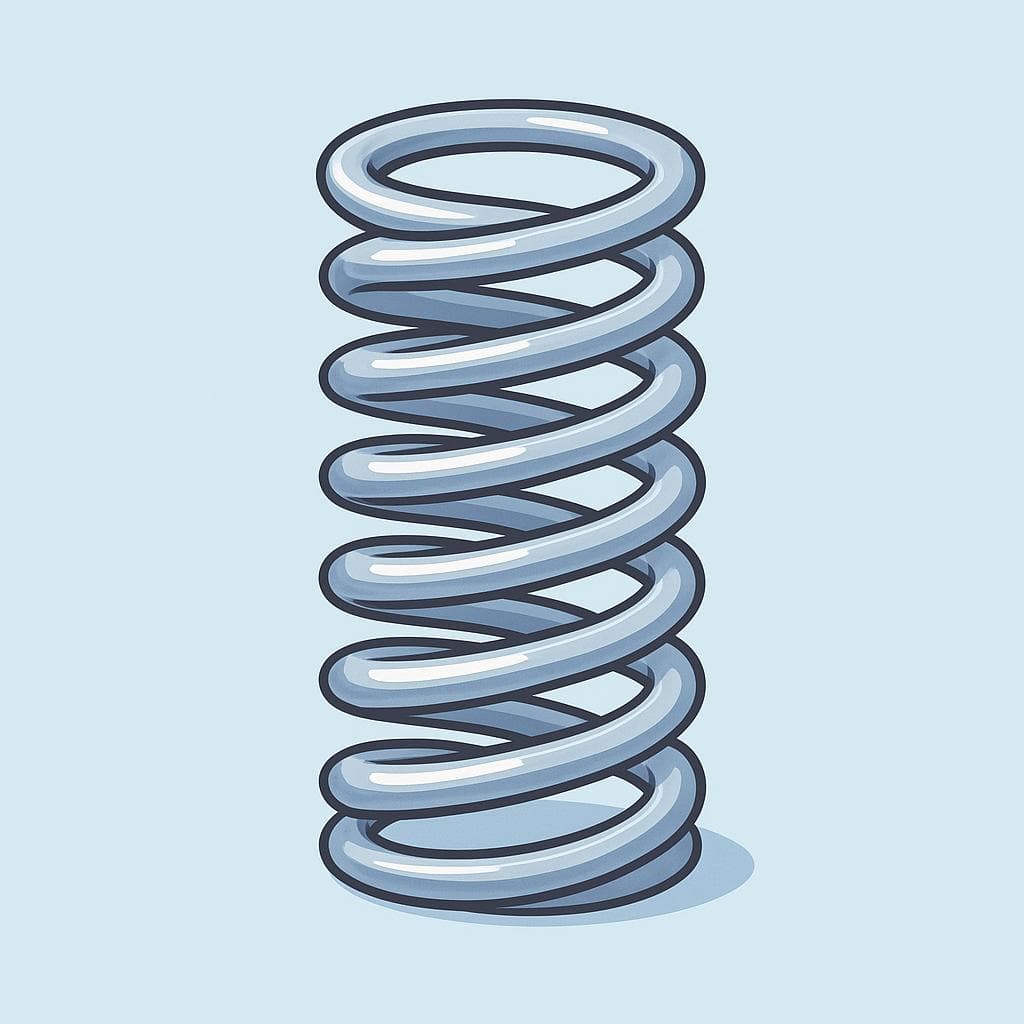
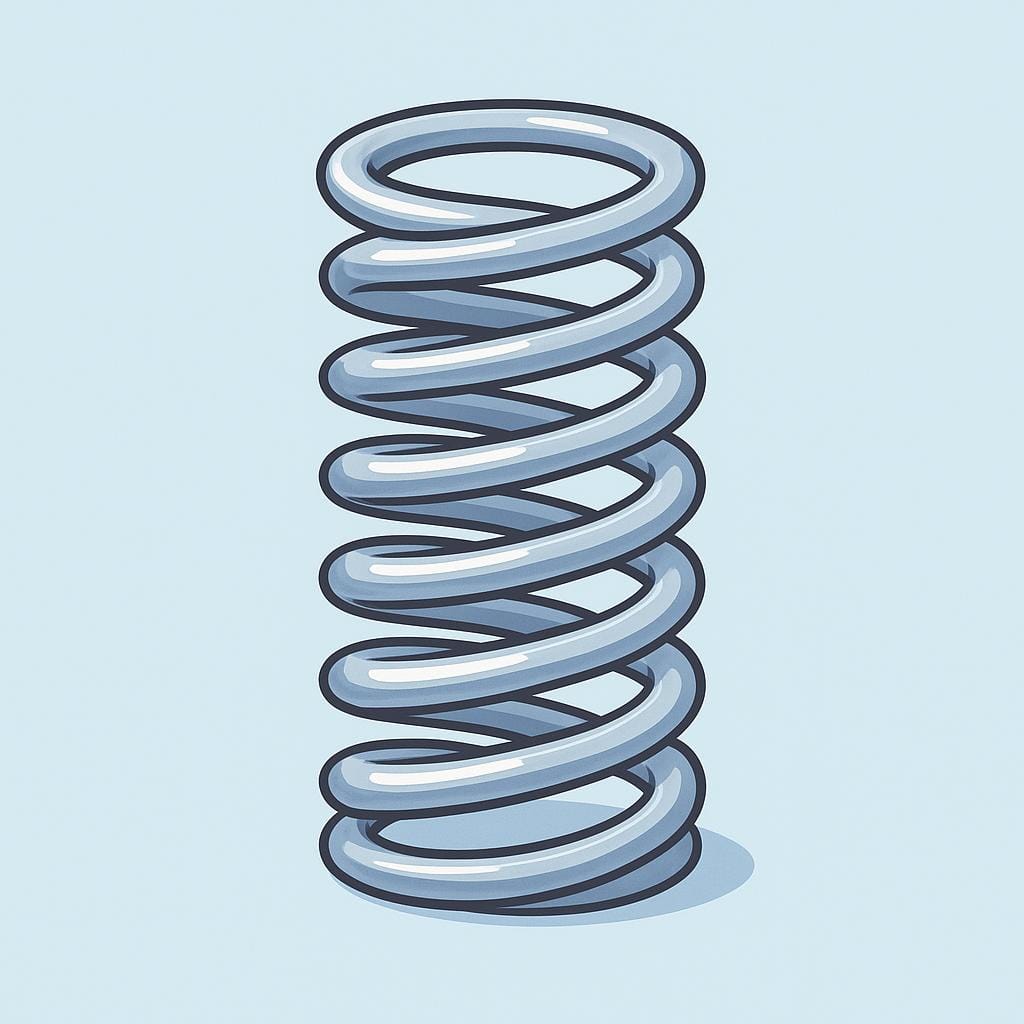
El coche necesita que le cambien los muelles de la suspensión.
The car needs its suspension springs changed.
Esta silla es incómoda porque se le ha roto un muelle.
This chair is uncomfortable because a spring in it has broken.
El bolígrafo tiene un pequeño muelle para que el botón funcione.
The pen has a small spring so that the button works.
The Other 'Spring'
Remember, 'muelle' is only the mechanical object or the dock. The season 'Spring' (March to May) is 'primavera' (a feminine noun).
Confusing the Season
Mistake: “Me gusta el muelle.”
Correction: This means 'I like the spring/dock'. If you mean the season, say 'Me gusta la primavera'.
nacimiento
nah-see-MYEN-tohnasiˈmjento
Examples
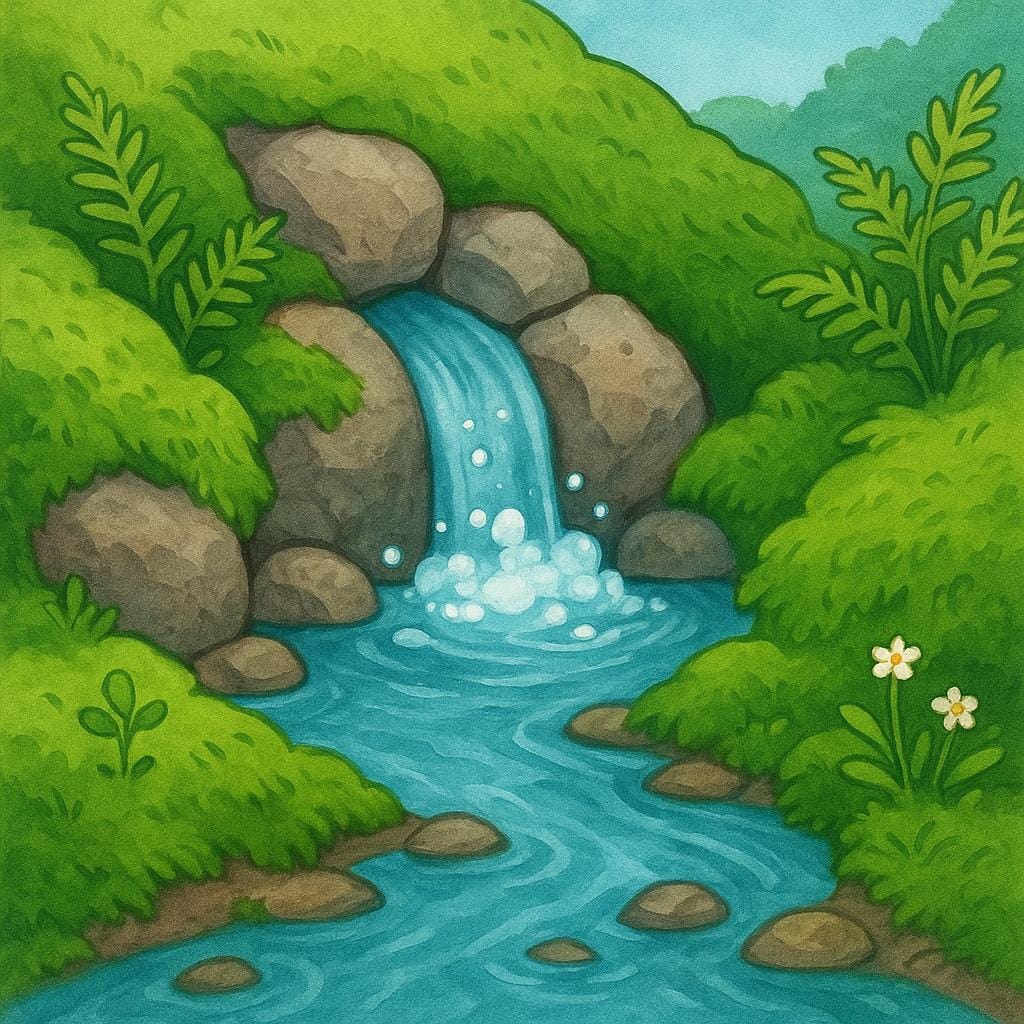
El nacimiento del río Amazonas está en los Andes.
The source of the Amazon river is in the Andes.
Estudiamos el nacimiento de la civilización moderna.
We studied the origin of modern civilization.
Figurative Use
This meaning extends the core idea of 'being born' to describe where anything begins—rivers, ideas, or movements.
cuerda
KWEHR-dahˈkweɾða
Examples
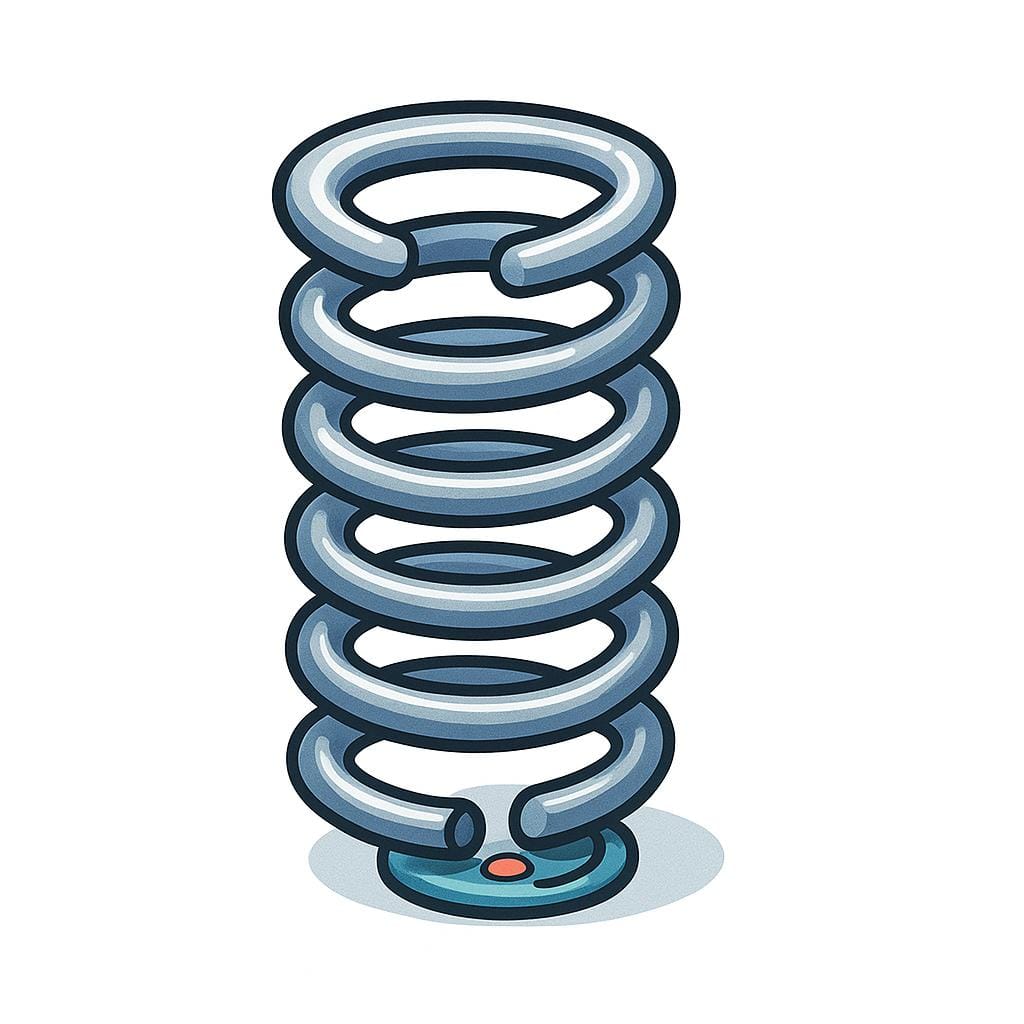
Tienes que darle cuerda al reloj de pared cada semana.
You have to wind up the wall clock every week.
Ese juguete de cuerda ya no funciona.
That wind-up toy no longer works.
Season vs. Water Source
Learn Spanish with Inklingo
Interactive stories, personalized learning, and more.