How to Say "birth" in Spanish
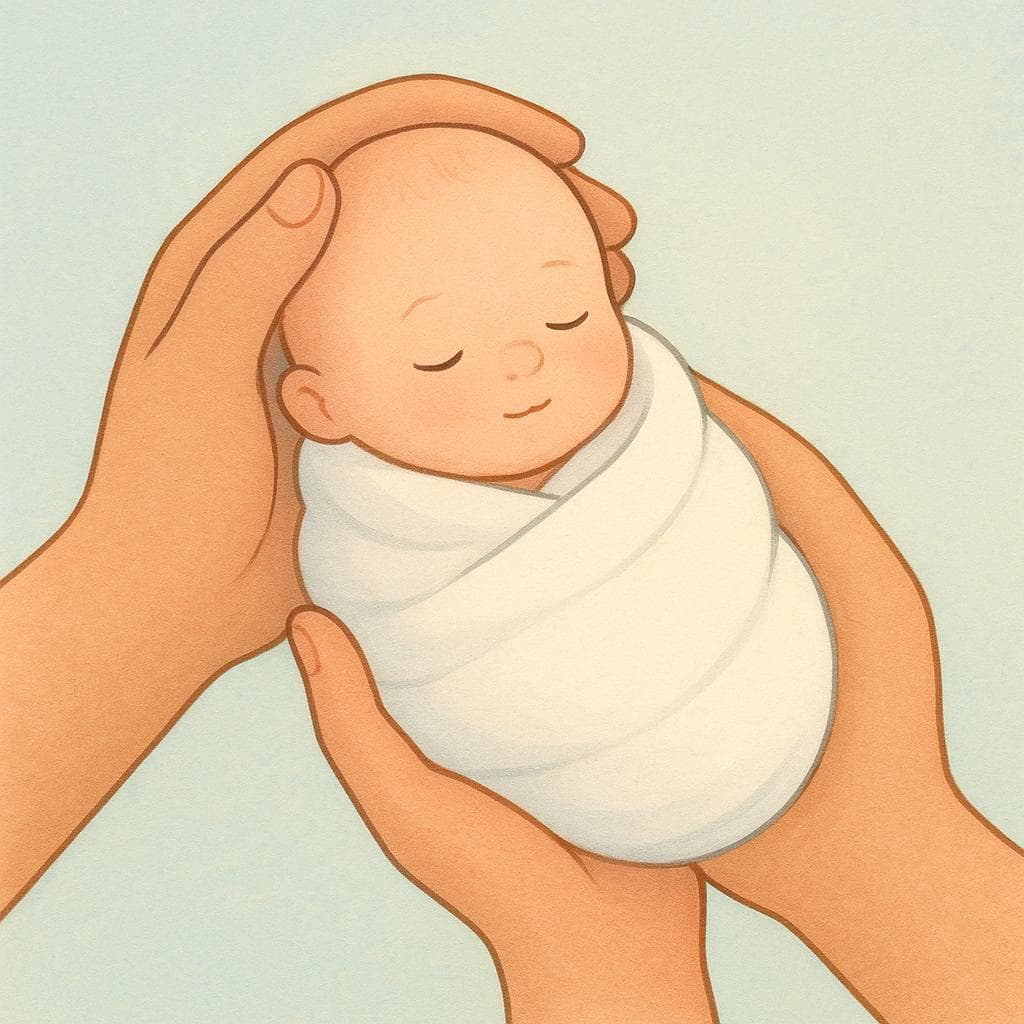
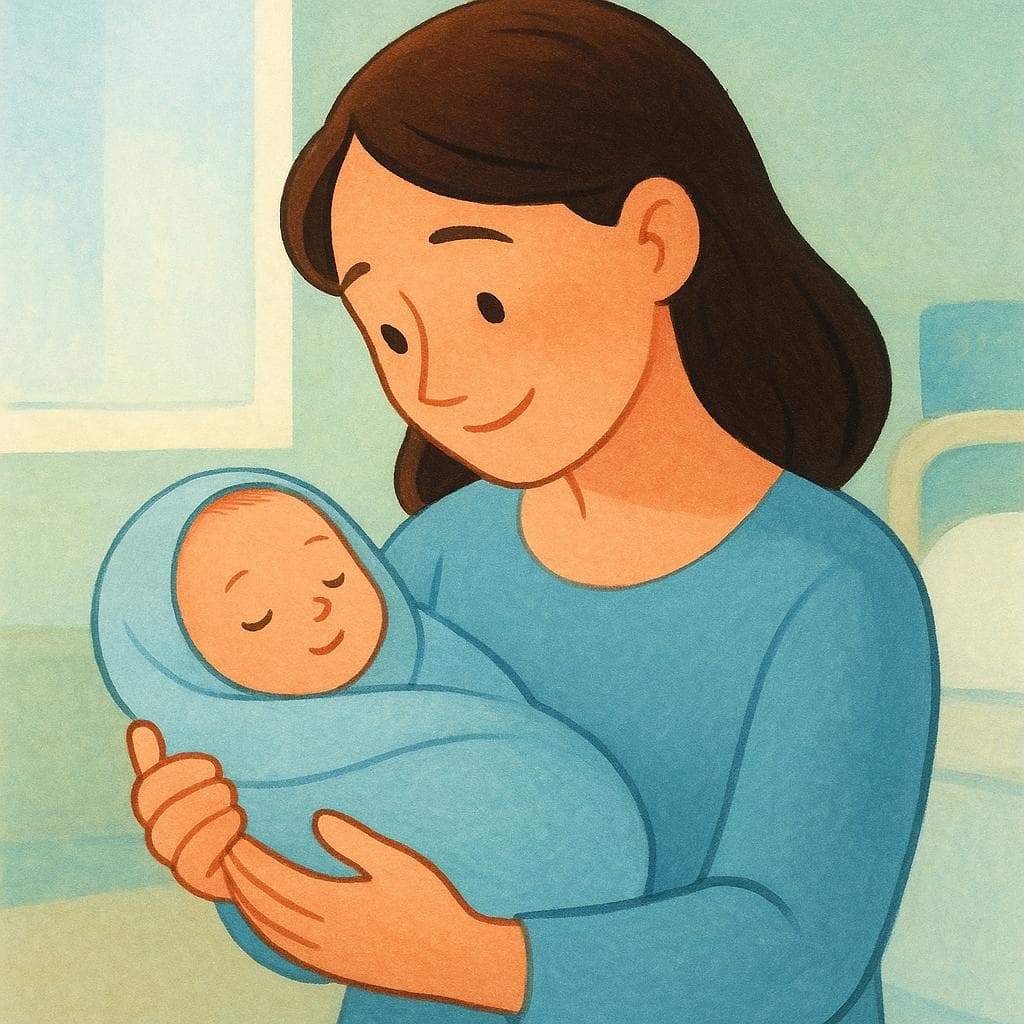
The most common Spanish word for “birth” is “nacimiento” — use 'nacimiento' to refer to the event of a person or animal being born, or to state a birth date.
nacimiento
nah-see-MYEN-tohnasiˈmjento
Examples
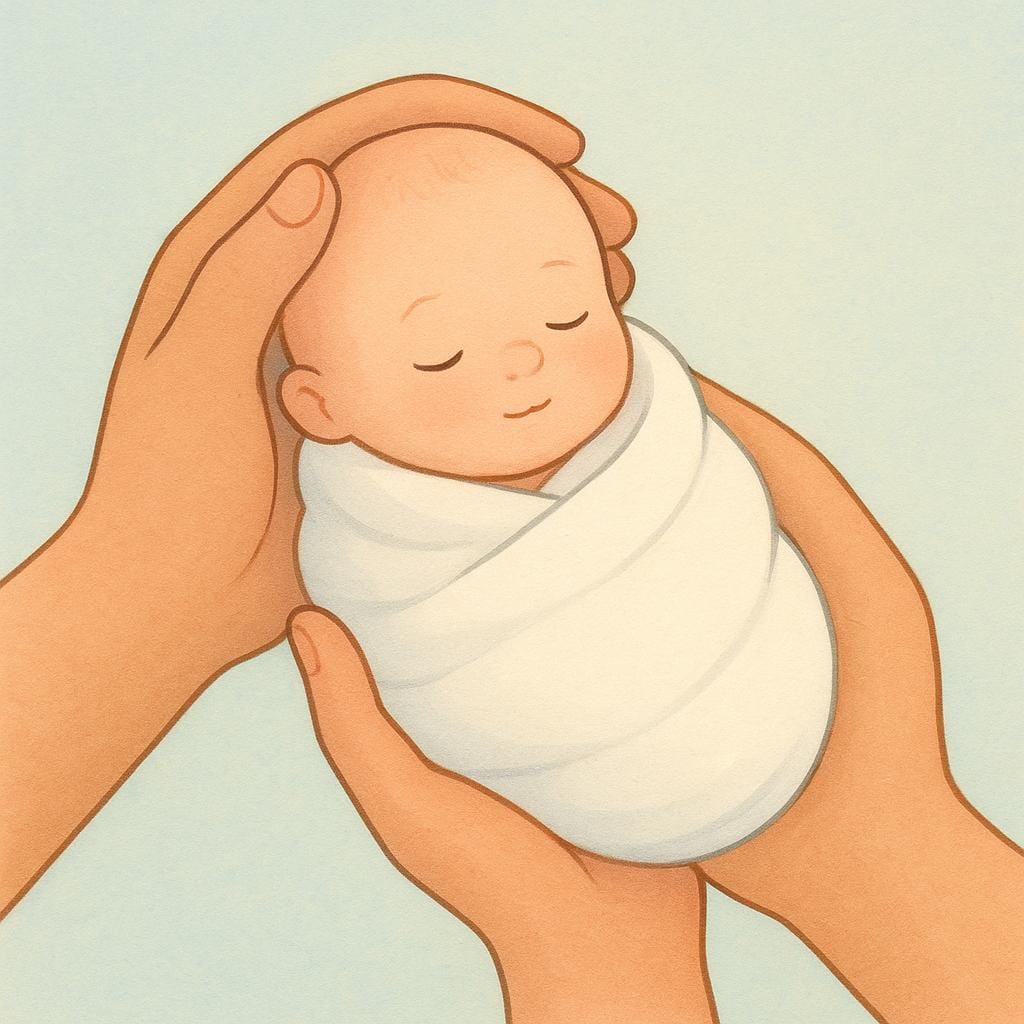
El nacimiento de mi sobrino fue una gran alegría para toda la familia.
The birth of my nephew was a great joy for the whole family.
La fecha de su nacimiento es el 15 de mayo.
The date of his birth is May 15th.
El nacimiento del bebé fue muy rápido.
The baby's delivery was very fast.
Celebraron el nacimiento de su primer nieto con una fiesta.
They celebrated the birth of their first grandchild with a party.
Always Masculine
Even though it refers to birth, 'nacimiento' is always a masculine noun. Remember to use 'el' or 'un' before it.
Confusing Nacer and Nacimiento
Mistake: “Usar 'Su nacer fue difícil.'”
Correction: Say 'Su nacimiento fue difícil.' ('Nacer' is the verb 'to be born'; 'nacimiento' is the noun 'the birth').
parto
PAR-tohˈpaɾ.to
Examples
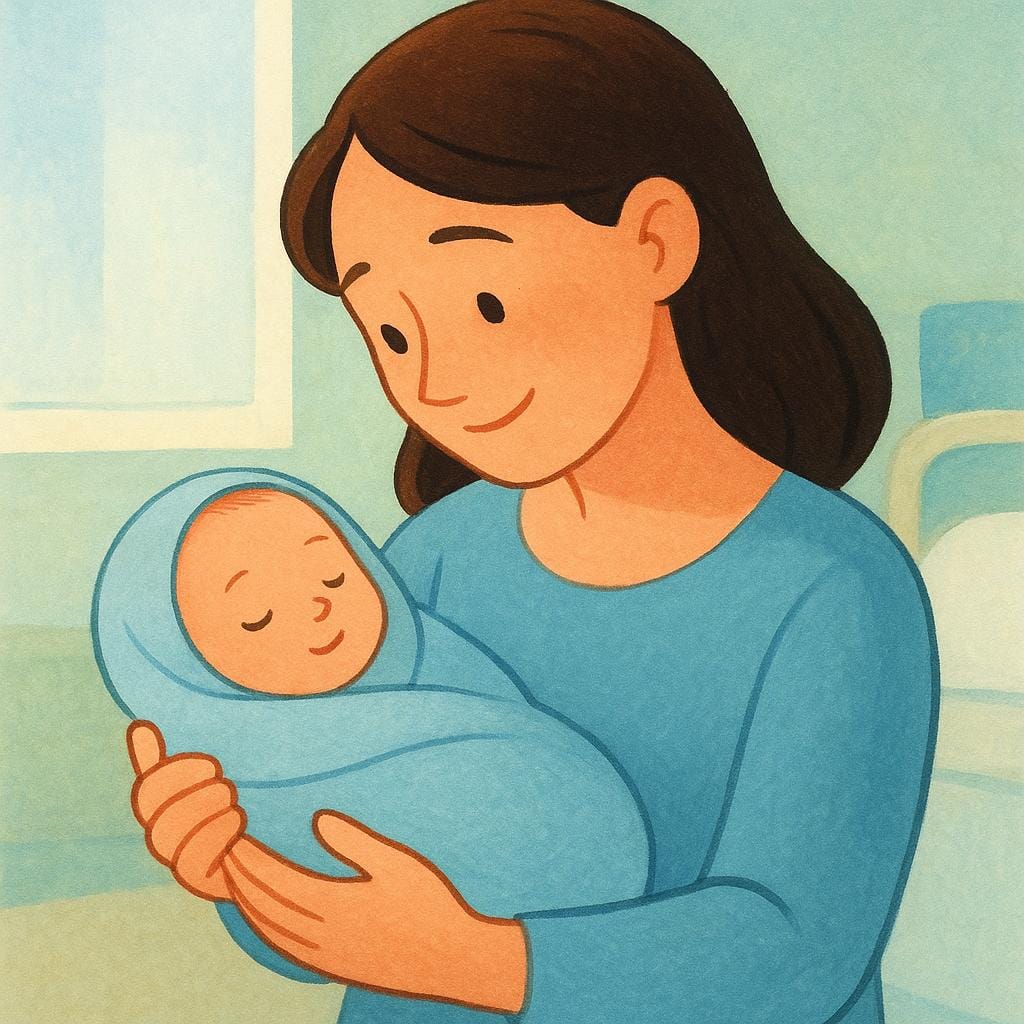
Después de muchas horas, el parto fue exitoso y nació un bebé sano.
After many hours, the delivery was successful and a healthy baby was born.
El parto duró muchas horas, pero fue un parto natural.
The delivery lasted many hours, but it was a natural birth.
La matrona asistió en el parto y todo salió bien.
The midwife assisted in the delivery and everything went well.
El médico programó un parto por cesárea para la próxima semana.
The doctor scheduled a C-section delivery for next week.
Gender Note
Even though it refers to a process often associated with women, 'parto' is always a masculine noun: use 'el parto'.
Confusing 'Parto' and 'Nacimiento'
Mistake: “Using 'nacimiento' when specifically describing the labor process.”
Correction: 'Parto' refers to the physical labor or delivery process, while 'nacimiento' is the moment of birth or the general concept of being born. Use 'parto' for the medical event itself.
génesis
Examples
El génesis de la novela se encuentra en un sueño del autor.
The genesis of the novel is found in a dream of the author.
Nacimiento vs. Parto
Related Translations
Learn Spanish with Inklingo
Interactive stories, personalized learning, and more.