nacimiento
“nacimiento” means “birth” in Spanish. It has 3 different meanings depending on context:
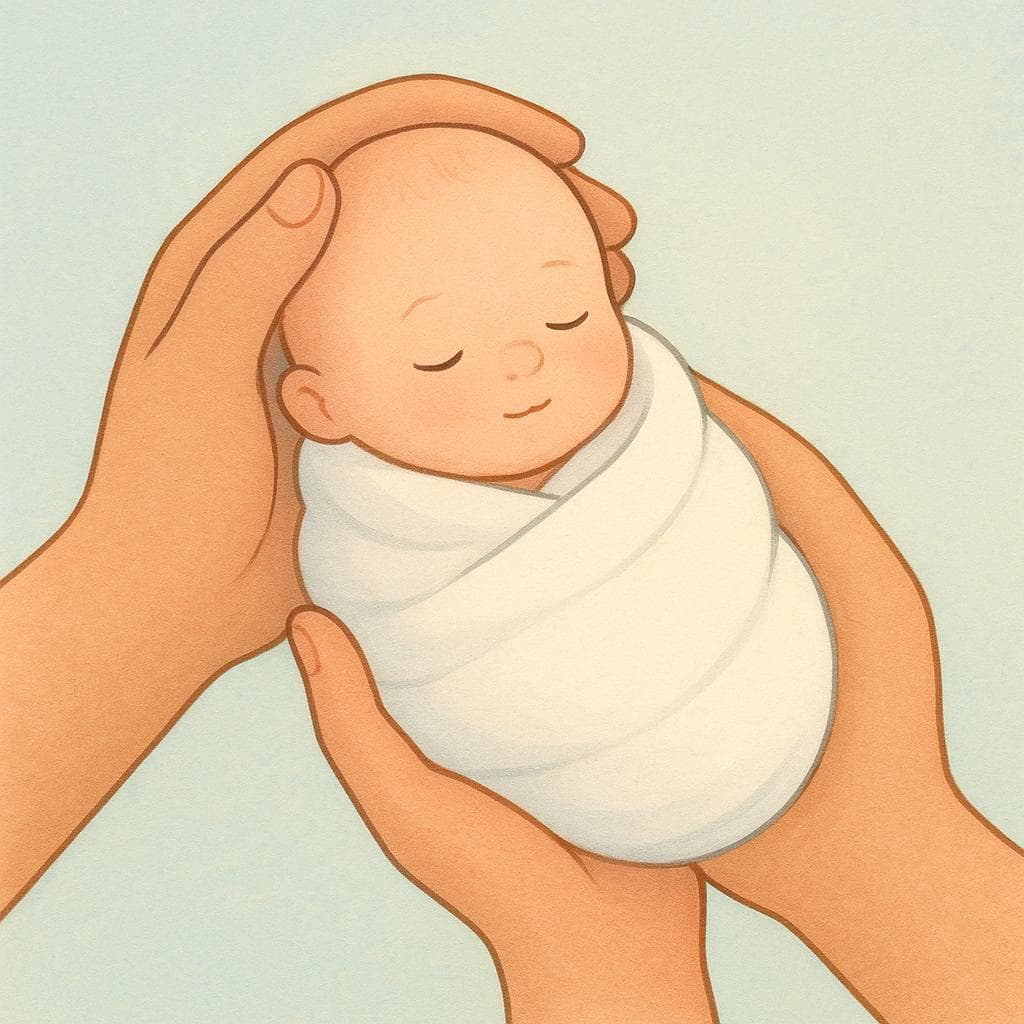


birthAlso: delivery
📝 In Action
La fecha de su nacimiento es el 15 de mayo.
A1The date of his birth is May 15th.
El nacimiento del bebé fue muy rápido.
A2The baby's delivery was very fast.
Celebraron el nacimiento de su primer nieto con una fiesta.
A2They celebrated the birth of their first grandchild with a party.
Word Connections
source, originAlso: spring

📝 In Action
El nacimiento del río Amazonas está en los Andes.
B1The source of the Amazon river is in the Andes.
Estudiamos el nacimiento de la civilización moderna.
B2We studied the origin of modern civilization.
Word Connections
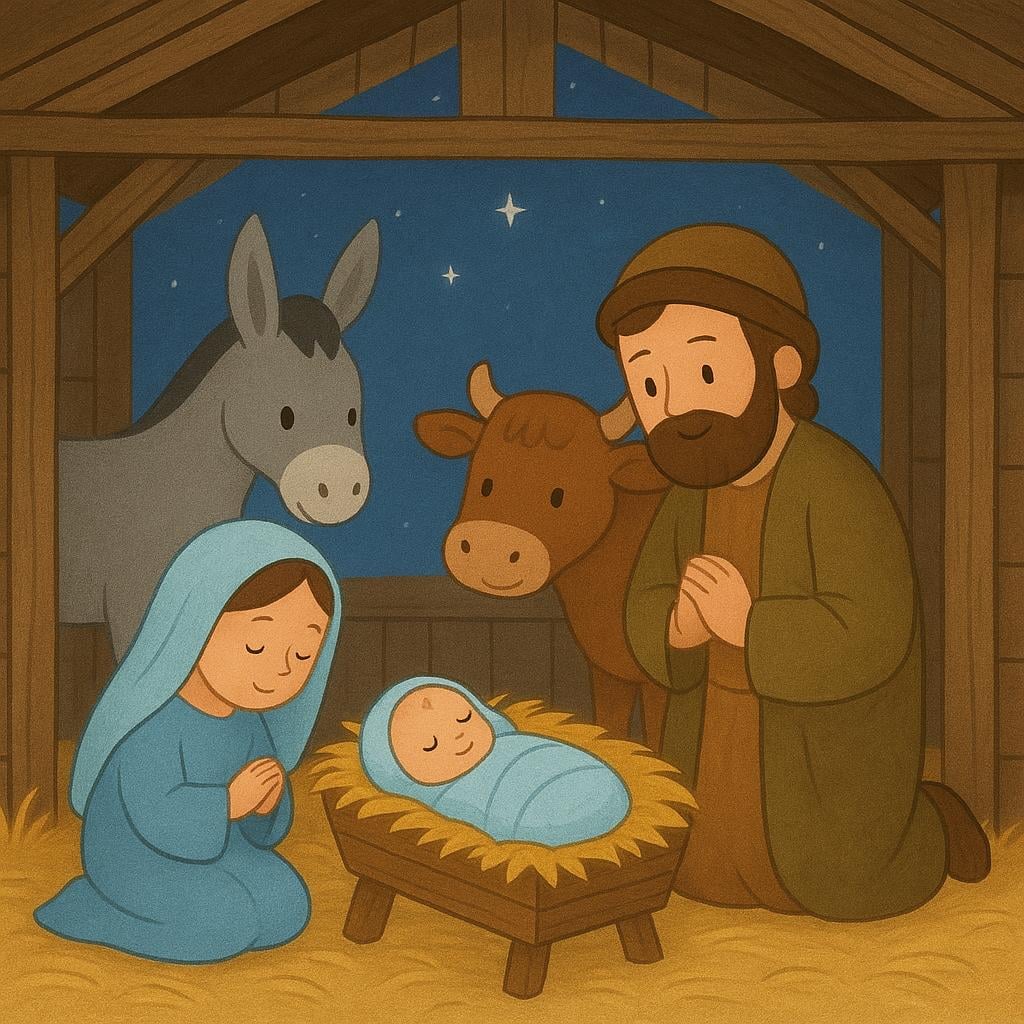
Nativity sceneAlso: creche
📝 In Action
Mi abuela pone un nacimiento muy grande cada diciembre.
B1My grandmother puts up a very large Nativity scene every December.
Fuimos a ver el nacimiento viviente en la plaza.
B2We went to see the living Nativity scene in the square.
Word Connections
Translate to Spanish
✏️ Quick Practice
Quick Quiz: nacimiento
Question 1 of 2
Which meaning of 'nacimiento' is used in the following sentence: 'Visitamos el lugar del nacimiento del río.'
📚 More Resources
👥 Word Family
📚 Etymology
The word comes from the Spanish verb 'nacer' (to be born), combined with the suffix '-miento,' which is used to create nouns that describe actions or results. It ultimately traces back to the Latin verb *nascere*, meaning 'to be born' or 'to spring forth.'
First recorded: 13th century (in similar forms)
Cognates (Related words)
💡 Master Spanish
Take your Spanish to the next level. Read 200+ illustrated and narrated Spanish stories tailored to your level with the Inklingo app!
Frequently Asked Questions
Why is 'nacimiento' masculine if it refers to birth?
'Nacimiento' ends in '-miento,' which is a very common ending in Spanish for masculine nouns that describe an action or result (like 'movimiento' or 'conocimiento'). The grammatical gender is based on this structure, not the concept of motherhood.
Is 'nacimiento' used for animals too?
Yes, 'nacimiento' can be used for the birth of any living creature, although sometimes the word 'parto' (delivery/labor) might be used more frequently in specialized contexts for animals.