parto
“parto” means “delivery” in Spanish. It has 2 different meanings depending on context:
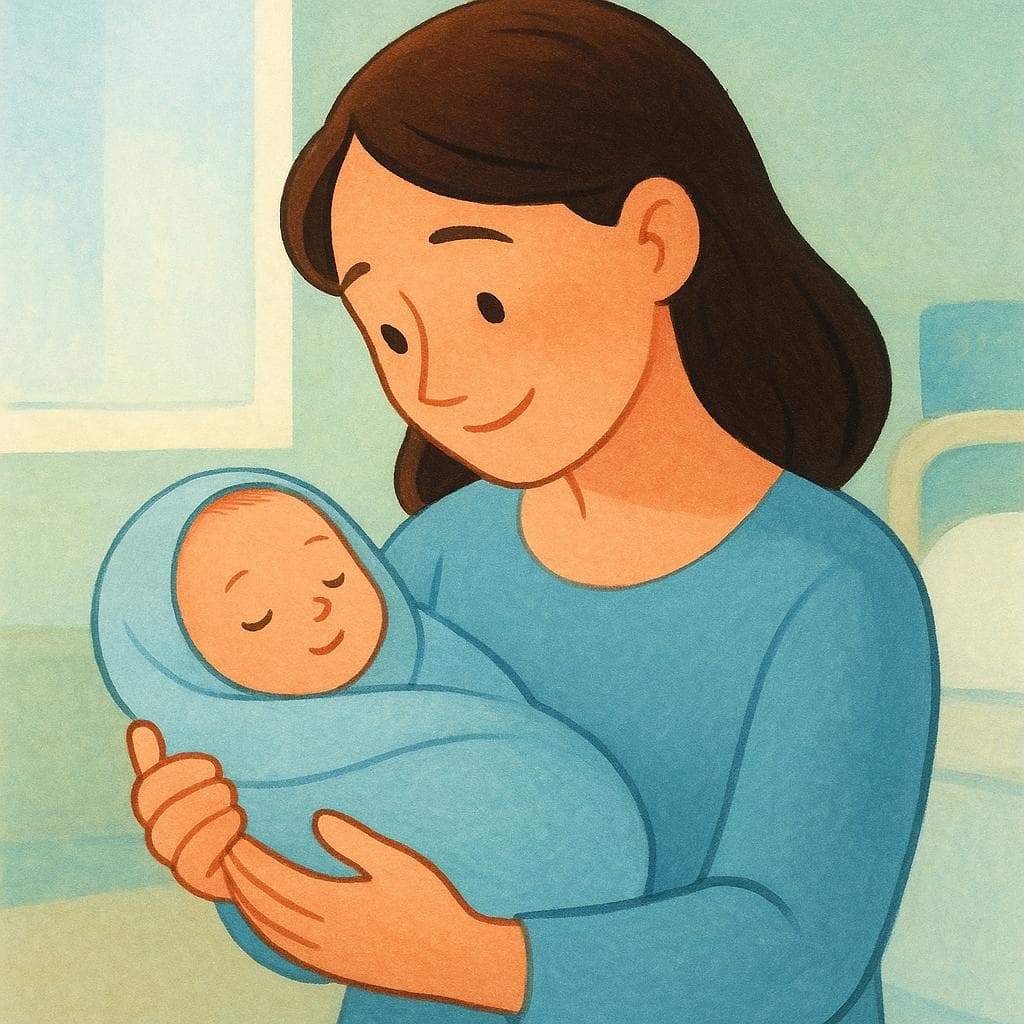

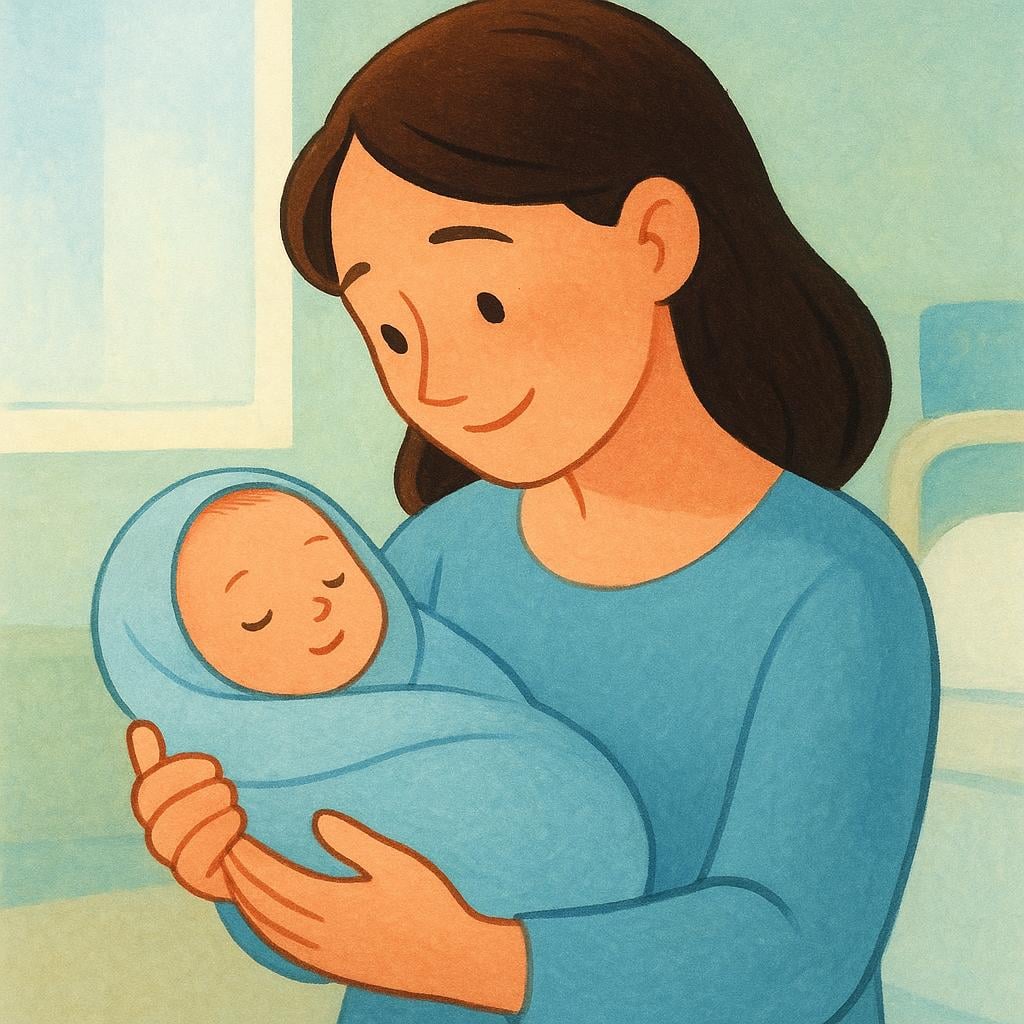
delivery, childbirthAlso: birth
📝 In Action
El parto duró muchas horas, pero fue un parto natural.
B1The delivery lasted many hours, but it was a natural birth.
La matrona asistió en el parto y todo salió bien.
B2The midwife assisted in the delivery and everything went well.
El médico programó un parto por cesárea para la próxima semana.
B1The doctor scheduled a C-section delivery for next week.
Word Connections
product, creationAlso: result

📝 In Action
Ese libro, el parto de diez años de investigación, fue un éxito rotundo.
C1That book, the product of ten years of research, was a resounding success.
La nueva ley es el parto de un difícil consenso político.
C2The new law is the result of a difficult political consensus.
Word Connections
Translate to Spanish
✏️ Quick Practice
Quick Quiz: parto
Question 1 of 1
Which sentence uses 'parto' in the figurative sense (Meaning 2)?
📚 More Resources
👥 Word Family
📚 Etymology
Comes directly from the Latin word *partus*, which was the past participle of the verb *parere*, meaning 'to bring forth' or 'to give birth.' This connection to creation and delivery has stayed consistent throughout history.
First recorded: Medieval Latin texts
Cognates (Related words)
💡 Master Spanish
Take your Spanish to the next level. Read 200+ illustrated and narrated Spanish stories tailored to your level with the Inklingo app!
Frequently Asked Questions
Is 'parto' the same as 'nacimiento'?
Not exactly. 'Parto' specifically refers to the process of labor and delivery—the physical event where the baby is born. 'Nacimiento' is the general term for 'birth' or the moment the baby enters the world, often used more broadly (like 'birth rate').
Does 'parto' have a feminine form, like 'parta'?
No. 'Parto' is a masculine noun ('el parto') and always stays that way, regardless of who is giving birth. If you need the verb form, you would use 'parir' (to give birth).