cuerda
“cuerda” means “rope” in Spanish. It has 3 different meanings depending on context:
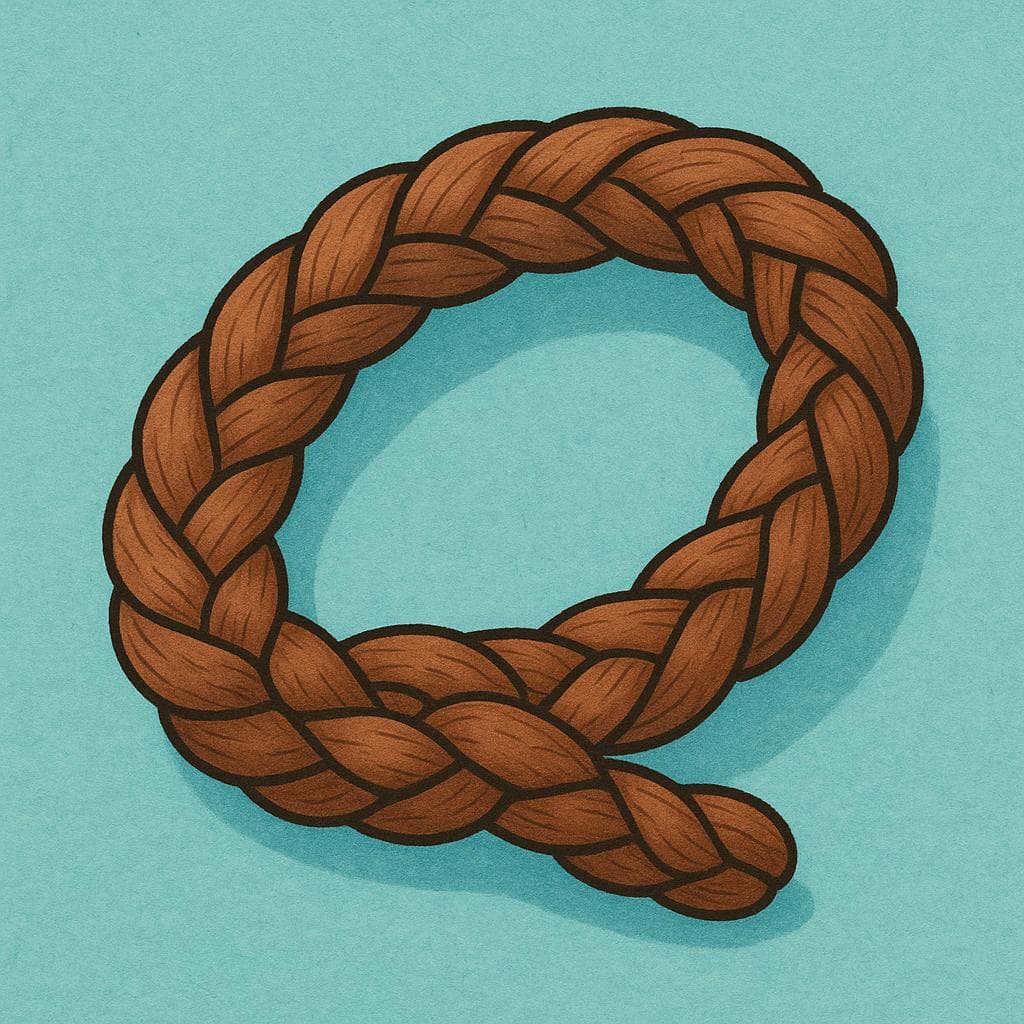
rope, cordAlso: line
📝 In Action
Atamos el bote al muelle con una cuerda gruesa.
A2We tied the boat to the dock with a thick rope.
Puso la ropa mojada en la cuerda de tender.
A1She put the wet clothes on the clothesline.
Word Connections
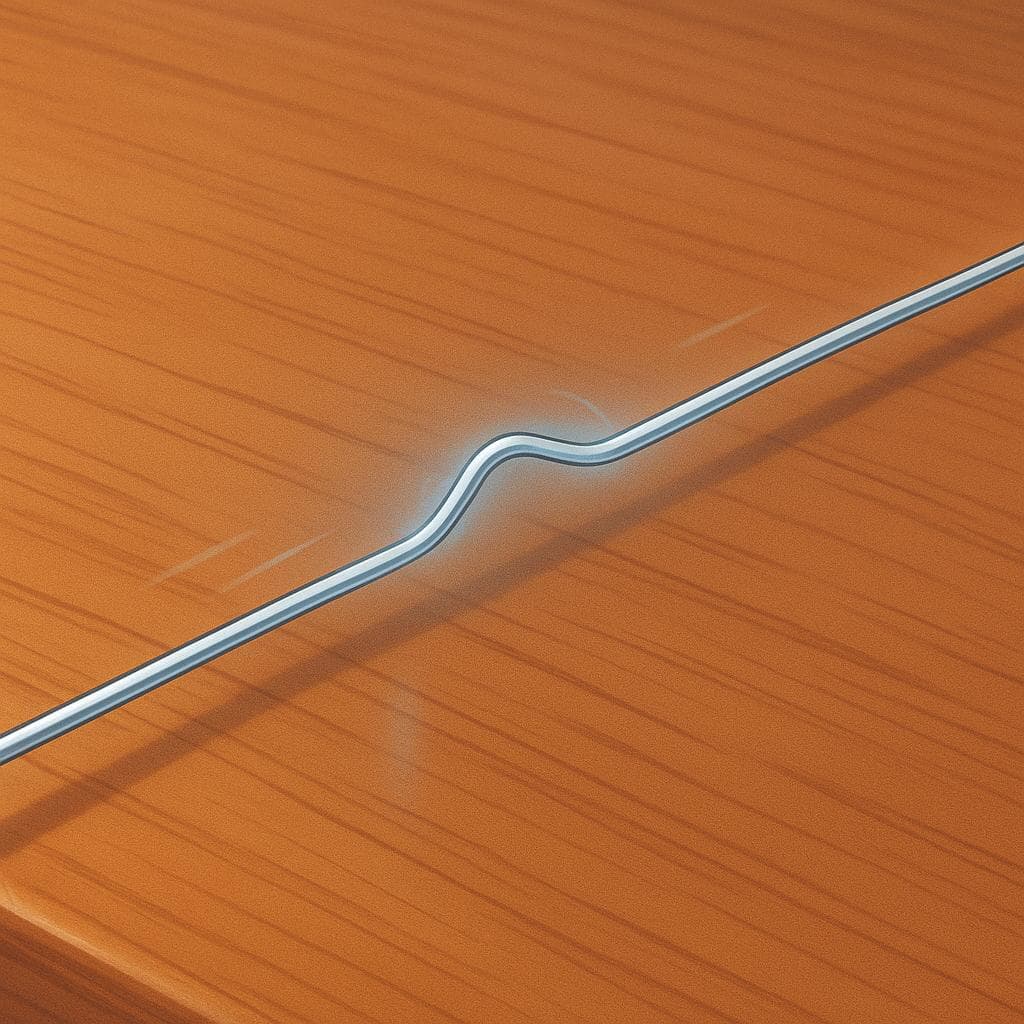
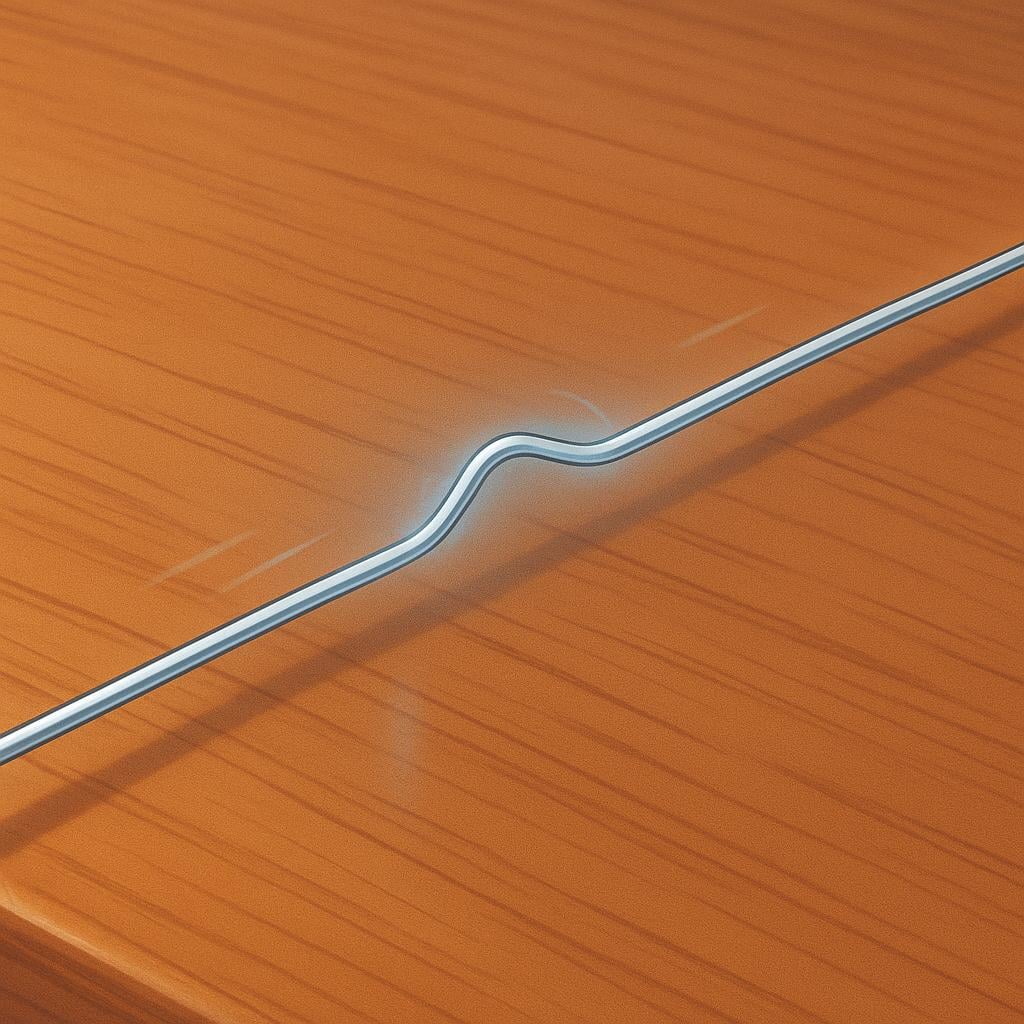
stringAlso: wire
📝 In Action
Necesito cambiar la sexta cuerda de mi guitarra.
B1I need to change the sixth string on my guitar.
El violín tiene cuatro cuerdas.
A2The violin has four strings.
Word Connections
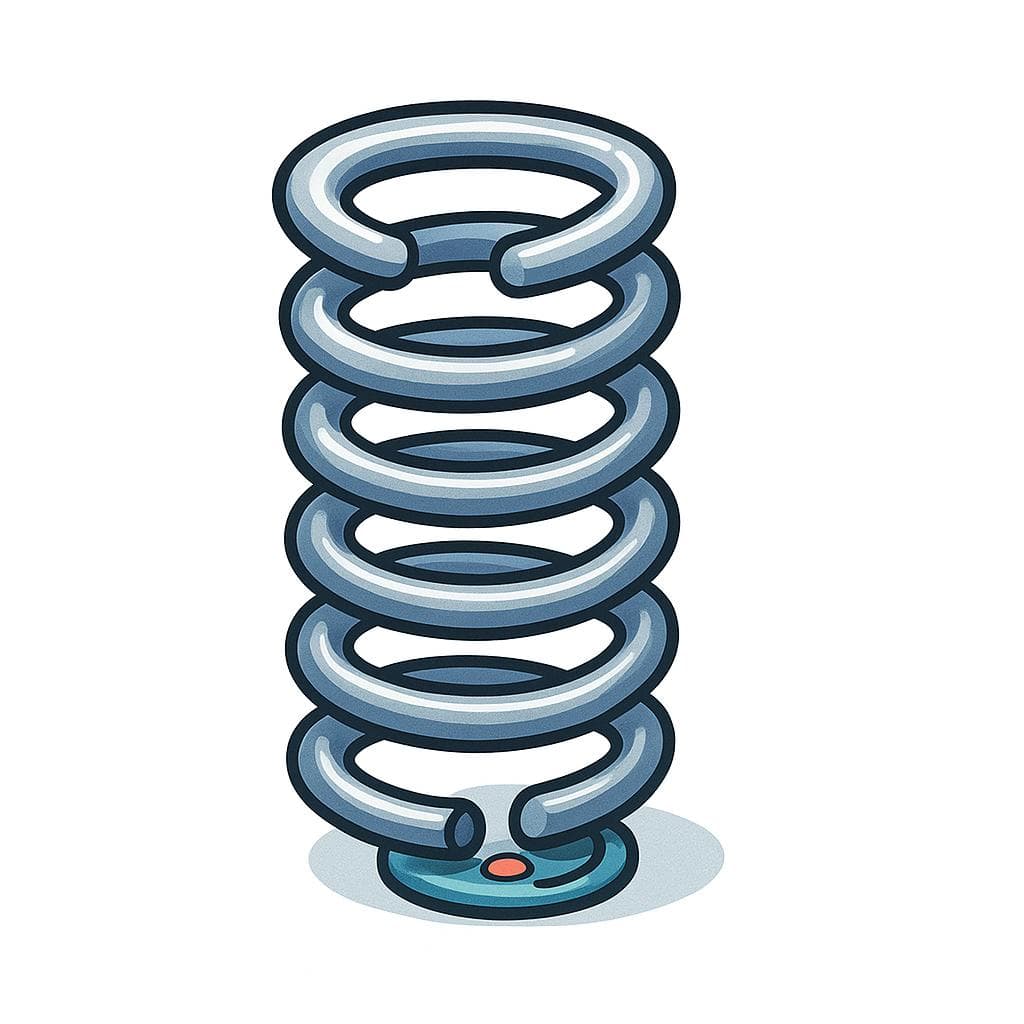
spring, winding mechanismAlso: wind-up

📝 In Action
Tienes que darle cuerda al reloj de pared cada semana.
B2You have to wind up the wall clock every week.
Ese juguete de cuerda ya no funciona.
B1That wind-up toy no longer works.
Word Connections
Translate to Spanish
✏️ Quick Practice
Quick Quiz: cuerda
Question 1 of 2
Which sentence uses 'cuerda' in its figurative sense (related to winding up)?
📚 More Resources
👥 Word Family
📚 Etymology
Comes from the Latin word *chorda*, meaning 'gut' or 'string,' which itself came from the Greek word *khordē*. This origin explains why *cuerda* refers to both thick ropes and thin musical strings.
First recorded: Around the 13th century in Spanish.
Cognates (Related words)
💡 Master Spanish
Take your Spanish to the next level. Read 200+ illustrated and narrated Spanish stories tailored to your level with the Inklingo app!
Frequently Asked Questions
Is 'cuerda' ever used to mean sanity or mental balance?
Yes, but usually only in negative contexts or idioms. For example, *perder la cuerda* (to lose one's sense/mind) is sometimes heard, though the phrase *perder la cabeza* is much more common. The idea relates to a mechanism being 'unwound' or loose.
How is *cuerda* different from *soga*?
Both mean 'rope,' but *soga* often implies a thicker, heavier rope used for serious tasks like hanging or mooring. *Cuerda* is a more general term and can refer to thinner cords or strings as well.