juventud
“juventud” means “youth” in Spanish. It has 2 different meanings depending on context:

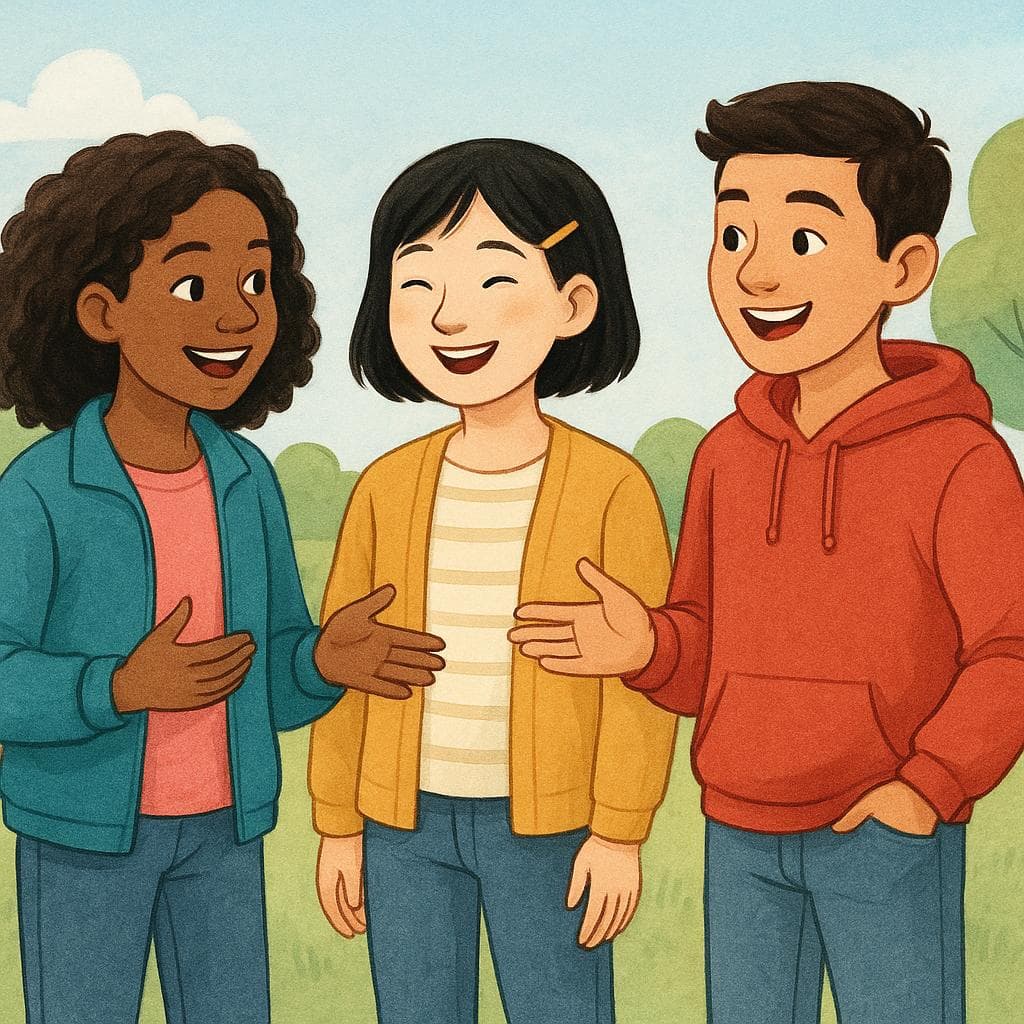
youthAlso: young age, adolescence

📝 In Action
Mi abuela siempre dice que la juventud es el mejor tesoro.
B1My grandmother always says that youth is the best treasure.
Pasé mi juventud en un pueblo pequeño de la costa.
B1I spent my youth in a small town on the coast.
A pesar de su juventud, ya tiene mucha experiencia laboral.
B2Despite his young age (youth), he already has a lot of work experience.
Word Connections
the youthAlso: young generation

📝 In Action
El gobierno debe escuchar las demandas de la juventud.
B2The government must listen to the demands of the youth.
La juventud actual está muy preocupada por el medio ambiente.
B2The current young generation is very concerned about the environment.
Word Connections
Translate to Spanish
Words that translate to "juventud" in Spanish:
✏️ Quick Practice
Quick Quiz: juventud
Question 1 of 2
Which sentence correctly uses 'juventud' to mean 'the stage of life'?
📚 More Resources
👥 Word Family
📚 Etymology
Comes from the Latin word *iuventus*, which meant the stage of being young. The Spanish word kept the same meaning and the feminine gender.
First recorded: Around the 13th century in written Spanish.
Cognates (Related words)
💡 Master Spanish
Take your Spanish to the next level. Read 200+ illustrated and narrated Spanish stories tailored to your level with the Inklingo app!
Frequently Asked Questions
Can I use 'juventud' to refer to one specific young person?
No. 'Juventud' refers either to the time period or the entire group of young people. If you want to talk about one young person, use 'un joven' (a young man) or 'una joven' (a young woman/girl).
What is the difference between 'juventud' and 'jóvenes'?
'Juventud' is a singular, formal word that refers to the collective group ('the youth' or 'the young generation'). 'Jóvenes' is the plural form of the adjective/noun 'joven' and refers to individual young people ('young people').