vejez
“vejez” means “old age” in Spanish (the later part of a person's life).
old age
Also: elderliness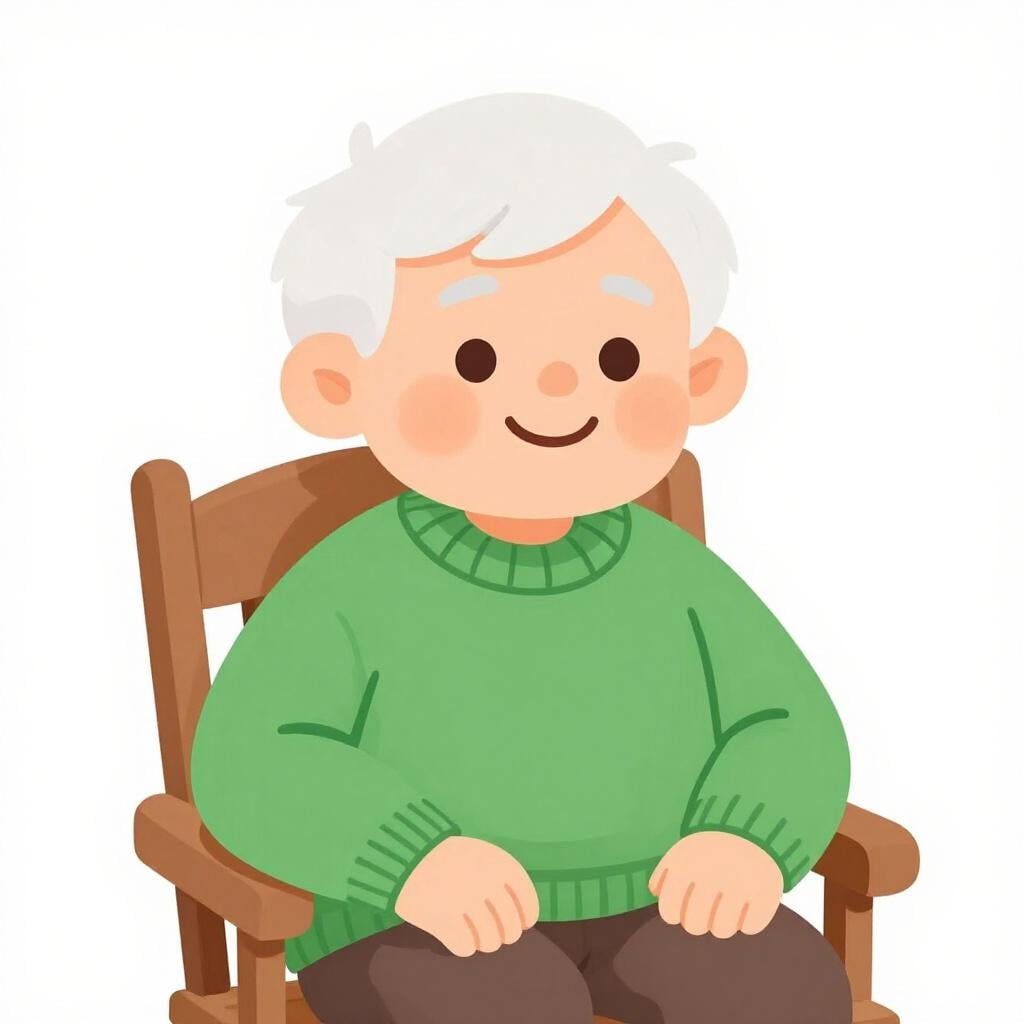
📝 In Action
Mi abuela es muy activa en su vejez.
A2My grandmother is very active in her old age.
Es importante ahorrar dinero para la vejez.
B1It is important to save money for old age.
La vejez es una etapa llena de sabiduría.
B2Old age is a stage full of wisdom.
Translate to Spanish
✏️ Quick Practice
Quick Quiz: vejez
Question 1 of 3
Which of these is the correct way to say 'in old age'?
📚 More Resources
👥 Word Family▼
📚 Etymology▼
From the Spanish word 'viejo' (old), which comes from the Latin 'vetulus', a diminutive of 'vetus' (aged/old).
First recorded: 13th century
Cognates (Related words)
💡 Master Spanish
Take your Spanish to the next level. Read 200+ illustrated and narrated Spanish stories tailored to your level with the Inklingo app!
Frequently Asked Questions
Is 'vejez' offensive?
No, 'vejez' is a standard, neutral term for the stage of life. However, calling a person 'un viejo' can sometimes be seen as rude; 'persona mayor' is safer.
Why does it end in 'z'?
In Spanish, the ending '-ez' is often used to turn an adjective (like 'viejo' - old) into a noun that describes a quality or state (like 'vejez' - oldness/old age).
How do I pronounce the 'j' in 'vejez'?
The 'j' in Spanish sounds like a raspy 'h', similar to the 'ch' in the Scottish word 'loch'.