envejecer
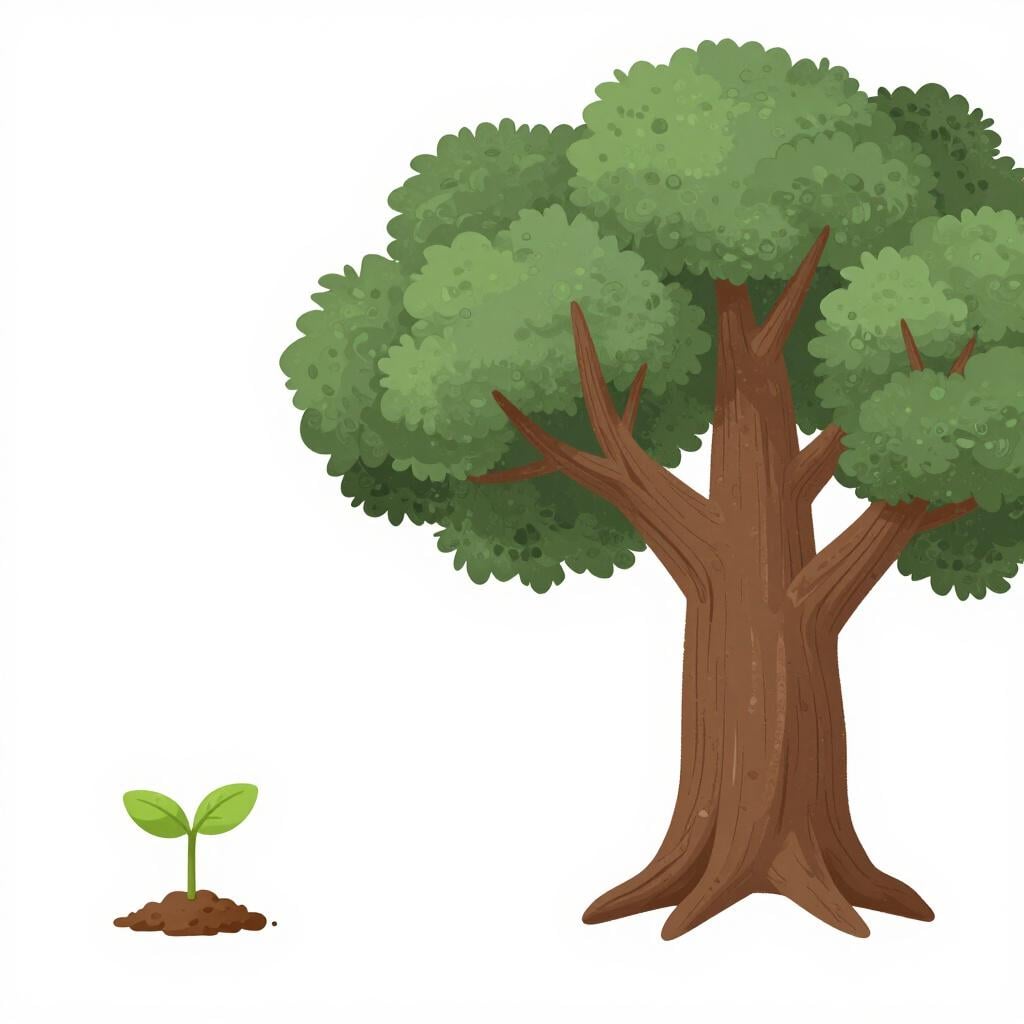
“envejecer” means “to age” in Spanish (to get older over time).
to age, to grow oldAlso: to outdate, to mature
📝 In Action
Todos vamos a envejecer algún día.
A2We are all going to grow old one day.
Este vino ha envejecido muy bien en la bodega.
B1This wine has aged very well in the cellar.
Las preocupaciones pueden envejecer a una persona prematuramente.
C1Worries can make a person age prematurely.
Word Connections
Subjunctive
Imperfect Subjunctive
Present Subjunctive
Indicative
Preterite
Imperfect
Present
Translate to Spanish
Words that translate to "envejecer" in Spanish:
✏️ Quick Practice
Quick Quiz: envejecer
Question 1 of 3
How do you say 'I am aging' in Spanish?
📚 More Resources
👥 Word Family
📚 Etymology
From the Spanish prefix 'en-' (to cause to be), 'viejo' (old, from Latin 'vetus'), and the suffix '-ecer' (indicating a process).
First recorded: 13th century
Cognates (Related words)
💡 Master Spanish
Take your Spanish to the next level. Read 200+ illustrated and narrated Spanish stories tailored to your level with the Inklingo app!
Frequently Asked Questions
Does 'envejecer' always refer to people?
No, it can also refer to things like wine, buildings, technology, or ideas that become outdated.
What is the difference between 'envejecer' and 'hacerse viejo'?
They mean the same thing. 'Envejecer' is a single verb that is slightly more formal, while 'hacerse viejo' is a common phrase used in daily conversation.
How do I conjugate the 'yo' form in the past?
In the simple past (preterite), it is regular: 'envejecí'. The 'zc' change only happens in the present tense.