How to Say "to age" in Spanish
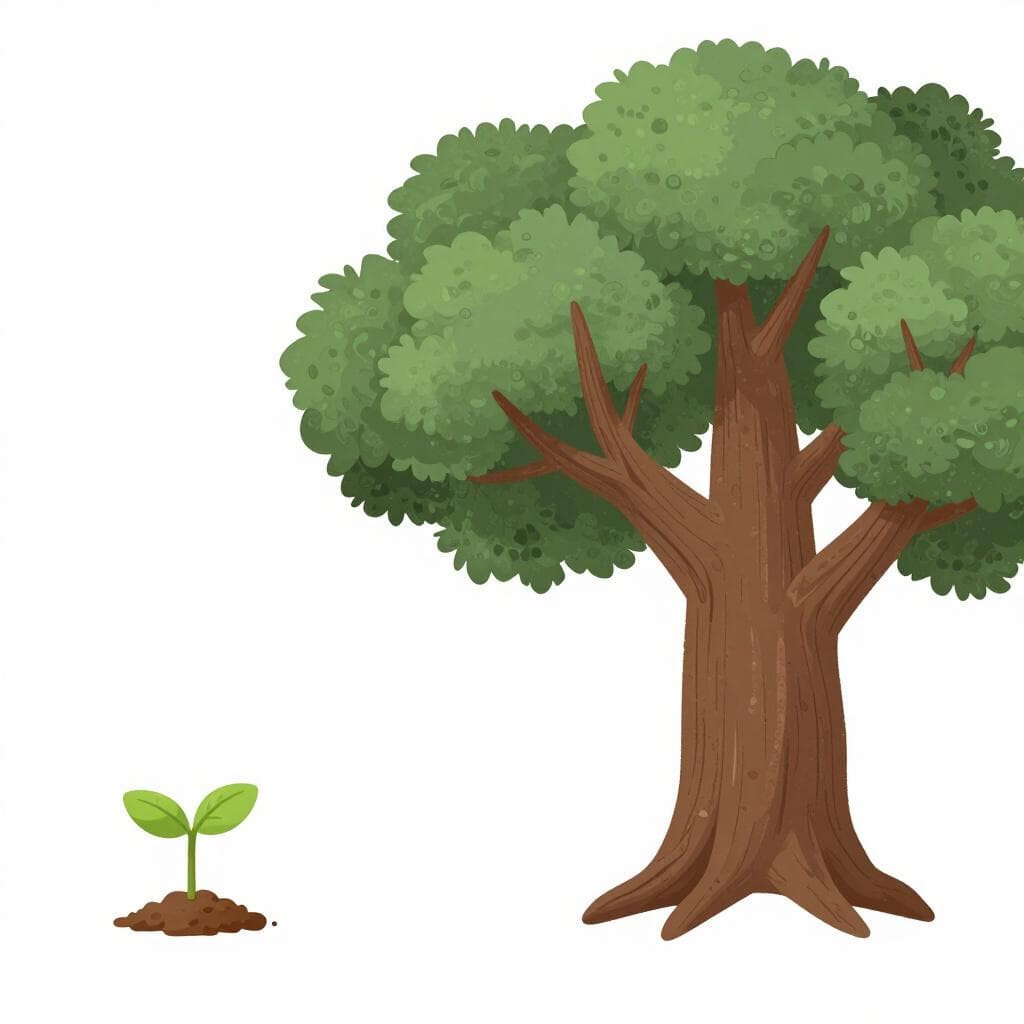
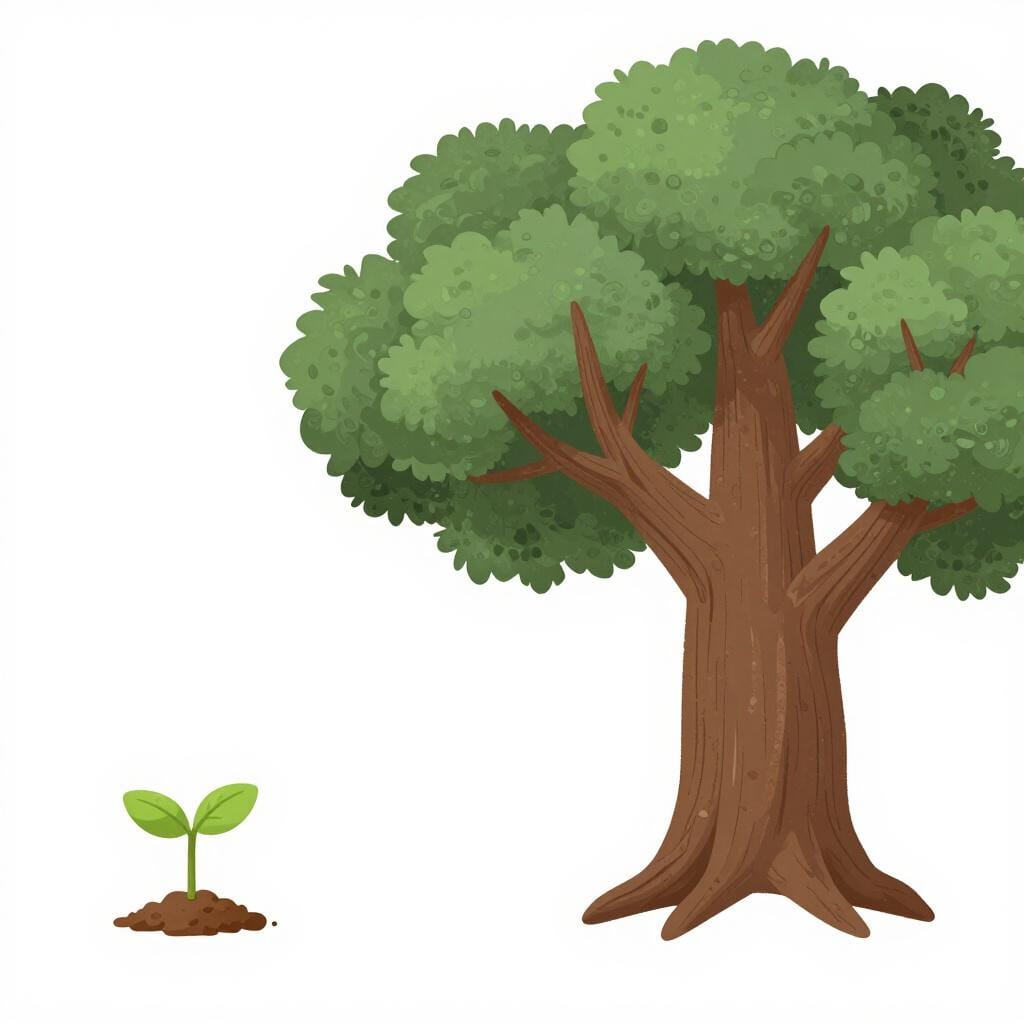
The most common Spanish word for “to age” is “envejecer” — use this word to describe the natural process of a person or living thing getting older over time.
en-be-he-SEHRenbexeˈθer
Examples
Todos vamos a envejecer algún día.
We are all going to grow old one day.
Este vino ha envejecido muy bien en la bodega.
This wine has aged very well in the cellar.
Las preocupaciones pueden envejecer a una persona prematuramente.
Worries can make a person age prematurely.
The 'ZC' Change
For words ending in -ecer, like this one, when you say 'I' (yo) in the present, the 'c' changes to 'zc'. So it is 'envejezco,' not 'envejeço'.
Action vs. State
Spanish uses this verb to describe the process of getting older. To describe the state of being old, just use 'ser viejo'.
Avoid 'Hacerse viejo' in formal writing
Mistake: “Mi abuelo se está haciendo viejo.”
Correction: Mi abuelo está envejeciendo.
koo-RAHRkuˈɾaɾ
Examples
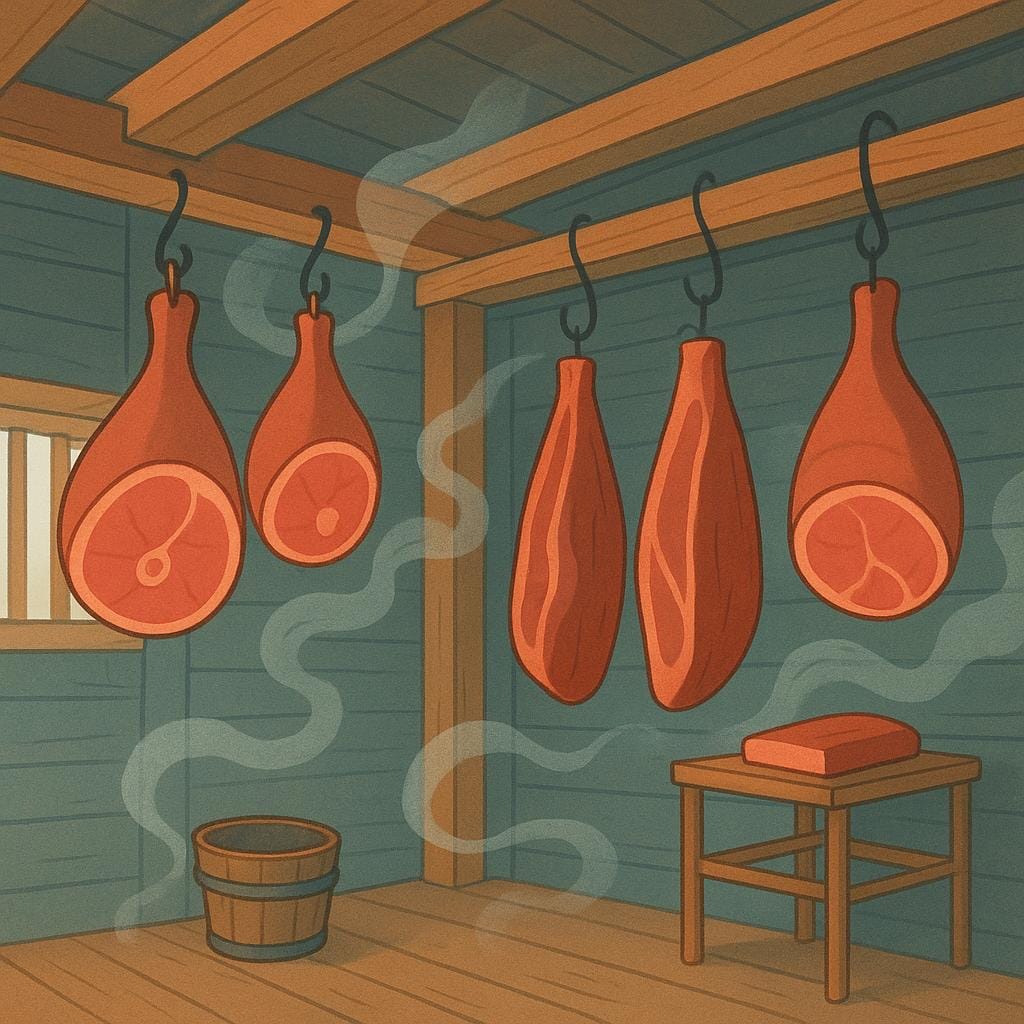
El jamón serrano debe curarse durante muchos meses.
Serrano ham must be cured for many months.
Están curando el queso en una cueva fría.
They are aging the cheese in a cold cave.
Aging People vs. Aging Food
The most common mistake is using 'envejecer' for food or drink that needs to mature. Remember, 'envejecer' is for living beings getting older, while 'curar' is for the specific process of aging food and beverages to improve them.
Related Translations
Learn Spanish with Inklingo
Interactive stories, personalized learning, and more.