How to Say "to mend" in Spanish
The most common Spanish word for “to mend” is “reparar” — use 'reparar' for fixing physical objects like clothing, furniture, or vehicles, focusing on restoring them to a functional state.
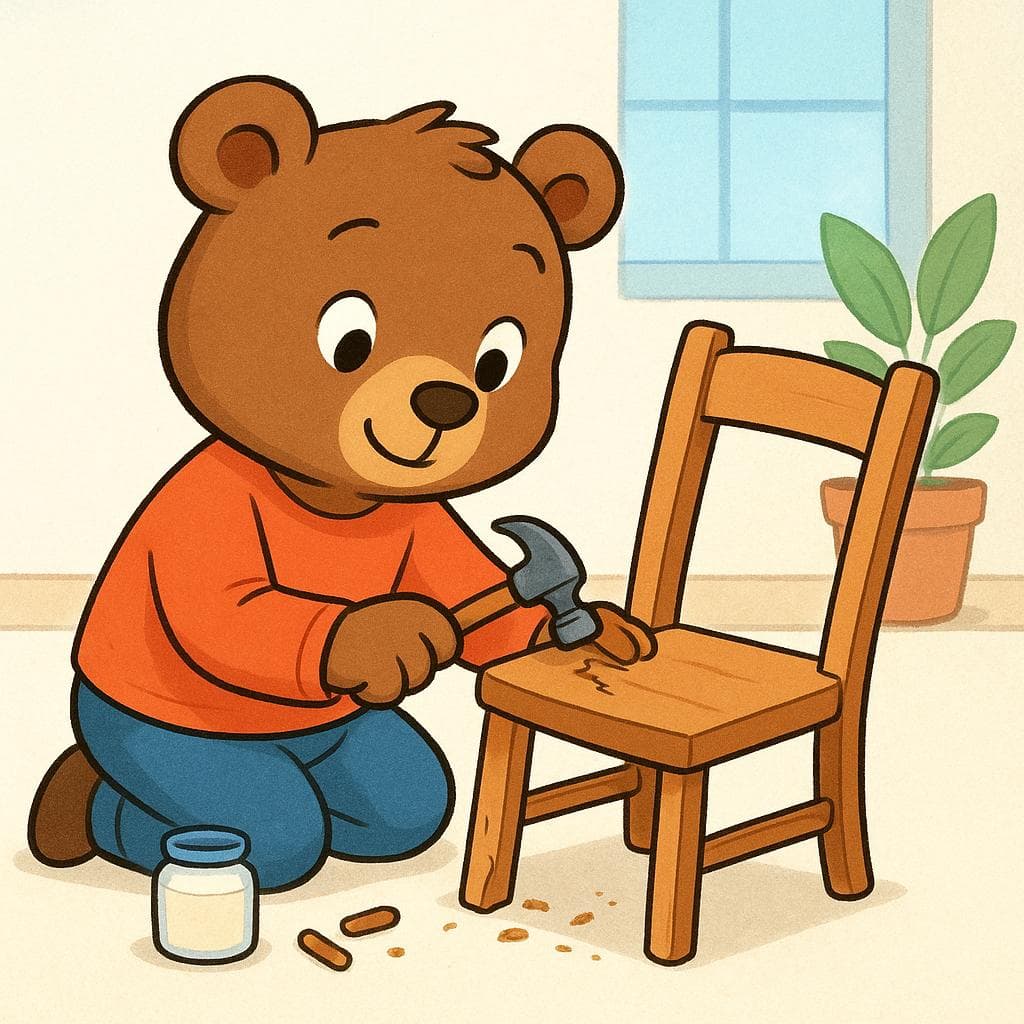
Use 'reparar' for fixing physical objects like clothing, furniture, or vehicles, focusing on restoring them to a functional state.
Learn more →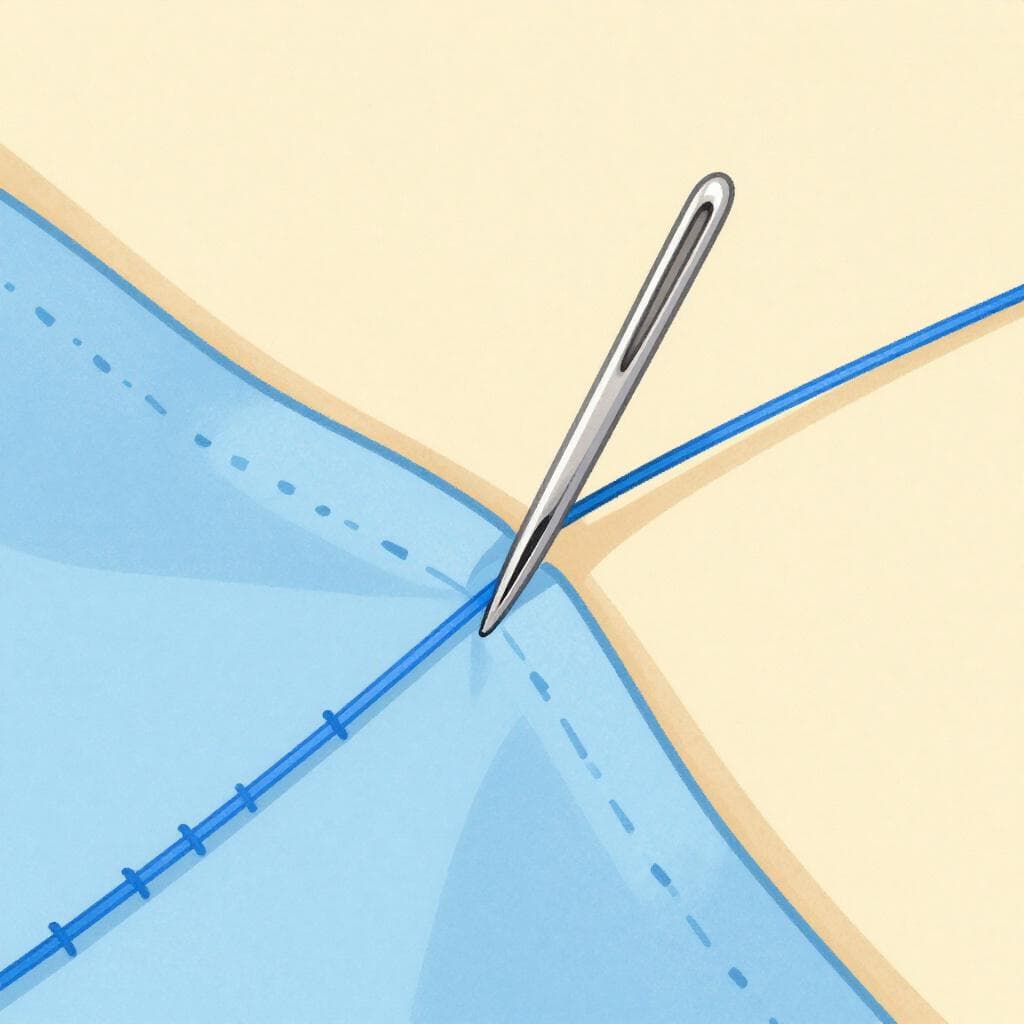
Choose 'coser' specifically when 'mending' involves sewing, such as fixing a tear in fabric or reattaching a button.
Learn more →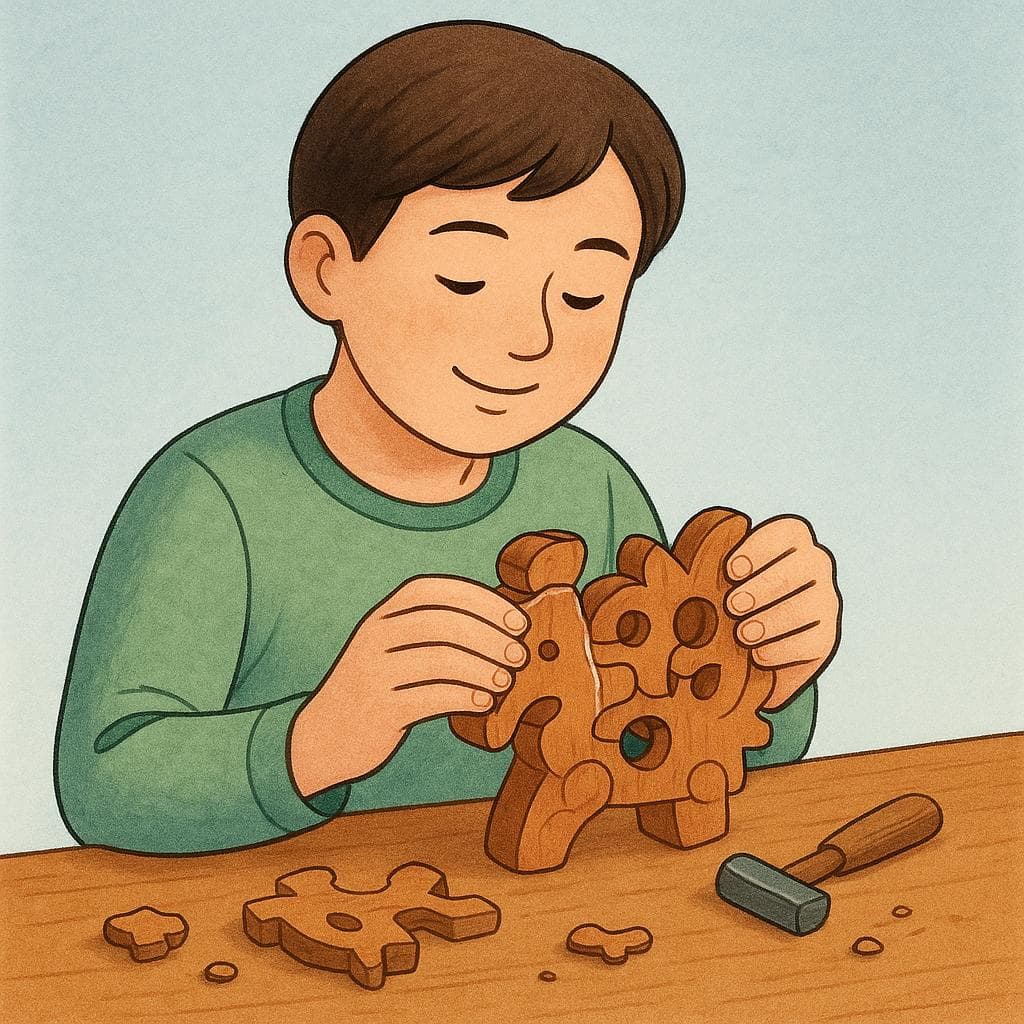
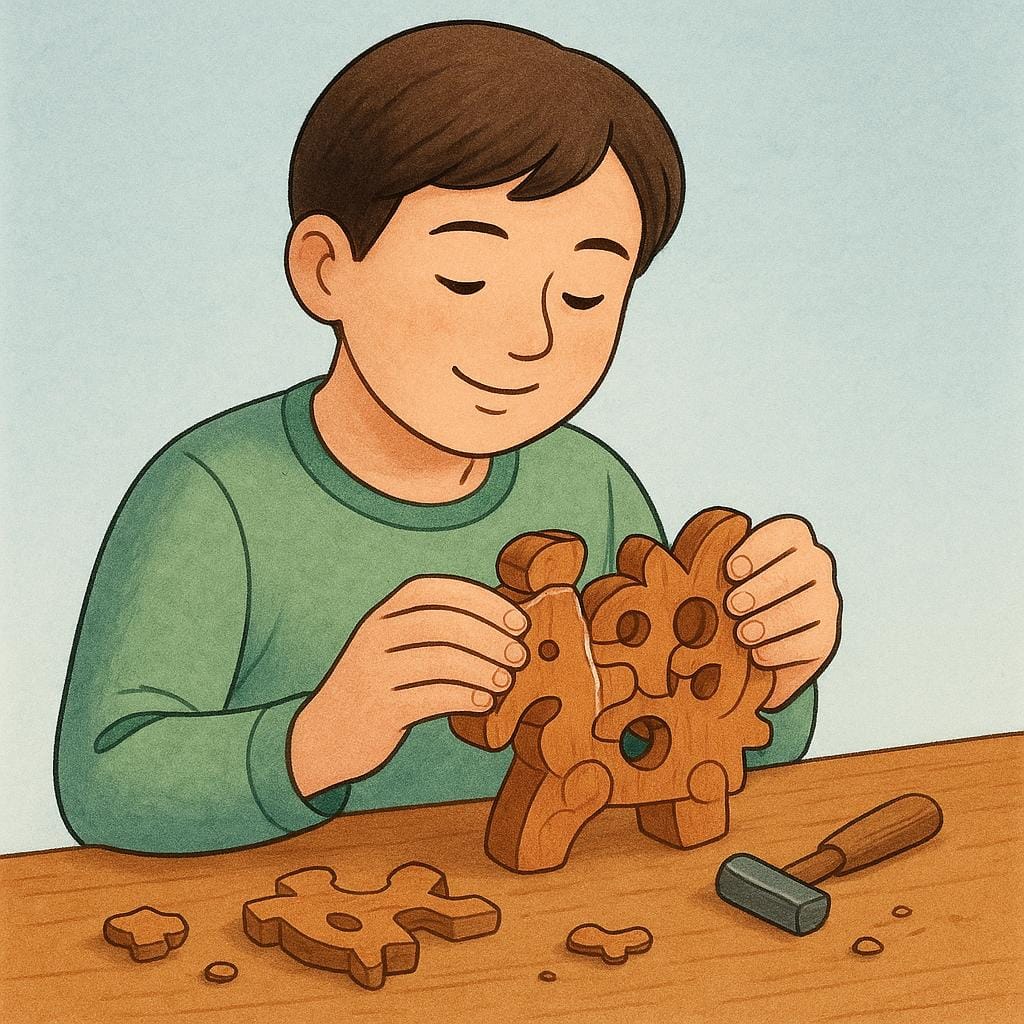
Use 'curar' for healing emotional wounds like a broken heart or a damaged spirit, often implying a gradual process over time.
Learn more →
Opt for 'sanar' when referring to the healing of significant emotional distress, such as recovering from a breakup or mending a broken relationship.
Learn more →reh-pah-RAHRre.paˈɾaɾ
Examples
Necesito reparar mi coche antes del viaje.
I need to repair my car before the trip.
El técnico vino a reparar la lavadora esta mañana.
The technician came to fix the washing machine this morning.
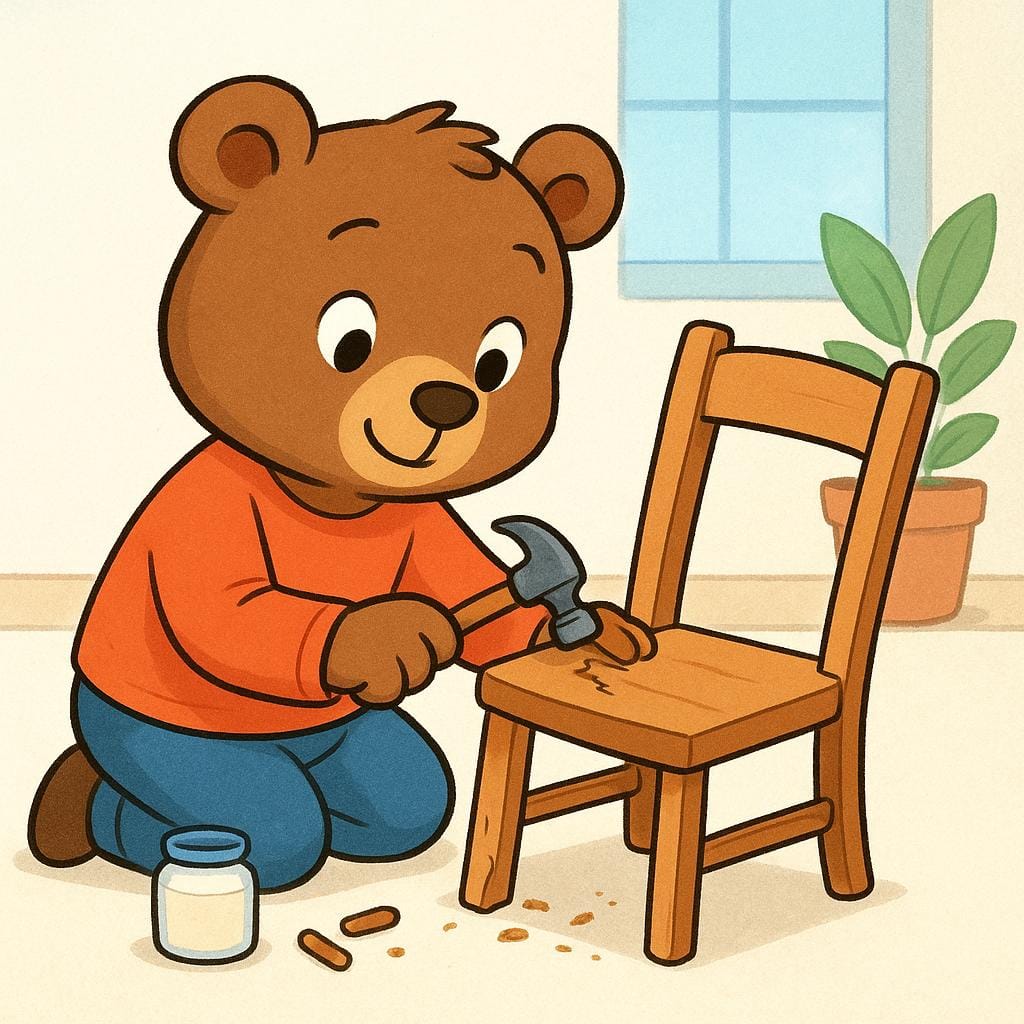
Repararon la silla rota con un poco de pegamento fuerte.
They mended the broken chair with some strong glue.
Direct Action Verb
Like many -ar verbs, 'reparar' describes a direct action on an object (the thing being fixed). You just need the subject (who is fixing) and the direct object (what is being fixed).
Confusing 'reparar' and 'arreglar'
Mistake: “Using 'arreglar' only for physical objects.”
Correction: While both mean 'to fix,' 'arreglar' is more general and informal, used for objects, situations, and even people ('arreglarse' means 'to get ready'). 'Reparar' usually focuses specifically on restoring something broken.
ko-sehrkoˈseɾ

Examples
Mi abuela me enseñó a coser un botón.
My grandmother taught me how to sew a button.
Ella está cosiendo un vestido para la fiesta.
She is sewing a dress for the party.
Tengo que coser este agujero en mis pantalones.
I have to mend this hole in my pants.
Regular -ER Verb
Unlike many common Spanish verbs, 'coser' follows the standard patterns for verbs ending in -er without any stem changes.
Attaching Things
When you want to say you are sewing something 'to' or 'onto' something else, use the word 'a', like 'coser un parche a la chaqueta' (to sew a patch to the jacket).
The 'Coser' vs. 'Cocer' Trap
Mistake: “Using 'cocer' to mean sewing.”
Correction: Use 'coser' with an 'S' for sewing. 'Cocer' with a 'C' means to cook or boil. They sound the same in many parts of the Spanish-speaking world!
koo-RAHRkuˈɾaɾ
Examples
El tiempo cura todas las penas.
Time heals all sorrows.
Esperamos que este acuerdo cure las tensiones entre las naciones.
We hope this agreement remedies the tensions between the nations.
sah-NARsaˈnaɾ

Examples
Necesitas tiempo para sanar tu corazón después de la ruptura.
You need time to heal your heart after the breakup.
Sanar las heridas del pasado no es fácil.
Healing the wounds of the past is not easy.
El perdón es el primer paso para sanar el alma.
Forgiveness is the first step to healing the soul.
Figurative Language
When using 'sanar' for emotions, it works exactly like the physical version, but usually takes a 'thing' (like the heart or the past) as the object receiving the action.
Physical vs. Emotional Mending
Learners often confuse 'reparar' and 'coser' with 'curar' and 'sanar'. Remember: 'reparar' and 'coser' are for physical items, while 'curar' and 'sanar' are for emotional or spiritual healing. Don't use 'reparar' for a broken heart!
Related Translations
Learn Spanish with Inklingo
Interactive stories, personalized learning, and more.