How to Say "to observe" in Spanish
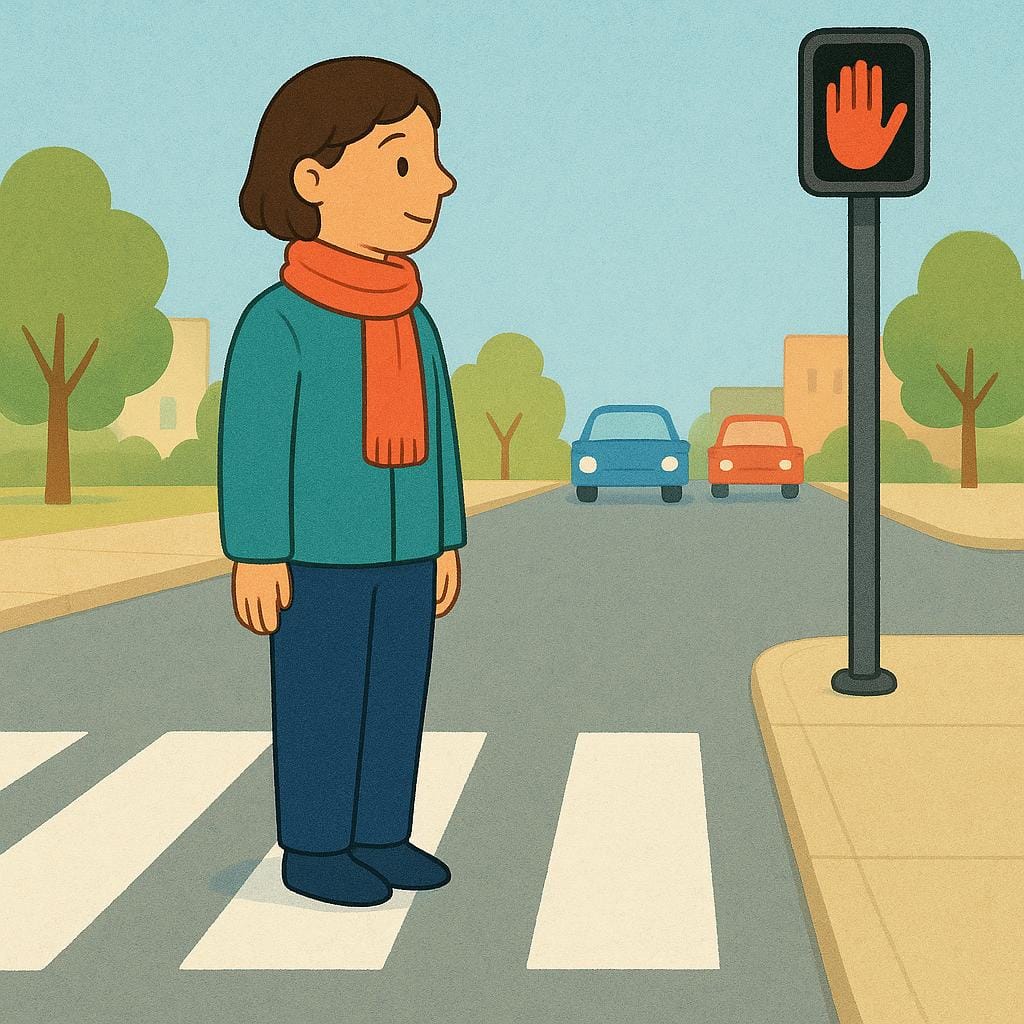
The most common Spanish word for “to observe” is “respetar” — use 'respetar' when 'to observe' means to follow or abide by a law, rule, tradition, or agreement.
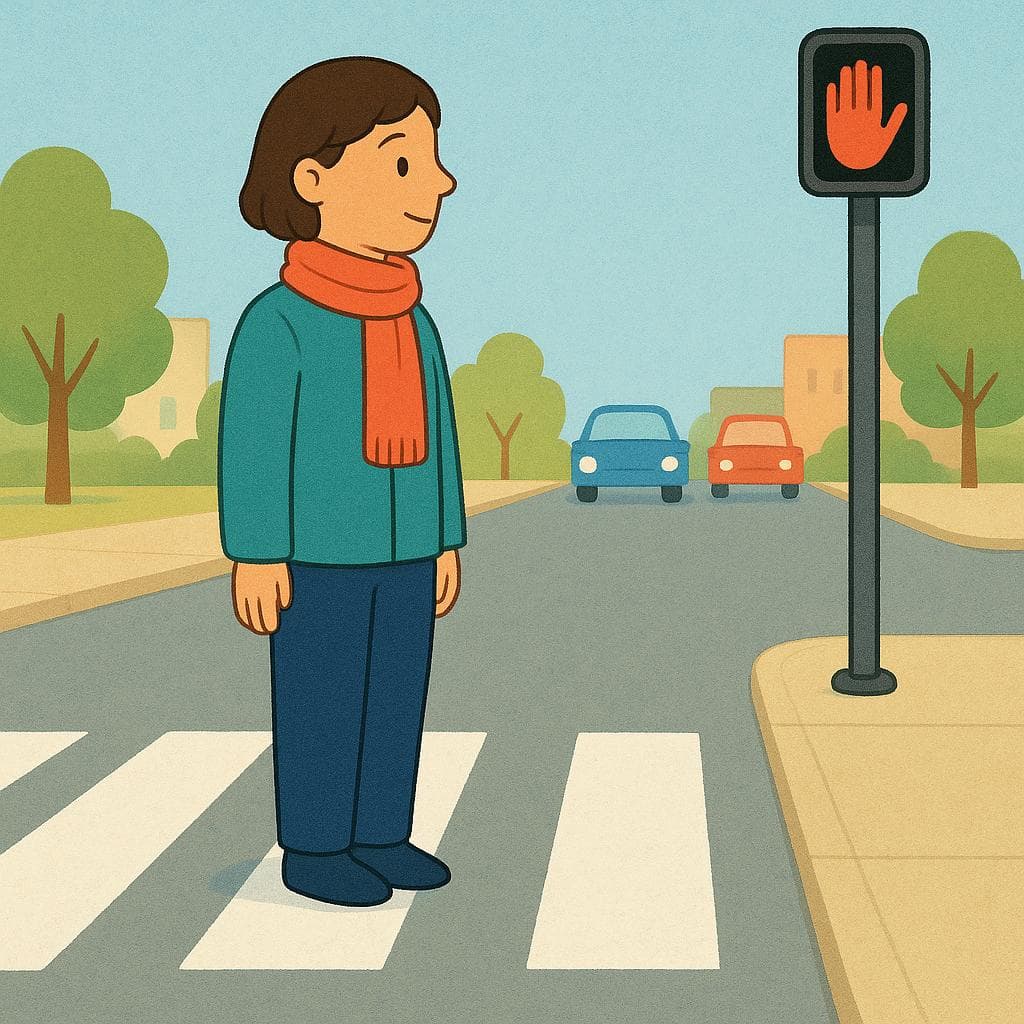
Use 'respetar' when 'to observe' means to follow or abide by a law, rule, tradition, or agreement.
Learn more →
Use 'guardar' when 'to observe' means to keep or maintain something, like a secret, silence, or a promise.
Learn more →
Use 'practicar' when 'to observe' means to actively engage in or carry out a custom, religion, or profession.
Learn more →
Use 'reparar en' (often used reflexively) when 'to observe' means to notice, pay attention to, or recognize something, often something subtle.
Learn more →reh-speh-TARrespeˈtaɾ
Examples
Todos los conductores deben respetar los límites de velocidad.
All drivers must observe the speed limits.
Es importante respetar el horario de silencio en el hotel.
It is important to observe the quiet hours in the hotel.
El contrato obliga a respetar los términos de la entrega.
The contract requires adhering to the delivery terms.
Using 'Respetar' with Boundaries
When talking about physical boundaries or personal space, 'respetar' is the correct verb: 'Necesitas respetar mi espacio personal' (You need to respect my personal space).
Using 'Obedecer' for Rules
Mistake: “Debemos obedecer las reglas de tránsito.”
Correction: Debemos respetar las reglas de tránsito. ('Obedecer' is usually used for people; 'respetar' is often preferred for rules and limits.)
gwar-DARɡwaɾˈðaɾ
Examples
Te prometo que voy a guardar tu secreto.
I promise you that I am going to observe (keep) your secret.
Debes guardar silencio en la biblioteca.
You must observe (keep) silence in the library.
El equipo guardó un minuto de silencio en honor al fallecido.
The team held a minute of silence in honor of the deceased.
Keeping Abstract Things
When dealing with abstract nouns like 'secreto' (secret), 'silencio' (silence), or 'rencor' (grudge), 'guardar' means to actively retain or maintain that state.
prak-ti-KARprak.tiˈkaɾ

Examples
Ella practica la medicina en una clínica rural.
She observes (practices) medicine in a rural clinic.
Mi familia practica la religión católica.
My family observes/practices the Catholic religion.
El gobierno decidió practicar una nueva política económica.
The government decided to carry out a new economic policy.
Formal Usage
When talking about professions or official procedures, 'practicar' implies applying knowledge or power, similar to 'to exercise' or 'to perform'.
reh-pah-RAHRre.paˈɾaɾ

Examples
No reparó en la ironía de sus palabras.
He didn't observe (notice) the irony in his words.
Si reparas en los detalles, verás que la firma es falsa.
If you pay attention to the details, you will see that the signature is fake.
El director nunca repara en gastos cuando se trata de calidad.
The director never pays attention to (or spares) expenses when it comes to quality.
Requires 'en'
When 'reparar' means 'to notice' or 'to pay attention,' it almost always needs the preposition 'en' immediately before the thing being noticed: 'reparar en la diferencia' (to notice the difference).
Using 'reparar' instead of 'notar'
Mistake: “Using 'Reparo que hace frío' (I notice it's cold).”
Correction: While technically correct, this sounds very formal. Use 'Noto que hace frío' or 'Me doy cuenta de que hace frío' for everyday conversation.
Observing Rules vs. Noticing Things
The most common confusion is between 'respetar' and 'reparar en'. Remember, you 'respetar' rules or traditions (follow them), while you 'reparar en' things you notice or pay attention to.
Related Translations
Learn Spanish with Inklingo
Interactive stories, personalized learning, and more.