How to Say "to keep" in Spanish
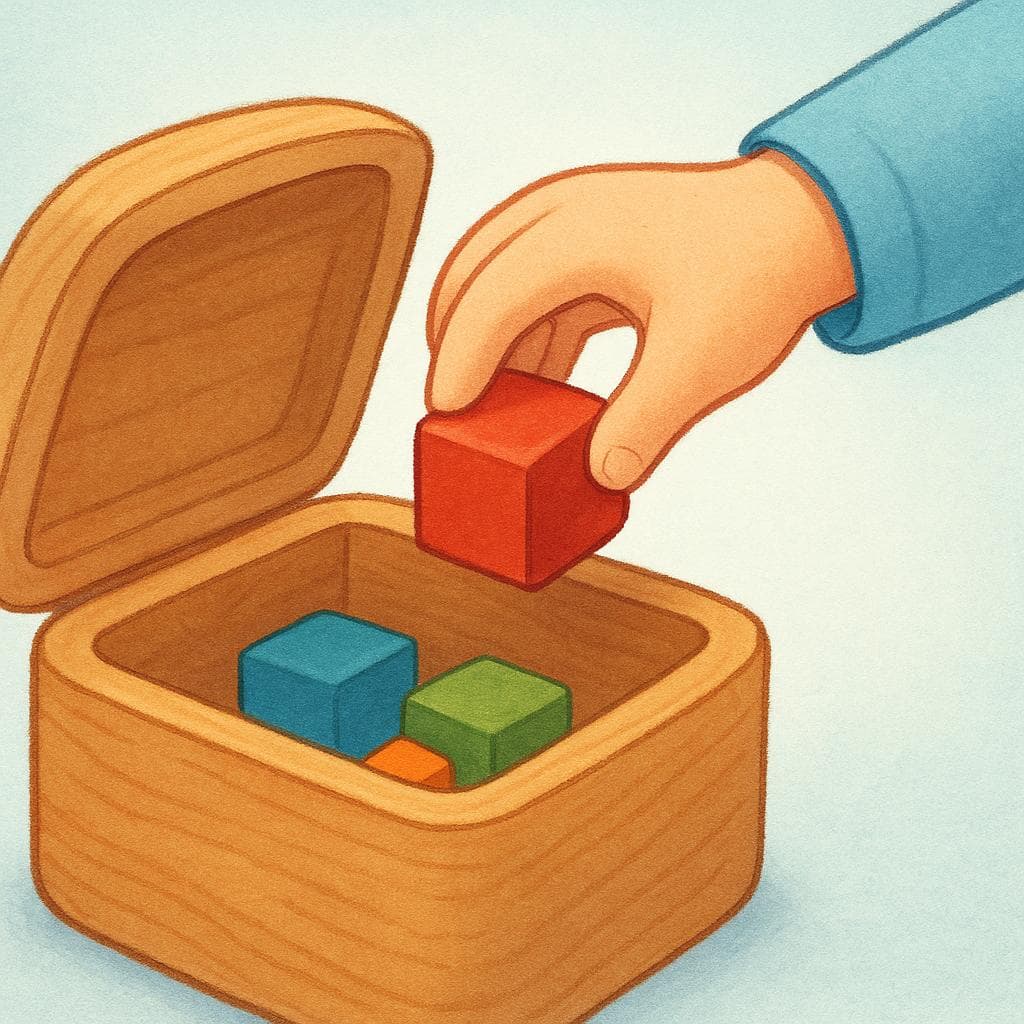
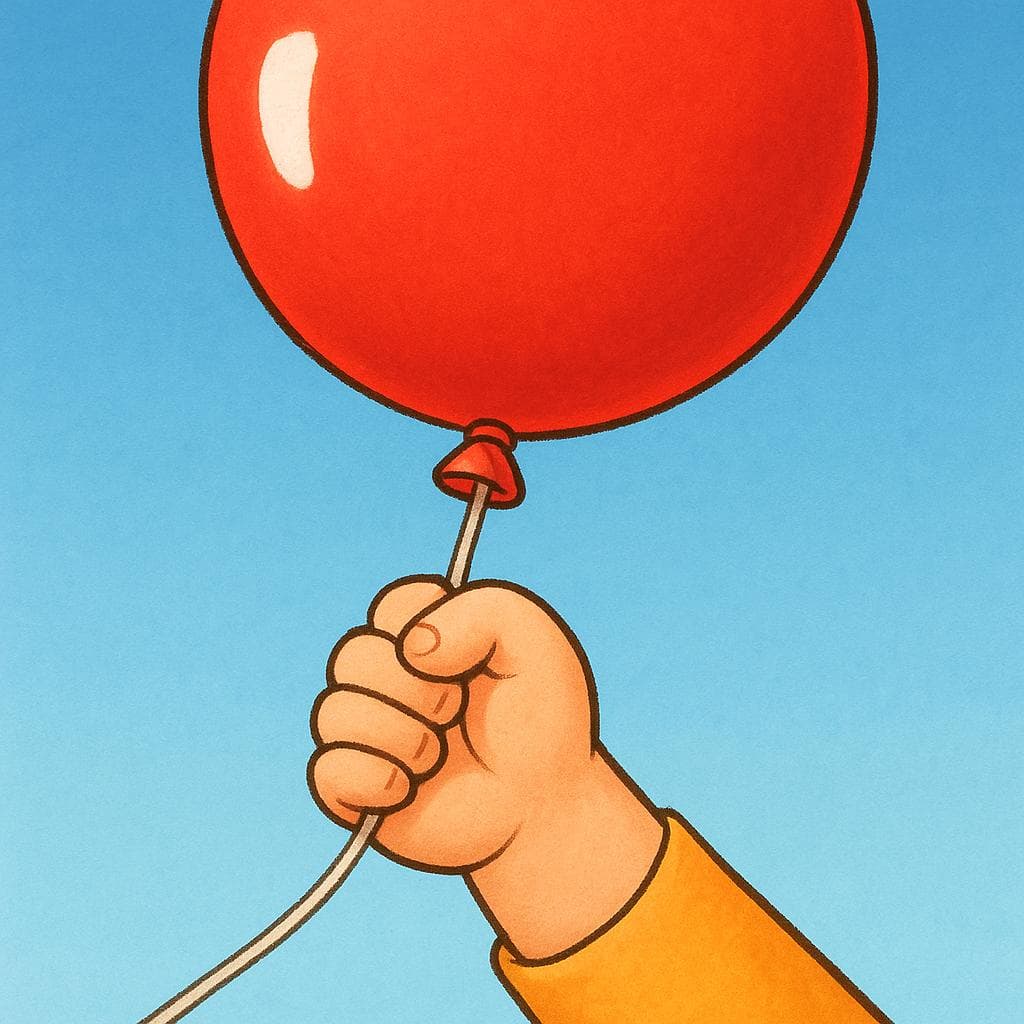
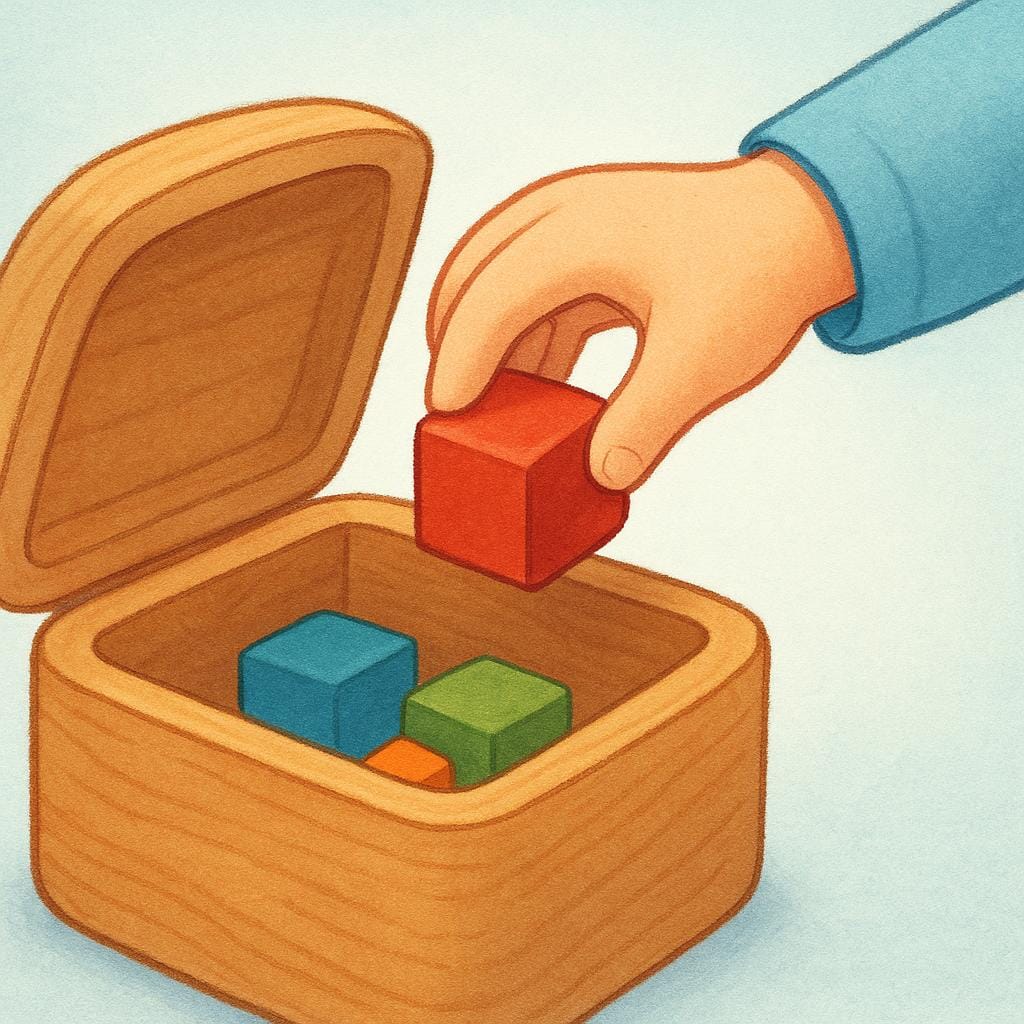
The most common Spanish word for “to keep” is “guardar” — use 'guardar' when you are putting something away in a specific place or retaining possession of an item, like keys or a personal belonging.



guardar
gwar-DARɡwaɾˈðaɾ
Examples
Ella siempre guarda las llaves en el mismo cajón.
She always keeps the keys in the same drawer.
¿Dónde guardaste la aspiradora?
Where did you store the vacuum cleaner?
Guarda el cambio, lo necesitarás más tarde.
Keep the change, you will need it later.
Te prometo que voy a guardar tu secreto.
I promise you that I am going to keep your secret.
Regular AR Verb
Guardar follows the standard pattern for all -AR verbs. Just drop the -ar and add the appropriate endings (e.g., Yo guardo, Tú guardas).
Keeping Abstract Things
When dealing with abstract nouns like 'secreto' (secret), 'silencio' (silence), or 'rencor' (grudge), 'guardar' means to actively retain or maintain that state.
Confusing with 'Save Money'
Mistake: “Voy a guardar dinero.”
Correction: Voy a ahorrar dinero. ('Guardar' is physical storage; 'ahorrar' is saving money.)
quedar
keh-DAHRkeˈðaɾ
Examples
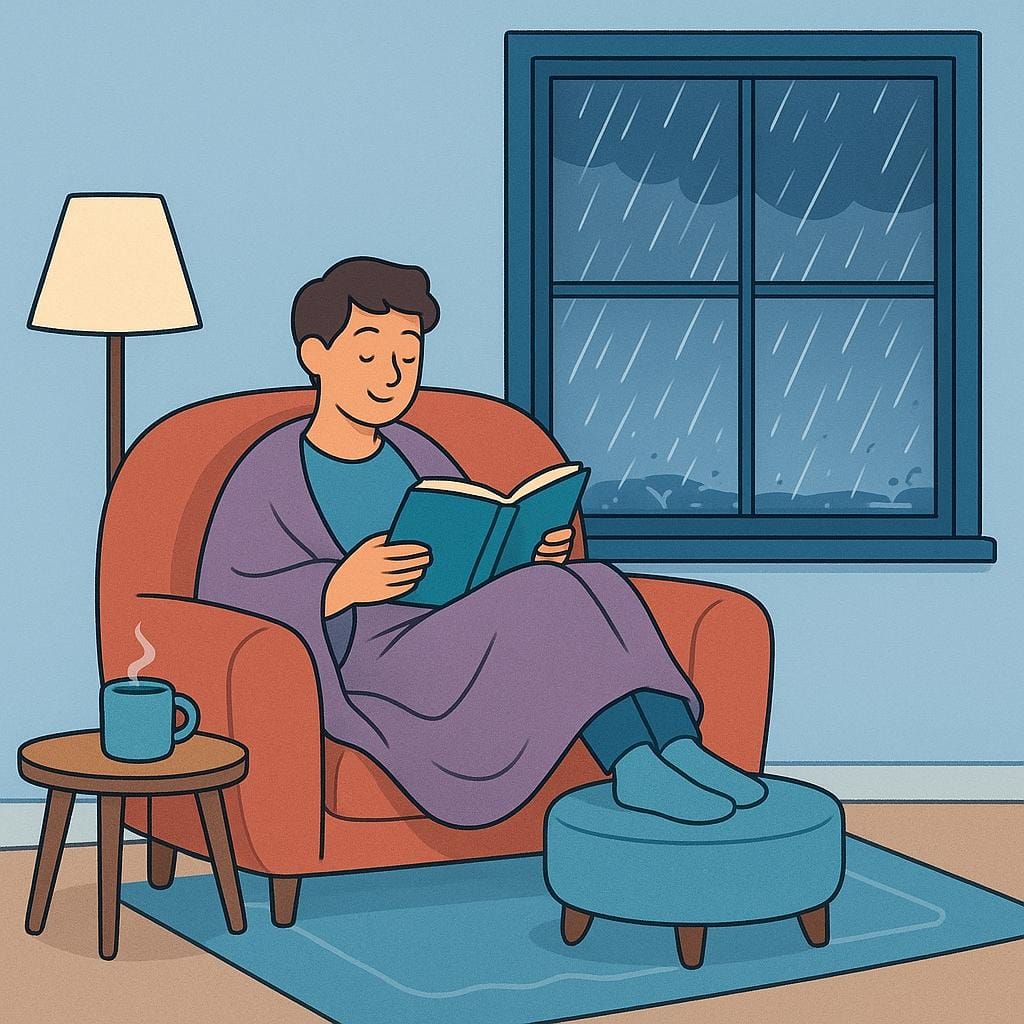
Me voy a quedar en casa esta noche.
I am going to stay home tonight.
¿Te quedaste con el cambio?
Did you keep the change?
El niño se quedó dormido en el sofá.
The child fell asleep on the sofa.
Reflexive vs. Non-Reflexive
Using 'quedarse' (reflexive) emphasizes the decision to stay or the resulting state of the subject. 'Quedar' (non-reflexive) usually means what is left over, or where something is located.
Misplacing the pronoun in commands
Mistake: “Te queda en casa. (Stay home.)”
Correction: Quédate en casa. (Stay home.) – When giving positive commands, the reflexive pronoun (te) attaches to the verb.
quedarnos
keh-DAHR-noskeˈðaɾnos
Examples
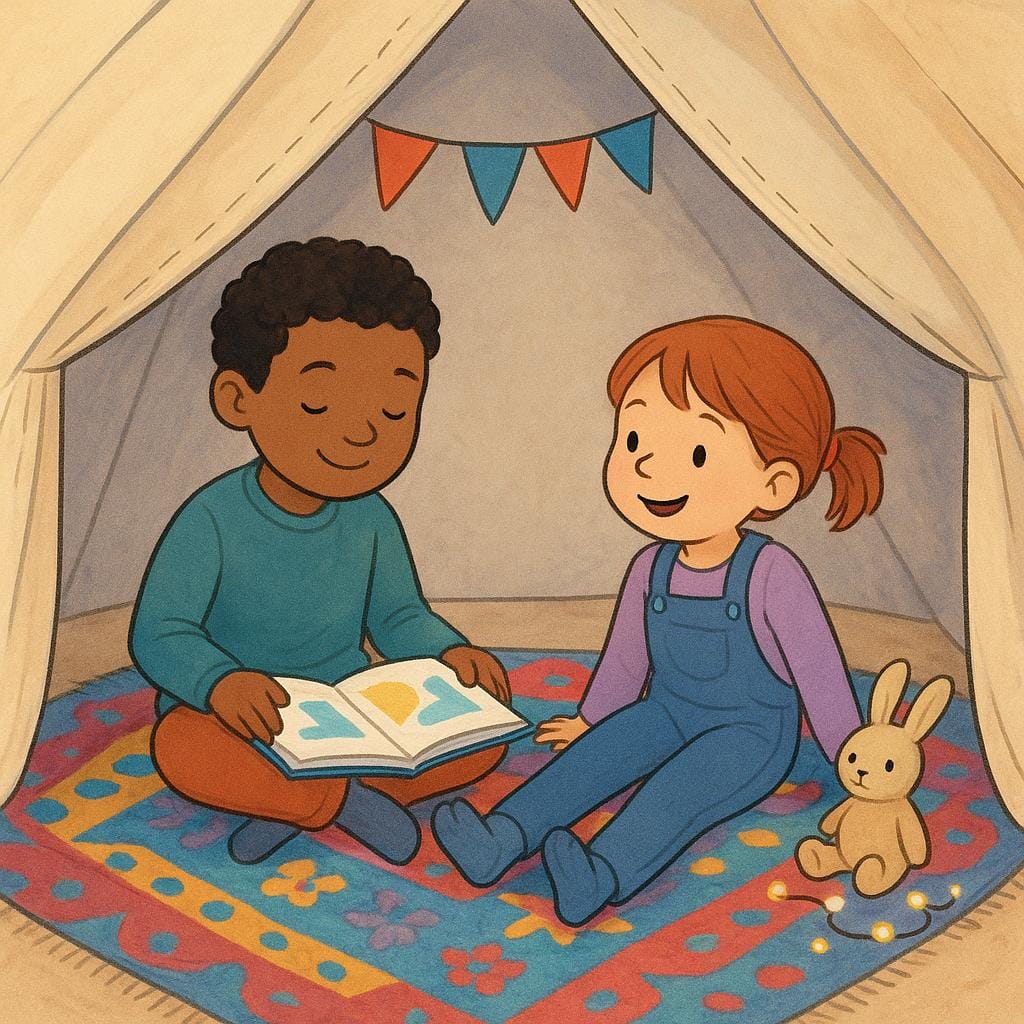
Preferimos quedarnos en el hotel esta noche.
We prefer to stay in the hotel tonight.
Antes de salir, tenemos que quedarnos tranquilos y pensar.
Before leaving, we have to remain calm and think.
¿A qué hora vamos a quedarnos para cenar?
What time are we going to meet up for dinner?
The Reflexive 'Nos'
'Quedarnos' is the base verb 'quedar' with the reflexive pronoun 'nos' attached. This 'nos' means the action is done to or for 'us' (nosotros), making it 'we stay'.
Attaching the Pronoun
When using the infinitive form, the pronoun ('nos') is always attached to the end. The conjugated forms separate the pronoun: 'Nos quedamos' (We stay).
Forgetting the 'Nos'
Mistake: “Vamos a quedar aquí. (Using the non-reflexive 'quedar')”
Correction: Vamos a quedarnos aquí. (The reflexive 'quedarse' is needed when you mean 'to stay' or 'to remain' in a place.)
almacenar
al-ma-seh-NARalmaθeˈnaɾ
Examples
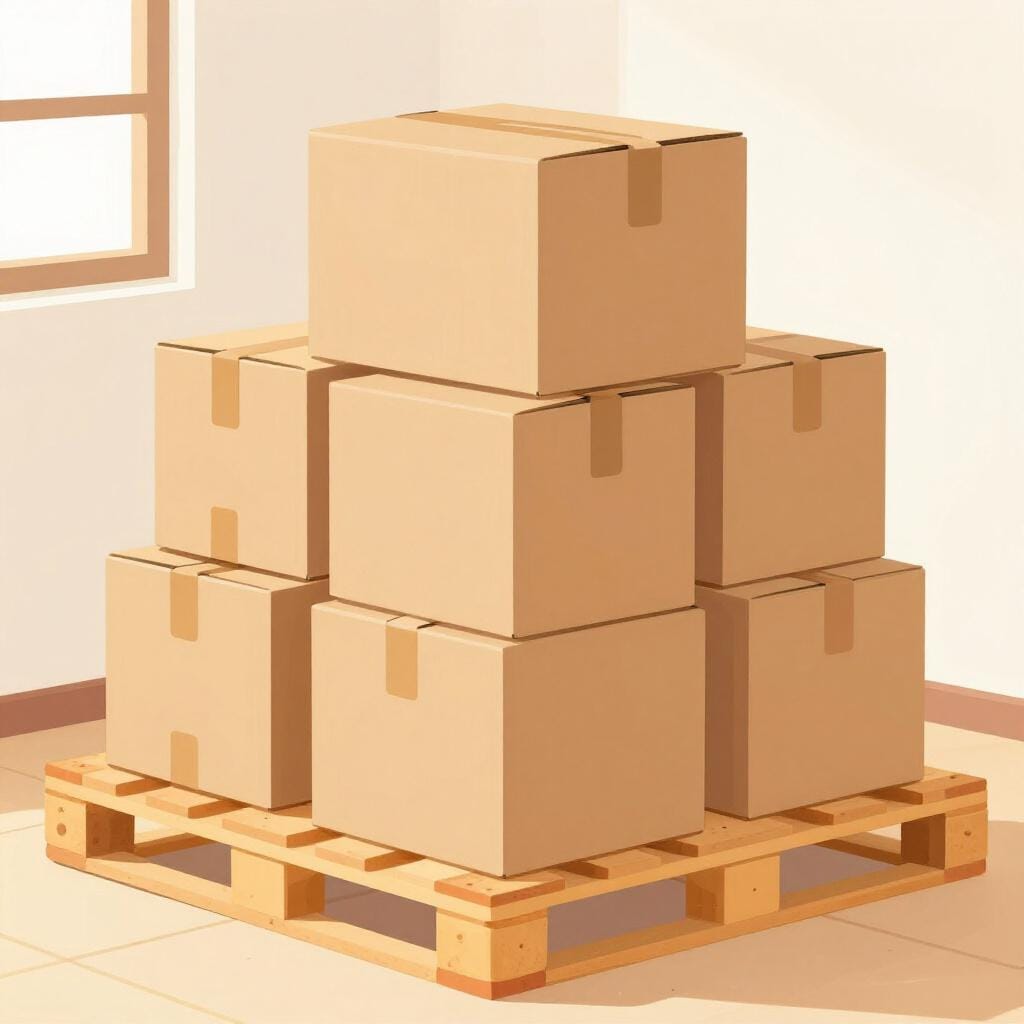
Necesitamos un lugar para almacenar las cajas.
We need a place to store the boxes.
La empresa almacena el grano en grandes silos.
The company stores the grain in large silos.
Es importante almacenar los productos químicos con cuidado.
It is important to store chemical products carefully.
A standard -AR verb
This verb follows the most common pattern in Spanish. If you know how to conjugate 'hablar', you know how to conjugate 'almacenar'!
Action vs. Location
Remember that 'almacenar' is the action of storing, while 'almacén' is the physical building (the warehouse) where things are kept.
Almacenar vs. Guardar
Mistake: “Using 'almacenar' for small daily things like 'almacenar mis llaves'.”
Correction: Use 'guardar' for everyday items like keys or wallets. 'Almacenar' is usually for large quantities or computer data.
mantener
man-teh-NEHRmanteˈneɾ
Examples
Es importante mantener la calma en una emergencia.
It's important to keep calm in an emergency.
Intento mantener mi habitación ordenada.
I try to keep my room tidy.
Hemos mantenido una buena relación durante años.
We have maintained a good relationship for years.
Para mantenerse en forma, corre todas las mañanas.
To stay in shape, he runs every morning.
Irregular 'yo' Form
Just like 'tener' (tengo), the 'yo' form in the present is irregular: 'mantengo'. Many other changes also follow 'tener' (e.g., 'mantuve', 'mantendré').
Keeping a State
This meaning is often followed by a word that describes a state or quality. For example, 'mantener algo limpio' (to keep something clean) or 'mantener la puerta abierta' (to keep the door open).
Doing it to Yourself
When 'mantener' has 'se' on the end (mantenerse), it means the action is being done by the person to themselves. 'Mantengo la casa limpia' (I keep the house clean) vs. 'Me mantengo activo' (I keep myself active).
Using 'Guardar' instead
Mistake: “Guardo la calma.”
Correction: Mantengo la calma. Use 'guardar' for putting things away or storing them, not for maintaining a state or condition.
Forgetting the 'se'
Mistake: “Yo mantengo en forma.”
Correction: Yo me mantengo en forma. Because you are keeping *yourself* in shape, you need the little word 'me' (or 'te', 'se', etc.) before the verb.
retener
rreh-teh-NEHRre.teˈner

Examples
Por favor, retén este paquete hasta que yo vuelva.
Please keep this package until I return.
La lluvia nos retuvo en casa toda la tarde.
The rain held us back at home all afternoon.
No quiero retenerte más, sé que tienes prisa.
I don't want to keep you any longer, I know you're in a hurry.
The 'Tener' Family Pattern
This word works exactly like 'tener.' If you know how to say 'tengo' or 'tuve,' you just add 're-' to the front: 'retengo,' 'retuve.'
Shortened Command
When telling a friend to 'keep' or 'hold' something, the word shortens to 'retén' instead of 'retene.'
Using the wrong past tense
Mistake: “Yo retení el libro.”
Correction: Yo retuve el libro. Remember, it follows the same special past tense pattern as 'tener' (tuve).
quedarse
keh-DAHR-sehkeˈðaɾse

Examples
Ella se quedó con mi libro favorito.
She kept my favorite book.
Después de la fiesta, solo nos quedamos con los platos sucios.
After the party, we were only left with the dirty dishes.
Si gastamos todo, nos quedaremos sin dinero.
If we spend everything, we will run out of money.
Quedarse CON
When you want to express keeping or choosing something, always use 'quedarse con'. For example: 'Me quedé con la camiseta azul' (I chose/kept the blue shirt).
Quedarse SIN
When you want to express running out of something or lacking something, always use 'quedarse sin'. For example: 'Nos quedamos sin café' (We ran out of coffee).
Examples
Para mantenerse en forma, corre todas las mañanas.
To stay in shape, he runs every morning.
conservar
kon-ser-VARkon.seɾˈβaɾ

Examples
Ella conserva la calma incluso en situaciones difíciles.
She keeps her calm even in difficult situations.
Es difícil conservar el optimismo después de esa noticia.
It is difficult to retain optimism after that news.
Logró conservar su puesto de trabajo a pesar de los recortes.
He managed to keep his job despite the cutbacks.
guardar
gwar-DARɡwaɾˈðaɾ
Examples
Te prometo que voy a guardar tu secreto.
I promise you that I am going to keep your secret.
Ella siempre guarda las llaves en el mismo cajón.
She always keeps the keys in the same drawer (puts them away).
¿Dónde guardaste la aspiradora?
Where did you store the vacuum cleaner?
Guarda el cambio, lo necesitarás más tarde.
Keep the change, you will need it later.
Regular AR Verb
Guardar follows the standard pattern for all -AR verbs. Just drop the -ar and add the appropriate endings (e.g., Yo guardo, Tú guardas).
Keeping Abstract Things
When dealing with abstract nouns like 'secreto' (secret), 'silencio' (silence), or 'rencor' (grudge), 'guardar' means to actively retain or maintain that state.
Confusing with 'Save Money'
Mistake: “Voy a guardar dinero.”
Correction: Voy a ahorrar dinero. ('Guardar' is physical storage; 'ahorrar' is saving money.)
quedarm
Examples
Después de ver las opciones, voy a quedarme con la camisa azul.
After seeing the options, I am going to keep the blue shirt.
Distinguishing 'guardar' and 'quedar'
Related Translations
Learn Spanish with Inklingo
Interactive stories, personalized learning, and more.