How to Say "to remain" in Spanish
The most common Spanish word for “to remain” is “quedar” — use this common verb when talking about a quantity or amount of something that is left, or when indicating a state or place where someone will stay.
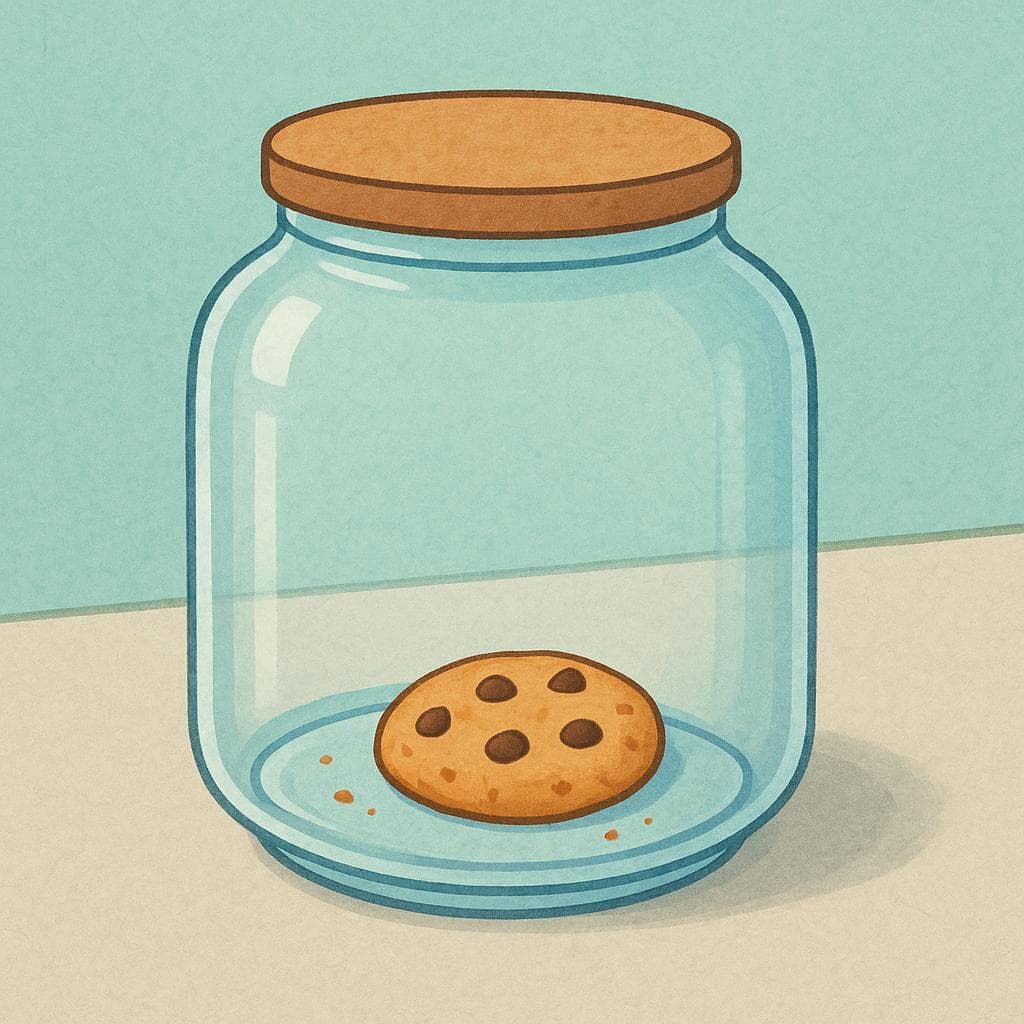
Use this common verb when talking about a quantity or amount of something that is left, or when indicating a state or place where someone will stay.
Learn more →
Use this reflexive verb when indicating that someone will continue to be in a specific location, often implying not leaving.
Learn more →
Use this verb primarily when referring to staying in a physical location for a period of time.
Learn more →
Use this verb to indicate that someone is still in a particular state or condition, often implying continuity from the past.
Learn more →
This reflexive verb is used to describe continuing in a specific state or condition, often related to health or appearance.
Learn more →
Use this verb when talking about the amount of time or distance that is left or needed.
Learn more →
Use the reflexive form 'mantenerse' when describing the act of keeping oneself in a certain state or condition, like staying fit.
Learn more →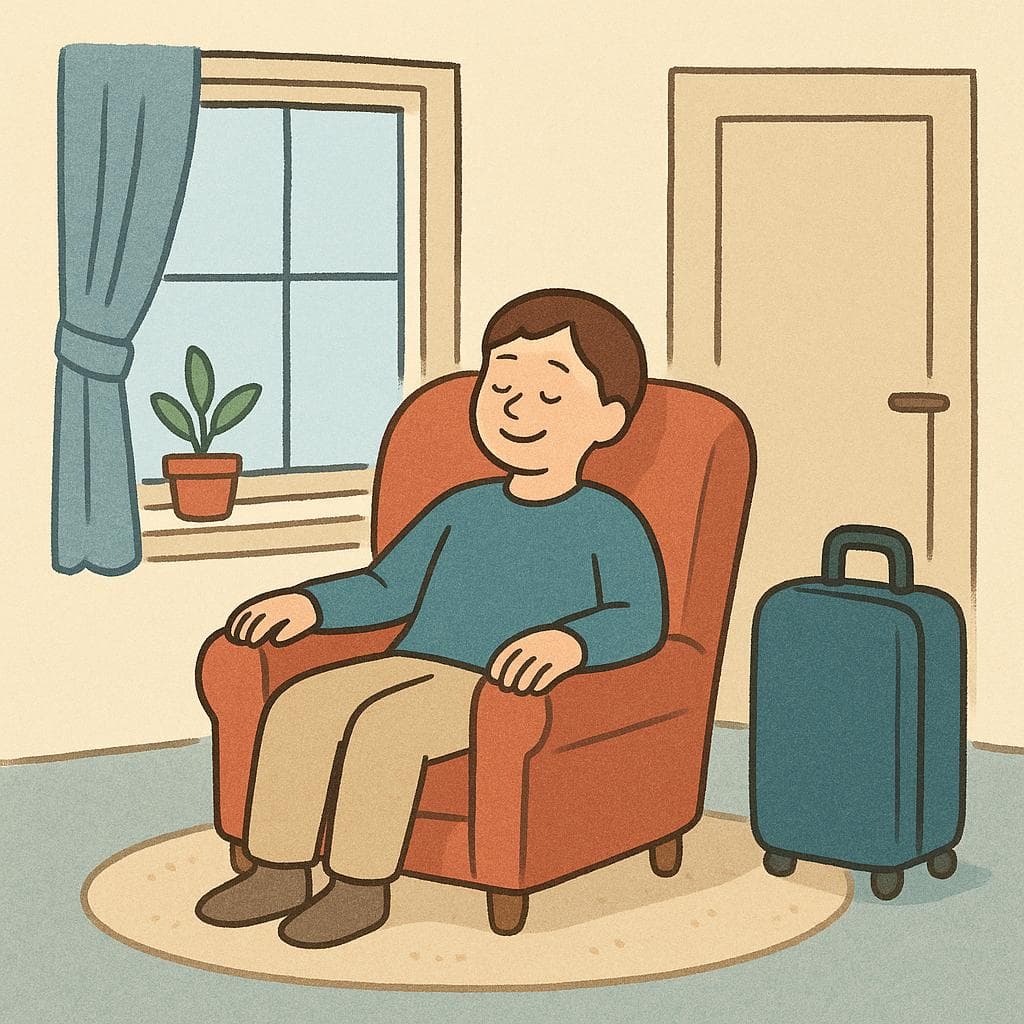
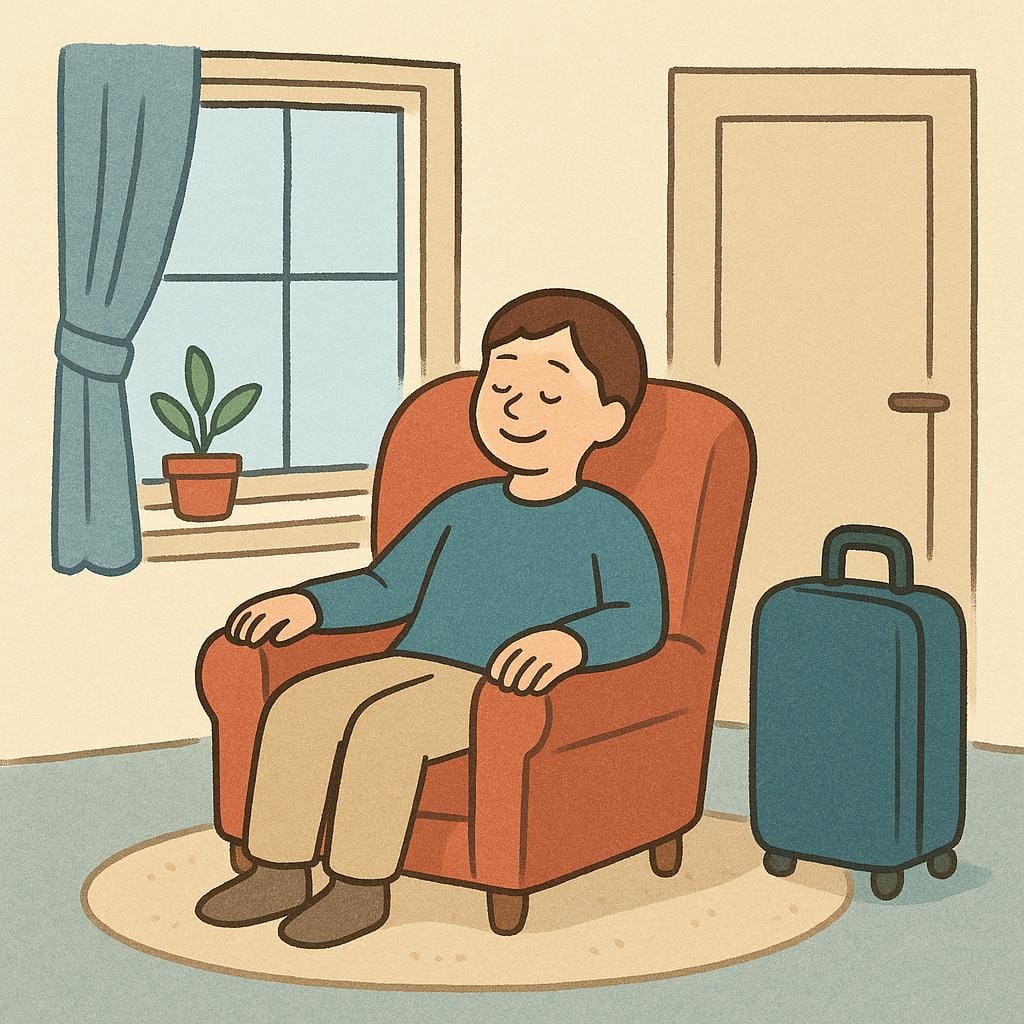
This is the first-person singular reflexive form of 'quedar', used when you personally prefer or choose to stay in a situation or location.
Learn more →
This is the first-person plural reflexive form of 'quedar', used when 'we' prefer or choose not to leave a place or situation.
Learn more →keh-DAHRkeˈðaɾ
Examples
Solo quedan dos manzanas en la nevera.
Only two apples remain in the fridge.
¿Cuánto tiempo nos queda para terminar el proyecto?
How much time do we have left to finish the project?
Después de la cena, siempre queda algo de postre.
After dinner, there is always some dessert left over.
Me voy a quedar en casa esta noche.
I am going to stay home tonight.
Using 'quedar' with amounts
When talking about quantities or things that remain, 'quedar' works like 'gustar.' The verb agrees with the thing that is left (e.g., 'Quedan dos manzanas' - 'Two apples remain').
Reflexive vs. Non-Reflexive
Using 'quedarse' (reflexive) emphasizes the decision to stay or the resulting state of the subject. 'Quedar' (non-reflexive) usually means what is left over, or where something is located.
Subject Agreement
Mistake: “Yo quedo cinco euros. (I remain five euros.)”
Correction: Me quedan cinco euros. (Five euros remain to me.) – Remember the money is the subject, not 'yo.'
Misplacing the pronoun in commands
Mistake: “Te queda en casa. (Stay home.)”
Correction: Quédate en casa. (Stay home.) – When giving positive commands, the reflexive pronoun (te) attaches to the verb.
keh-DAHR-sehkeˈðaɾse

Examples
¿Te quedas en casa esta noche?
Are you staying home tonight?
Nos quedamos tres días en el hotel.
We stayed at the hotel for three days.
Si no vienes, yo me quedo contigo.
If you don't come, I will stay with you.
The '-se' Ending
The '-se' part means the action bounces back to the person doing it. Here, it just reinforces that you are the one staying.
Using 'quedar' instead of 'quedarse'
Mistake: “Me quedo en casa. (Used correctly)”
Correction: Quiero quedar aquí. (Incorrect) -> Use 'quedarse' when talking about personally staying somewhere. 'Quedar' usually means 'to meet' or 'to fit'.
pehr-mah-neh-SEHRpeɾ.ma.neˈseɾ

Examples
Decidimos permanecer en casa por la tormenta.
We decided to stay home because of the storm.
El guardia debe permanecer en su puesto toda la noche.
The guard must remain at his post all night.
¿Cuánto tiempo puedes permanecer bajo el agua?
How long can you remain underwater?
The 'ZC' Change
In the 'yo' form of the present tense, the 'c' changes to 'zc' (permanezco). This happens to all verbs ending in '-ecer' like 'conocer' (conozco).
Forgetting the Irregularity
Mistake: “Yo permaneco en la oficina.”
Correction: Yo permanezco en la oficina. (Remember the 'zc' ending in the present tense 'yo' form.)
seh-GEERseˈɣiɾ

Examples
¿Sigues enojado conmigo?
Are you still mad at me?
Sigo sin entender el problema.
I still don't understand the problem.
A pesar del tratamiento, el paciente sigue enfermo.
Despite the treatment, the patient is still sick.
The Spanish Way to Say 'Still'
While 'todavía' also means 'still', using 'seguir' is a very common and natural way to say that a situation or feeling hasn't changed. It emphasizes the continuation of the state.
Forgetting the 'sin'
Mistake: “Sigo no entiendo.”
Correction: Sigo sin entender. When you 'still don't' do something, the pattern is 'seguir sin + [basic verb form]'.
mahn-teh-NEHR-sehman.teˈneɾ.se

Examples
Ella se mantiene muy activa a pesar de su edad.
She remains very active despite her age.
Necesitas mantenerte concentrado durante el examen.
You need to stay focused during the exam.
Si no te agarras, no te vas a mantener de pie.
If you don't hold on, you won't keep standing (keep your balance).
The '-se' Ending (Reflexive)
The '-se' means the action reflects back on the person doing it. Here, it means 'to keep/maintain oneself' in a certain state.
Irregularity Pattern
Like 'tener' (to have), the 'yo' form in the present tense uses '-go' (me mantengo), and the preterite (past simple) is completely irregular (me mantuve).
Forgetting the Reflexive Pronoun
Mistake: “Yo mantengo tranquilo. (Incorrect)”
Correction: Yo me mantengo tranquilo. (Correct). Remember the 'me, te, se, nos' is required when you mean 'to keep oneself'.
fahl-tahˈfalta

Examples
A la sopa le falta sal.
The soup is lacking salt. (It needs salt.)
Falta un jugador en nuestro equipo.
Our team is missing a player.
Falta una hora para que empiece la película.
There's one hour left until the movie starts.
Works Like 'Gustar'
Often, the thing that is missing is the star of the sentence. Think of 'Falta sal' as 'Salt is lacking'. To say who is missing it, add a little word like 'me', 'te', 'le'. 'Me falta sal' means 'Salt is lacking to me' or 'I'm short on salt'.
Missing a Person vs. Being Absent
Mistake: “Falto a mi familia.”
Correction: Echo de menos a mi familia. Use 'faltar a' for being absent from a place (like class). To talk about the feeling of missing someone you love, use 'echar de menos' or 'extrañar'.
man-teh-NEHRmanteˈneɾ

Examples
Para mantenerse en forma, corre todas las mañanas.
To stay in shape, he runs every morning.
Me mantuve callado durante la reunión para no causar problemas.
I remained quiet during the meeting to not cause problems.
Es difícil mantenerse positivo con tantas malas noticias.
It's difficult to stay positive with so much bad news.
Doing it to Yourself
When 'mantener' has 'se' on the end (mantenerse), it means the action is being done by the person to themselves. 'Mantengo la casa limpia' (I keep the house clean) vs. 'Me mantengo activo' (I keep myself active).
Forgetting the 'se'
Mistake: “Yo mantengo en forma.”
Correction: Yo me mantengo en forma. Because you are keeping *yourself* in shape, you need the little word 'me' (or 'te', 'se', etc.) before the verb.
keh-DAR-mehkeˈðaɾme
Examples
Prefiero quedar en casa en vez de salir hoy.
I prefer to stay at home instead of going out today.
Necesito tiempo para pensar si quiero quedarme aquí o irme.
I need time to think about whether I want to remain here or leave.
¿Puedo quedarme a dormir en tu sofá esta noche?
Can I stay and sleep on your couch tonight?
The attached 'me'
The ending '-me' means 'myself' or 'for me'. When attached to the end of a verb like 'quedarme', it means the action of staying is directed back toward the speaker ('I').
Placement Rule
In compound verb phrases (like 'voy a + infinitive' or 'quiero + infinitive'), you can either attach the 'me' to the end (quiero quedarme) or put it before the conjugated verb (me quiero quedar). Both are correct!
Forgetting the 'me'
Mistake: “Cuando voy a visitar, yo quiero quedar en la casa.”
Correction: Cuando voy a visitar, yo quiero quedarme en la casa. (If you forget the 'me,' the verb 'quedar' means 'to meet' or 'to be left over,' not 'to stay.')
keh-DAHR-noskeˈðaɾnos

Examples
Preferimos quedarnos en el hotel esta noche.
We prefer to stay in the hotel tonight.
Antes de salir, tenemos que quedarnos tranquilos y pensar.
Before leaving, we have to remain calm and think.
¿A qué hora vamos a quedarnos para cenar?
What time are we going to meet up for dinner?
The Reflexive 'Nos'
'Quedarnos' is the base verb 'quedar' with the reflexive pronoun 'nos' attached. This 'nos' means the action is done to or for 'us' (nosotros), making it 'we stay'.
Attaching the Pronoun
When using the infinitive form, the pronoun ('nos') is always attached to the end. The conjugated forms separate the pronoun: 'Nos quedamos' (We stay).
Forgetting the 'Nos'
Mistake: “Vamos a quedar aquí. (Using the non-reflexive 'quedar')”
Correction: Vamos a quedarnos aquí. (The reflexive 'quedarse' is needed when you mean 'to stay' or 'to remain' in a place.)
Quedar vs. Permanecer
The most common confusion is between 'quedar' and 'permanecer' for physical location. While both can mean 'to stay,' 'quedar' is much more common in everyday speech for simply not leaving a place, whereas 'permanecer' often implies staying for a longer duration or for a specific reason.
Related Translations
Learn Spanish with Inklingo
Interactive stories, personalized learning, and more.