How to Say "to become" in Spanish
The most common Spanish word for “to become” is “ponerse” — use this verb to describe a sudden or temporary change in emotional state or physical condition, like getting happy, sad, or ill.











ponerse
poh-NER-sehpoˈneɾse
Examples
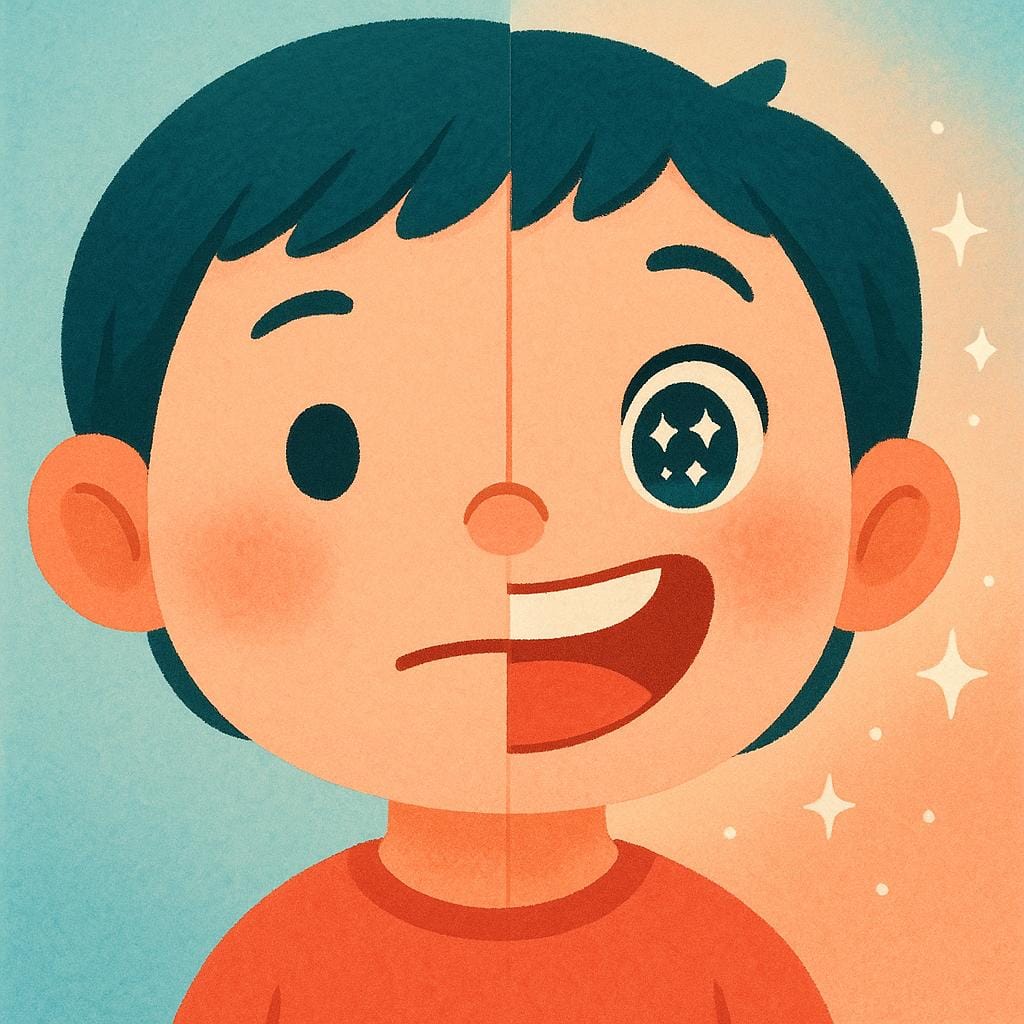
Se puso muy contento al recibir la noticia.
He became very happy upon receiving the news.
Cuando escuchó la noticia, se puso muy triste.
When she heard the news, she became very sad.
Siempre me pongo nervioso antes de un examen.
I always get nervous before an exam.
Mi hermano se puso enfermo después de la fiesta.
My brother got sick after the party.
Change of State
Use 'ponerse' to talk about sudden or temporary changes in feelings or physical condition, like getting happy, tired, or angry.
Followed by Adjectives
This meaning of 'ponerse' is always followed by an adjective describing the new state (e.g., 'triste', 'contento', 'pálido').
Confusing 'Ser' and 'Estar' changes
Mistake: “Me estoy triste (I am sad, using 'estar' incorrectly for a change).”
Correction: Me pongo triste (I am becoming sad). 'Ponerse' signals the transition *into* the state, which is often expressed with 'estar' once the change is complete.
convertirse
con-ver-TIR-sekom.beɾˈtiɾ.se

Examples
El agua se convirtió en hielo.
The water became ice.
Después de la universidad, se convirtió en profesora de historia.
After university, she became a history teacher.
El pequeño arroyo se convirtió en un río caudaloso tras la tormenta.
The small stream turned into a mighty river after the storm.
Mi sueño es convertirme en astronauta algún día.
My dream is to become an astronaut someday.
Always Needs 'en'
When using 'convertirse' to say what someone or something changed into, you must use the little word 'en' right after it: 'Se convirtió en médico' (He became a doctor).
Reflexive Action
Since this is a reflexive verb, the action returns to the subject. The person changes themselves, which is why you need the reflexive pronouns (me, te, se, nos, etc.).
Confusing 'convertirse' with 'ser'
Mistake: “Él se convierte doctor.”
Correction: Él se convierte en doctor. (You need 'en' to introduce the new identity.)
hacerse
ah-SEHR-sehaˈθeɾse
Examples
Ella se hizo doctora con mucho sacrificio.
She became a doctor with much sacrifice.
Mi hermano se hizo arquitecto después de muchos años de estudio.
My brother became an architect after many years of study.
Ella se hizo vegetariana por razones de salud.
She became a vegetarian for health reasons.
Queremos hacernos amigos de los vecinos nuevos.
We want to become friends with the new neighbors.
Action Must Be Chosen
Use 'hacerse' when the change is voluntary, involves effort, or takes a long time. Think of it as 'making yourself' something.
The 'Se' is Essential
The little word 'se' (or 'me,' 'te,' etc.) is necessary because the action turns back on the person doing it. It shows the subject is changing themselves.
Using Ser instead of Hacerse
Mistake: “Él es doctor.”
Correction: Él se hizo doctor. ('Es doctor' just states his current job; 'se hizo doctor' describes the process of becoming one.)
ponerme
po-NER-mepoˈneɾme

Examples
Intento no ponerme nervioso antes de un examen.
I try not to get nervous before an exam.
Al ver la película, empecé a ponerme triste.
Upon seeing the movie, I started to become sad.
Si salgo sin sombrero, puedo ponerme malo.
If I go out without a hat, I could get sick.
Temporary States
When 'ponerme' is used to talk about feelings or states, it usually implies a temporary change, like getting happy or getting tired.
Always Needs an Adjective
In this sense, 'ponerme' must be followed by an adjective describing the mood or state (e.g., nervioso, triste, contento).
Confusing with Ser/Estar
Mistake: “Estoy triste después de la película. (Correct, but static)”
Correction: Me puse triste después de la película. (Correct, emphasizes the action of becoming sad.)
ponernos
poh-NEHR-nohspoˈneɾnos
Examples
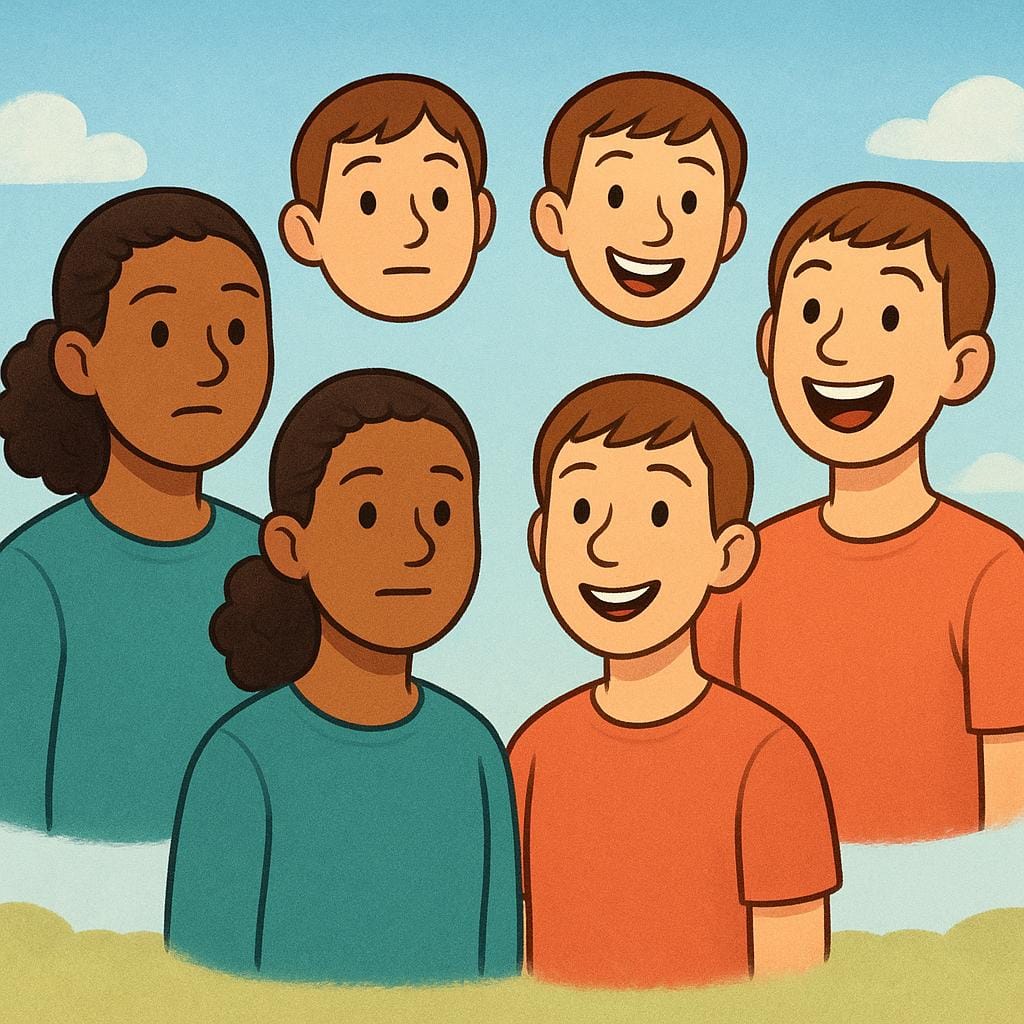
La película es tan triste que podríamos ponernos a llorar.
The movie is so sad that we might start to cry.
No queremos ponernos celosos por su éxito.
We don't want to get jealous because of their success.
El cielo empezó a ponernos nerviosos con ese color gris.
The sky started to make us nervous with that gray color.
Change of State
When 'ponerse' is followed by an adjective (like tristes or nerviosos), it describes a temporary change in how someone feels or looks.
Confusing 'ser' and 'estar'
Mistake: “Vamos a ser contentos.”
Correction: Vamos a ponernos contentos. (Use 'ponerse' to describe the action of changing into that state.)
poner
po-nerpoˈneɾ

Examples
Me pongo ansioso cuando hay mucho tráfico.
I get anxious when there is a lot of traffic.
Me pongo nervioso antes de los exámenes.
I get nervous before exams.
Ella se puso muy contenta con la noticia.
She became very happy with the news.
Ponte la chaqueta, que hace frío.
Put on your jacket, it's cold.
Using 'ponerse' for Changes
Use 'ponerse + adjective' to talk about a sudden or temporary change in someone's mood, health, or physical appearance. Think of it like a state you 'put on' for a while.
Forgetting the 'se'
Mistake: “Yo pongo triste cuando llueve.”
Correction: Use 'Me pongo triste cuando llueve.' You need the little word ('me', 'te', 'se', etc.) to show the change is happening to the person.
ponerse
poh-NER-sehpoˈneɾse
Examples
Cuando escuchó la noticia, se puso muy triste.
When she heard the news, she became very sad.
Siempre me pongo nervioso antes de un examen.
I always get nervous before an exam.
Mi hermano se puso enfermo después de la fiesta.
My brother got sick after the party.
Change of State
Use 'ponerse' to talk about sudden or temporary changes in feelings or physical condition, like getting happy, tired, or angry.
Followed by Adjectives
This meaning of 'ponerse' is always followed by an adjective describing the new state (e.g., 'triste', 'contento', 'pálido').
Confusing 'Ser' and 'Estar' changes
Mistake: “Me estoy triste (I am sad, using 'estar' incorrectly for a change).”
Correction: Me pongo triste (I am becoming sad). 'Ponerse' signals the transition *into* the state, which is often expressed with 'estar' once the change is complete.
quedarse
keh-DAHR-sehkeˈðaɾse

Examples
Se quedó dormida viendo la película.
She fell asleep watching the movie.
Me quedé totalmente asombrado por la noticia.
I became/was left totally astonished by the news.
Con esa actitud, te vas a quedar solo.
With that attitude, you are going to end up alone.
Like 'Ser' or 'Estar'?
When 'quedarse' is used to describe a state, the adjective that follows must match the gender and number of the person (e.g., 'Ella se quedó sorprendida', 'Nos quedamos callados').
Confusing 'Quedarse' with 'Hacerse'
Mistake: “Me hice dormido. (Incorrect)”
Correction: Me quedé dormido. ('Quedarse' is perfect for sudden changes like falling asleep or going quiet, while 'hacerse' is better for deliberate, gradual changes like careers or politics.)
volverse
bol-ver-sebolˈbeɾse

Examples
Después del accidente, se volvió muy callado.
After the accident, he became very quiet.
Con el tiempo, el agua se volvió hielo.
Over time, the water turned into ice.
Ella se volvió loca cuando perdió las llaves.
She went crazy when she lost the keys.
Reflexive Change
This verb is always reflexive (using me, te, se, etc.) when it means 'to become' because the subject is changing themselves.
Volverse vs. Ponerse
Use 'volverse' for deep, lasting, or unexpected changes in character or state, and 'ponerse' for temporary emotional changes (e.g., 'ponerse triste' - to get sad).
Using 'Ser' for Change
Mistake: “El niño fue alto.”
Correction: El niño se volvió alto. (You need a verb of change, not just 'ser', to describe the process of becoming something.)
convertir
kohn-vehr-teerkom.beɾˈtiɾ

Examples
El pequeño arroyo se convirtió en un río caudaloso.
The small stream turned into a mighty river.
El pequeño arroyo **se convirtió** en un río caudaloso.
The small stream **turned into** a mighty river.
Después de la universidad, **se convirtió** en una escritora famosa.
After university, she **became** a famous writer.
Ella **se convirtió** al budismo hace muchos años.
She **converted** to Buddhism many years ago.
The Reflexive 'Se'
When the subject changes itself or transforms, you must use the reflexive pronoun (me, te, se, nos, os, se). This is the key difference from the active form.
Required Preposition
When discussing the result of the change (what it turned into), you almost always need the preposition en (e.g., se convirtió EN doctor).
Missing the Pronoun
Mistake: “Él convirtió un héroe. (He converted a hero)”
Correction: Él se convirtió en un héroe. (He became a hero). Without the 'se', it means he actively changed someone else.
ponerter
Examples
No quiero que vayas a ponerte triste por esto.
I don't want you to become sad because of this.
quedarme
keh-DAR-mehkeˈðaɾme
Examples
Si no tengo cuidado con la nieve, puedo quedarme resfriado.
If I'm not careful with the snow, I can end up catching a cold.
Después de ver la película de terror, voy a quedarme asustado por días.
After watching the horror movie, I am going to remain scared for days.
Becoming a State
This meaning links 'quedarme' with an adjective or a descriptive phrase to show the resulting state of the person. Think of it as 'I am left [in this condition].'
llegar
yeh-GARʝeˈɣaɾ

Examples
Con mucho esfuerzo, llegó a ser el director de la empresa.
With a lot of effort, he became the director of the company.
Si estudias mucho, puedes llegar a ser lo que quieras.
If you study hard, you can become whatever you want.
¿Llegaste a ver la película que te recomendé?
Did you manage to see the movie I recommended to you?
'llegar a' + Verb
This structure means 'to end up doing' or 'to manage to do' something, often implying it was unexpected or took effort. For example, 'Llegué a entender el problema' means 'I eventually understood the problem.'
quedarte
keh-DAR-tehkeˈðar.te

Examples
Si no estudias, vas a quedarte sin trabajo.
If you don't study, you are going to be left without a job.
Después de la película, pude quedarte pensativo.
After the movie, I could see you were left thoughtful (you ended up thoughtful).
Expressing Result
This usage shows a change in state or situation. It's often followed by the preposition 'sin' (without) or an adjective describing the new state.
tornar
tor-NAHRtoɾˈnaɾ

Examples
Sus ojos se tornaron rojos por el cansancio.
His eyes turned red from tiredness.
La situación se tornó difícil de repente.
The situation became difficult all of a sudden.
El día se tornó gris.
The day turned gray.
The 'Change' word
When used to mean 'become', this word almost always needs an 's' or 'se' attached (tornarse). It focuses on a sudden or noticeable shift in how something looks or feels.
Forgetting the 'se'
Mistake: “El cielo tornó oscuro.”
Correction: El cielo se tornó oscuro. When things change their own state, you need the 'se' to show the change is happening to them.
volver
bol-BERbolˈβeɾ

Examples
Se volvió una persona muy optimista.
He became a very optimistic person.
Ese ruido me está volviendo loco.
That noise is driving me crazy.
El agua se volvió hielo con el frío.
The water turned into ice with the cold.
Using 'volverse' for Changes
When 'volver' is used with 'se' (volverse), it describes a deep, often permanent, and sometimes involuntary change in someone's personality or a thing's state.
'Volverse' vs. 'Ponerse'
Mistake: “Se volvió triste cuando escuchó la noticia.”
Correction: Se puso triste cuando escuchó la noticia. Use 'ponerse' for temporary, quick emotional or physical changes (like becoming sad or red). Use 'volverse' for more lasting transformations (like becoming cynical).
meterse
meh-TEHR-sehmeˈteɾ.se

Examples
Después de la universidad, se metió a periodista.
After university, he became a journalist.
Ella se metió en política para cambiar las cosas.
She got into politics to change things.
Focus on Commitment
This usage emphasizes the act of committing or immersing oneself fully into a specific role, career, or lifestyle.
Ponerse vs. Convertirse
Related Translations
Learn Spanish with Inklingo
Interactive stories, personalized learning, and more.