How to Say "to get" in Spanish
The most common Spanish word for “to get” is “conseguir” — use this when you acquire something through effort or achieve a goal.




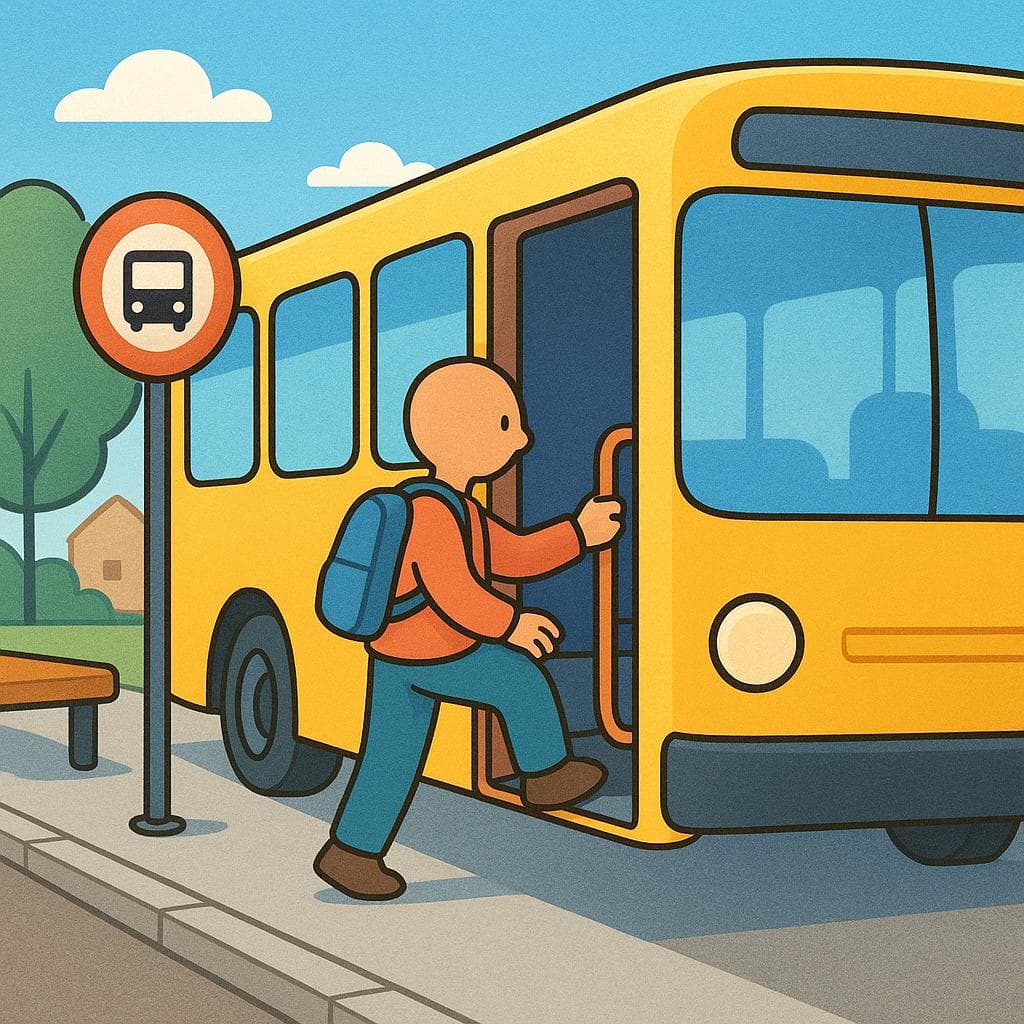





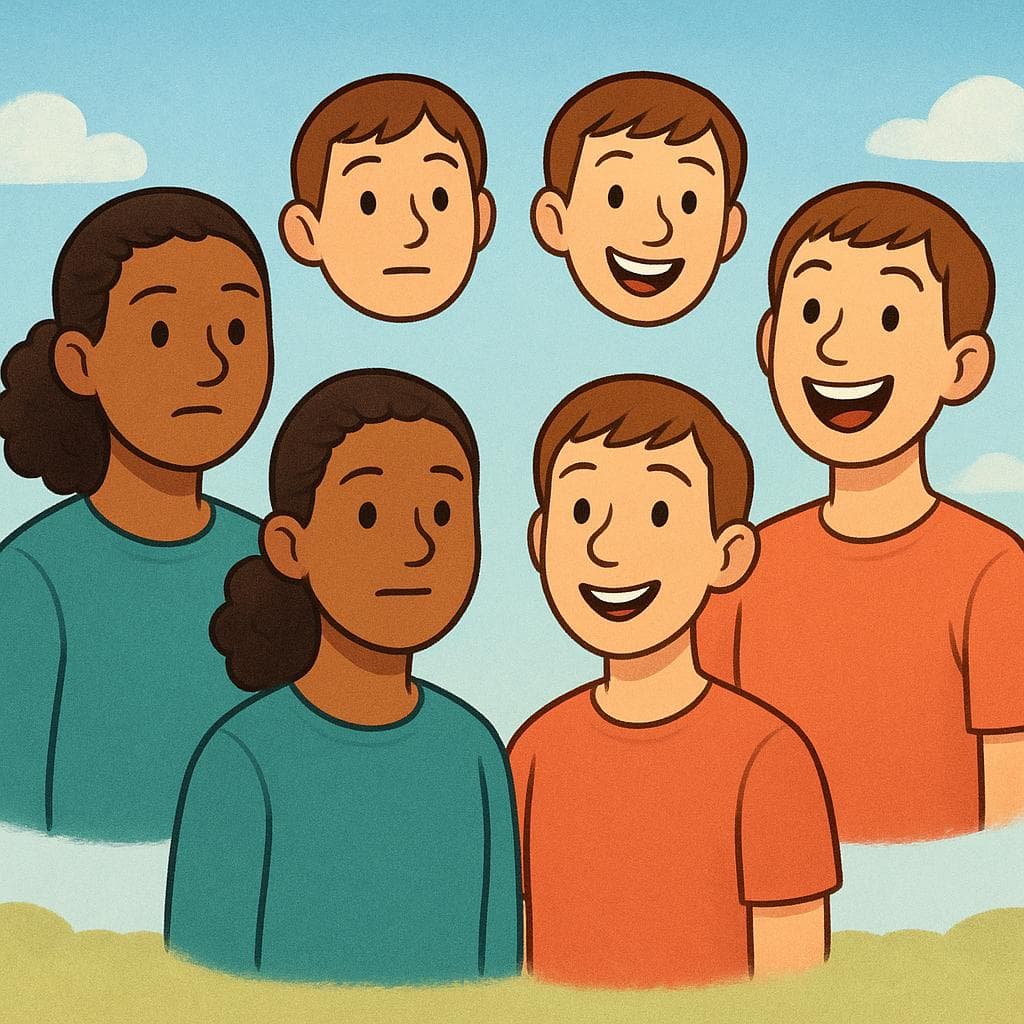
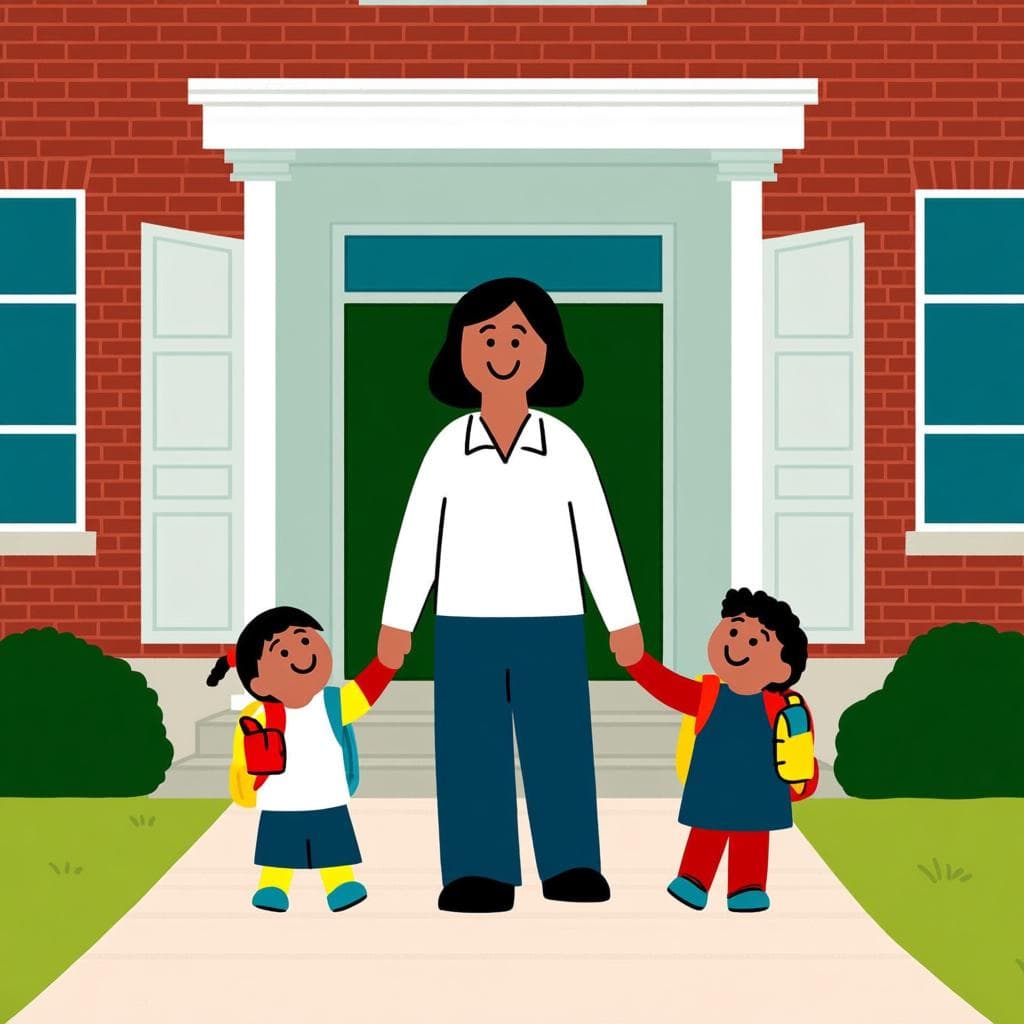


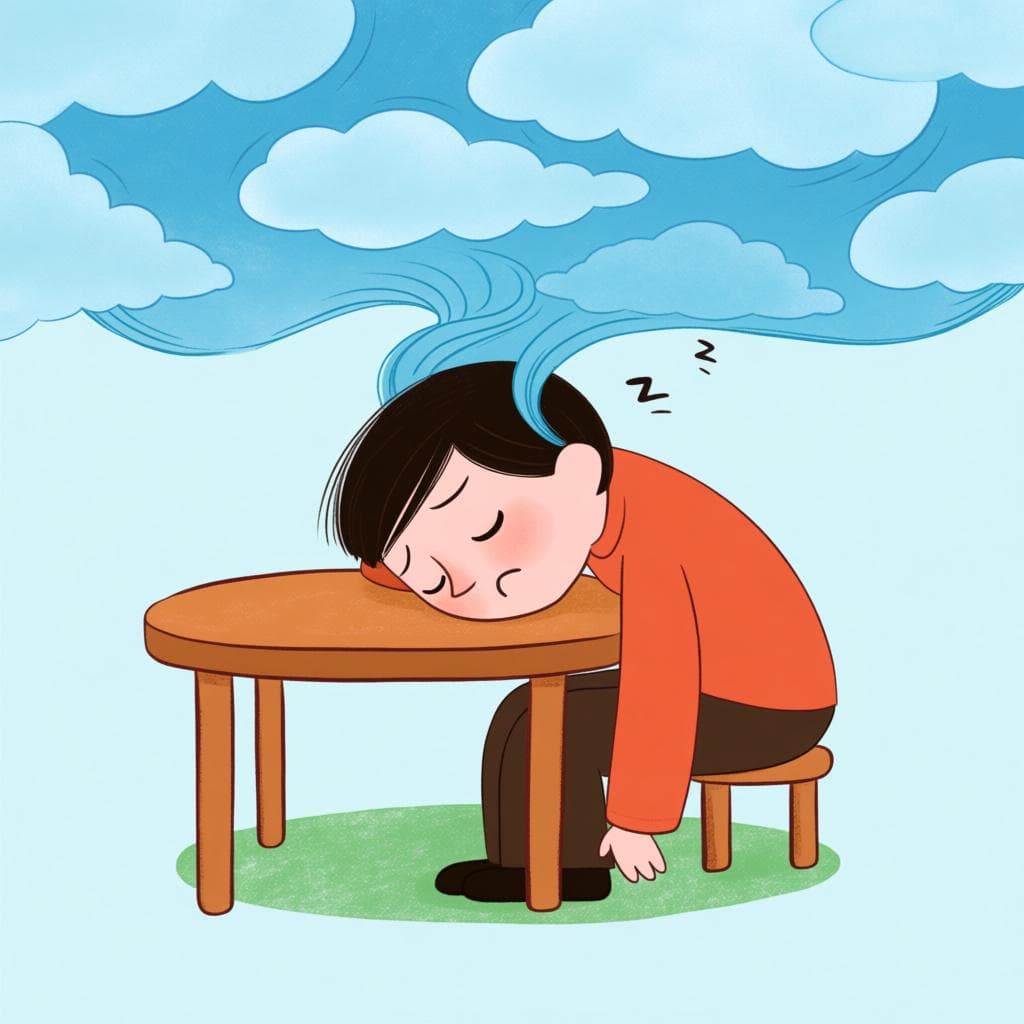

conseguir
kon-seh-GEERkonseˈɣiɾ

Examples
Conseguí un buen trabajo.
I got a good job.
¿Puedes conseguir leche en la tienda?
Can you get milk at the store?
Por fin conseguimos las entradas para el concierto.
We finally got the tickets for the concert.
The 'e' to 'i' Switch
In some forms, like 'yo consigo' (I get), the 'e' in the stem flips to an 'i'. This happens in many common verbs, especially those ending in '-eguir' like 'seguir'.
The 'g' sound change
Notice how in 'yo consigo', the 'gu' becomes a 'g'. This is just a spelling change to keep the 'g' sound hard before the '-o' ending.
Using 'tener' vs 'conseguir'
Mistake: “Tengo las entradas. (When you mean you went out and got them)”
Correction: Conseguí las entradas. 'Tener' means you have them now, but 'conseguir' tells the story of how you acquired them, usually with some effort.
obtener
ob-teh-NEHRoβ.teˈneɾ

Examples
Necesito obtener mi licencia de conducir pronto.
I need to get my driver's license soon.
Ellos obtuvieron el permiso para construir la casa.
They obtained the permit to build the house.
Obtuvimos mucha información útil del sitio web.
We got a lot of useful information from the website.
Irregularity Pattern
Even though 'obtener' ends in '-er', it acts like the verb 'tener' (to have). Its most irregular parts are the past (pretérito) and the future tense.
The 'Yo' Form Trick
In the present tense 'yo' form and the present subjunctive, it adds a 'g': obteNGo. This is a common pattern for many irregular verbs.
Confusing Conjugation
Mistake: “Using the regular '-er' past forms: *obtenió, obtenieron.”
Correction: Remember the 'u' sound for the simple past: 'obtuvo, obtuvieron'. Think of 'u' for 'I got it' (obtuve).
sacar
sah-KARsaˈkaɾ

Examples
Saqué una buena nota en el examen.
I got a good grade on the exam.
Tenemos que sacar las entradas para el concierto.
We have to get the tickets for the concert.
Mi hermano sacó su licencia de conducir la semana pasada.
My brother got his driver's license last week.
entender
en-ten-DEHRen.tenˈdeɾ

Examples
No entiendo la pregunta.
I don't understand the question.
¿Entiendes lo que digo?
Do you understand what I'm saying?
Por fin entendí la película después de verla dos veces.
I finally understood the movie after watching it twice.
A Shape-Shifting Verb (e → ie)
Notice how the 'e' in 'entender' changes to 'ie' in some forms, like 'yo entiendo' (I understand). But it stays as an 'e' when you talk about 'nosotros' (we) or 'vosotros' (you all, in Spain): 'entendemos'.
'Entender' vs. 'Comprender'
Mistake: “Using 'comprender' for simple facts.”
Correction: Both words mean 'to understand', and you can often use them interchangeably! But there's a small difference: use 'entender' for grasping facts or information ('¿Entiendes la dirección?'). Use 'comprender' for a deeper, more empathetic understanding of a situation or person ('Comprendo tu dolor'). When in doubt, 'entender' is usually a safe bet.
coger
ko-kherkoˈxeɾ
Examples
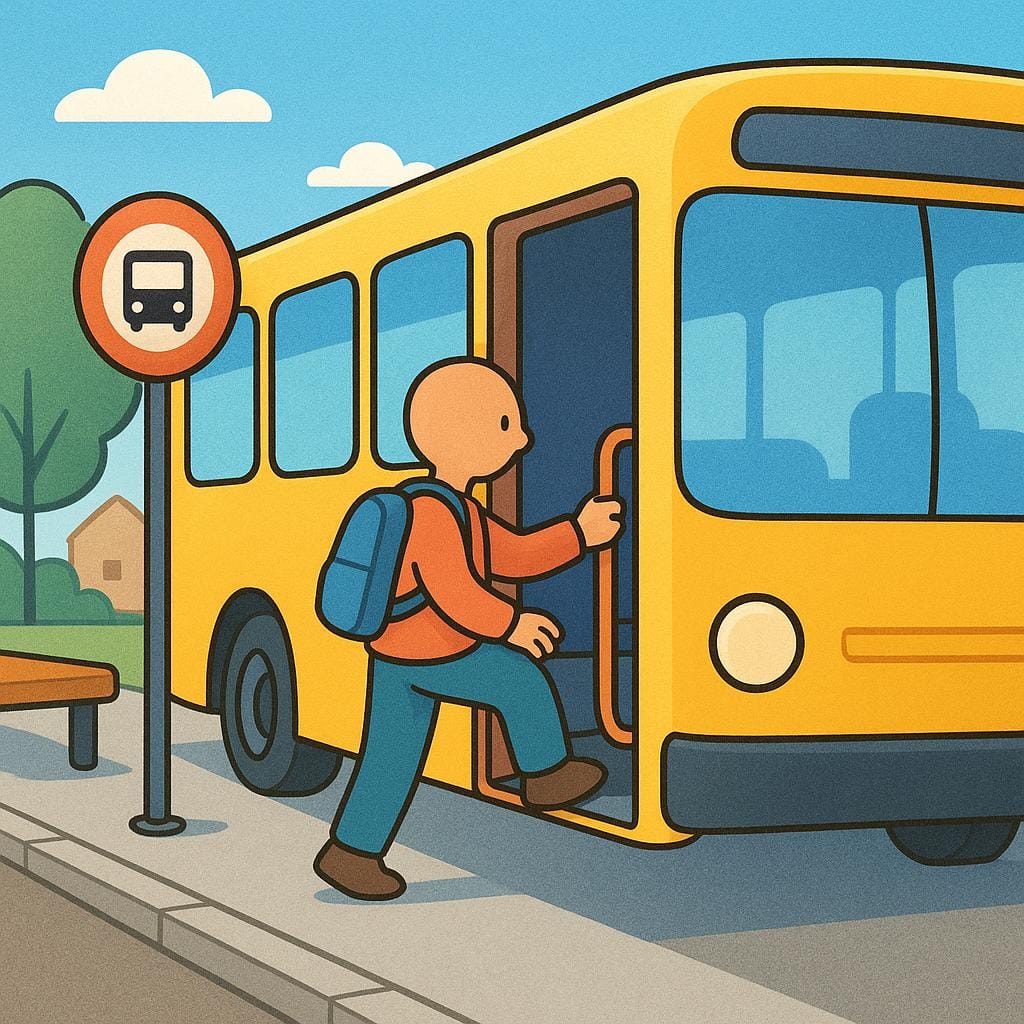
Si no te apuras, vas a perder el tren, ¡cógelo ya!
If you don't hurry up, you're going to miss the train, catch it now!
Creo que cogí un resfriado por el frío de anoche.
I think I caught a cold because of the cold last night.
Transportation Verbs
In Spain, 'coger' is the standard way to talk about getting on or taking any form of public transport (bus, taxi, train). In Latin America, you must use 'tomar' or 'agarrar'.
agarrar
ah-gah-RRAHRaɣaˈraɾ

Examples
Si no te abrigas bien, vas a agarrar un resfriado.
If you don't bundle up well, you are going to catch a cold.
Llegamos tarde y no pudimos agarrar el último autobús.
We arrived late and couldn't catch the last bus.
Me costó un poco, pero al final agarré la idea del profesor.
It took me a while, but in the end I grasped the professor's idea.
Figurative Usage
This meaning extends the idea of 'taking hold' to non-physical things, like taking hold of a disease or taking hold of an opportunity (catching a bus).
ponerse
poh-NER-sehpoˈneɾse

Examples
Cuando escuchó la noticia, se puso muy triste.
When she heard the news, she became very sad.
Siempre me pongo nervioso antes de un examen.
I always get nervous before an exam.
Mi hermano se puso enfermo después de la fiesta.
My brother got sick after the party.
Change of State
Use 'ponerse' to talk about sudden or temporary changes in feelings or physical condition, like getting happy, tired, or angry.
Followed by Adjectives
This meaning of 'ponerse' is always followed by an adjective describing the new state (e.g., 'triste', 'contento', 'pálido').
Confusing 'Ser' and 'Estar' changes
Mistake: “Me estoy triste (I am sad, using 'estar' incorrectly for a change).”
Correction: Me pongo triste (I am becoming sad). 'Ponerse' signals the transition *into* the state, which is often expressed with 'estar' once the change is complete.
ponerme
po-NER-mepoˈneɾme

Examples
Intento no ponerme nervioso antes de un examen.
I try not to get nervous before an exam.
Al ver la película, empecé a ponerme triste.
Upon seeing the movie, I started to become sad.
Si salgo sin sombrero, puedo ponerme malo.
If I go out without a hat, I could get sick.
Temporary States
When 'ponerme' is used to talk about feelings or states, it usually implies a temporary change, like getting happy or getting tired.
Always Needs an Adjective
In this sense, 'ponerme' must be followed by an adjective describing the mood or state (e.g., nervioso, triste, contento).
Confusing with Ser/Estar
Mistake: “Estoy triste después de la película. (Correct, but static)”
Correction: Me puse triste después de la película. (Correct, emphasizes the action of becoming sad.)
poner
po-nerpoˈneɾ

Examples
Me pongo nervioso antes de los exámenes.
I get nervous before exams.
Ella se puso muy contenta con la noticia.
She became very happy with the news.
Ponte la chaqueta, que hace frío.
Put on your jacket, it's cold.
Using 'ponerse' for Changes
Use 'ponerse + adjective' to talk about a sudden or temporary change in someone's mood, health, or physical appearance. Think of it like a state you 'put on' for a while.
Forgetting the 'se'
Mistake: “Yo pongo triste cuando llueve.”
Correction: Use 'Me pongo triste cuando llueve.' You need the little word ('me', 'te', 'se', etc.) to show the change is happening to the person.
ponerse
poh-NER-sehpoˈneɾse
Examples
Cuando escuchó la noticia, se puso muy triste.
When she heard the news, she became very sad.
Siempre me pongo nervioso antes de un examen.
I always get nervous before an exam.
Mi hermano se puso enfermo después de la fiesta.
My brother got sick after the party.
Change of State
Use 'ponerse' to talk about sudden or temporary changes in feelings or physical condition, like getting happy, tired, or angry.
Followed by Adjectives
This meaning of 'ponerse' is always followed by an adjective describing the new state (e.g., 'triste', 'contento', 'pálido').
Confusing 'Ser' and 'Estar' changes
Mistake: “Me estoy triste (I am sad, using 'estar' incorrectly for a change).”
Correction: Me pongo triste (I am becoming sad). 'Ponerse' signals the transition *into* the state, which is often expressed with 'estar' once the change is complete.
ponerse
poh-NER-sehpoˈneɾse
Examples
Cuando escuchó la noticia, se puso muy triste.
When she heard the news, she became very sad.
Siempre me pongo nervioso antes de un examen.
I always get nervous before an exam.
Mi hermano se puso enfermo después de la fiesta.
My brother got sick after the party.
Change of State
Use 'ponerse' to talk about sudden or temporary changes in feelings or physical condition, like getting happy, tired, or angry.
Followed by Adjectives
This meaning of 'ponerse' is always followed by an adjective describing the new state (e.g., 'triste', 'contento', 'pálido').
Confusing 'Ser' and 'Estar' changes
Mistake: “Me estoy triste (I am sad, using 'estar' incorrectly for a change).”
Correction: Me pongo triste (I am becoming sad). 'Ponerse' signals the transition *into* the state, which is often expressed with 'estar' once the change is complete.
ponerte
poh-NEHR-tehpoˈneɾte

Examples
No quiero que vayas a ponerte triste por esto.
I don't want you to become sad because of this.
Si comes demasiado chocolate, vas a ponerte enfermo.
If you eat too much chocolate, you are going to get sick.
Al hablar en público, es normal ponerte nervioso.
When speaking in public, it is normal to get nervous.
Temporary Changes Only
'Ponerse' is used for quick, temporary changes in mood, health, or appearance (like getting sad, blushing, or getting sick). If the change is permanent or professional, use 'ser' or 'hacerse'.
Mixing up 'Ponerse' and 'Estar'
Mistake: “Usando 'Vas a estar enojado.'”
Correction: Say 'Vas a ponerte enojado.' While 'estar' describes the state (being angry), 'ponerse' describes the action of *entering* that state (getting angry).
ponernos
poh-NEHR-nohspoˈneɾnos
Examples
La película es tan triste que podríamos ponernos a llorar.
The movie is so sad that we might start to cry (become tearful).
No queremos ponernos celosos por su éxito.
We don't want to get jealous because of their success.
El cielo empezó a ponernos nerviosos con ese color gris.
The sky started to make us nervous with that gray color.
Change of State
When 'ponerse' is followed by an adjective (like tristes or nerviosos), it describes a temporary change in how someone feels or looks.
Confusing 'ser' and 'estar'
Mistake: “Vamos a ser contentos.”
Correction: Vamos a ponernos contentos. (Use 'ponerse' to describe the action of changing into that state.)
buscar
boos-KARbusˈkaɾ
Examples
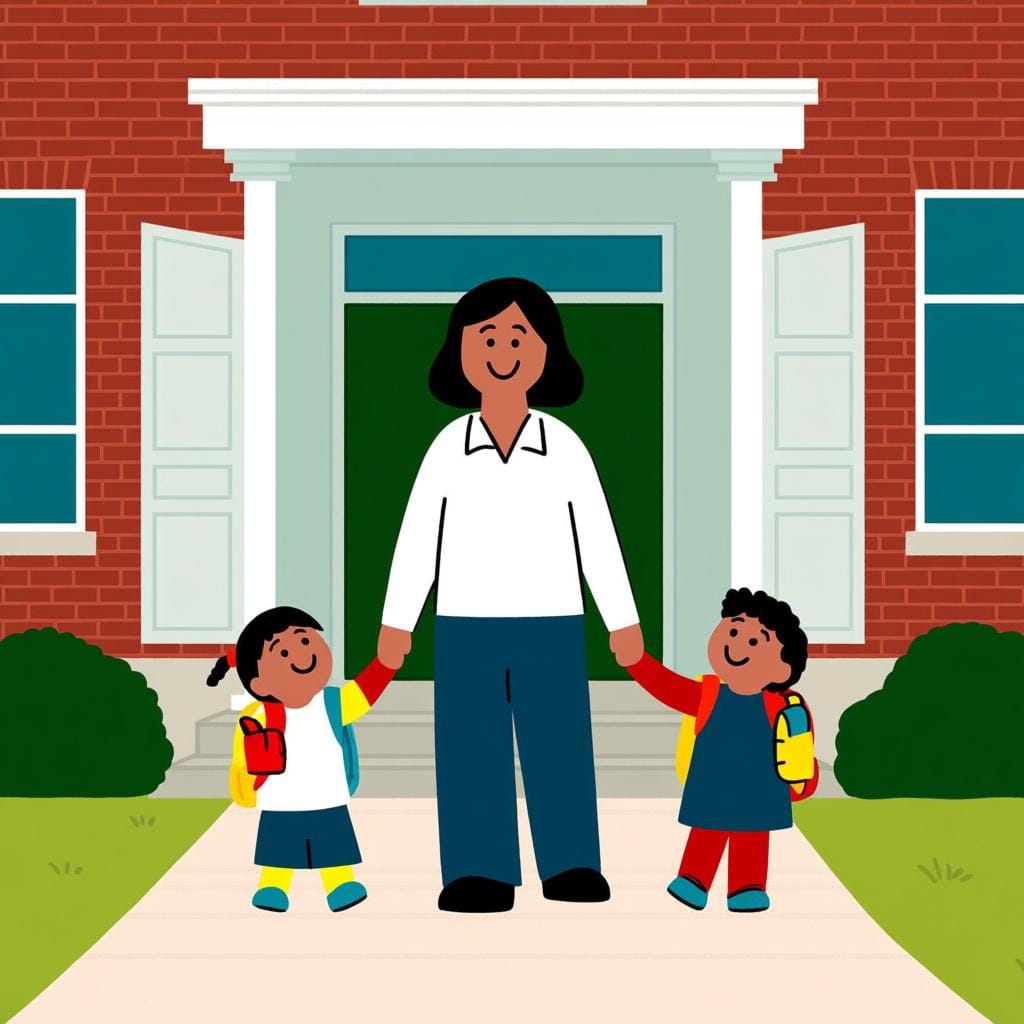
Voy a buscar a los niños a la escuela a las cinco.
I'm going to pick up the kids from school at five.
¿Puedes buscar el pan en la tienda, por favor?
Can you get the bread at the store, please?
Tengo que ir a buscar mi traje a la tintorería.
I have to go get my suit from the dry cleaner's.
sacarte
sah-KAR-tehsaˈkaɾte

Examples
Tienes que estudiar mucho para sacarte esa nota.
You have to study a lot to get that grade.
Es fácil sacarte un boleto en esa rifa.
It's easy to get a ticket in that raffle.
¿Lograste sacarte el carné de conducir?
Did you manage to get your driver's license?
Reflexive Use for Achievement
When 'sacar' means 'to get' or 'to obtain' (like a grade or license), it is often used reflexively as 'sacarse'. The 'te' indicates that the action is done by you, for your own benefit.
captar
kap-TARkapˈtaɾ

Examples
¿Captaste el chiste o te lo explico?
Did you get the joke or should I explain it to you?
Captó de inmediato que algo andaba mal.
He realized immediately that something was wrong.
Es difícil captar la ironía en otro idioma.
It's difficult to grasp irony in another language.
Captar vs. Entender
Use 'captar' when you want to emphasize the moment of realization or 'getting' something subtle. 'Entender' is more general for understanding logic or language.
Don't use with people
Mistake: “Capto a mi amigo.”
Correction: Entiendo a mi amigo. You 'captas' ideas or signals, not usually people themselves, unless you mean you are 'getting' their vibe.
entrar
en-TRARenˈtɾaɾ
Examples
Cuando vi la araña, me entró un miedo terrible.
When I saw the spider, I was seized by a terrible fear.
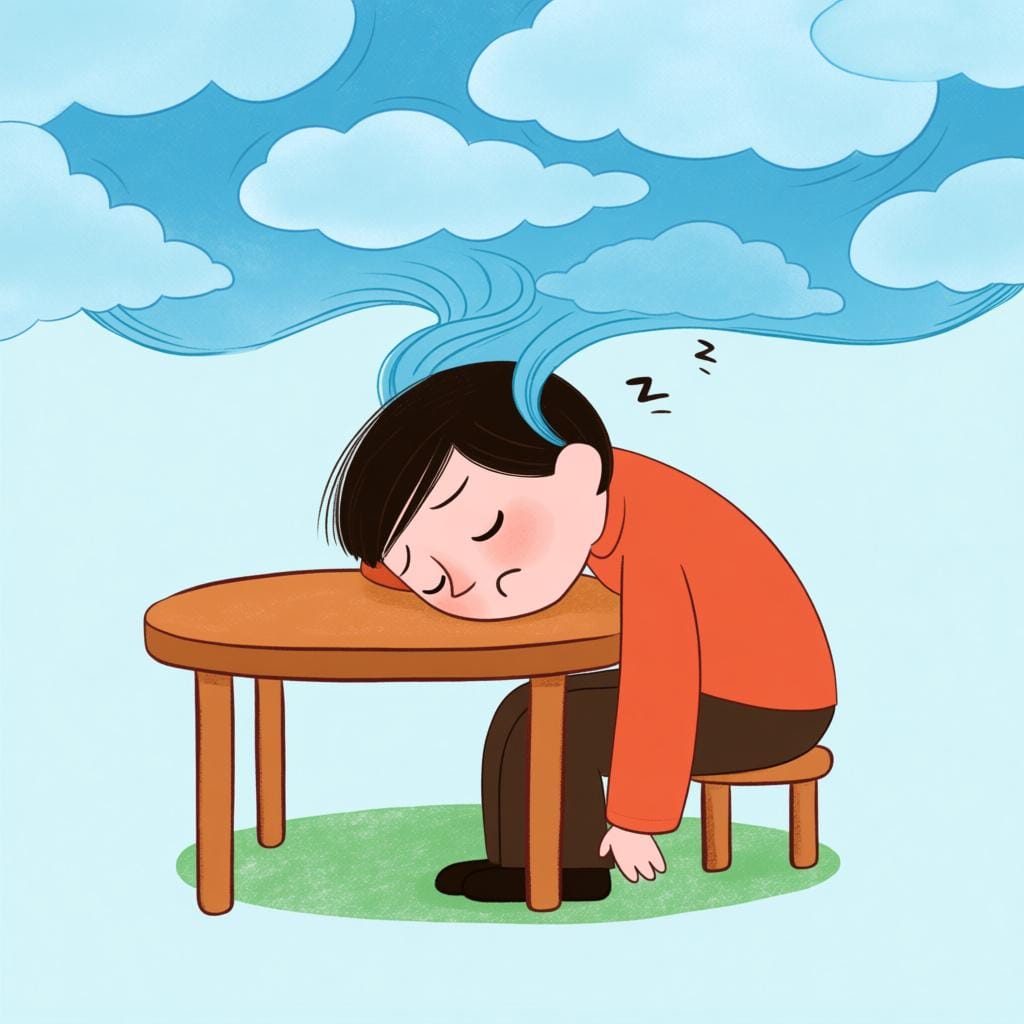
Después de comer, siempre me entra sueño.
After eating, I always get sleepy.
De repente, le entraron ganas de llorar.
Suddenly, she felt the urge to cry.
A Different Sentence Structure
This works like 'gustar'. The feeling is the main actor, and it 'enters' you. You say 'me entró miedo' (fear entered me), not 'yo entré miedo'. The little words 'me', 'te', 'le', etc., show who is feeling the emotion.
Using the Wrong 'Actor'
Mistake: “Yo entré sueño.”
Correction: Me entró sueño. Think of it literally: 'Sleepiness entered me.' The sleepiness is doing the action, and 'me' shows it happened to me.
hacerse
ah-SEHR-sehaˈθeɾse

Examples
¡Vámonos, se está haciendo tarde!
Let's go, it's getting late!
Cuando me hice mayor, entendí a mis padres.
When I got older, I understood my parents.
Se hizo de noche rápidamente después de la tormenta.
It became night quickly after the storm.
Impersonal Time
When talking about time passing or daylight changing (like 'getting dark' or 'getting light'), you use the third-person singular form: 'se hace'.
Hacerse + Adjective
This meaning is often followed by adjectives like 'tarde' (late), 'mayor' (older), or 'viejo' (old).
Mixing up 'getting old'
Mistake: “Estoy haciendo viejo.”
Correction: Me estoy haciendo viejo. (You must include the reflexive pronoun 'me' because you are the one changing.)
Don't confuse 'to get' with emotions!
Related Translations
Learn Spanish with Inklingo
Interactive stories, personalized learning, and more.