ponerte
“ponerte” means “to put on (clothing or accessories)” in Spanish. It has 2 different meanings depending on context:
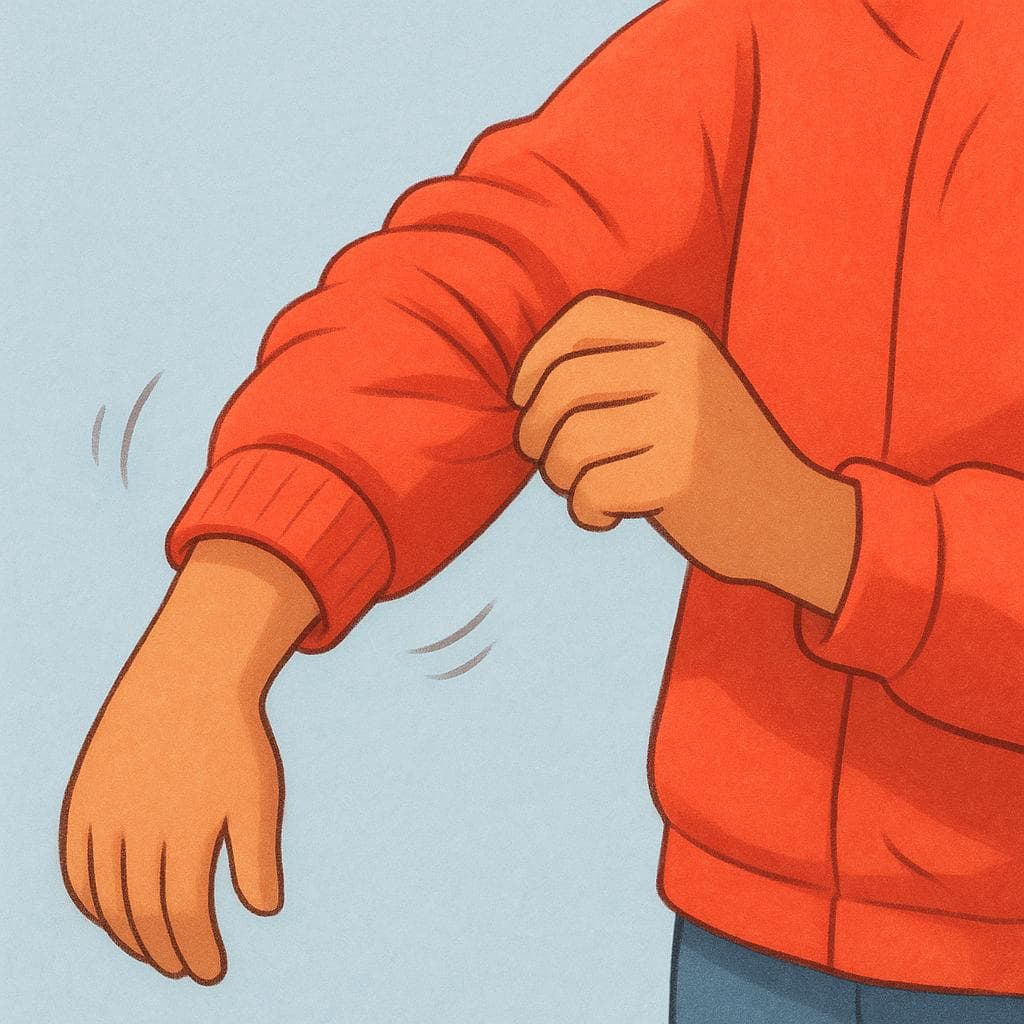

to put on (clothing or accessories)
Also: to wear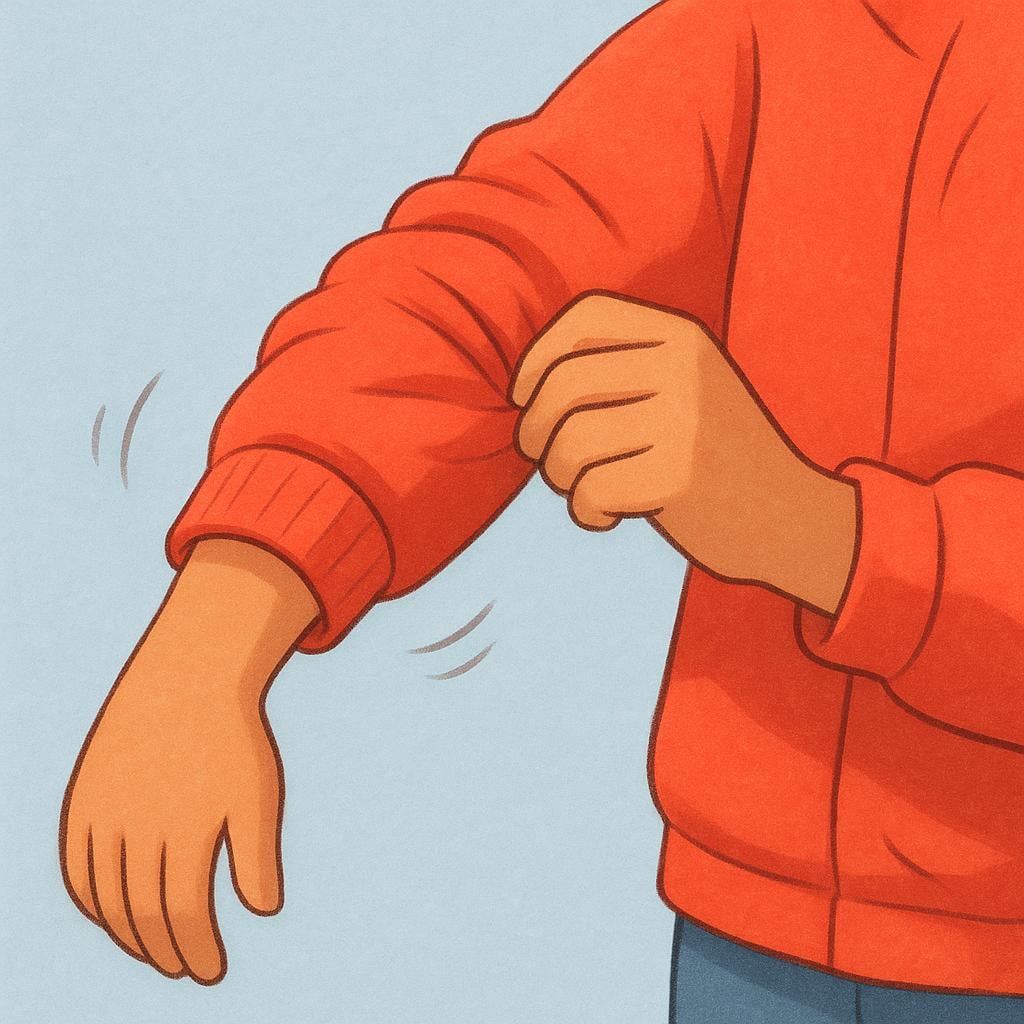
📝 In Action
Necesitas ponerte un abrigo porque hace frío.
A1You need to put on a coat because it is cold.
¿Vas a ponerte esos zapatos nuevos para la fiesta?
A2Are you going to put on those new shoes for the party?
Antes de salir, asegúrate de ponerte protector solar.
B1Before leaving, make sure to put on sunscreen.
to become
Also: to get
📝 In Action
No quiero que vayas a ponerte triste por esto.
B1I don't want you to become sad because of this.
Si comes demasiado chocolate, vas a ponerte enfermo.
B1If you eat too much chocolate, you are going to get sick.
Al hablar en público, es normal ponerte nervioso.
B2When speaking in public, it is normal to get nervous.
Indicative
Present
Imperfect
Preterite
Subjunctive
Present Subjunctive
Imperfect Subjunctive
✏️ Quick Practice
Quick Quiz: ponerte
Question 1 of 1
Which sentence correctly uses 'ponerte' to mean 'to become'?
📚 More Resources
👥 Word Family▼
🎵 Rhymes▼
📚 Etymology▼
The base verb 'poner' comes directly from the Latin verb 'ponere,' meaning 'to put' or 'to place.' The attached 'te' is an old pronoun meaning 'to you,' which creates the reflexive action—doing the action to yourself.
First recorded: Pre-Classical Latin (around 1st century BC), evolving into Spanish 'poner' by the 10th century.
Cognates (Related words)
💡 Master Spanish
Take your Spanish to the next level. Read 200+ illustrated and narrated Spanish stories tailored to your level with the Inklingo app!
Frequently Asked Questions
Why does 'ponerte' have the 'te' at the end instead of before the verb?
In Spanish, when a verb is in its basic, unconjugated form (the infinitive), the little pronoun that tells you who is doing the action to themselves ('me,' 'te,' 'se,' etc.) is usually attached directly to the end, forming one single word. This is also common with commands.
How do I use 'ponerte' in a sentence that is already conjugated?
If you conjugate the main verb, the 'te' moves to the front: 'Yo *voy a ponerte* un sombrero' (I am going to put a hat on you) vs. 'Tú *te pones* un sombrero' (You put a hat on yourself). The 'te' always tells you the action affects 'tú'.