How to Say "to set" in Spanish
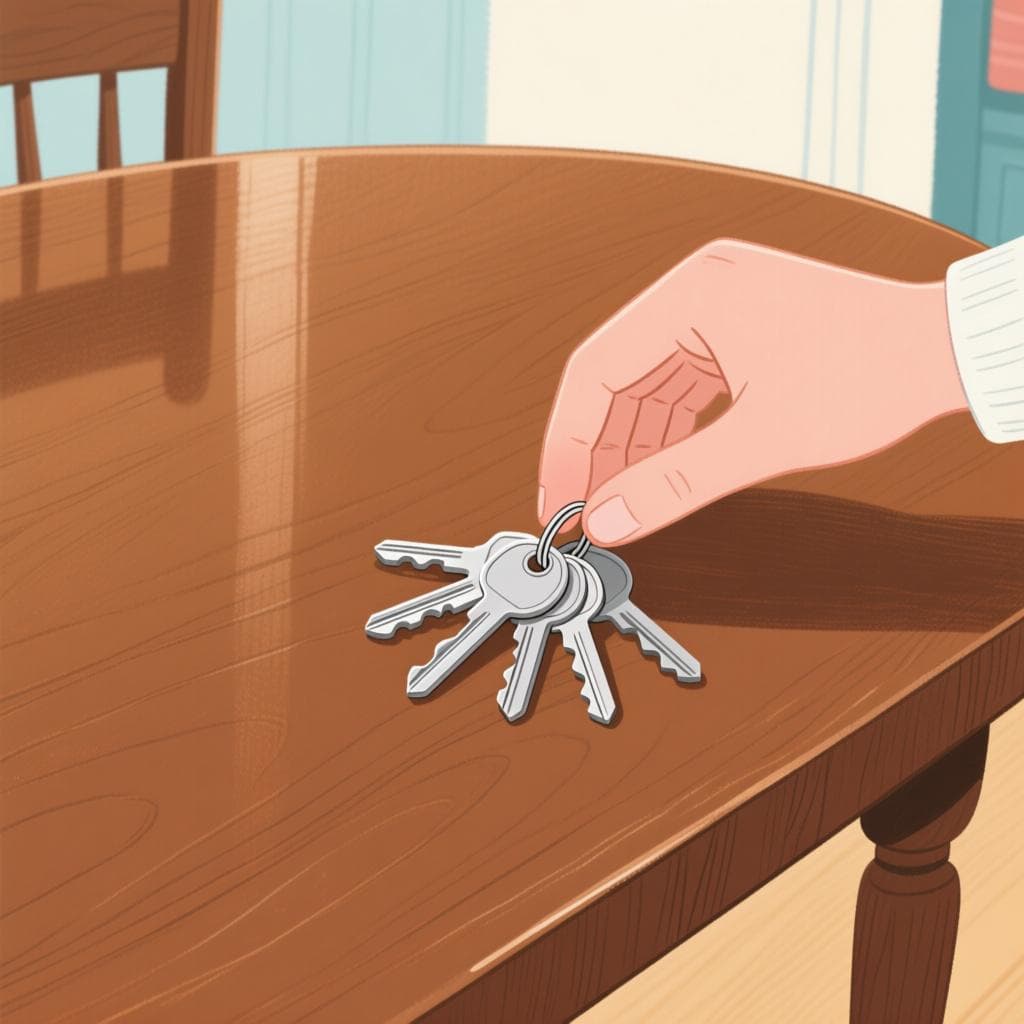
The most common Spanish word for “to set” is “poner” — use 'poner' when you are simply placing or putting an object somewhere, like setting the table or putting down your keys.




poner
po-nerpoˈneɾ
Examples
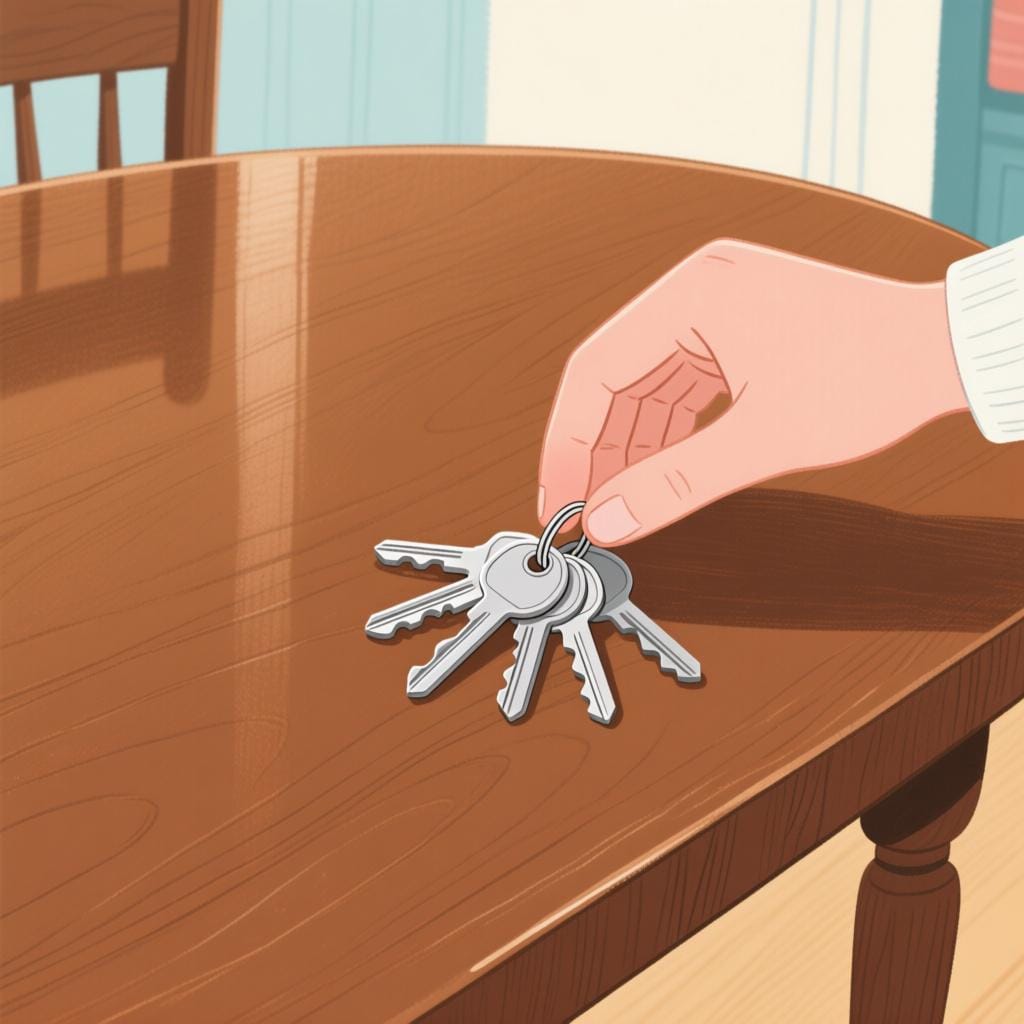
Pongo las llaves en la mesa.
I put the keys on the table.
¿Dónde pongo tu abrigo?
Where do I put your coat?
Vamos a poner la mesa para la cena.
Let's set the table for dinner.
Irregular 'yo' form: 'pongo'
In the present tense, the 'yo' (I) form is special: 'pongo'. This '-go' ending also appears in other important verbs like 'hago' (I do) and 'salgo' (I leave).
Irregular Past Tense
The simple past tense (preterite) changes a lot. The stem becomes 'pus-'. For example: 'Yo puse' (I put), 'Él puso' (He put).
Forgetting the Irregular Past Tense
Mistake: “Yo poní el libro en la mesa.”
Correction: The correct form is 'Yo puse el libro en la mesa.' The past tense of 'poner' is highly irregular and needs to be memorized.
colocar
koh-loh-KARkoloˈkaɾ
Examples
Por favor, coloca los libros en el estante superior.
Please, place the books on the top shelf.
El técnico colocó la antena nueva en el techo.
The technician put the new antenna on the roof.
Spelling Change Rule (CAR verbs)
To keep the hard 'K' sound of the 'c' before the vowel 'e' (as in the preterite 'yo' form or the subjunctive), the 'c' must change to 'qu'. You say coloqué, not coloce.
Confusing Poner and Colocar
Mistake: “Using 'Poner' when a more precise arrangement is needed.”
Correction: 'Colocar' suggests careful, specific placement or arrangement, whereas 'poner' is a more general 'to put'.
fijar
fee-HARfiˈxaɾ
Examples
Tenemos que fijar la fecha de la reunión.
We have to set the date for the meeting.
El gobierno fijó el precio de la leche.
The government set the price of milk.
Es importante fijar límites claros con los niños.
It is important to establish clear boundaries with children.
Using 'fijar' for decisions
Think of this word as 'nailing something down.' Just like you nail a board to a wall, you use this verb when you want to make a final decision on a plan.
Don't use 'fijar' for repairs
Mistake: “Voy a fijar mi coche.”
Correction: Voy a reparar mi coche.
establecer
es-ta-ble-SÉRest̪aβleˈseɾ
Examples
Necesitamos establecer la causa exacta del problema.
We need to determine the exact cause of the problem.
El comité estableció el precio máximo para las entradas.
The committee fixed the maximum price for the tickets.
determinar
day-ter-mee-NARde.teɾ.miˈnaɾ

Examples
El equipo determinó empezar el proyecto la próxima semana.
The team decided to start the project next week.
Determinamos no rendirnos a pesar de los obstáculos.
We resolved not to give up despite the obstacles.
Using Determinar with Infinitives
When 'determinar' is followed by another action (verb), that action stays in its base form (the infinitive): 'Determinaron viajar juntos' (They decided to travel together).
situar
see-TWARsiˈtwaɾ

Examples
El director situó la película en los años ochenta.
The director set the movie in the eighties.
Es necesario situar el conflicto en su marco histórico.
It is necessary to put the conflict in its historical context.
La novela se sitúa en un pequeño pueblo de Galicia.
The novel is set in a small town in Galicia.
Using 'Se' for Settings
To say a book 'is set' in a place, we often use 'se' + 'sitúa'. For example: 'La historia se sitúa...' (The story is set...).
ponerse
poh-NER-sehpoˈneɾse

Examples
El sol se pone detrás de las montañas a las ocho.
The sun sets behind the mountains at eight o'clock.
Vimos cómo se ponía el sol en la playa.
We watched the sun set on the beach.
Impersonal Use
When talking about the sun, 'ponerse' is almost always used in the third person singular ('se pone').
Using 'Bajar'
Mistake: “El sol baja. (The sun goes down.)”
Correction: El sol se pone. While understandable, 'bajar' is generally used for physical objects moving down; 'ponerse' is the standard term for sunset.
programar
pro-gra-MARpɾoɡɾaˈmaɾ
Examples
He programado la lavadora para las ocho.
I have set the washing machine for eight o'clock.
Necesitamos programar una reunión para mañana.
We need to schedule a meeting for tomorrow.
El canal va a programar una serie nueva el próximo mes.
The channel is going to schedule a new series next month.
Programar vs Planear
Use 'programar' when you are setting a specific time or using a calendar/machine. Use 'planear' for general intentions or thinking about the future.
Using 'Set' like English
Mistake: “Voy a poner la reunión para las 5.”
Correction: Voy a programar la reunión para las 5.
señalar
seh-nyah-LAHRseɲaˈlaɾ
Examples
El juez señaló la fecha del juicio para el próximo lunes.
The judge set the trial date for next Monday.
Han señalado el lugar de reunión en el mapa.
They have designated the meeting place on the map.
Poner vs. Colocar
Related Translations
Learn Spanish with Inklingo
Interactive stories, personalized learning, and more.