How to Say "to place" in Spanish
The most common Spanish word for “to place” is “poner” — use this general verb when you are simply setting something down or putting it somewhere without a specific emphasis on the location.
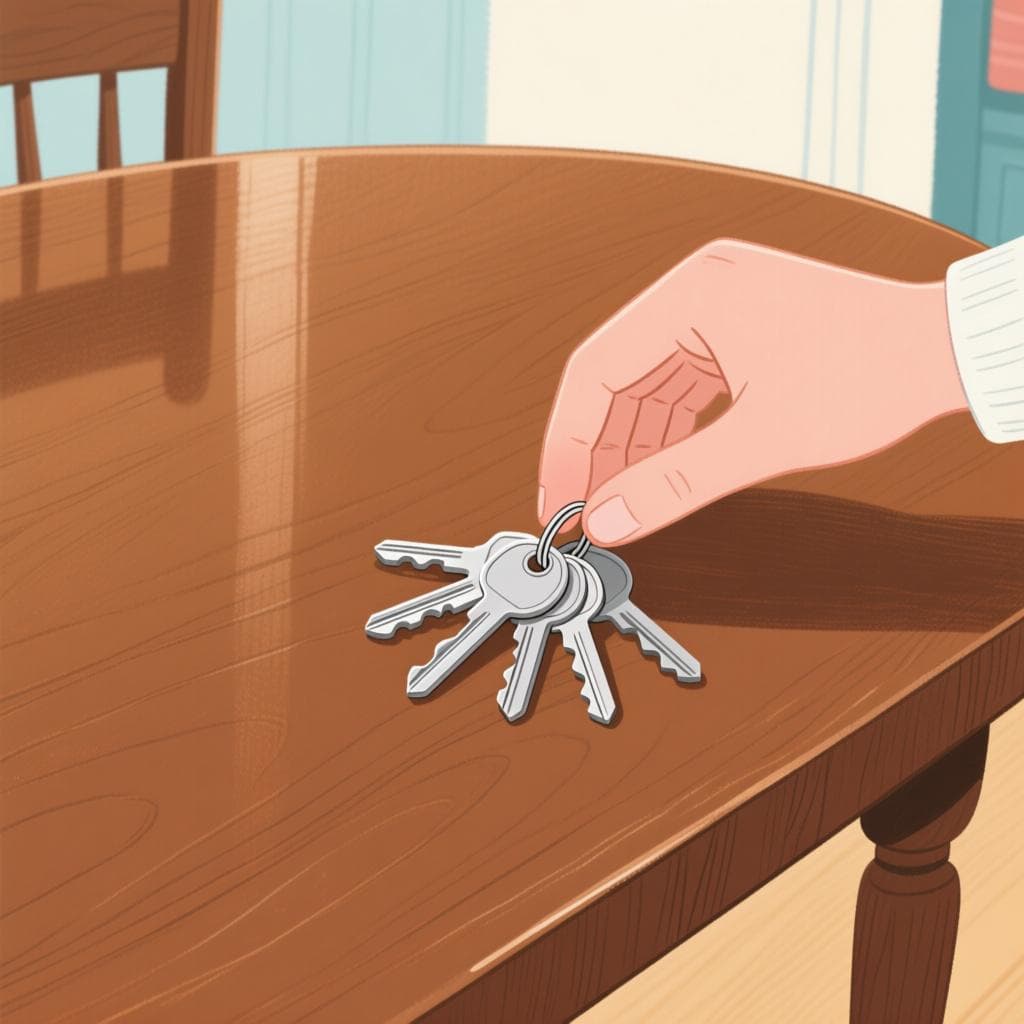
Use this general verb when you are simply setting something down or putting it somewhere without a specific emphasis on the location.
Learn more →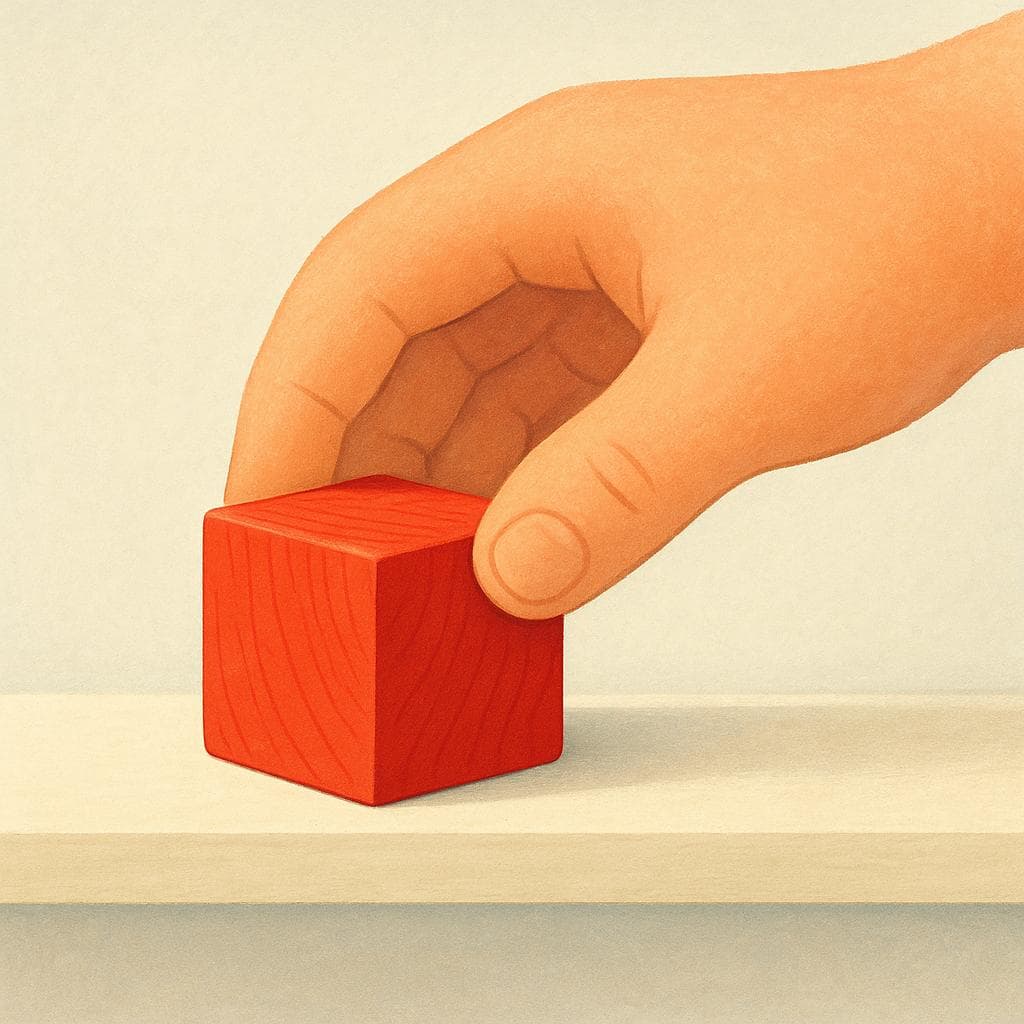
Use this verb when you are putting something in a particular spot or position, often with a bit more care than 'poner'.
Learn more →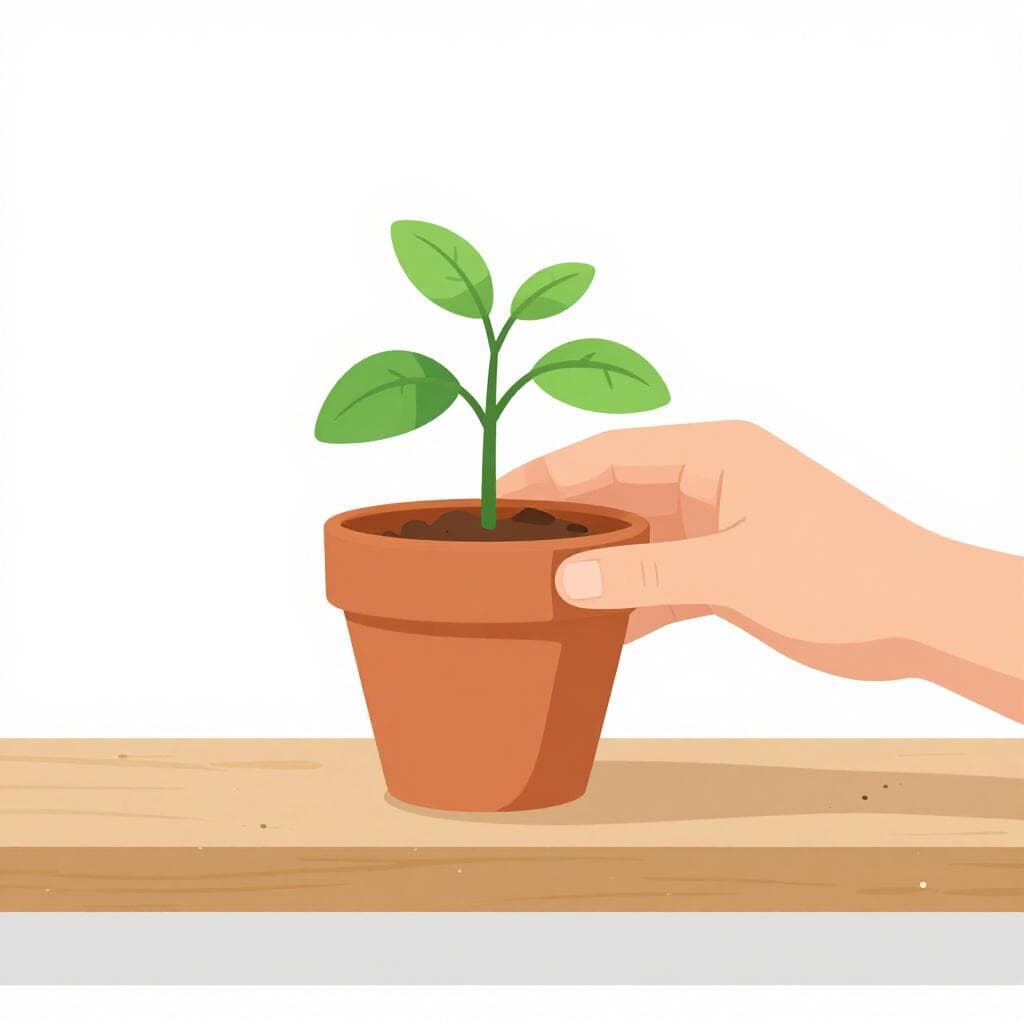
Use this when you are positioning something in a specific spot or location, similar to 'colocar' but often implies a more settled or planned placement.
Learn more →
This verb is used to place or locate something in a specific spot, often with the connotation of finding or determining its position.
Learn more →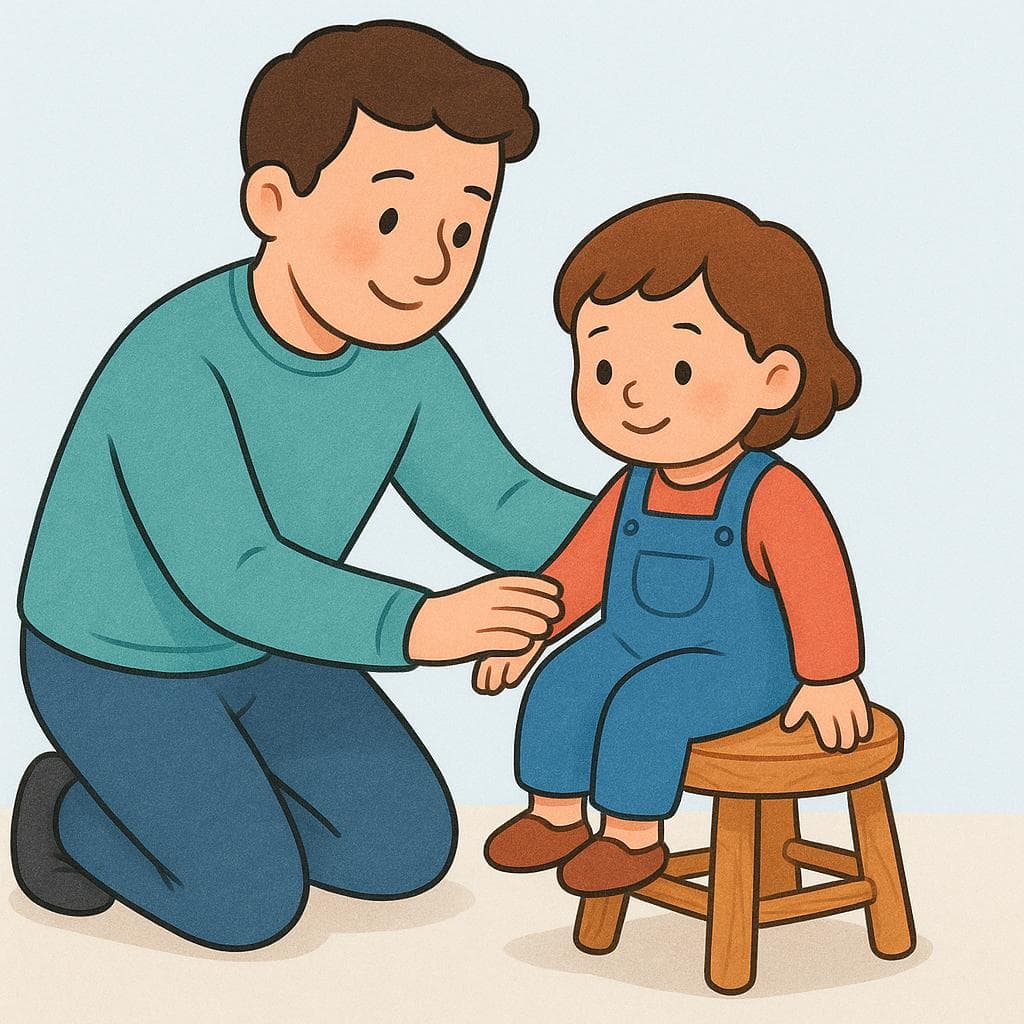
Use this specifically when arranging people, such as seating guests at a table or in a specific area.
Learn more →
This implies placing something down firmly or establishing something, like laying foundations or settling a substance.
Learn more →
Use this when deciding on a permanent location for something, like a building or a facility, or to find the exact position of something.
Learn more →po-nerpoˈneɾ
Examples
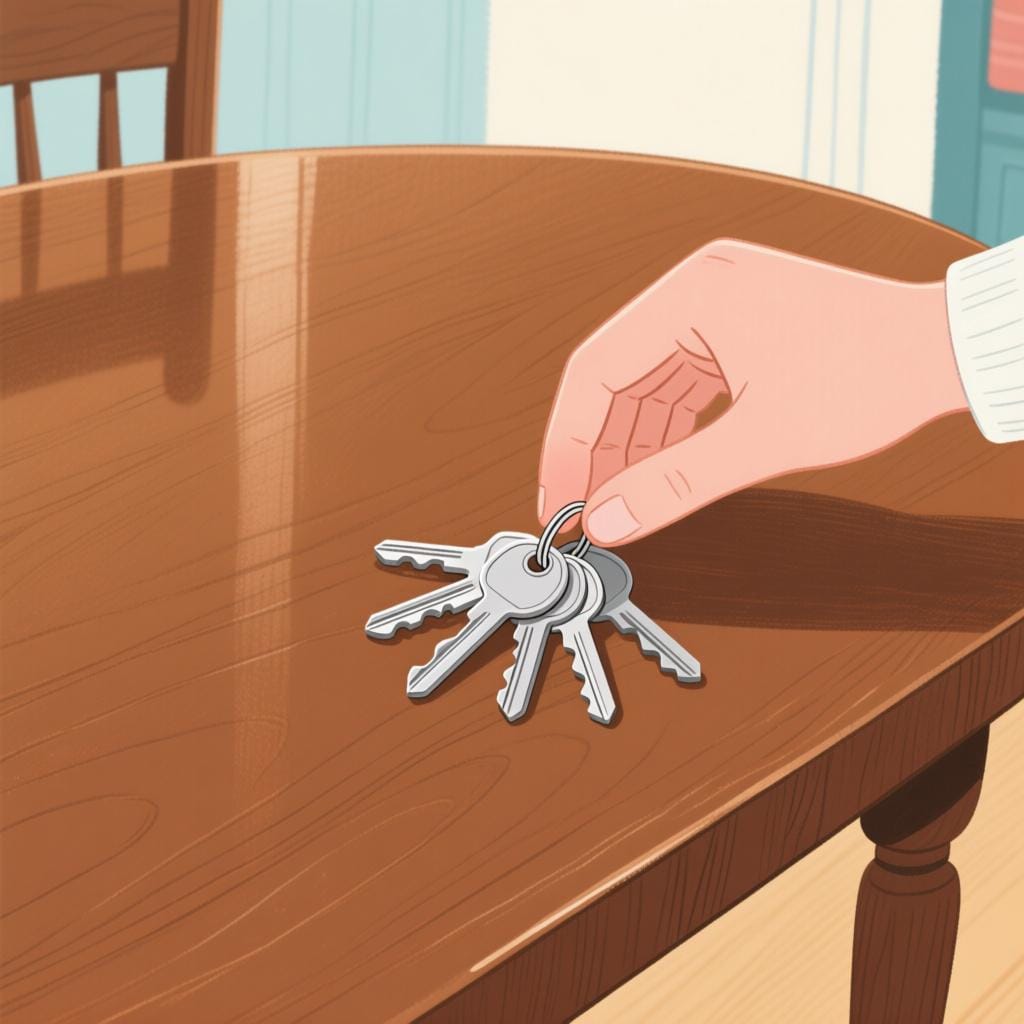
Pongo las llaves en la mesa.
I put the keys on the table.
¿Dónde pongo tu abrigo?
Where do I put your coat?
Vamos a poner la mesa para la cena.
Let's set the table for dinner.
Irregular 'yo' form: 'pongo'
In the present tense, the 'yo' (I) form is special: 'pongo'. This '-go' ending also appears in other important verbs like 'hago' (I do) and 'salgo' (I leave).
Irregular Past Tense
The simple past tense (preterite) changes a lot. The stem becomes 'pus-'. For example: 'Yo puse' (I put), 'Él puso' (He put).
Forgetting the Irregular Past Tense
Mistake: “Yo poní el libro en la mesa.”
Correction: The correct form is 'Yo puse el libro en la mesa.' The past tense of 'poner' is highly irregular and needs to be memorized.
koh-loh-KARkoloˈkaɾ
Examples
Por favor, coloca los libros en el estante superior.
Please, place the books on the top shelf.
El técnico colocó la antena nueva en el techo.
The technician put the new antenna on the roof.
Spelling Change Rule (CAR verbs)
To keep the hard 'K' sound of the 'c' before the vowel 'e' (as in the preterite 'yo' form or the subjunctive), the 'c' must change to 'qu'. You say coloqué, not coloce.
Confusing Poner and Colocar
Mistake: “Using 'Poner' when a more precise arrangement is needed.”
Correction: 'Colocar' suggests careful, specific placement or arrangement, whereas 'poner' is a more general 'to put'.
see-TWARsiˈtwaɾ
Examples
Queremos situar el sofá cerca de la ventana.
We want to place the sofa near the window.
El arquitecto decidió situar la entrada principal en esta calle.
The architect decided to locate the main entrance on this street.
Debes situar las piezas con mucho cuidado.
You must position the pieces very carefully.
The Hidden Accent
When saying 'I place' (sitúo) or 'you place' (sitúas), you must add an accent on the 'u'. This makes sure the 'u' sound stays strong and doesn't get blended into the next vowel.
Situar vs. Poner
While 'poner' is the general word for 'to put,' 'situar' sounds more formal and precise. Use it when you are talking about the exact spot something occupies.
Missing the Accent
Mistake: “Yo situa el libro.”
Correction: Yo sitúo el libro. (Without the accent on the 'u', the word is pronounced incorrectly and isn't a real form of the verb here.)
oo-bee-KARu.βi.ˈkaɾ

Examples
No puedo ubicar mi teléfono.
I can't locate my phone.
Decidieron ubicar la nueva oficina en el centro.
They decided to place the new office downtown.
El mapa ayuda a ubicar los monumentos más importantes.
The map helps to locate the most important monuments.
The 'QU' Spelling Change
When 'yo' does an action in the past (Preterite), the 'c' changes to 'qu' to keep the hard 'K' sound. Say 'ubiqué' instead of 'ubicé'.
Finding vs. Placing
This word is flexible; it can mean you are actively putting an object in a spot or searching for its current spot.
Spelling in the Past
Mistake: “Yo ubicé el hotel en el mapa.”
Correction: Yo ubiqué el hotel en el mapa. (We use 'qu' before 'e' to keep the 'k' sound).
sen-TARsenˈtaɾ
Examples
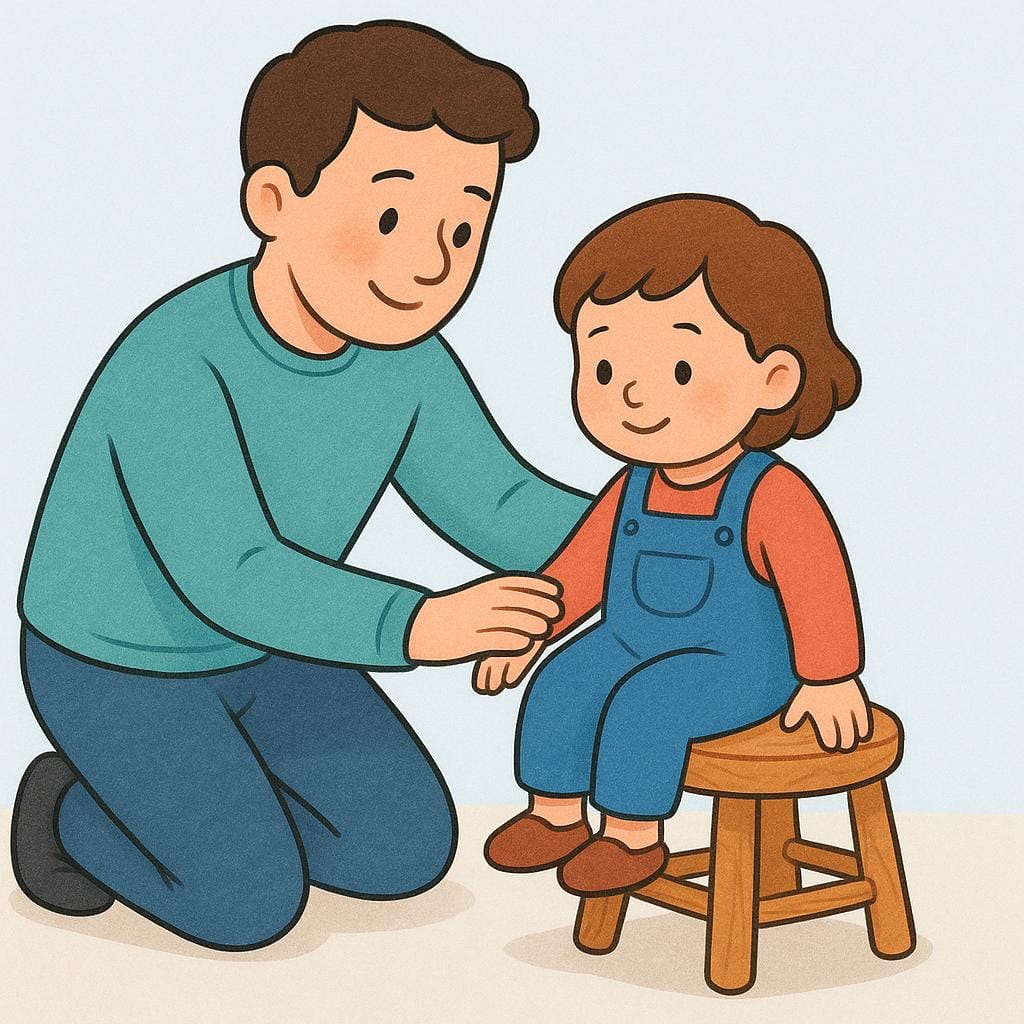
El camarero nos sentó en una mesa cerca de la ventana.
The waiter seated us at a table near the window.
Mi trabajo es sentar a los invitados.
My job is to seat the guests.
Direct Action
When you use 'sentar' without a reflexive pronoun, you are performing the action on someone else (the direct object).
ah-sen-TARasenˈtaɾ
Examples
Primero tenemos que asentar las bases del negocio.
First we have to lay the foundations of the business.
El edificio se asienta sobre un terreno firme.
The building sits/is settled on firm ground.
Asentó la taza sobre el plato con suavidad.
He placed the cup on the plate gently.
The Stem Change
For most meanings, the 'e' changes to 'ie' when it's stressed (like in 'asiento' or 'asientas'), but stays 'e' in the 'we' and 'you all' forms.
Asentar vs. Sentar
Use 'sentar' for sitting in a chair, but use 'asentar' for fixing something firmly in place or establishing a base.
Forgetting the stem change
Mistake: “Yo asento las bases.”
Correction: Yo asiento las bases. (Remember the e -> ie change!)
loh-kah-lee-ZAHRlo.ka.liˈsaɾ
Examples
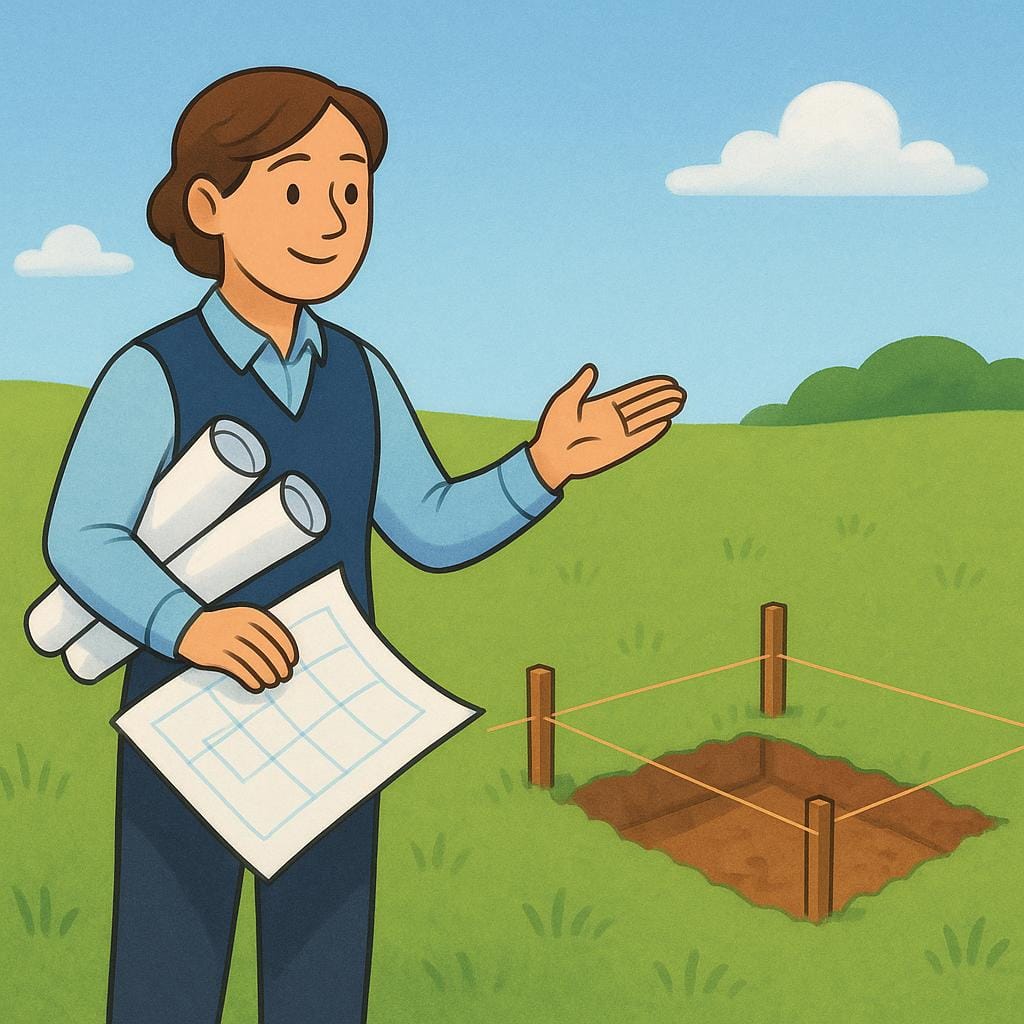
La empresa decidió localizar su nueva planta en el sur del país.
The company decided to site its new plant in the south of the country.
Es importante localizar los recursos estratégicos cerca de las fuentes de materia prima.
It is important to place the strategic resources near the sources of raw material.
General vs. Specific Placement
Learners often confuse the general verbs 'poner' and 'colocar' with more specific ones like 'situar' or 'ubicar'. While 'poner' is the most basic, 'colocar' implies a bit more intention in the placement. Use 'situar' and 'ubicar' when the specific spot is key.
Related Translations
Learn Spanish with Inklingo
Interactive stories, personalized learning, and more.