localizar
“localizar” means “to locate” in Spanish. It has 2 different meanings depending on context:

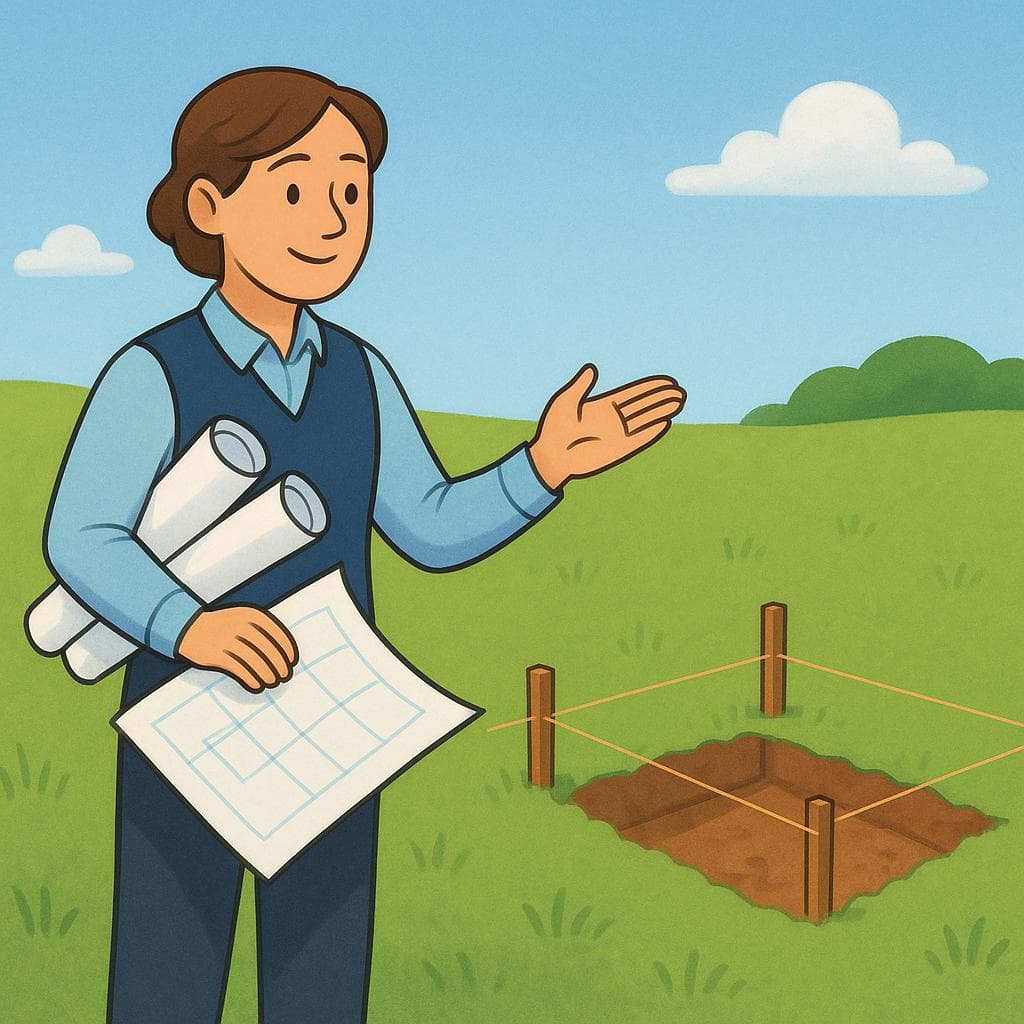
to locate, to findAlso: to track down

📝 In Action
Necesitamos localizar la farmacia más cercana.
A2We need to locate the nearest pharmacy.
Después de tres horas de búsqueda, la policía localizó el coche robado.
B1After three hours of searching, the police located the stolen car.
Si pierdes tu móvil, puedes localizarlo usando esta aplicación.
B1If you lose your mobile phone, you can locate it using this app.
Word Connections
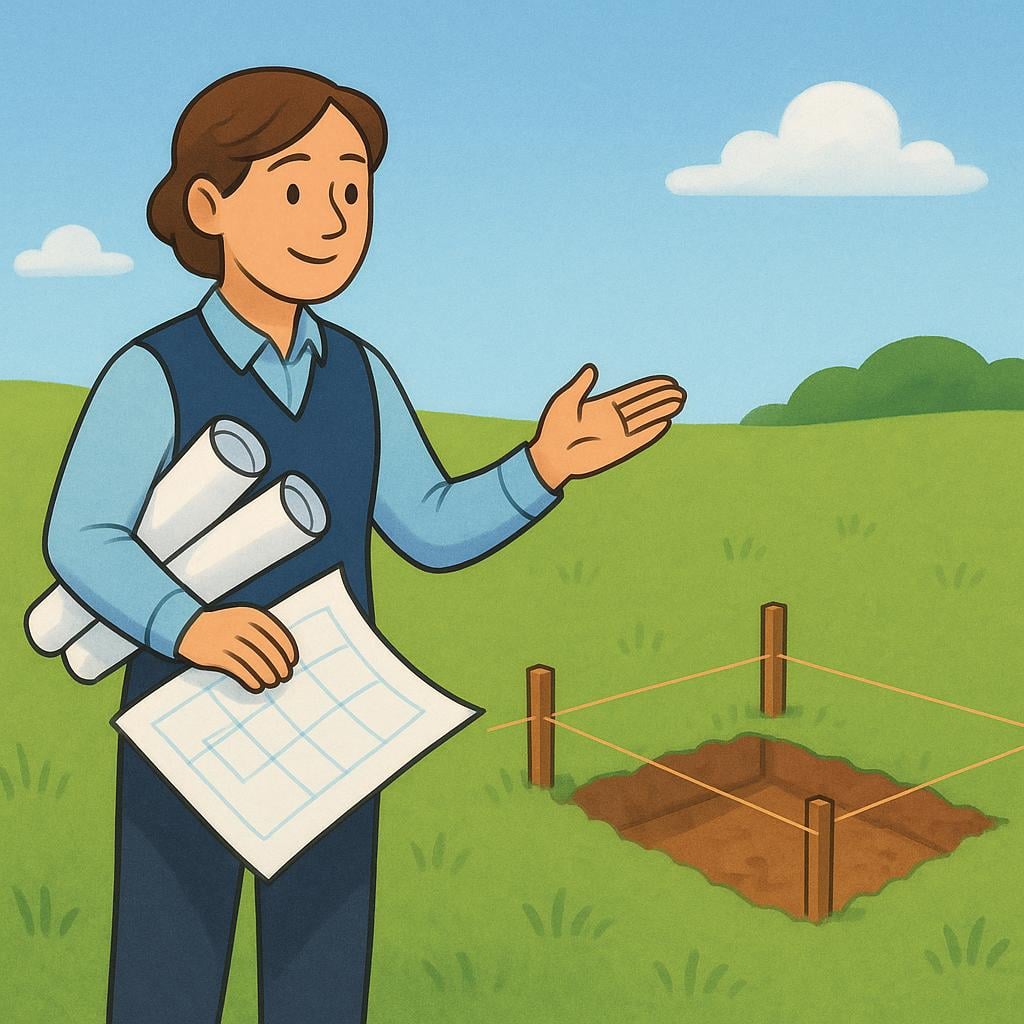
to siteAlso: to place
📝 In Action
La empresa decidió localizar su nueva planta en el sur del país.
C1The company decided to site its new plant in the south of the country.
Es importante localizar los recursos estratégicos cerca de las fuentes de materia prima.
C2It is important to place the strategic resources near the sources of raw material.
Word Connections
Indicative
Present
Imperfect
Preterite
Subjunctive
Present Subjunctive
Imperfect Subjunctive
✏️ Quick Practice
Quick Quiz: localizar
Question 1 of 2
Which sentence uses 'localizar' in its most common meaning (to find the position of)?
📚 More Resources
👥 Word Family
📚 Etymology
Comes from the Spanish word 'local' (place/local) combined with the common verb ending '-izar,' which means 'to make' or 'to turn into.' Essentially, it means 'to make local' or 'to determine the place of.'
First recorded: 18th century (in its modern form)
Cognates (Related words)
💡 Master Spanish
Take your Spanish to the next level. Read 200+ illustrated and narrated Spanish stories tailored to your level with the Inklingo app!
Frequently Asked Questions
Does 'localizar' require a specific kind of search?
Yes, 'localizar' often suggests a systematic or technical search, such as using coordinates, a map, or a tracking device, rather than just stumbling upon something.
Is 'localizar' a reflexive verb (localizarse)?
Yes, 'localizarse' is common. It means 'to be located' or 'to be situated.' For example: 'La tienda se localiza al final de la calle.' (The store is located at the end of the street.)