How to Say "to put" in Spanish
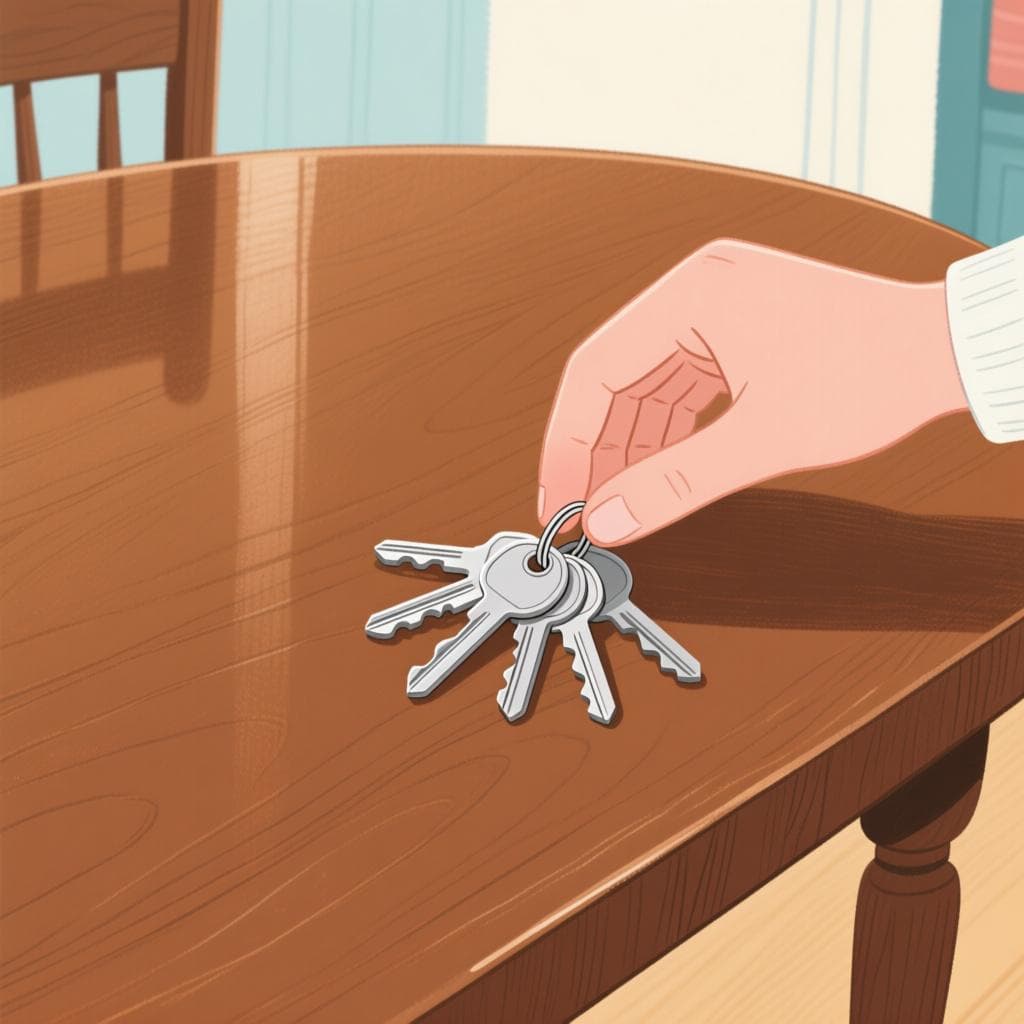
The most common Spanish word for “to put” is “poner” — use 'poner' when you are simply placing an object on a surface or in a general location, like setting down keys on a table.
poner
po-nerpoˈneɾ
Examples
Pongo las llaves en la mesa.
I put the keys on the table.
¿Dónde pongo tu abrigo?
Where do I put your coat?
Vamos a poner la mesa para la cena.
Let's set the table for dinner.
Irregular 'yo' form: 'pongo'
In the present tense, the 'yo' (I) form is special: 'pongo'. This '-go' ending also appears in other important verbs like 'hago' (I do) and 'salgo' (I leave).
Irregular Past Tense
The simple past tense (preterite) changes a lot. The stem becomes 'pus-'. For example: 'Yo puse' (I put), 'Él puso' (He put).
Forgetting the Irregular Past Tense
Mistake: “Yo poní el libro en la mesa.”
Correction: The correct form is 'Yo puse el libro en la mesa.' The past tense of 'poner' is highly irregular and needs to be memorized.
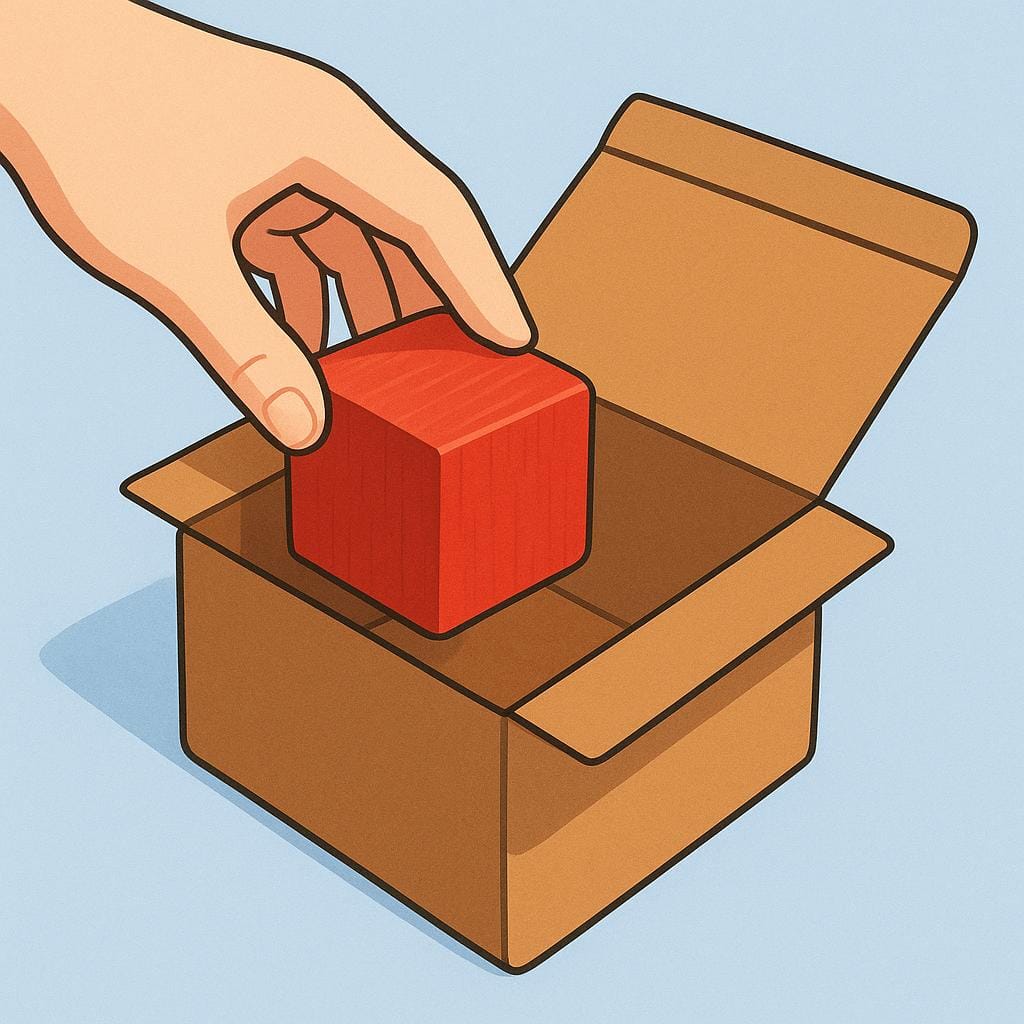
meter
meh-TEHRmeˈteɾ
Examples
Mete la llave en la cerradura antes de girarla.
Put the key in the lock before turning it.
Siempre meto mis libros en la mochila cuando termino la clase.
I always put my books in my backpack when I finish class.
El técnico tuvo que meter un cable nuevo por la pared.
The technician had to run a new cable through the wall.
Direct Object Needed
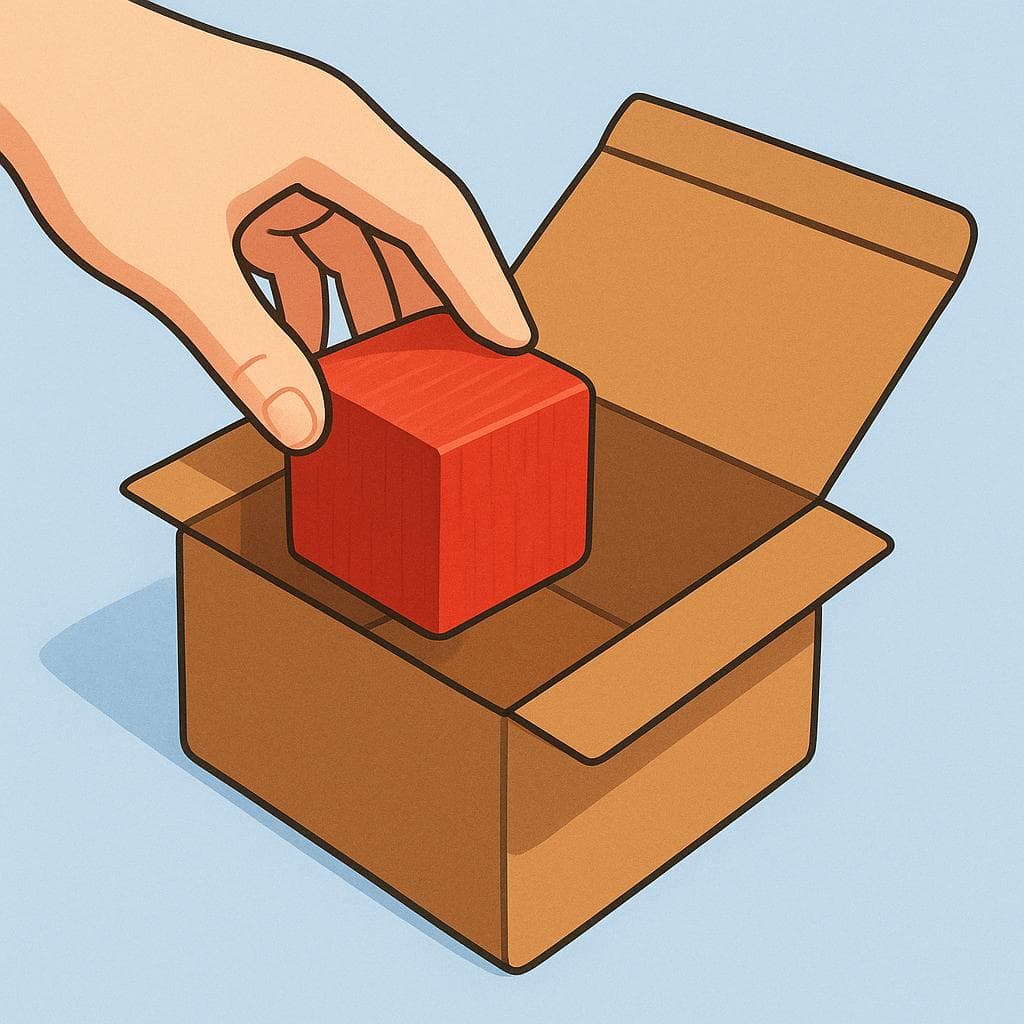
When using 'meter' in this physical sense, you must say what you are putting inside (the direct object): 'Meto el dinero' (I put the money).
Confusing 'Poner' and 'Meter'
Mistake: “Pongo la ropa en el armario (when you mean inside the closed space).”
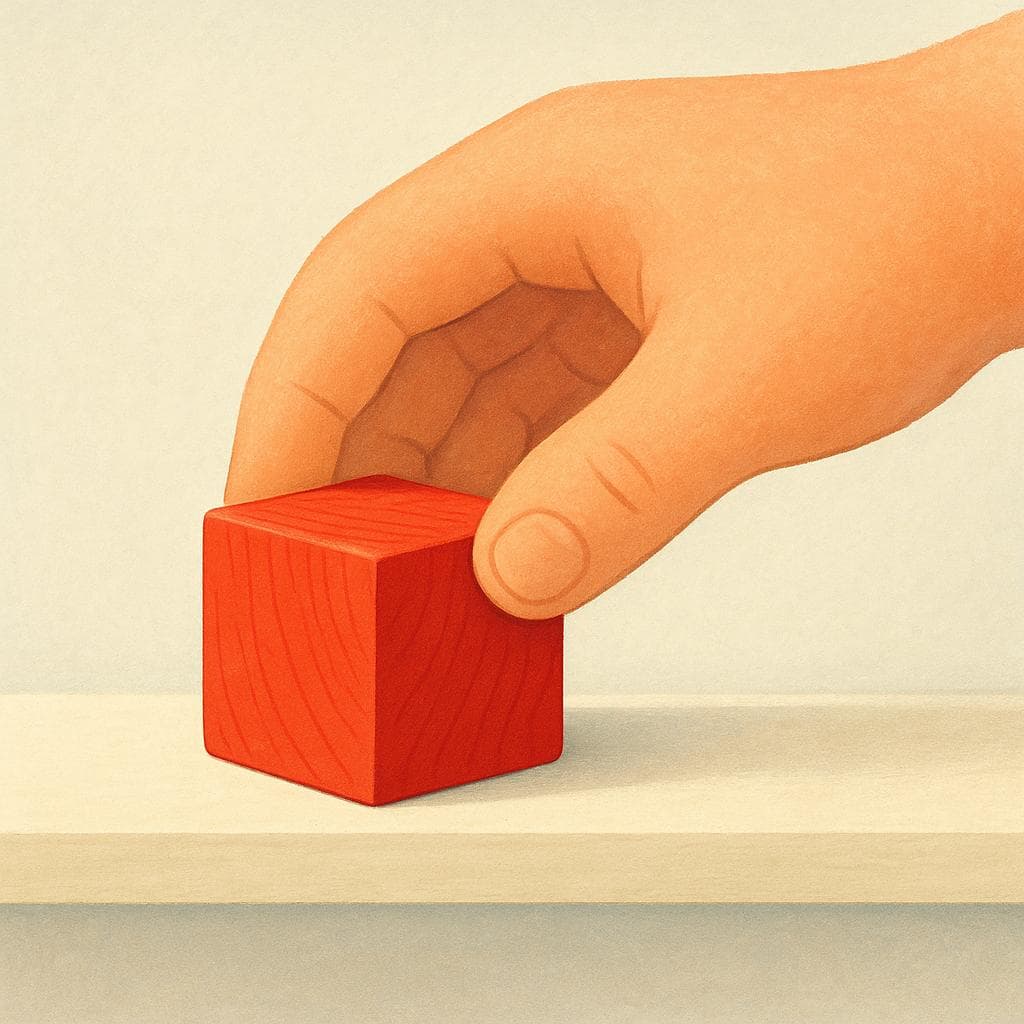
Correction: Meto la ropa en el armario. ('Meter' is better when the action involves fully containing something, like putting clothes inside a closet or a book inside a bag. 'Poner' is more general 'to place on top of' or 'to set down').
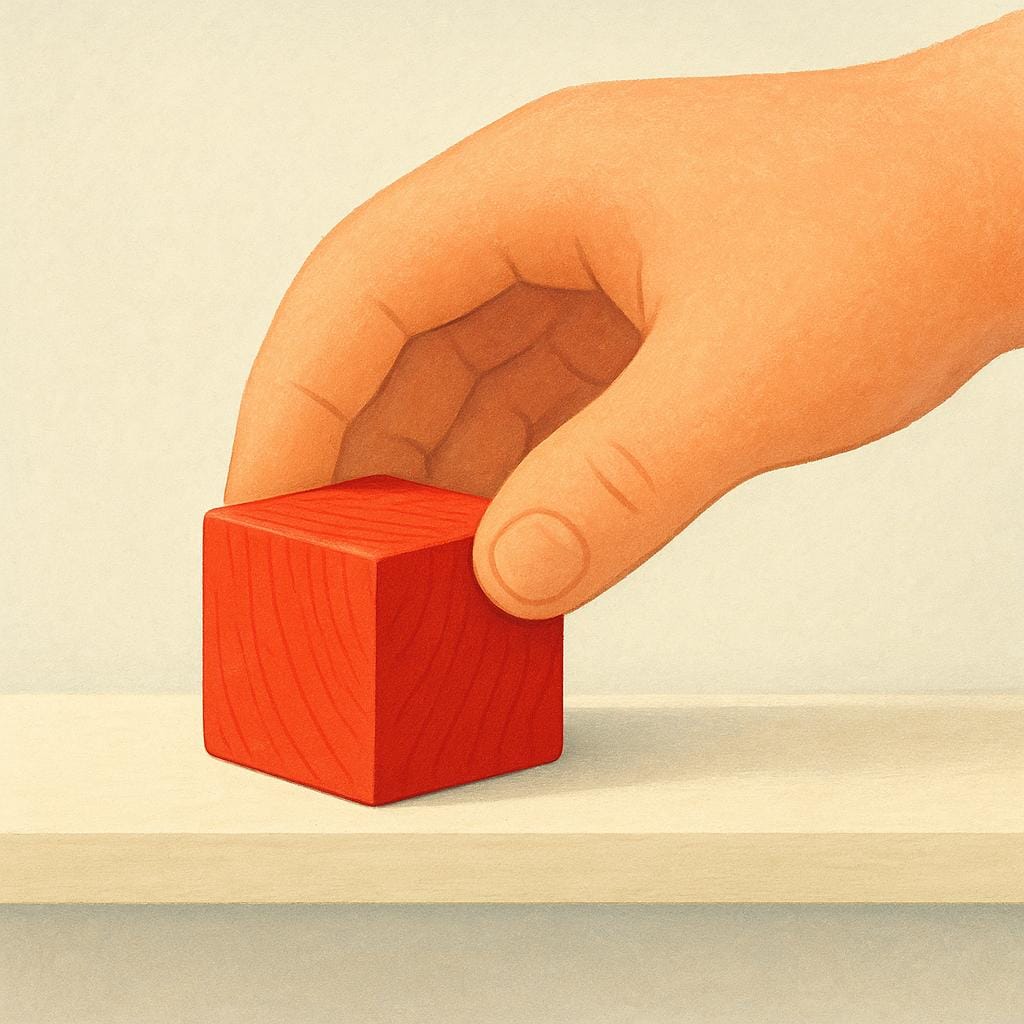
colocar
koh-loh-KARkoloˈkaɾ
Examples
Por favor, coloca los libros en el estante superior.
Please, place the books on the top shelf.
El técnico colocó la antena nueva en el techo.
The technician put the new antenna on the roof.
Spelling Change Rule (CAR verbs)
To keep the hard 'K' sound of the 'c' before the vowel 'e' (as in the preterite 'yo' form or the subjunctive), the 'c' must change to 'qu'. You say coloqué, not coloce.
Confusing Poner and Colocar
Mistake: “Using 'Poner' when a more precise arrangement is needed.”
Correction: 'Colocar' suggests careful, specific placement or arrangement, whereas 'poner' is a more general 'to put'.
Poner vs. Meter vs. Colocar
Related Translations
Learn Spanish with Inklingo
Interactive stories, personalized learning, and more.