How to Say "to hang" in Spanish
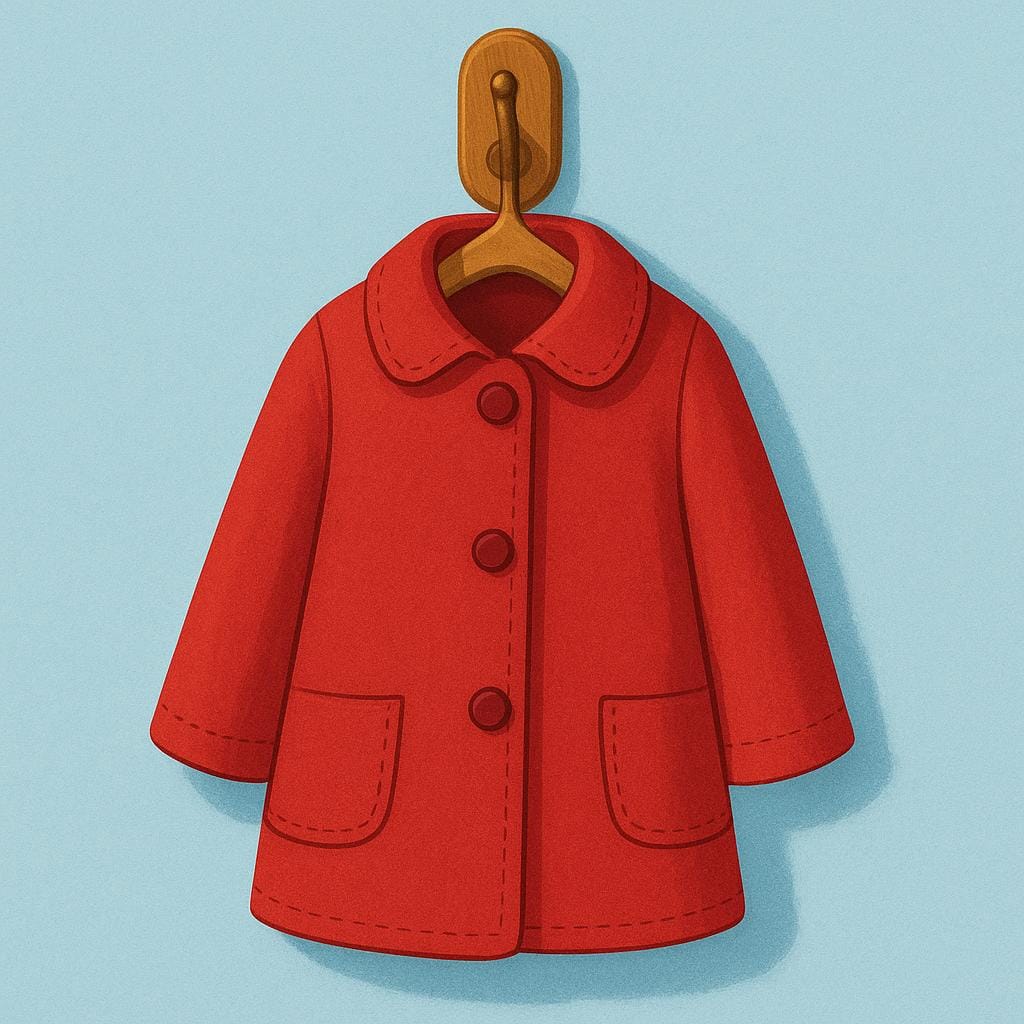
The most common Spanish word for “to hang” is “colgar” — use 'colgar' when you are suspending an object from a higher point, like hanging clothes or a picture frame.

colgar
kohl-GAHRkolˈɡaɾ
Examples
Por favor, cuelga tu abrigo en el perchero.
Please hang your coat on the coat rack.
Vamos a colgar luces de Navidad en el balcón.
We are going to hang Christmas lights on the balcony.
The O to UE Change
In the present tense, the 'o' changes to 'ue' whenever the stress falls on the root of the word (yo, tú, él/ella, ellos/ellas). Remember: 'Nosotros' and 'vosotros' keep the original 'o'.
Spelling Change in the Past
In the 'yo' form of the preterite (simple past), 'colgar' changes to 'colgué' (adding a 'u') to make sure the 'g' keeps its hard sound, like in 'gato'.
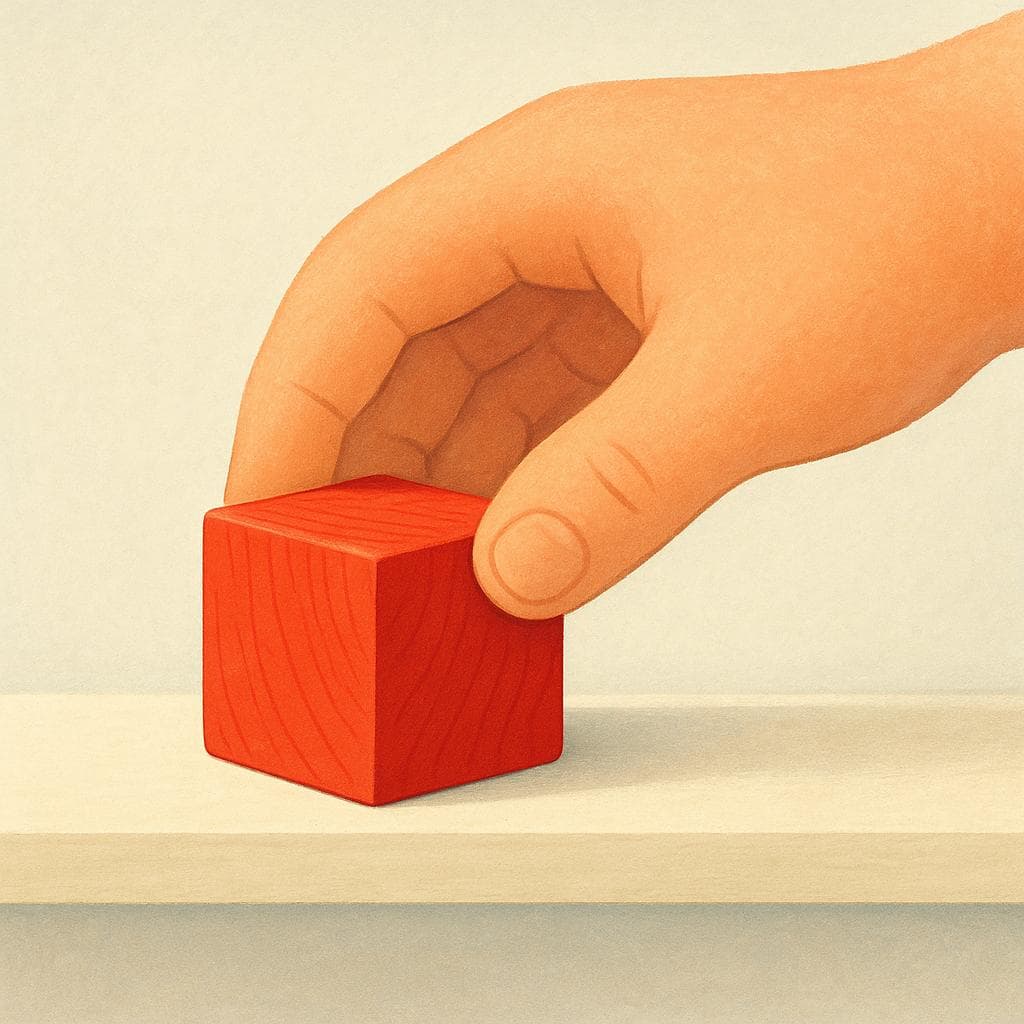
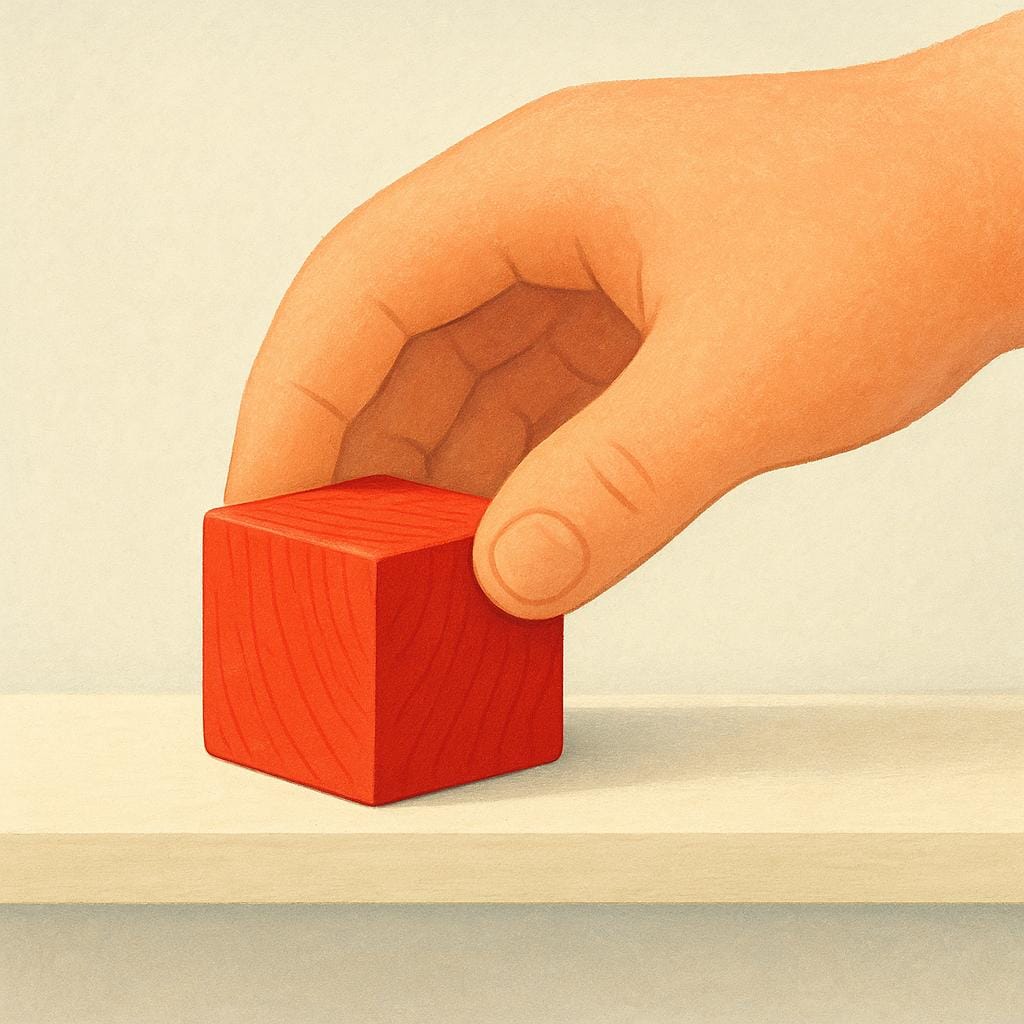
colocar
koh-loh-KARkoloˈkaɾ
Examples
Por favor, coloca los libros en el estante superior.
Please place the books on the top shelf.
El técnico colocó la antena nueva en el techo.
The technician put the new antenna on the roof.
Spelling Change Rule (CAR verbs)
To keep the hard 'K' sound of the 'c' before the vowel 'e' (as in the preterite 'yo' form or the subjunctive), the 'c' must change to 'qu'. You say coloqué, not coloce.
Confusing Poner and Colocar
Mistake: “Using 'Poner' when a more precise arrangement is needed.”
Correction: 'Colocar' suggests careful, specific placement or arrangement, whereas 'poner' is a more general 'to put'.
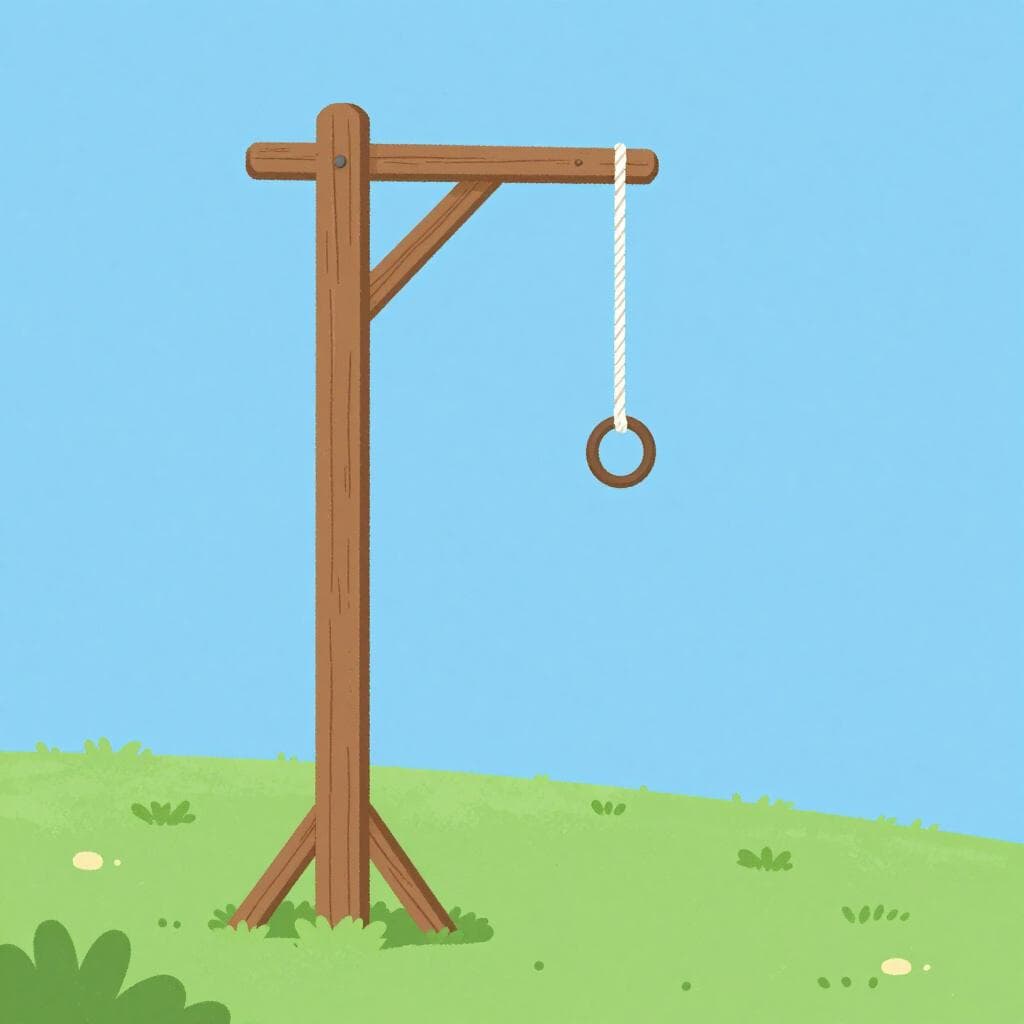
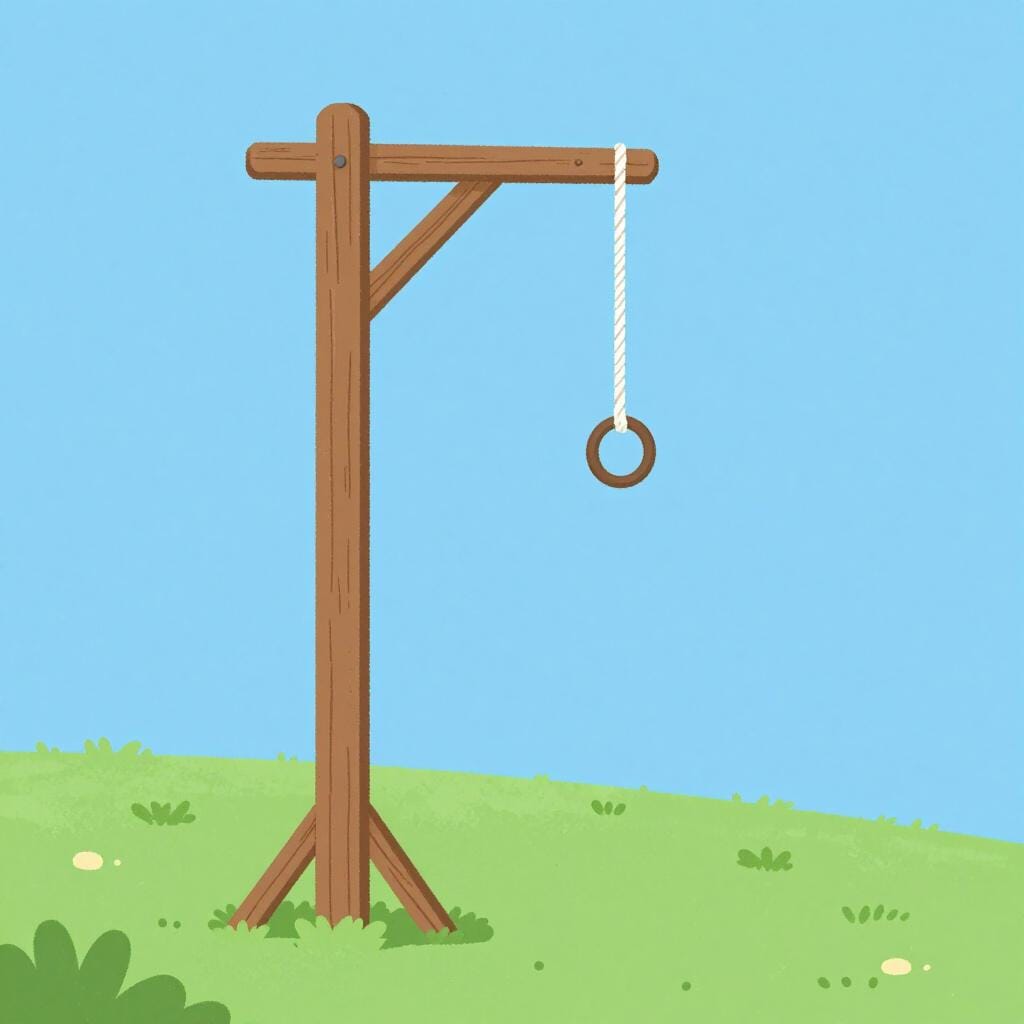
ahorcar
ah-or-KARaoɾˈkaɾ
Examples
En la antigüedad, solían ahorcar a los piratas en el puerto.
In ancient times, they used to hang pirates in the harbor.
El hombre intentó ahorcarse, pero la cuerda se rompió.
The man tried to hang himself, but the rope broke.
Fue condenado a morir ahorcado por sus crímenes.
He was sentenced to die by hanging for his crimes.
The 'C' to 'QU' Switch
When you use the 'yo' form in the past (preterite) or the special 'wishes' forms (subjunctive), the 'c' changes to 'qu' so it keeps the hard 'K' sound: 'ahorqué' (I hanged) instead of 'ahorcé'.
Doing it to yourself
To say someone hung themselves, you must add 'se' (ahorcarse). Without 'se', the word needs someone else to receive the action.
Spelling 'ahorqué' incorrectly
Mistake: “Yo ahorcé al criminal.”
Correction: Yo ahorqué al criminal. (You need the 'qu' to keep the 'K' sound; 'ce' sounds like 'S' in Spanish).
Confusing 'colgar' and 'colocar'
Related Translations
Learn Spanish with Inklingo
Interactive stories, personalized learning, and more.