colgar
“colgar” means “to hang” in Spanish. It has 3 different meanings depending on context:
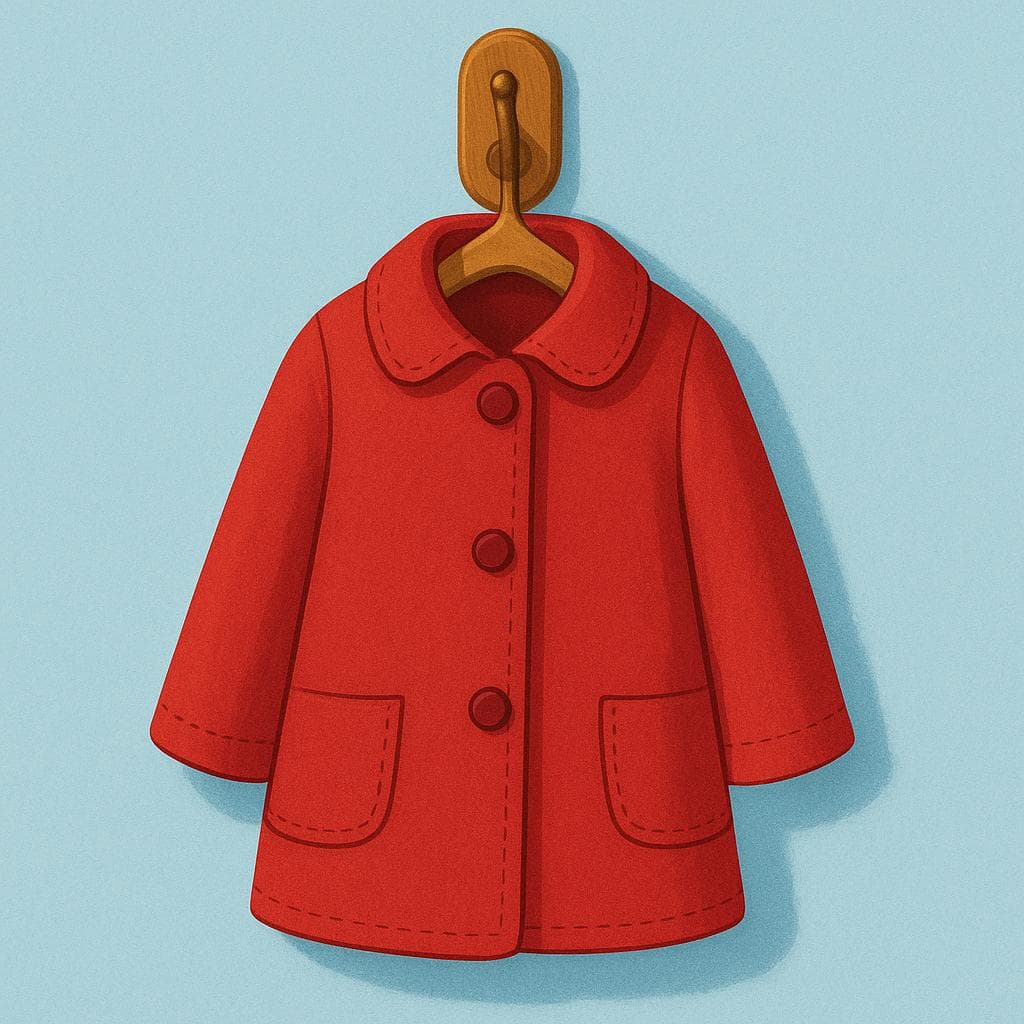


to hang, to put upAlso: to suspend
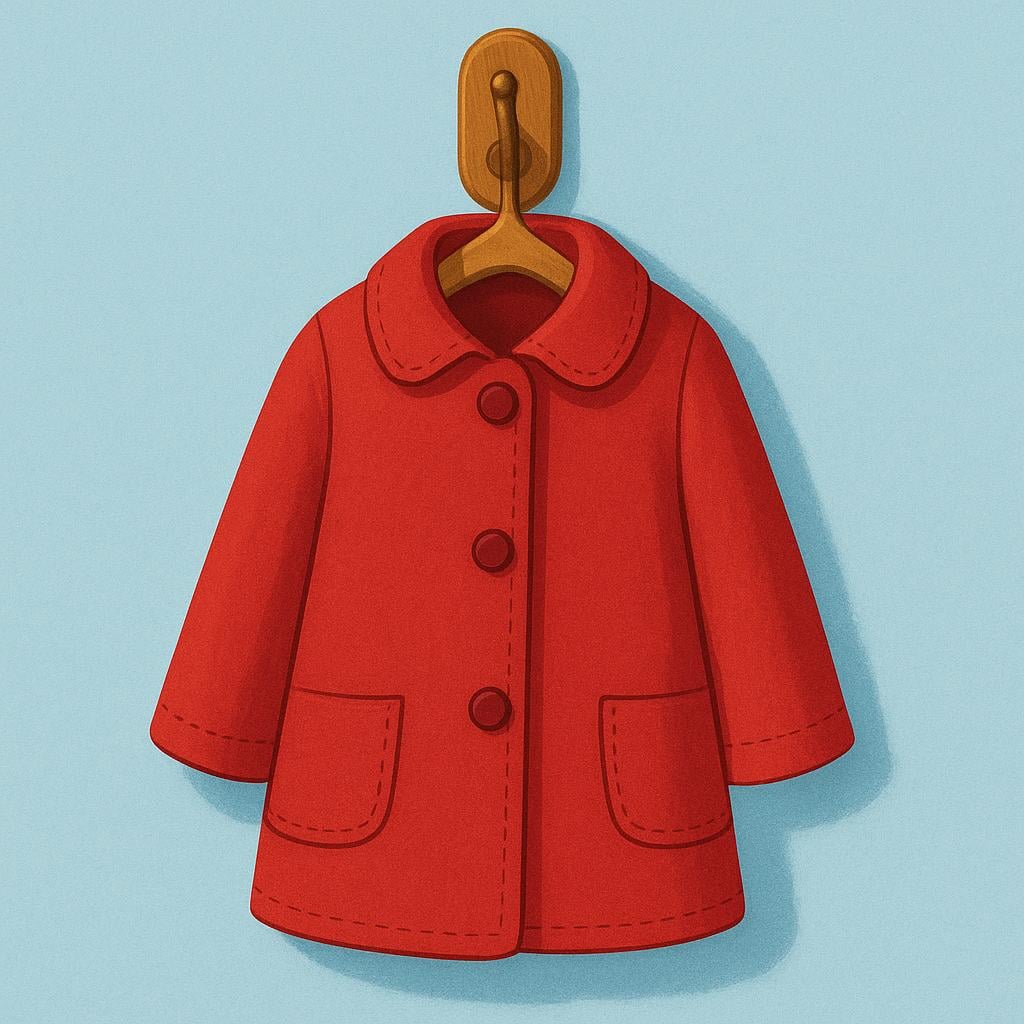
📝 In Action
Por favor, cuelga tu abrigo en el perchero.
A2Please hang your coat on the coat rack.
Vamos a colgar luces de Navidad en el balcón.
B1We are going to hang Christmas lights on the balcony.
Word Connections
to hang upAlso: to disconnect

📝 In Action
Estaba hablando cuando mi hermano me colgó.
A1I was talking when my brother hung up on me.
Espera, no cuelgues, necesito decirte algo más.
A2Wait, don't hang up, I need to tell you something else.
Word Connections
to crash, to freeze upAlso: to seize up

📝 In Action
Mi móvil se colgó justo cuando iba a guardar el archivo.
B2My mobile froze right when I was about to save the file.
La red se cuelga a menudo en esta zona.
C1The network crashes often in this area.
Word Connections
Indicative
Present
Imperfect
Preterite
Subjunctive
Present Subjunctive
Imperfect Subjunctive
🔀 Commonly Confused With
Translate to Spanish
Words that translate to "colgar" in Spanish:
✏️ Quick Practice
Quick Quiz: colgar
Question 1 of 2
Which sentence correctly uses 'colgar' to mean ending a phone conversation?
📚 More Resources
👥 Word Family
📚 Etymology
Comes from the vulgar Latin word *collocare* meaning 'to place' or 'to put together.' Over time, the meaning evolved to specifically mean placing something in a suspended position.
First recorded: 13th century
Cognates (Related words)
💡 Master Spanish
Take your Spanish to the next level. Read 200+ illustrated and narrated Spanish stories tailored to your level with the Inklingo app!
Frequently Asked Questions
Is 'colgar' used for hanging people (execution)?
Yes, historically and technically, 'colgar' can mean 'to hang' in that context, but this usage is rare and morbid. The more common and neutral word for that specific action is usually 'ahorcar'.
When do I use 'colgar' versus 'tender' for clothes?
'Colgar' means to hang something generally, like putting a shirt on a hanger. 'Tender' specifically means to hang clothes outside on a line to dry. Both are acceptable, but 'tender la ropa' is more specific to drying.