How to Say "to grow" in Spanish
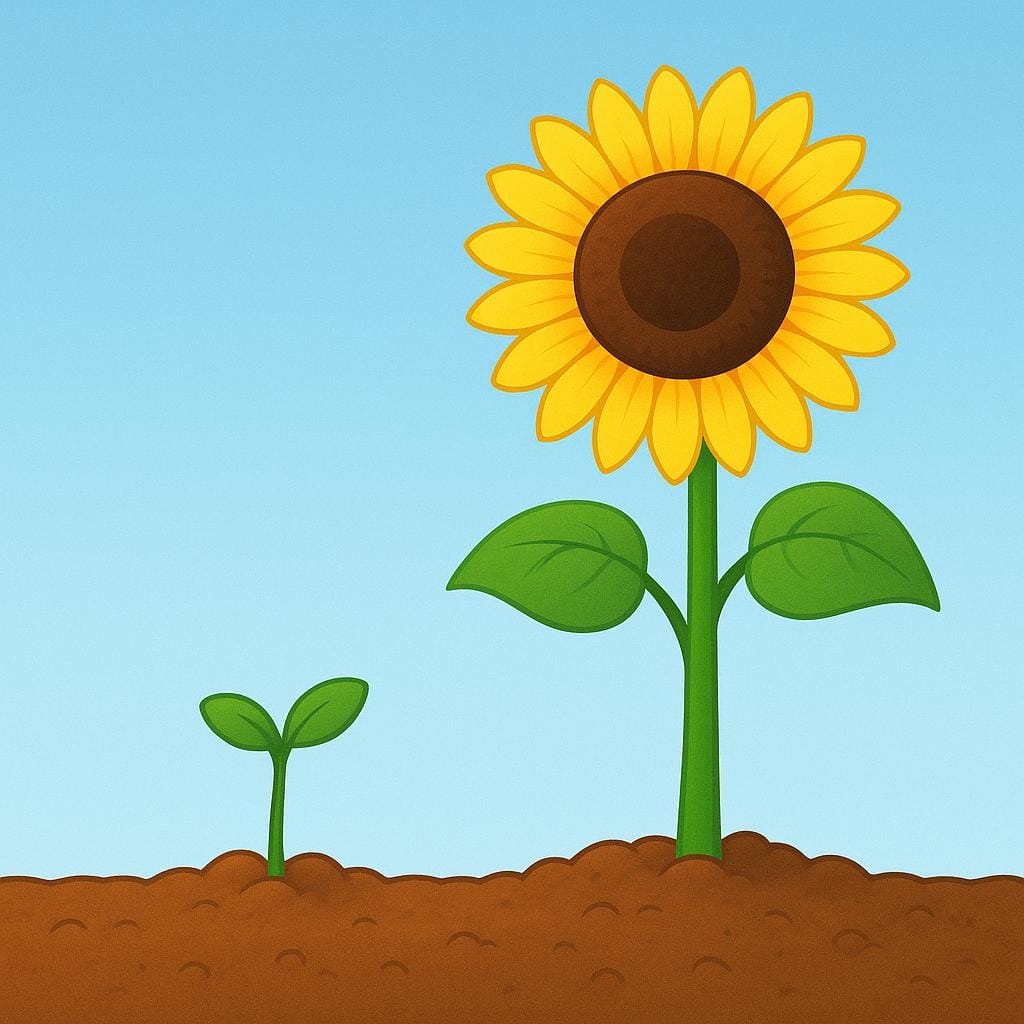
The most common Spanish word for “to grow” is “crecer” — use 'crecer' when referring to the physical increase in size or height of living things like people, animals, or plants.
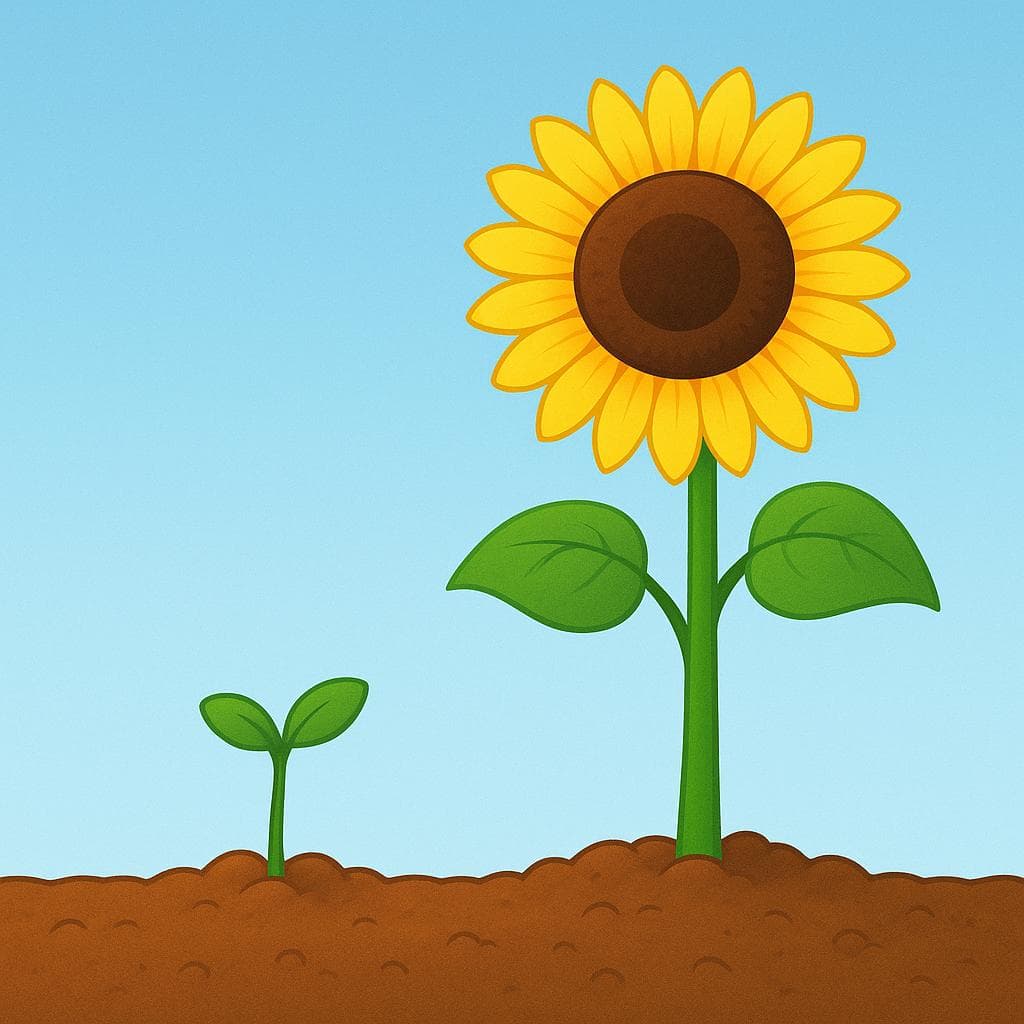
Use 'crecer' when referring to the physical increase in size or height of living things like people, animals, or plants.
Learn more →
Use 'aumentar' when indicating an increase in quantity, level, or intensity, often for abstract concepts or inanimate things.
Learn more →
Use 'cultivar' specifically when talking about growing plants or crops, implying cultivation and care.
Learn more →
Use 'desarrollar' to describe a process of biological progression, maturation, or the development of something complex, like a plan or an idea.
Learn more →
Use 'hacerse' in the context of aging or becoming a certain age, often followed by 'mayor' or a specific age.
Learn more →
Use 'madurar' for the process of ripening, usually applied to fruits, or metaphorically for becoming mature.
Learn more →Use 'ponerse' followed by an adjective to describe a change in state or feeling, like becoming nervous, tired, or sad.
Learn more →kreh-SEHRkɾeˈseɾ
Examples
Mi hijo está creciendo muy rápido.
My son is growing very fast.
Mi sobrina ha crecido mucho este año.
My niece has grown a lot this year.
Las flores crecen mejor bajo el sol directo.
Flowers grow better under direct sun.
Yo crezco y me hago más fuerte cada día.
I grow and become stronger every day.
The 'zc' Spelling Fix
In the 'yo' form of the present tense ('yo crezco'), the 'c' changes to 'zc'. This is a spelling rule used in many '-cer' verbs (like 'conocer') to make sure the 'c' keeps a soft 's' sound before the 'o'.
ow-men-TARaw.menˈtaɾ
Examples
Las ventas han aumentado este trimestre.
Sales have increased this quarter.
El nivel del río aumentó después de la lluvia.
The river level rose after the rain.
La población ha aumentado dramáticamente en la última década.
The population has grown dramatically in the last decade.
El costo de la vida sigue aumentando.
The cost of living keeps rising.
Intransitive Use (No Direct Object)
In this sense, 'aumentar' is intransitive. The subject of the sentence (e.g., 'the river level') is the thing that is doing the increasing, and no other person or thing is causing the action.
The Role of 'Se' (Aumentarse)
Sometimes you will see 'aumentarse' (reflexive form) when the increase is perceived as happening automatically or affecting the subject directly, especially related to personal things like family or weight: 'Mi familia se ha aumentado' (My family has grown).
Misusing 'Crecer'
Mistake: “El precio creció. (The price grew.)”
Correction: El precio aumentó. (The price increased.) – 'Crecer' is usually for living things (people, plants); 'aumentar' is better for numbers, prices, and abstract concepts.
kool-tee-BARkultiˈβaɾ
Examples
Cultivamos nuestras propias verduras en el huerto.
We grow our own vegetables in the garden.
Mi abuelo cultiva tomates en su jardín.
My grandfather grows tomatoes in his garden.
Es difícil cultivar arroz en este clima tan seco.
It is difficult to grow rice in this very dry climate.
Ellos cultivan la tierra con métodos tradicionales.
They farm the land using traditional methods.
Grow vs. Cultivar
In English, you can say 'the plant grows' (it happens on its own) or 'I grow plants' (you do the work). In Spanish, use 'crecer' for the plant's own growth, and 'cultivar' for the work you do to make it grow.
Using 'Crezco' for Farming
Mistake: “Crezco tomates en mi patio.”
Correction: Cultivo tomates en mi patio. (Use 'cultivar' when you are the one doing the gardening/farming).
deh-sah-rroh-YARdesaroˈʝar
Examples
El embrión se desarrolla en el útero.
The embryo develops in the womb.
Necesitamos desarrollar un plan de acción.
We need to develop an action plan.
Él hace ejercicio para desarrollar sus músculos.
He exercises to develop his muscles.
A regular 'ar' verb
This verb follows the standard pattern for verbs ending in -ar, making it easy to conjugate once you know the basics.
Spelling: Double 'r' and double 'l'
Mistake: “Writing 'desarolar' or 'desarrollar' with one 'r'.”
Correction: Always use two 'r's after the first syllable and two 'l's at the end. Think of 'roll' in English to remember the double 'l'.
ah-SEHR-sehaˈθeɾse

Examples
Mi hermano se está haciendo mayor.
My brother is getting older.
¡Vámonos, se está haciendo tarde!
Let's go, it's getting late!
Cuando me hice mayor, entendí a mis padres.
When I got older, I understood my parents.
Se hizo de noche rápidamente después de la tormenta.
It became night quickly after the storm.
Impersonal Time
When talking about time passing or daylight changing (like 'getting dark' or 'getting light'), you use the third-person singular form: 'se hace'.
Hacerse + Adjective
This meaning is often followed by adjectives like 'tarde' (late), 'mayor' (older), or 'viejo' (old).
Mixing up 'getting old'
Mistake: “Estoy haciendo viejo.”
Correction: Me estoy haciendo viejo. (You must include the reflexive pronoun 'me' because you are the one changing.)
mah-doo-RAHRma.ðu.ˈɾaɾ

Examples
Estos aguacates necesitan madurar un poco más.
These avocados need to ripen a bit more.
Los plátanos maduran más rápido fuera de la nevera.
Bananas ripen faster outside of the fridge.
Deja que el aguacate madure un poco antes de comerlo.
Let the avocado ripen a bit before eating it.
El vino necesita tiempo para madurar en la barrica.
The wine needs time to age (ripen) in the barrel.
Natural Ripening
Unlike English, which often uses 'get' or 'become' (e.g., 'the apple got ripe'), Spanish uses the single verb 'madurar' to describe the whole process.
Don't use 'crecer'
Mistake: “La fruta necesita crecer antes de comerla.”
Correction: La fruta necesita madurar antes de comerla. (Crecer means to get bigger; madurar means to become ready to eat).
Examples
Me puse enfermo después de comer marisco.
I got sick after eating seafood.
Crecer vs. Aumentar
The most common mistake is using 'crecer' for anything that increases in quantity or level. Remember, 'crecer' is primarily for physical growth of living things. For abstract increases or non-living things, 'aumentar' is usually the correct choice.
Related Translations
Learn Spanish with Inklingo
Interactive stories, personalized learning, and more.