How to Say "to develop" in Spanish
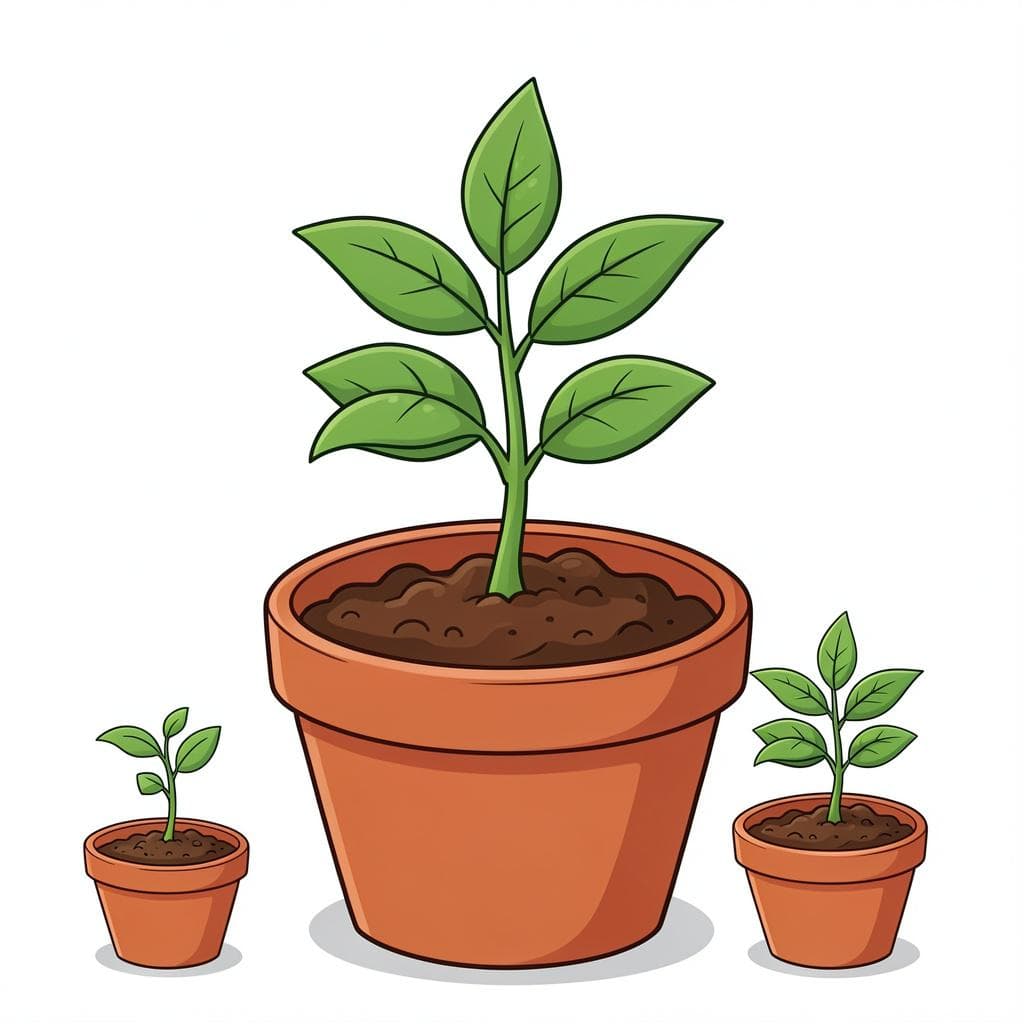
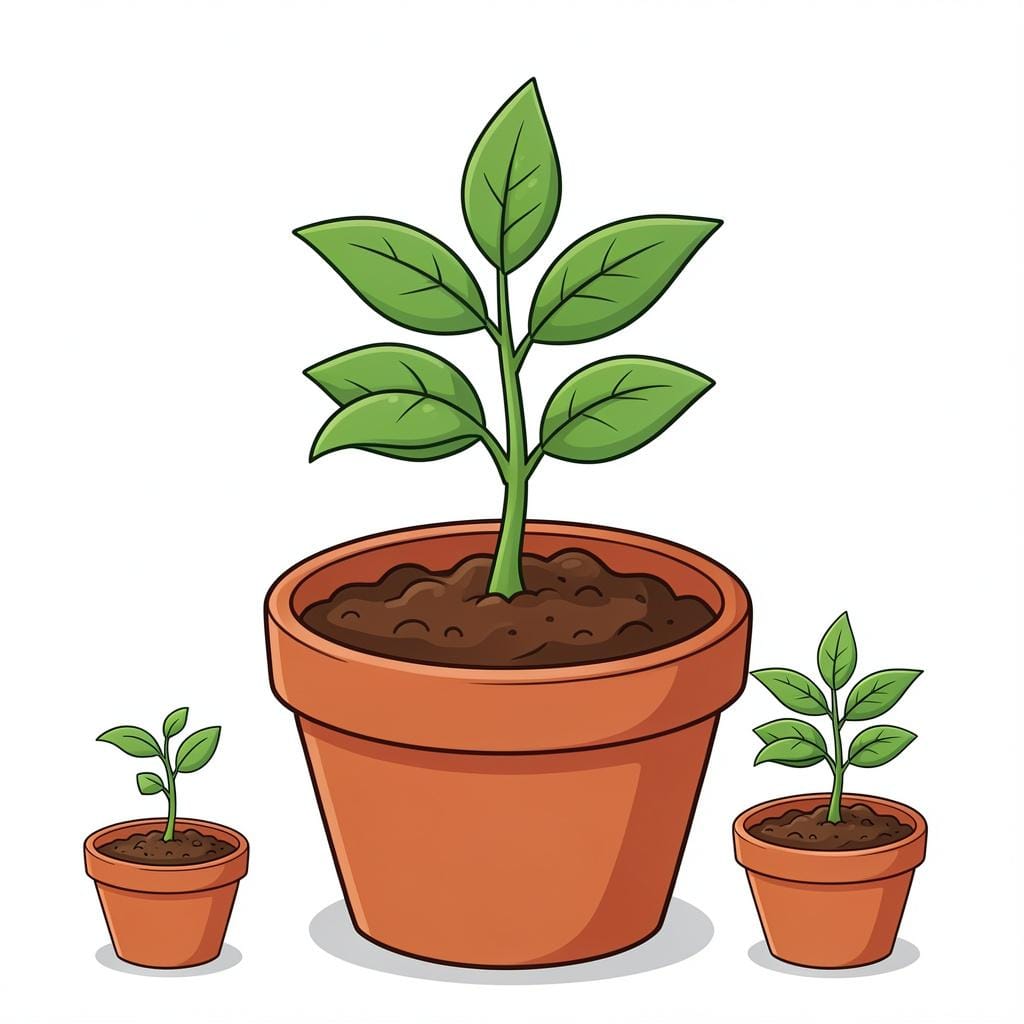
The most common Spanish word for “to develop” is “desarrollar” — use this word when talking about improving or growing an idea, a skill, or a physical body, often implying a process of advancement.






desarrollar
deh-sah-rroh-YARdesaroˈʝar
Examples
Necesitamos desarrollar un plan de acción.
We need to develop an action plan.
Él hace ejercicio para desarrollar sus músculos.
He exercises to develop his muscles.
A regular 'ar' verb
This verb follows the standard pattern for verbs ending in -ar, making it easy to conjugate once you know the basics.
Spelling: Double 'r' and double 'l'
Mistake: “Writing 'desarolar' or 'desarrollar' with one 'r'.”
Correction: Always use two 'r's after the first syllable and two 'l's at the end. Think of 'roll' in English to remember the double 'l'.
elaborar
eh-lah-bo-RARelaβoˈɾaɾ

Examples
Necesitamos elaborar una estrategia de marketing.
We need to develop a marketing strategy.
El comité está elaborando un informe sobre el clima.
The committee is drafting a report on the climate.
Ella elaboró una respuesta muy inteligente.
She worked out a very intelligent response.
Physical vs. Mental
Whether you are making a cake or a law, 'elaborar' implies careful detail and preparation.
Don't confuse with 'elaborate on'
Mistake: “¿Puedes elaborar más en ese punto?”
Correction: ¿Puedes dar más detalles sobre ese punto?
evolucionar
eh-voh-loo-syoh-NAHReβoluθjoˈnaɾ

Examples
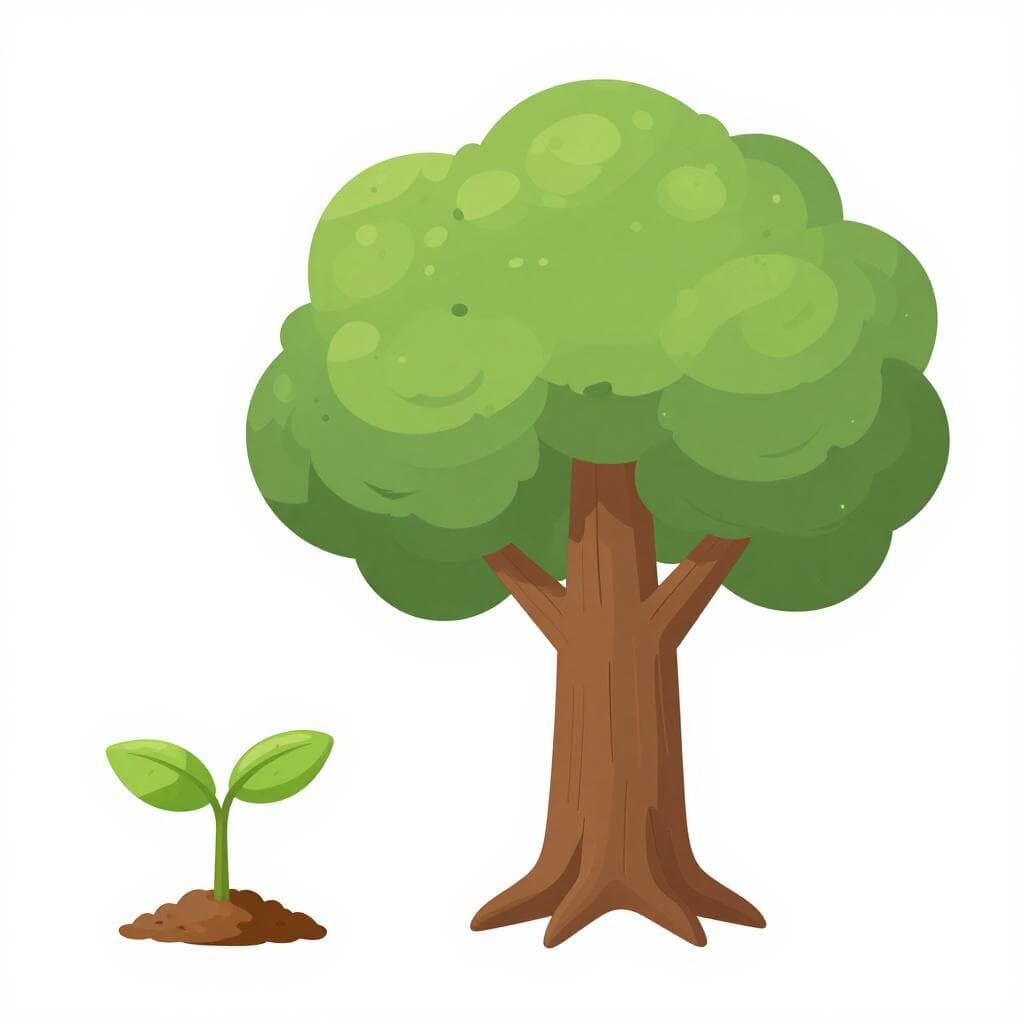
Nuestras ideas deben evolucionar con el tiempo.
Our ideas must evolve with time.
La tecnología ha evolucionado mucho en la última década.
Technology has developed a lot in the last decade.
Es fascinante ver cómo evolucionan las especies en la naturaleza.
It is fascinating to see how species evolve in nature.
Using 'hacia' for Direction
When talking about what something is turning into, we often use the word 'hacia' (toward) after the verb, as in 'evolucionar hacia la democracia' (to evolve toward democracy).
A Regular Pattern
This verb is completely regular. It follows the exact same pattern as 'hablar' or 'caminar' in every tense.
Don't confuse with 'cambiar'
Mistake: “El clima evolucionó de repente.”
Correction: El clima cambió de repente. 'Evolucionar' implies a gradual process of development, not a sudden, random change.
trabajar
tra-ba-HARtɾa.βaˈxaɾ
Examples
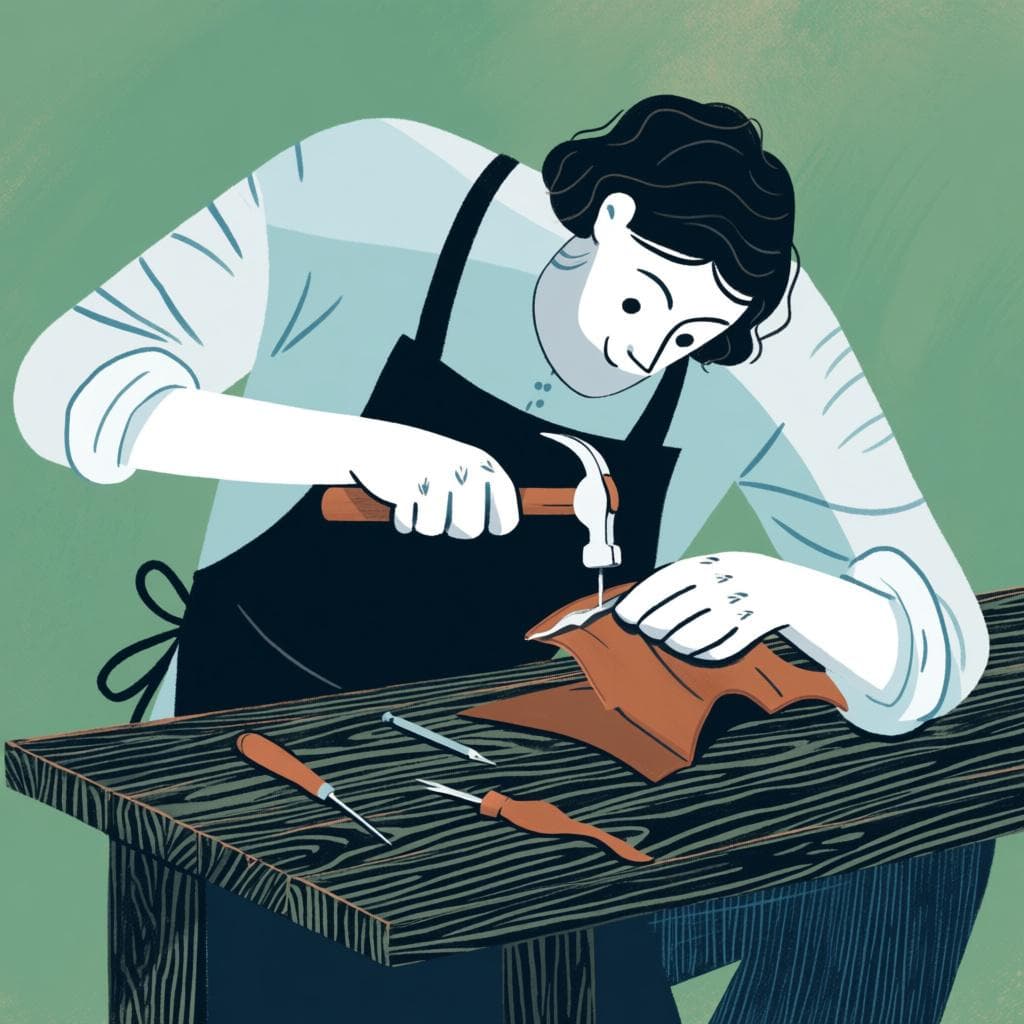
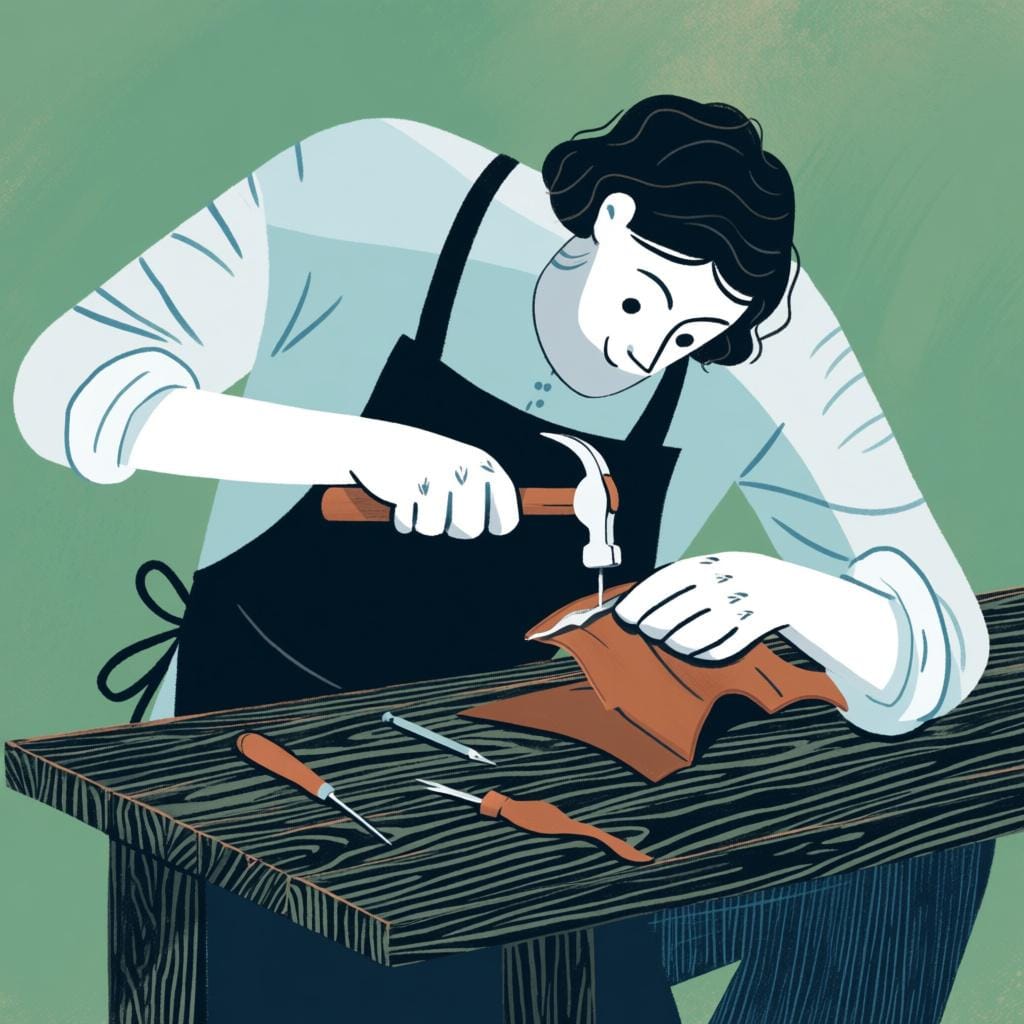
El artesano trabaja el cuero con mucha habilidad.
The artisan works the leather with great skill.
Tenemos que trabajar más la presentación antes de la reunión.
We have to work on the presentation more before the meeting.
Los agricultores trabajan la tierra para prepararla para la siembra.
The farmers work the land to prepare it for planting.
A Verb that Takes an Object
In this sense, 'trabajar' usually needs something that receives the action. You don't just 'work', you 'work something' (the wood, the idea, the land).
formar
for-MARfoɾˈmaɾ

Examples
Ella quiere formarse en energías renovables.
She wants to train/study in renewable energy.
Es importante formarse continuamente para el mercado laboral.
It is important to continually educate oneself for the job market.
Se formaron como un gran equipo con el tiempo.
They developed into a great team over time.
Reflexive Use ('Se')
When you use 'formarse,' the action is happening to the subject. The 'se' (or 'me,' 'te,' 'nos,' 'os') tells you that the person is training or developing themselves.
madurar
mah-doo-RAHRma.ðu.ˈɾaɾ
Examples
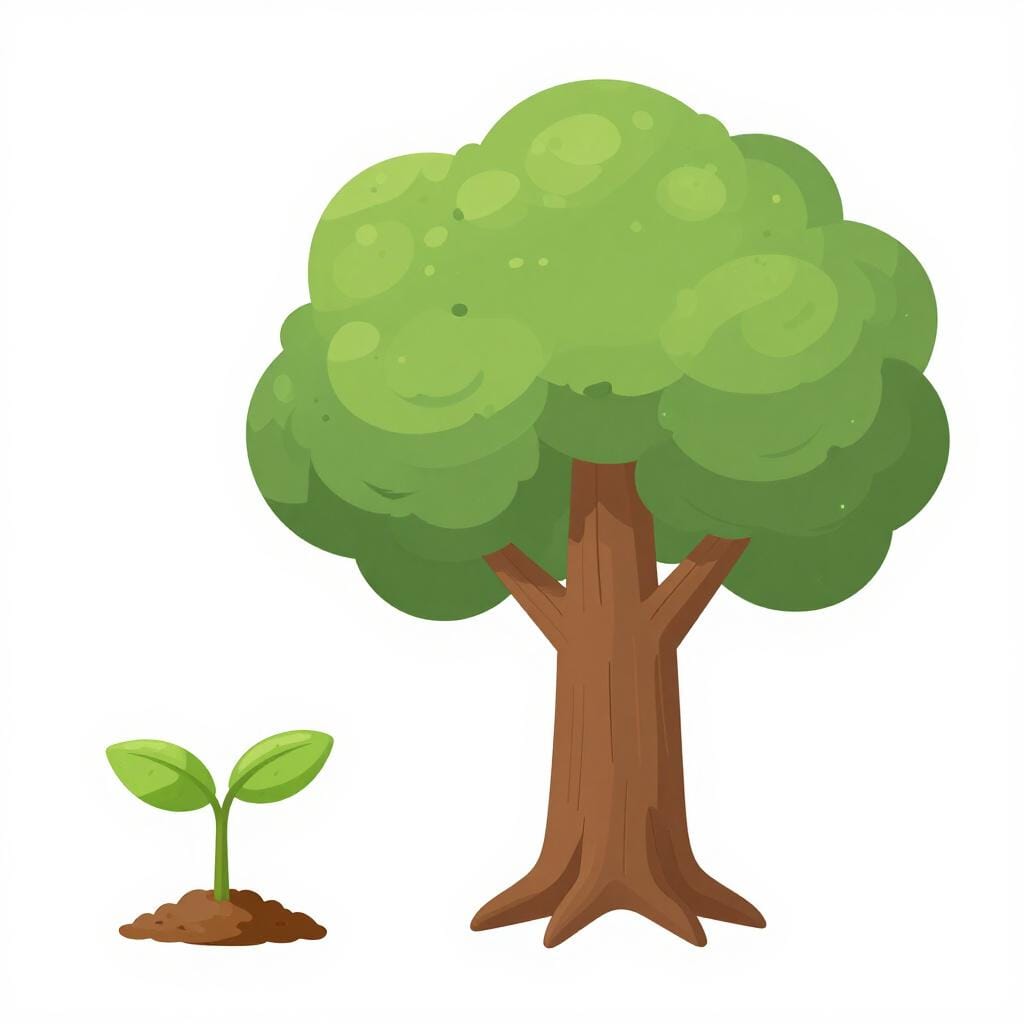
Necesitamos madurar la idea antes de presentarla al jefe.
We need to develop the idea further before presenting it to the boss.
El plan de negocio se está madurando poco a poco.
The business plan is being developed little by little.
Es una propuesta interesante, pero hay que madurarla.
It's an interesting proposal, but it needs to be thought through.
Direct Object Use
When talking about ideas, 'madurar' is used with an object (you mature the idea), whereas when talking about people, it's often used alone (the person matures).
explotar
eks-plo-TAReks.ploˈtaɾ
Examples
Necesitamos explotar las energías renovables de la región.
We need to utilize the region's renewable energy sources.
El director supo explotar su talento para la música.
The director knew how to capitalize on his talent for music.
La compañía va a explotar un nuevo yacimiento de cobre.
The company is going to mine a new copper deposit.
Different meanings
Remember that 'explotar' can mean 'to blow up' or 'to use/utilize.' The context will tell you which one is correct. If it’s about resources, it means utilization.
desenvolver
deh-sen-bol-BEHRdesenβolˈbeɾ

Examples
Nadie sabe cómo se va a desenvolver la situación.
No one knows how the situation is going to unfold.
El autor desenvuelve la trama de forma magistral.
The author develops the plot in a masterly way.
Abstract Usage
When used for ideas or plots, this word implies a slow reveal, like peeling back layers of an onion.
cursar
koor-SAHRkuɾˈsaɾ

Examples
La gripe suele cursar con fiebre y dolor muscular.
The flu usually presents with fever and muscle pain.
Using 'con'
In a medical context, 'cursar' is almost always followed by the word 'con' to describe the symptoms that come with the illness.
programar
pro-gra-MARpɾoɡɾaˈmaɾ

Examples
Ella aprendió a programar en Python el año pasado.
She learned to program in Python last year.
Estamos programando una nueva aplicación para móviles.
We are coding a new mobile application.
Es difícil programar sin cometer errores al principio.
It is hard to code without making mistakes at first.
Using 'en' with Languages
When talking about which coding language you use, always use 'en' followed by the language name, like 'programar en Java' (to program in Java).
Don't say 'programar un software'
Mistake: “Voy a programar un software.”
Correction: Voy a programar software (or 'una aplicación').
Desarrollar vs. Elaborar vs. Evolucionar
Related Translations
Learn Spanish with Inklingo
Interactive stories, personalized learning, and more.