How to Say "to abuse" in Spanish
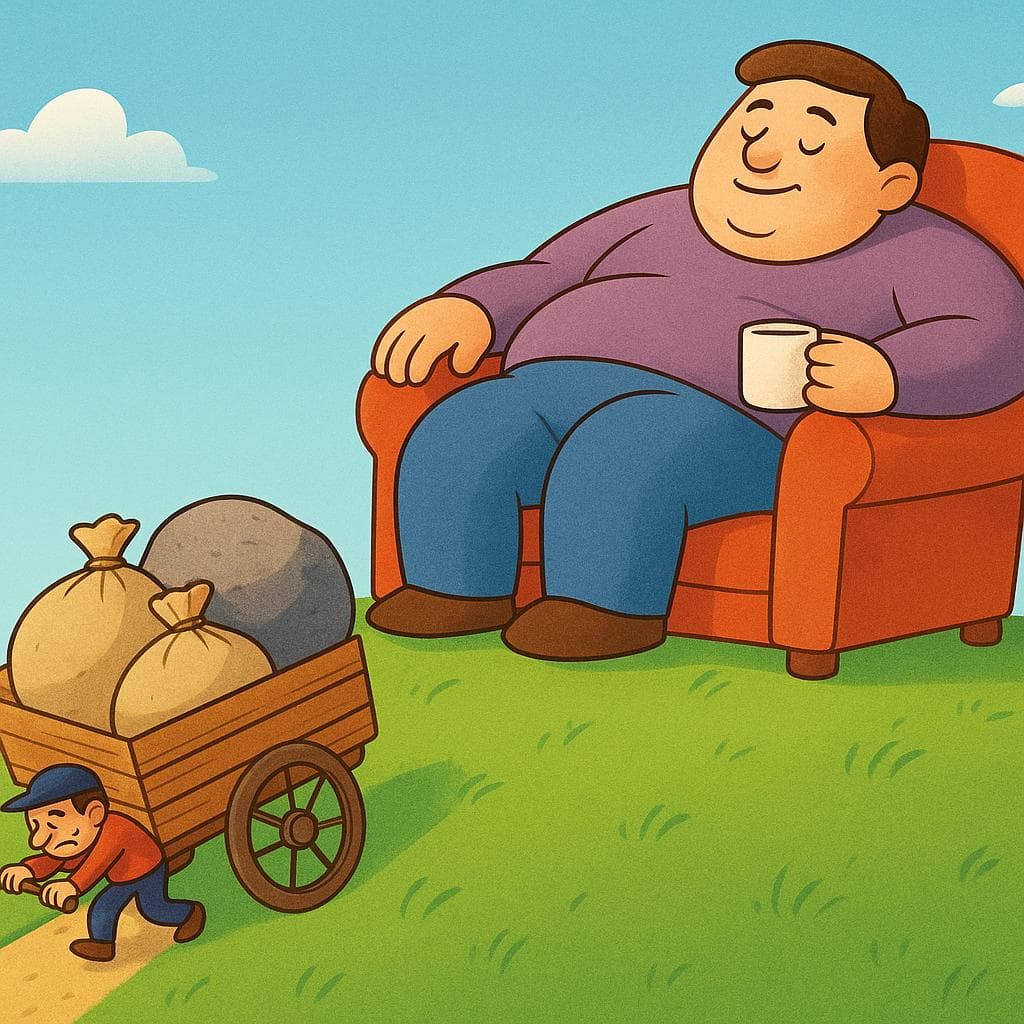
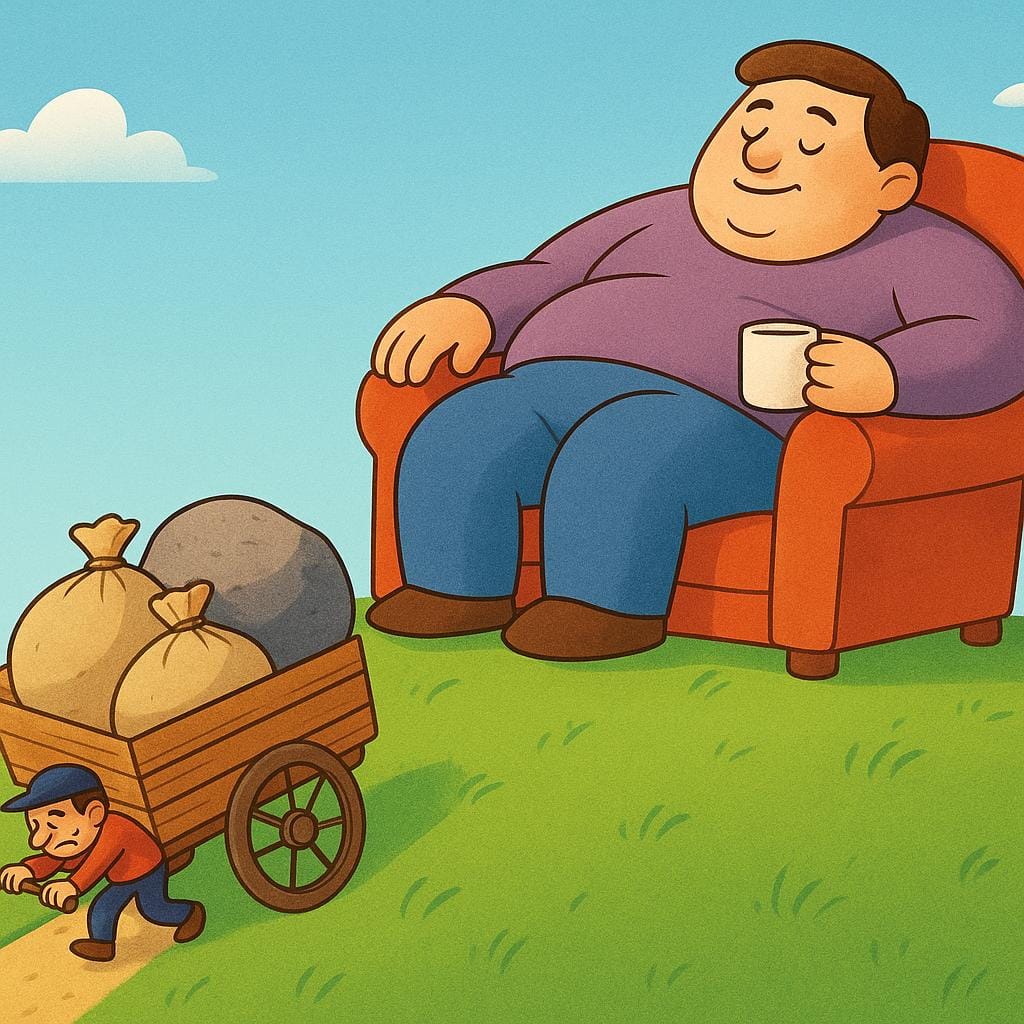
The most common Spanish word for “to abuse” is “explotar” — use 'explotar' when referring to abusing someone by taking unfair advantage of them, typically in a labor or rights context.

eks-plo-TAReks.ploˈtaɾ
Examples
Muchos dueños de fábricas explotan a sus trabajadores con salarios bajos.
Many factory owners exploit their workers with low wages.
No podemos permitir que se explote la mano de obra infantil.
We cannot allow child labor to be exploited.
Sienten que sus jefes los explotan al hacerlos trabajar horas extras sin pago.
They feel their bosses are taking advantage of them by making them work unpaid overtime.
Moral Weight
When used with people, 'explotar' always carries a negative meaning, implying unfairness or moral wrong. It is never positive.
Using 'explotar' for minor advantage
Mistake: “Voy a explotar la oportunidad de ir de compras.”
Correction: Use 'aprovechar' (Voy a aprovechar la oportunidad) if you mean taking a fair, minor advantage. 'Explotar' implies intensive or harmful use.
mahl-trah-tahrmaltɾaˈtaɾ

Examples
Nunca debemos maltratar a los animales.
We must never mistreat animals.
Ella siente que su jefe la maltrata psicológicamente.
She feels that her boss is psychologically abusing her.
Es un delito maltratar a los prisioneros de guerra.
It is a crime to mistreat prisoners of war.
The 'Personal A'
In Spanish, when the person or animal being mistreated follows the verb, you must put the word 'a' before them. For example: 'No maltrates a tu gato'.
Missing the 'a' with people
Mistake: “Él maltrata su hermano.”
Correction: Él maltrata a su hermano. Because 'hermano' is a person receiving the action, you need the 'personal a'.
Explotar vs. Maltratar
Learners often confuse 'explotar' and 'maltratar' because both can imply negative treatment. Remember that 'explotar' focuses on unfair advantage and exploitation, while 'maltratar' specifically refers to causing harm or mistreatment.
Related Translations
Learn Spanish with Inklingo
Interactive stories, personalized learning, and more.