How to Say "to burst" in Spanish
The most common Spanish word for “to burst” is “reventar” — use 'reventar' when something like a balloon, pipe, or tire pops or breaks open suddenly due to internal pressure.

Use 'reventar' when something like a balloon, pipe, or tire pops or breaks open suddenly due to internal pressure.
Learn more →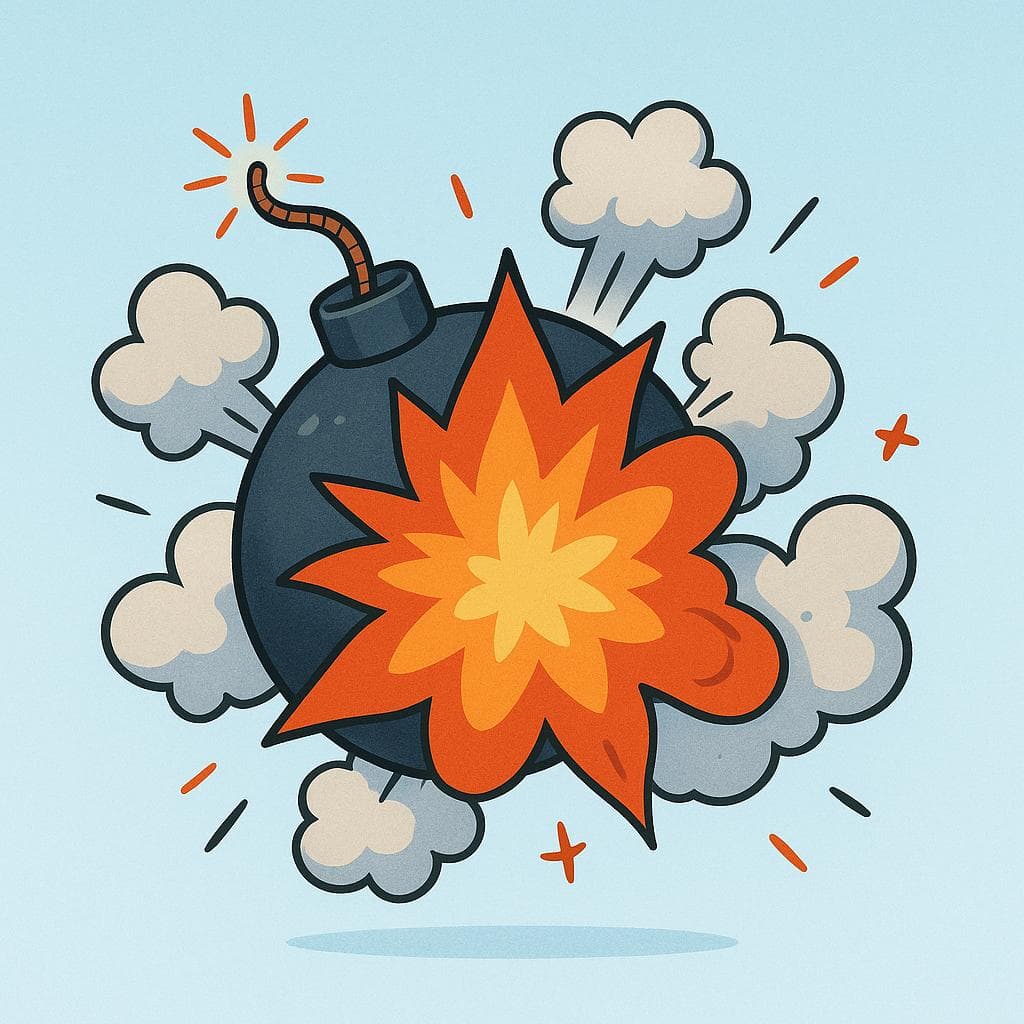
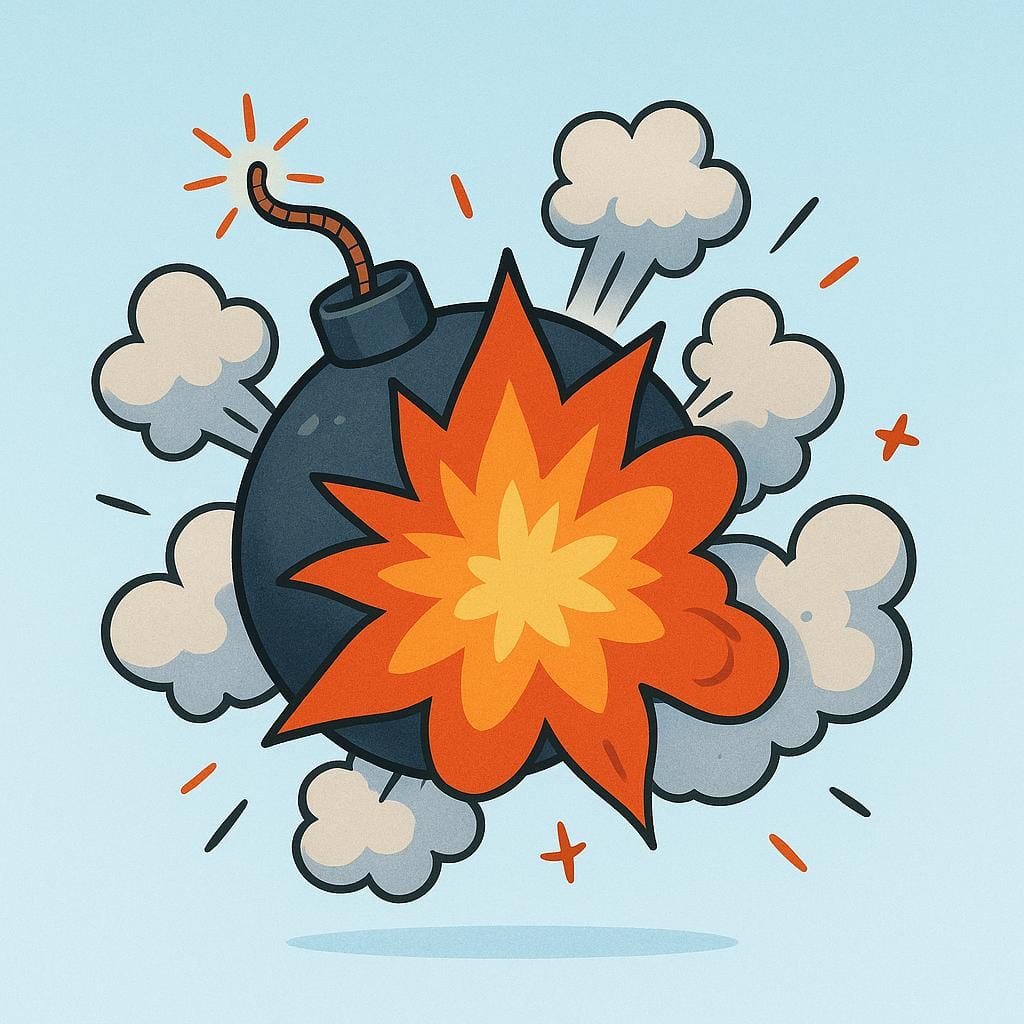
Use 'estallar' for things that explode or burst forcefully, often with a loud noise, like a bomb or a riot.
Learn more →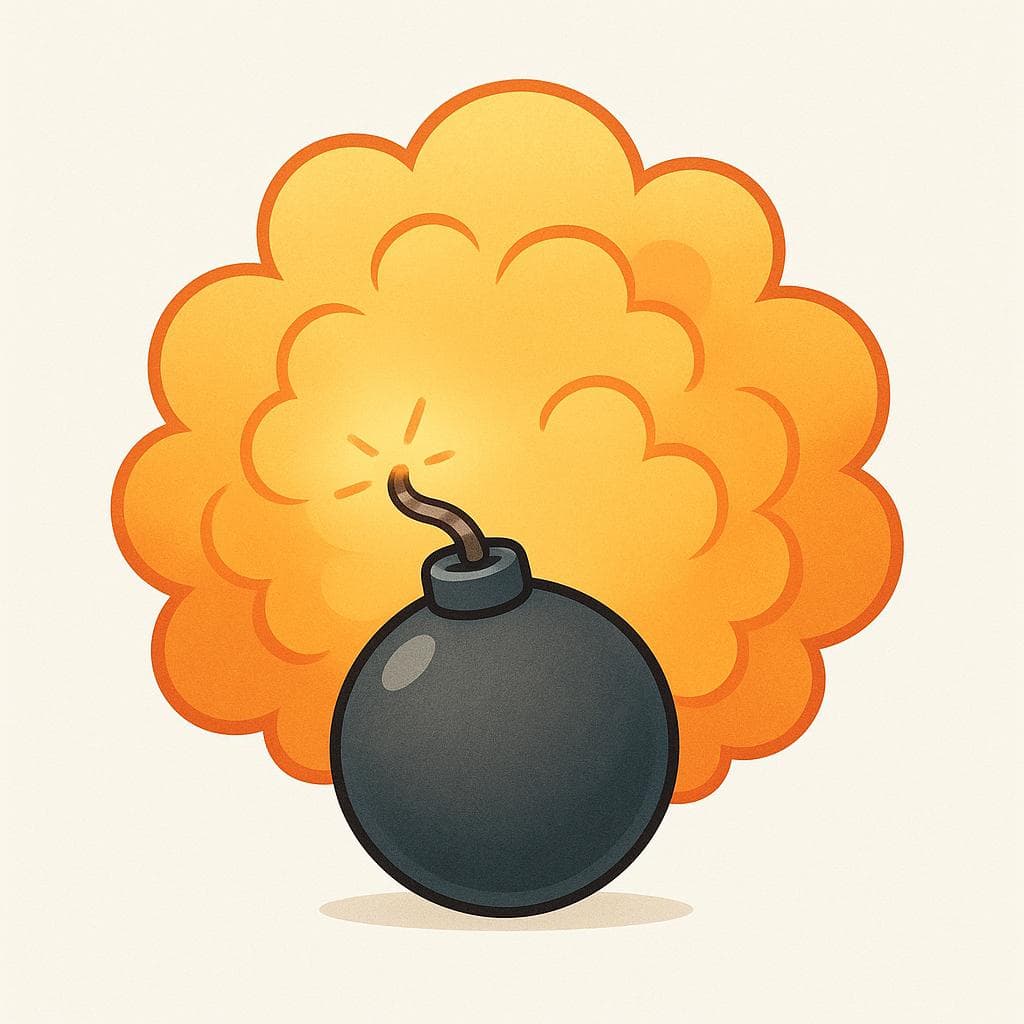
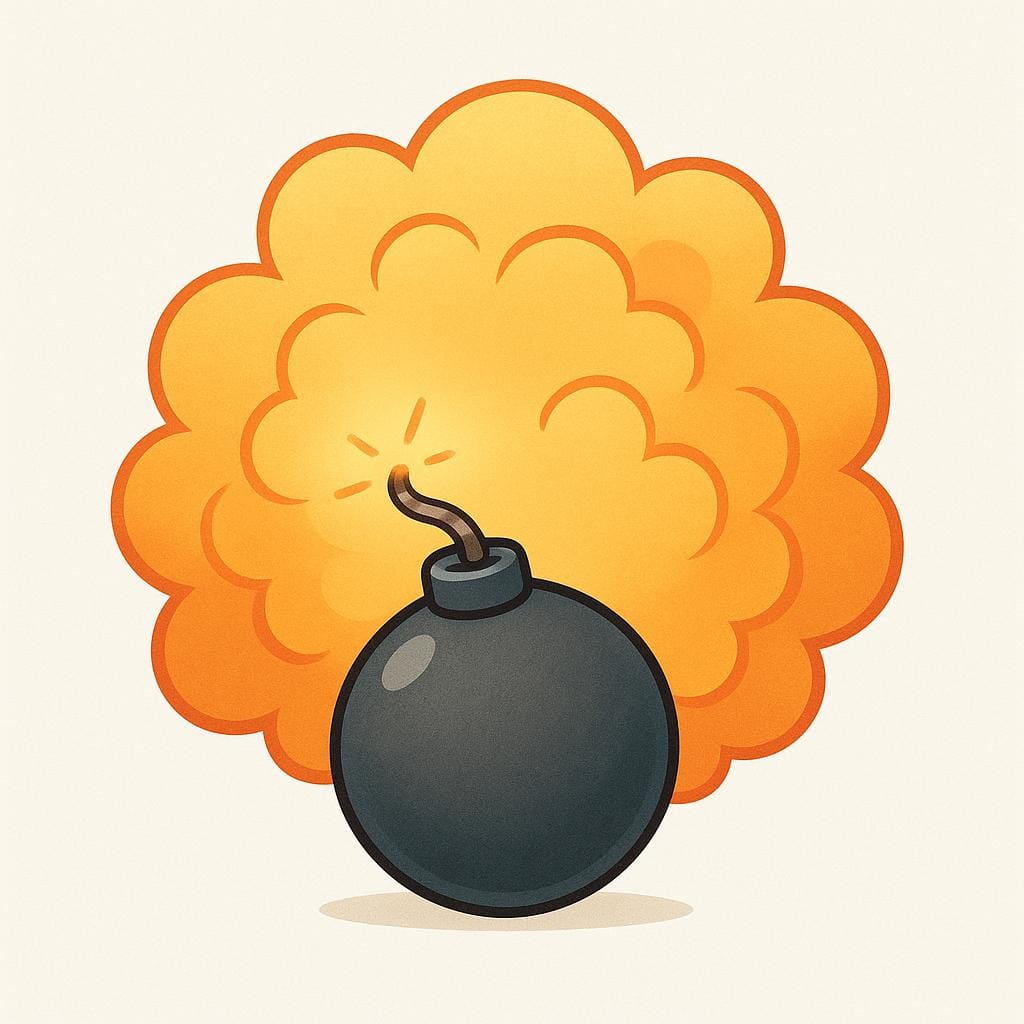
Use 'explotar' for explosions, particularly of devices like bombs or for tires bursting due to impact or pressure.
Learn more →re-ben-TARreβenˈtaɾ

Examples
El globo se reventó de repente.
The balloon burst suddenly.
Las tuberías pueden reventar por el frío.
The pipes can burst because of the cold.
Si inflas demasiado la rueda, va a reventar.
If you inflate the tire too much, it's going to pop.
The 'e to ie' Spelling Change
For this word, the 'e' in the middle changes to 'ie' when you stress it (I burst = reviento), but stays as 'e' when the stress is at the end (we burst = reventamos).
Forgetting the spelling change
Mistake: “Yo revento el globo.”
Correction: Yo reviento el globo. (Remember to change the 'e' to 'ie' in the present tense!)
es-ta-yares.taˈʎaɾ
Examples
La bomba estalló a medianoche, causando mucho pánico.
The bomb exploded at midnight, causing a lot of panic.
El globo estalló cuando lo infló demasiado.
The balloon burst when he inflated it too much.
Regular -AR Verb
Estallar is a straightforward regular verb, meaning its endings follow the standard pattern for all verbs ending in -ar.
eks-plo-TAReks.ploˈtaɾ
Examples
La bomba explotó en el edificio abandonado.
The bomb exploded in the abandoned building.
El neumático explotó por la presión del aire.
The tire burst due to the air pressure.
Vimos que el volcán estaba a punto de explotar.
We saw that the volcano was about to erupt (explode).
Using 'explotar' as an event
When 'explotar' describes a sudden event, like a bomb going off, it usually works like other action verbs: 'El gas explotó' (The gas exploded).
Estallar vs. Explotar vs. Reventar
Learners often confuse 'estallar' and 'explotar' as they both mean 'to explode.' While similar, 'estallar' can imply a more sudden, forceful outbreak (like a riot), whereas 'explotar' is a more direct term for a physical explosion. 'Reventar' is specifically for things popping or bursting open, like a balloon or a tire.
Related Translations
Learn Spanish with Inklingo
Interactive stories, personalized learning, and more.