How to Say "to damage" in Spanish
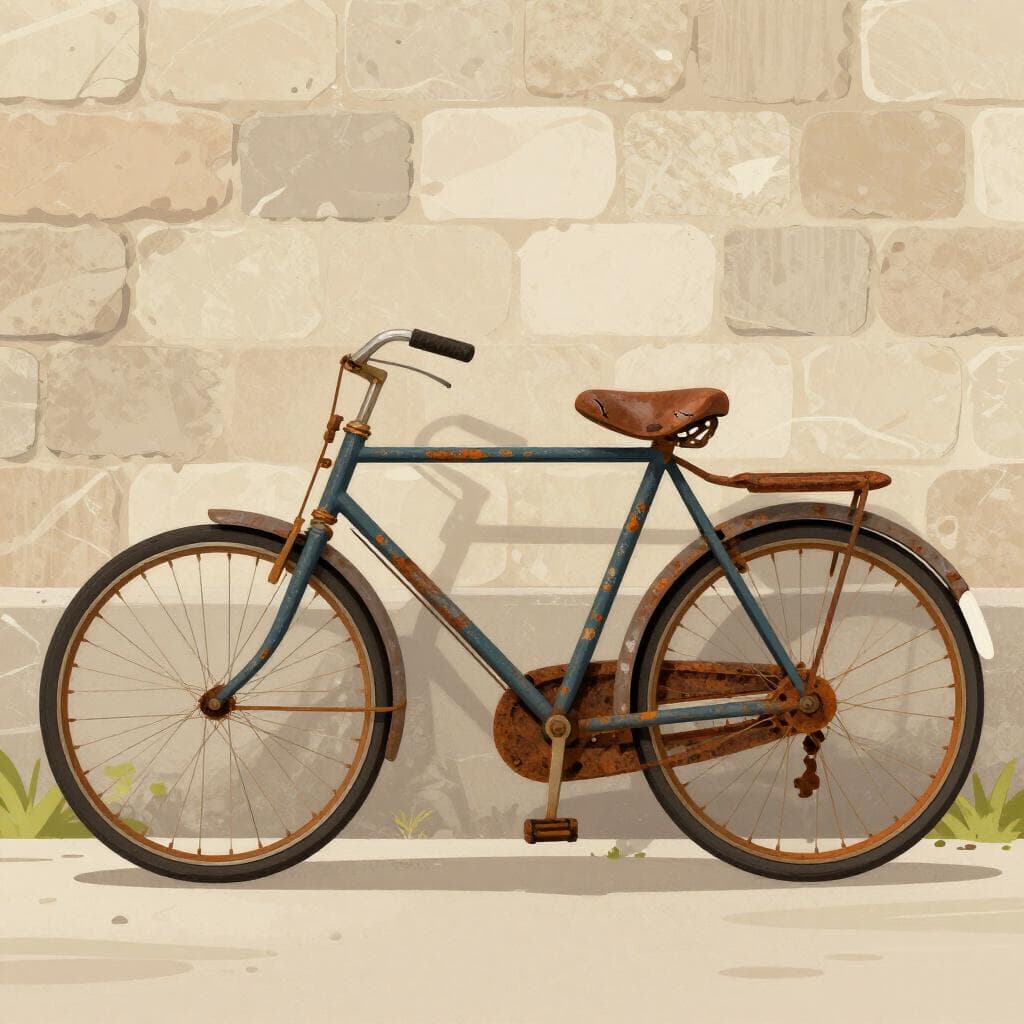
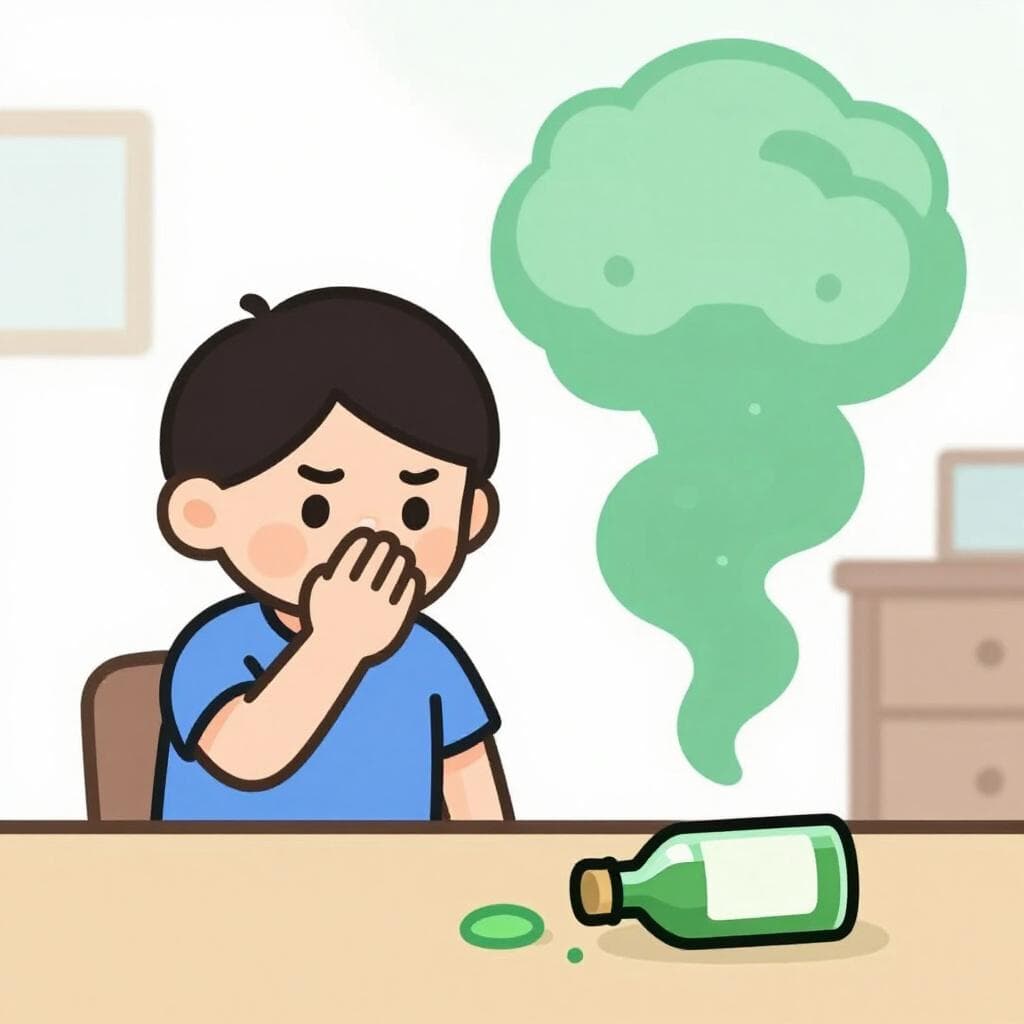
The most common Spanish word for “to damage” is “dañar” — use this general term for any physical harm or destruction to objects, property, or living beings.




dañar
Examples
El granizo puede dañar las cosechas.
Hail can damage the crops.
perjudicar
per-hoo-dee-karpeɾxuðiˈkaɾ

Examples
La falta de sueño perjudica la concentración.
Lack of sleep harms concentration.
Fumar perjudica seriamente la salud.
Smoking seriously harms your health.
Ese escándalo puede perjudicar su carrera profesional.
That scandal could damage her professional career.
La lluvia constante perjudicó la cosecha de este año.
The constant rain harmed this year's harvest.
The 'Personal A'
When you use this word to talk about harming a specific person or group, you must use the word 'a' before the name or noun. For example: 'Eso perjudica a mi hermano' (That harms my brother).
The Spelling Swap
To keep the 'k' sound in some forms, the letter 'c' changes to 'qu'. This happens in the 'yo' form of the past (perjudiqué) and in all 'special wish' (subjunctive) forms (perjudique).
Confusing with 'Prejudicar'
Mistake: “Using 'prejudicar' to mean harm.”
Correction: Always use 'perjudicar' for harm. 'Prejudicar' isn't a common word; the word for 'to prejudice' is actually 'prejuzgar'.
averiar
ah-beh-ryahraβeˈɾjaɾ

Examples
El cortocircuito averió la lavadora.
The short circuit damaged the washing machine.
El exceso de calor puede averiar el motor del coche.
Excess heat can damage the car engine.
Se averió la calefacción durante la noche más fría del año.
The heating broke down during the coldest night of the year.
Ten cuidado de no averiar el sistema eléctrico al instalar la lámpara.
Be careful not to damage the electrical system while installing the lamp.
The 'Se' Transformation
To say a machine 'broke down' on its own, add 'se' (averiarse). For example: 'Mi coche se averió' (My car broke down).
Averiar vs. Romper
Use 'averiar' for technical or mechanical failures (like a computer or engine). Use 'romper' for physical breaking (like a glass or a bone).
Misplacing the Accent
Mistake: “Using 'averío' (with an accent).”
Correction: Say 'averio' (no accent). Unlike the word 'enviar' (to send), 'averiar' follows the pattern of 'anunciar' and keeps the 'i' sound soft without an accent.
deteriorar
deh-teh-ryoh-RAHRdeteɾjoˈɾaɾ
Examples
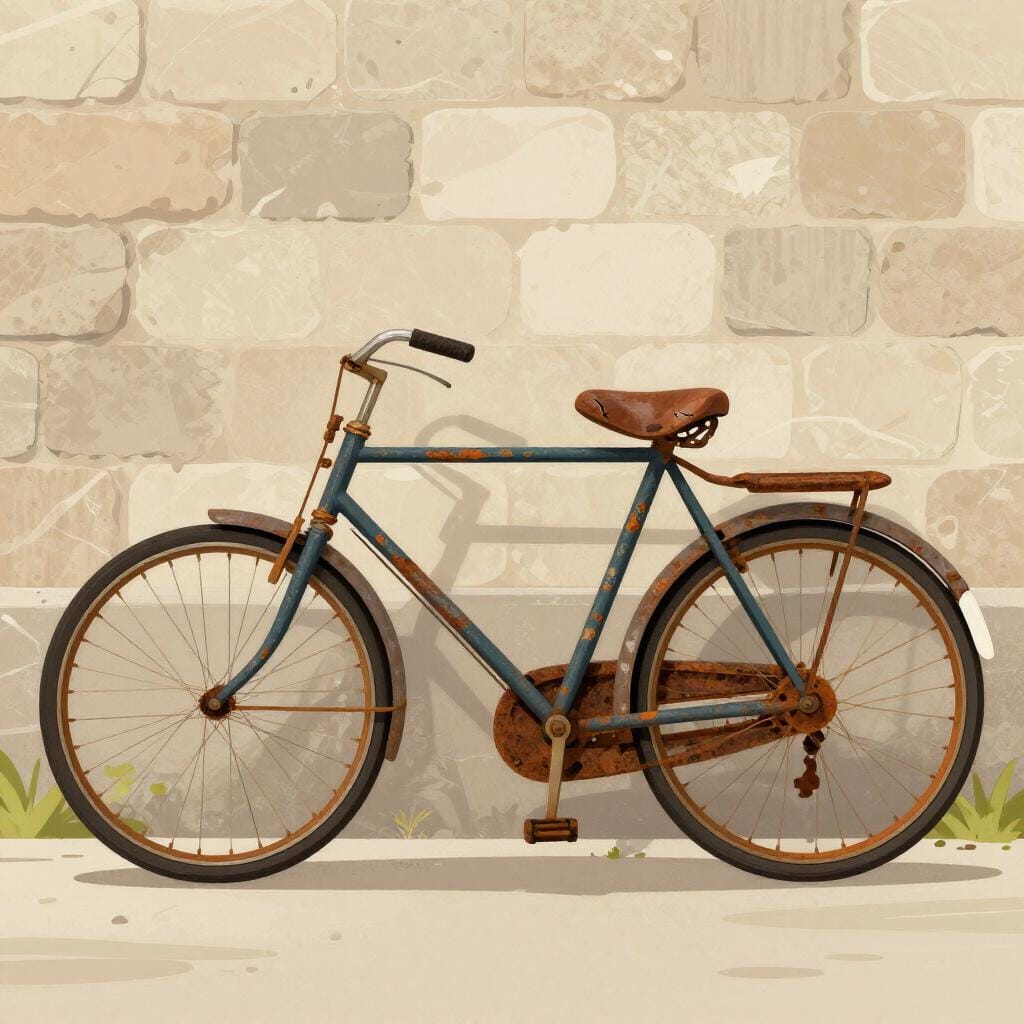
La humedad deteriora la madera con el tiempo.
Humidity deteriorates wood over time.
El sol puede deteriorar la pintura del coche con el paso del tiempo.
The sun can damage the car's paint over time.
Fumar tabaco deteriora gravemente la salud de los pulmones.
Smoking tobacco seriously impairs lung health.
La falta de comunicación deterioró nuestra relación de amistad.
The lack of communication worsened our friendship.
Using the 'Self' Form
When things get worse on their own without someone causing it, we use the reflexive form 'deteriorarse'. For example: 'Su salud se deterioró' (His health got worse).
Slow vs. Fast Damage
Deteriorar usually implies a slow process over time, whereas 'romper' (to break) usually happens in an instant.
The Noun/Verb Mix-up
Mistake: “Su salud es deteriorar.”
Correction: Su salud se está deteriorando (His health is deteriorating) or Su salud sufrió un deterioro (His health suffered a decline). Use the noun 'deterioro' for the thing, and the verb for the action.
maltratar
mahl-trah-tahrmaltɾaˈtaɾ

Examples
No maltrates el paraguas, se puede romper.
Don't mistreat the umbrella, it can break.
Si maltratas los libros, se les caerán las hojas.
If you treat the books roughly, the pages will fall out.
El sol y el agua maltrataron la madera de la mesa.
The sun and water damaged the wood of the table.
No 'Personal A' for Objects
When you are talking about damaging things, do not use 'a'. Say: 'Maltrató el coche' (He damaged the car).
lesionar
leh-syo-narlesjoˈnaɾ

Examples
Sus comentarios lesionaron gravemente su credibilidad.
His comments seriously damaged his credibility.
Esa decisión política podría lesionar los intereses de la comunidad.
That political decision could harm the interests of the community.
No queremos lesionar los derechos de los trabajadores.
We don't want to violate the rights of the workers.
Sus comentarios lesionaron el honor de la familia.
His comments damaged the family's honor.
Abstract Subjects
Unlike the physical meaning, this sense often has an 'idea' or 'event' as the subject. For example, 'The crisis (crisis) injured (lesionó) the economy'.
agredir
ah-gray-DEERa.ɣɾe.ˈðiɾ

Examples
Esa música estridente agrede mis oídos.
That strident music assaults my ears.
Ese color de pared agrede la vista.
That wall color is an eyesore (attacks the vision).
La construcción del hotel va a agredir el paisaje natural.
The hotel's construction is going to damage the natural landscape.
Abstract Subjects
In this sense, the subject is often an object (like a color or a building) and the 'victim' is a sense like sight or hearing.
General vs. Specific Damage
Related Translations
Learn Spanish with Inklingo
Interactive stories, personalized learning, and more.