perjudicar
“perjudicar” means “to harm” in Spanish (general damage or negative effect).
to harm
Also: to damage, to be detrimental to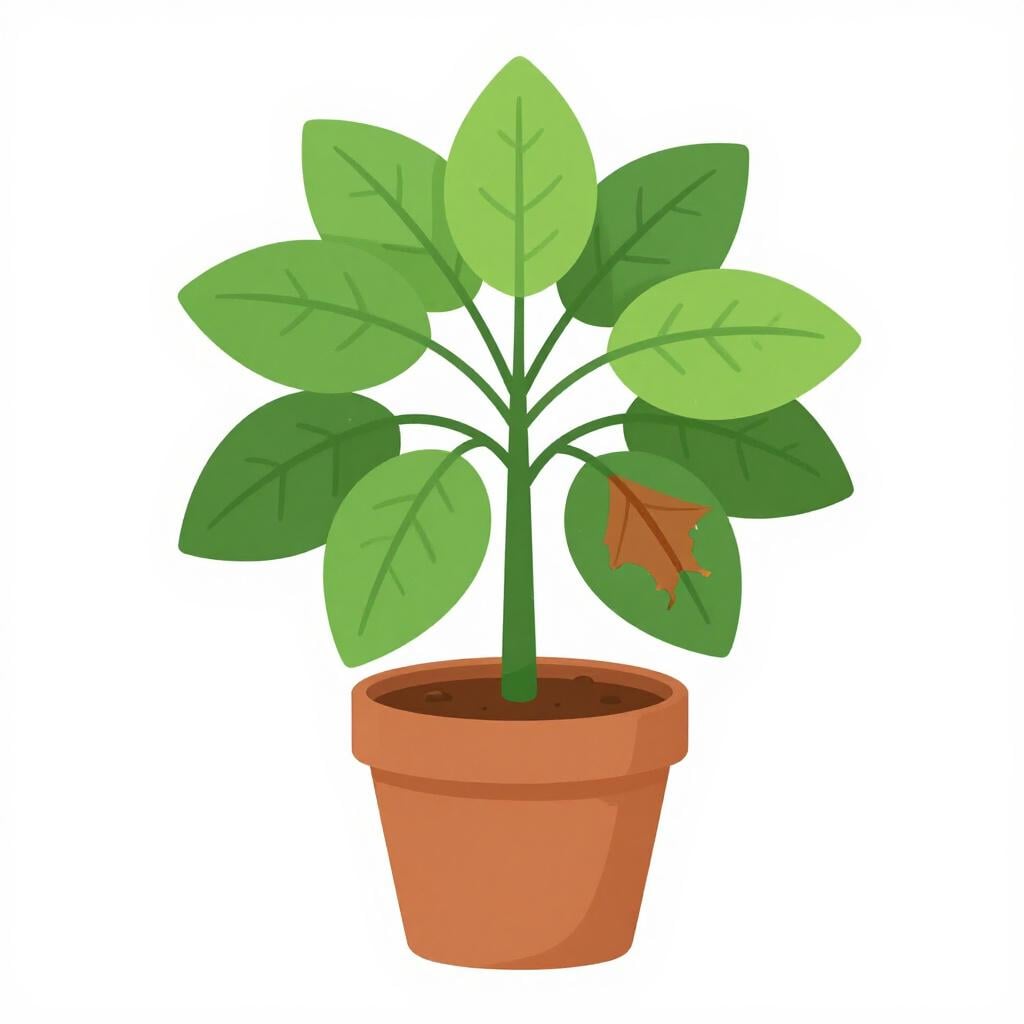
📝 In Action
Fumar perjudica seriamente la salud.
A2Smoking seriously harms your health.
Ese escándalo puede perjudicar su carrera profesional.
B1That scandal could damage her professional career.
La lluvia constante perjudicó la cosecha de este año.
B2The constant rain harmed this year's harvest.
Subjunctive
Imperfect Subjunctive
Present Subjunctive
Indicative
Preterite
Imperfect
Present
Translate to Spanish
✏️ Quick Practice
Quick Quiz: perjudicar
Question 1 of 3
How do you say 'I harmed' in the past (Preterite) tense?
📚 More Resources
👥 Word Family▼
📚 Etymology▼
From Latin 'praeiudicare', which originally meant to judge beforehand. Over time, it shifted from 'prejudging' to the negative consequence of an action: harming someone's position.
First recorded: 13th century
Cognates (Related words)
💡 Master Spanish
Take your Spanish to the next level. Read 200+ illustrated and narrated Spanish stories tailored to your level with the Inklingo app!
Frequently Asked Questions
Does 'perjudicar' mean 'to prejudice'?
No. While they share an origin, 'perjudicar' means 'to harm' or 'to damage'. To say 'to prejudice', use 'prejuzgar'.
Is it a formal word?
It is slightly more formal than 'hacer daño', but it is very common in everyday conversation when talking about health or work.
Can I use it for a broken phone?
It sounds a bit strange for physical objects. 'Dañar' or 'romper' is better for your phone. Use 'perjudicar' for things like your sleep, your grades, or your wallet.