elaborar
“elaborar” means “to make” in Spanish. It has 2 different meanings depending on context:
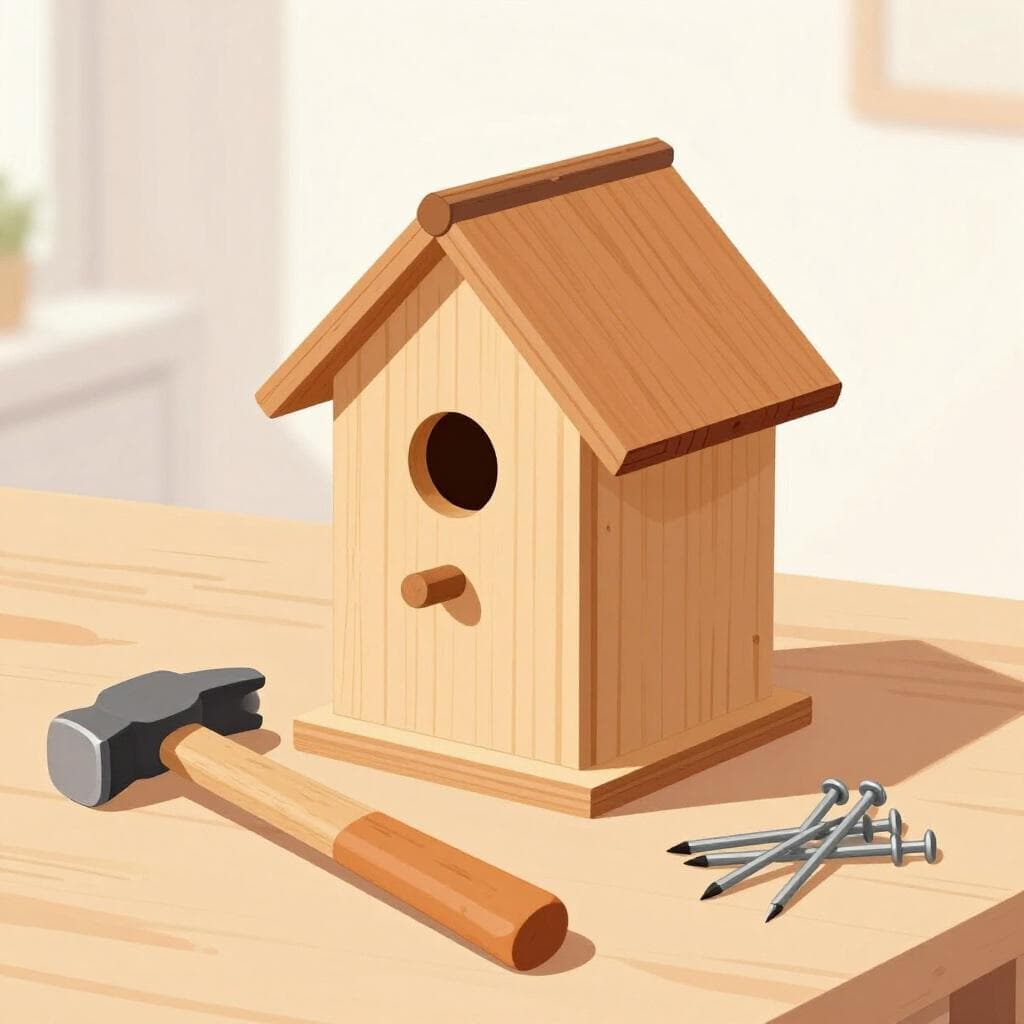

to make, to produceAlso: to manufacture
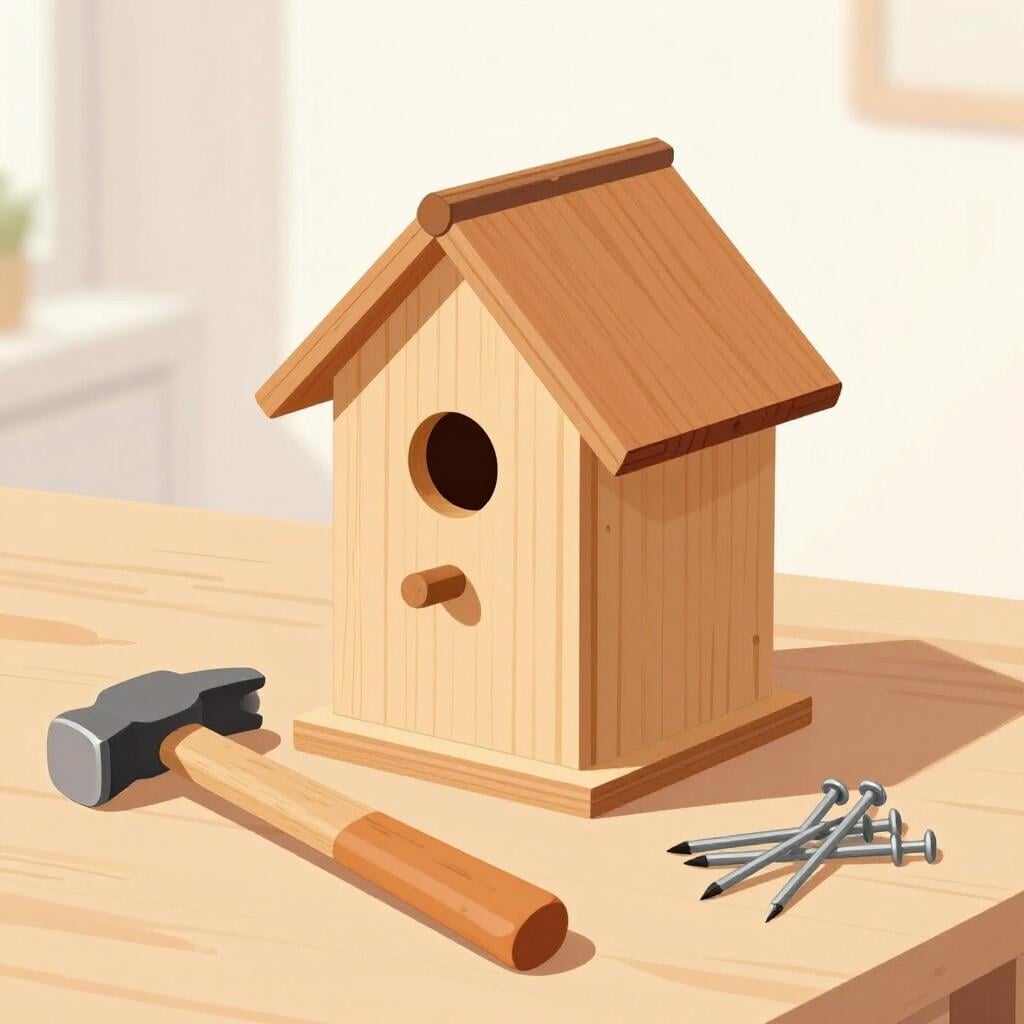
📝 In Action
Ellos elaboran pan artesanal todas las mañanas.
A2They make artisanal bread every morning.
Esta empresa elabora productos de limpieza ecológicos.
B1This company produces eco-friendly cleaning products.
El vino se elabora con uvas de la región.
B1The wine is produced with grapes from the region.
Word Connections
to develop, to draftAlso: to work out

📝 In Action
Necesitamos elaborar una estrategia de marketing.
B2We need to develop a marketing strategy.
El comité está elaborando un informe sobre el clima.
B2The committee is drafting a report on the climate.
Ella elaboró una respuesta muy inteligente.
C1She worked out a very intelligent response.
Word Connections
Subjunctive
Imperfect Subjunctive
Present Subjunctive
Indicative
Preterite
Imperfect
Present
Translate to Spanish
Words that translate to "elaborar" in Spanish:
✏️ Quick Practice
Quick Quiz: elaborar
Question 1 of 3
Which of these is the most appropriate use of 'elaborar'?
📚 More Resources
👥 Word Family
📚 Etymology
From the Latin 'elaborare', which combines 'ex' (out) and 'laborare' (to work). It literally means to work something out with effort.
First recorded: 13th century
Cognates (Related words)
💡 Master Spanish
Take your Spanish to the next level. Read 200+ illustrated and narrated Spanish stories tailored to your level with the Inklingo app!
Frequently Asked Questions
Is 'elaborar' always formal?
It is more formal than 'hacer', but it is very common in everyday contexts like cooking or talking about products.
Can I use 'elaborar' to mean 'to explain further'?
No, that's a common mistake for English speakers. Use 'explicar con más detalle' or 'dar más detalles' instead.
What is the difference between 'fabricar' and 'elaborar'?
'Fabricar' usually refers to industrial factory production, while 'elaborar' can be used for smaller, artisanal, or even mental processes.