confeccionar
“confeccionar” means “to make” in Spanish. It has 2 different meanings depending on context:
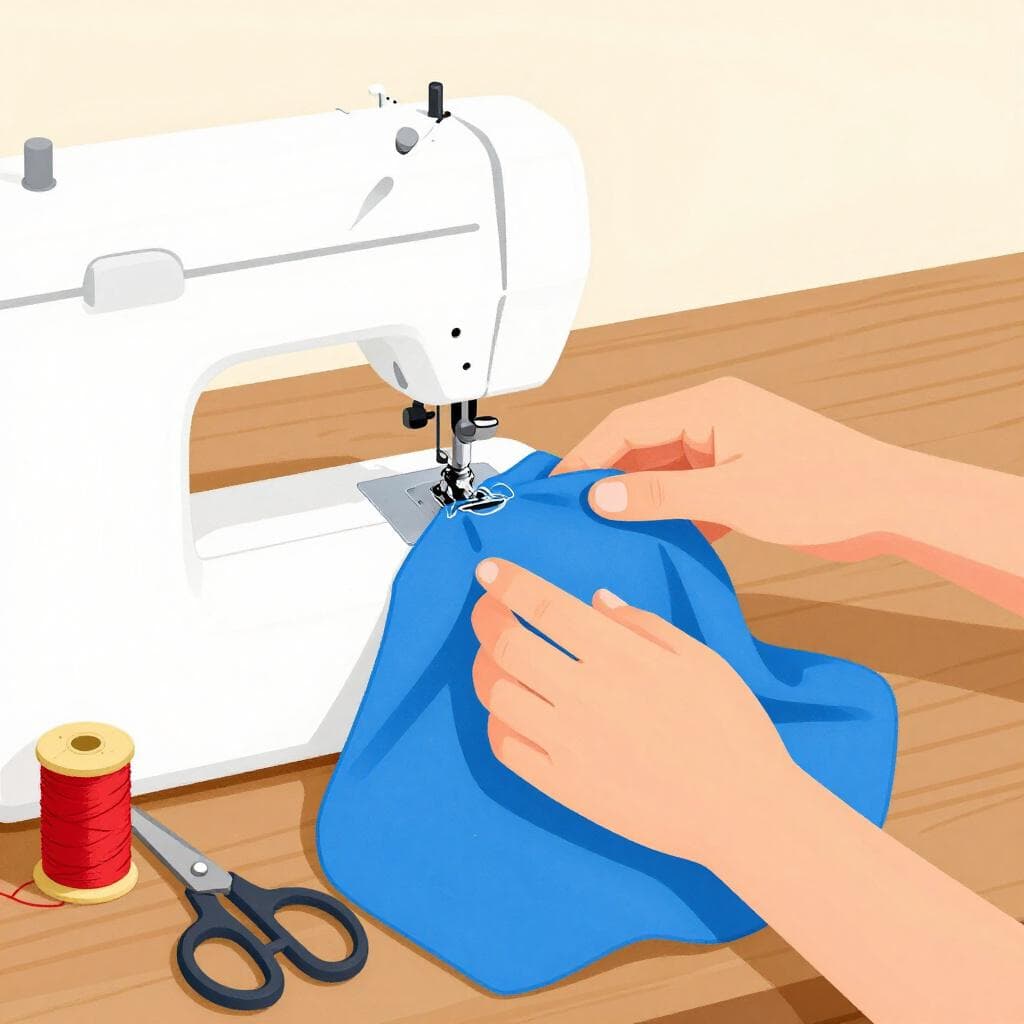

to make, to tailor
Also: to craft
📝 In Action
Ella confeccionó su propio vestido para la fiesta.
B1She made her own dress for the party.
El artesano confecciona las joyas con mucho cuidado.
B2The craftsman makes the jewelry with a lot of care.
Necesitamos confeccionar cortinas nuevas para el salón.
A2We need to make new curtains for the living room.
to draw up, to compile
Also: to prepare
📝 In Action
El comité está confeccionando la lista de invitados.
B2The committee is drawing up the guest list.
Debemos confeccionar un presupuesto antes del lunes.
C1We must prepare a budget before Monday.
El profesor confecciona el horario de clases cada año.
B1The teacher compiles the class schedule every year.
Subjunctive
Imperfect Subjunctive
Present Subjunctive
Indicative
Preterite
Imperfect
Present
Translate to Spanish
✏️ Quick Practice
Quick Quiz: confeccionar
Question 1 of 3
Which sentence uses 'confeccionar' correctly in a tailoring context?
📚 More Resources
👥 Word Family▼
📚 Etymology▼
From Latin 'confectio', which describes the act of finishing or preparing something completely.
First recorded: 15th century
Cognates (Related words)
💡 Master Spanish
Take your Spanish to the next level. Read 200+ illustrated and narrated Spanish stories tailored to your level with the Inklingo app!
Frequently Asked Questions
Is 'confeccionar' only for clothes?
No! While it is very common in the fashion industry, it is also used for drawing up documents, plans, and budgets.
Can I use 'hacer' instead?
Yes, 'hacer' is a safe alternative, but 'confeccionar' makes you sound more advanced and specific.
Is it a regular verb?
Yes, it follows the standard pattern for all verbs ending in -ar.