sonar
“sonar” means “to ring” in Spanish. It has 3 different meanings depending on context:
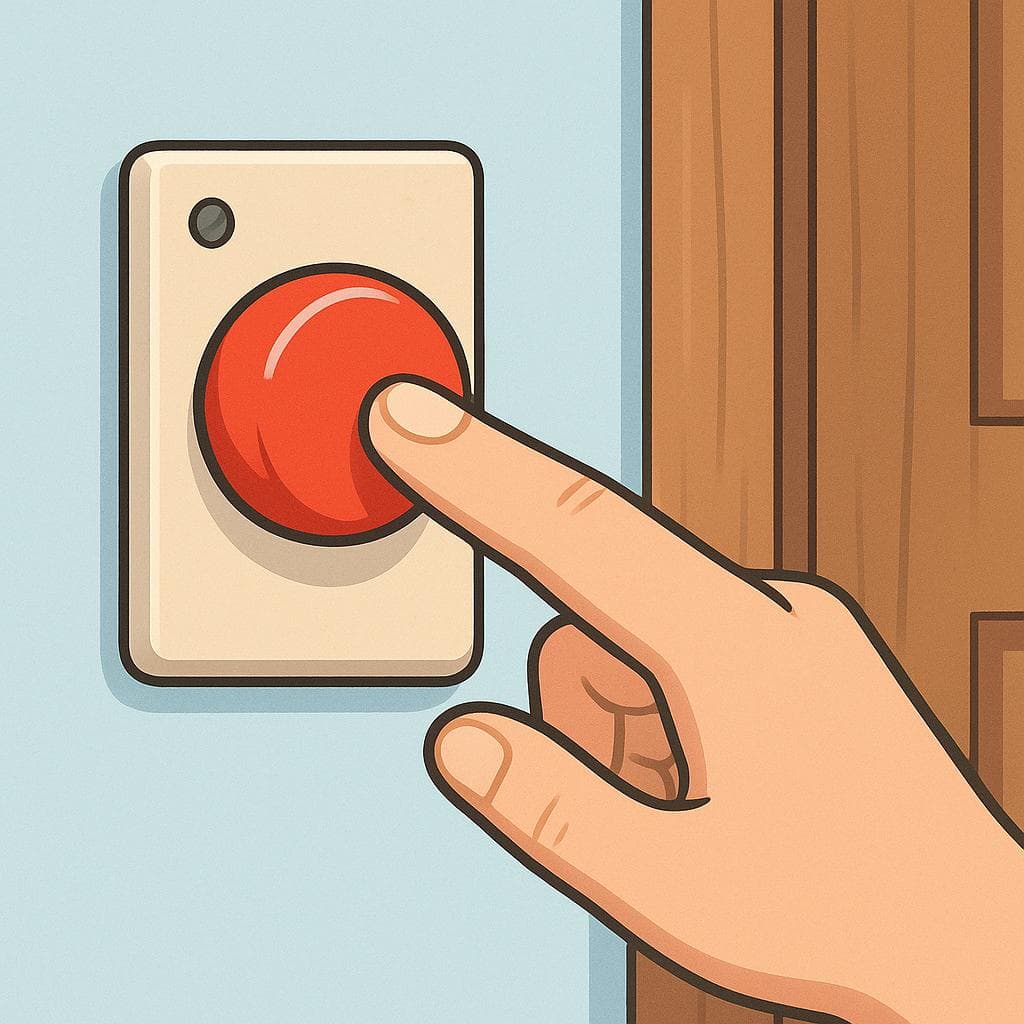


to ring, to soundAlso: to go off, to toll
📝 In Action
Mi despertador suena a las seis de la mañana.
A1My alarm clock goes off at six in the morning.
¿Puedes oír? El teléfono está sonando.
A1Can you hear? The phone is ringing.
Las campanas de la iglesia sonaron al mediodía.
A2The church bells tolled at noon.
Word Connections
to sound like, to be familiarAlso: to ring a bell, to seem

📝 In Action
Esa idea suena muy bien, deberíamos intentarlo.
B1That idea sounds really good; we should try it.
Tu voz suena un poco triste hoy, ¿estás bien?
B1Your voice sounds a little sad today, are you okay?
Ese nombre me suena, ¿lo conozco de algo?
B2That name rings a bell (is familiar to me), do I know him from something?
Word Connections
to blow one's nose

📝 In Action
Necesito sonarme la nariz, tengo un resfriado terrible.
A2I need to blow my nose; I have a terrible cold.
Ella se suena discretamente en el pañuelo.
B1She discreetly blows her nose into the handkerchief.
Word Connections
Indicative
Present
Imperfect
Preterite
Subjunctive
Present Subjunctive
Imperfect Subjunctive
Translate to Spanish
✏️ Quick Practice
Quick Quiz: sonar
Question 1 of 2
Which sentence uses the figurative meaning of 'sonar' (to seem or sound like)?
📚 More Resources
👥 Word Family
📚 Etymology
The word comes directly from the Latin verb *sonāre*, which meant 'to sound' or 'to make a noise.' It has kept this core meaning throughout its history, leading to all its modern uses.
First recorded: 10th century
Cognates (Related words)
💡 Master Spanish
Take your Spanish to the next level. Read 200+ illustrated and narrated Spanish stories tailored to your level with the Inklingo app!
Frequently Asked Questions
Is 'sonar' the same as 'tocar'?
No. 'Tocar' means 'to touch' or 'to play a musical instrument.' 'Sonar' means 'to make a sound' (like a bell or phone) or 'to seem' (like an idea). If a piece of music is playing, you use 'tocar'; if the music is simply audible, you often use 'sonar'.
Why does 'sonar' change its stem in some forms?
'Sonar' is an irregular verb that follows the common pattern where the vowel in the middle of the verb stem changes from 'o' to 'ue' whenever that syllable is stressed when you say it out loud (like 'yo sueno').