How to Say "to make" in Spanish
The most common Spanish word for “to make” is “hacer” — this is the most general and common translation for 'to make,' used for creating, preparing, or doing things, including food, a bed, or causing an action or feeling.
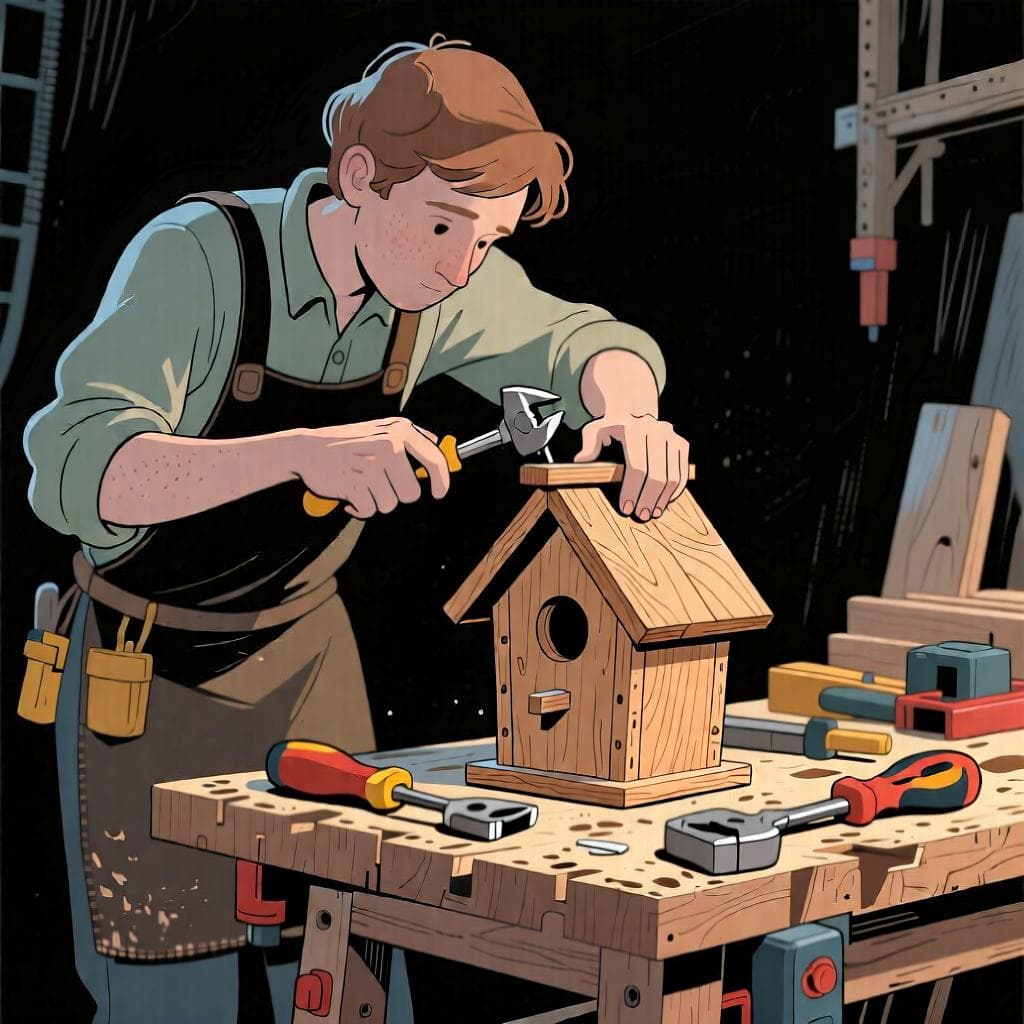
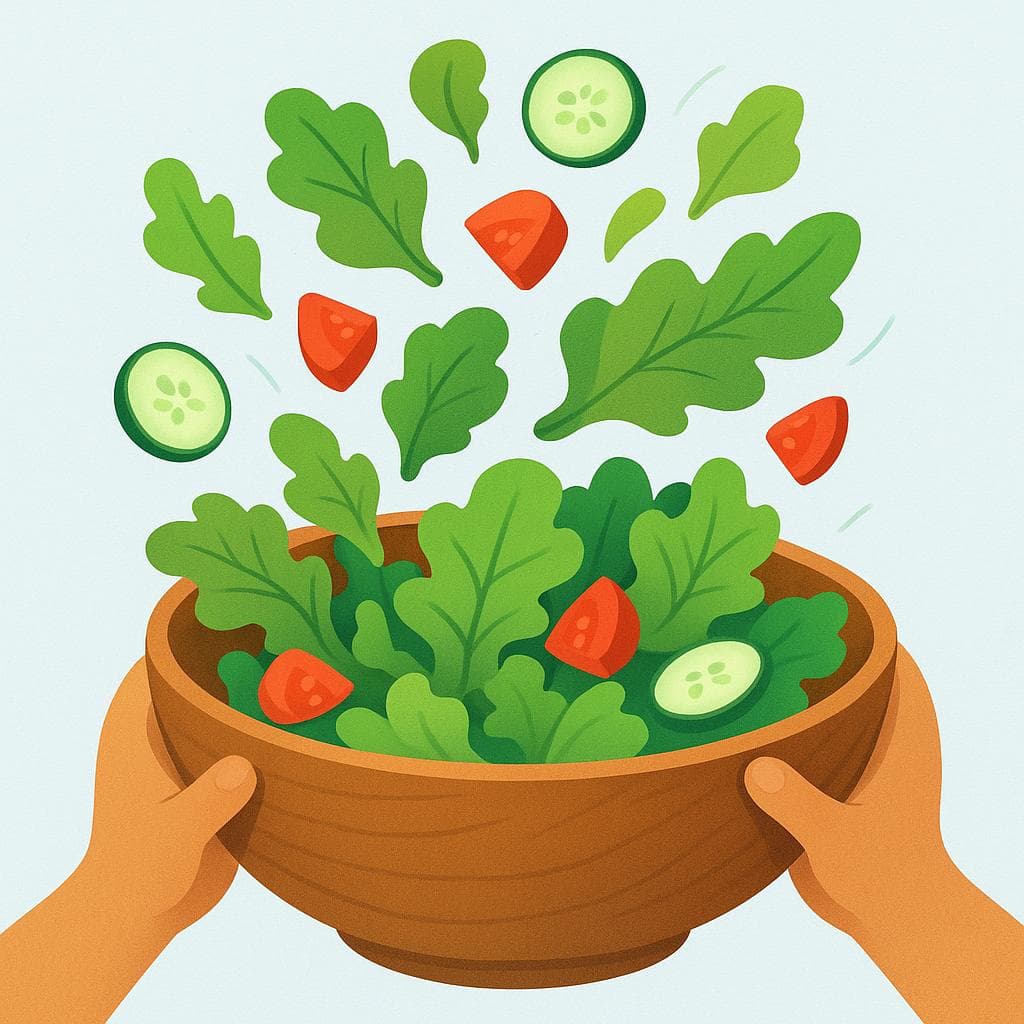




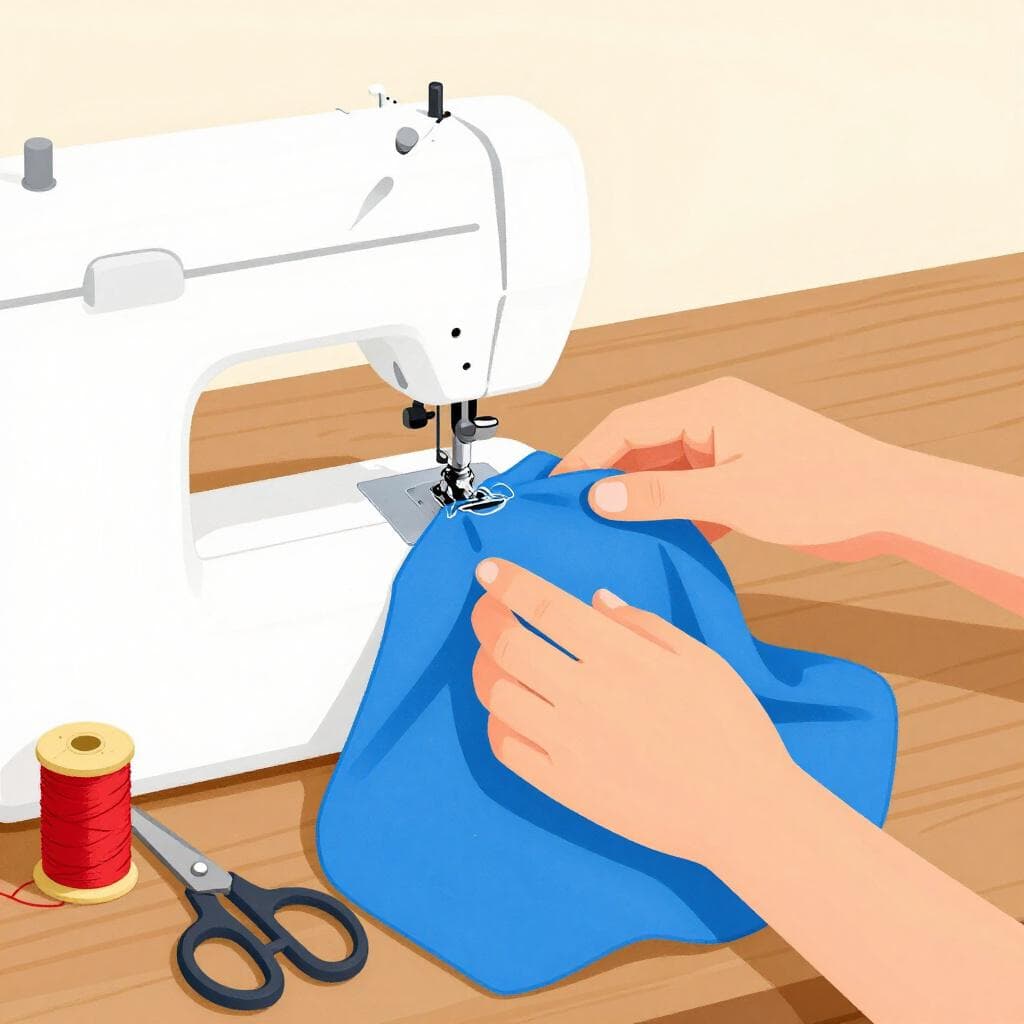




hacer
ah-sehra'seɾ
Examples
¿Qué haces?
What are you doing?
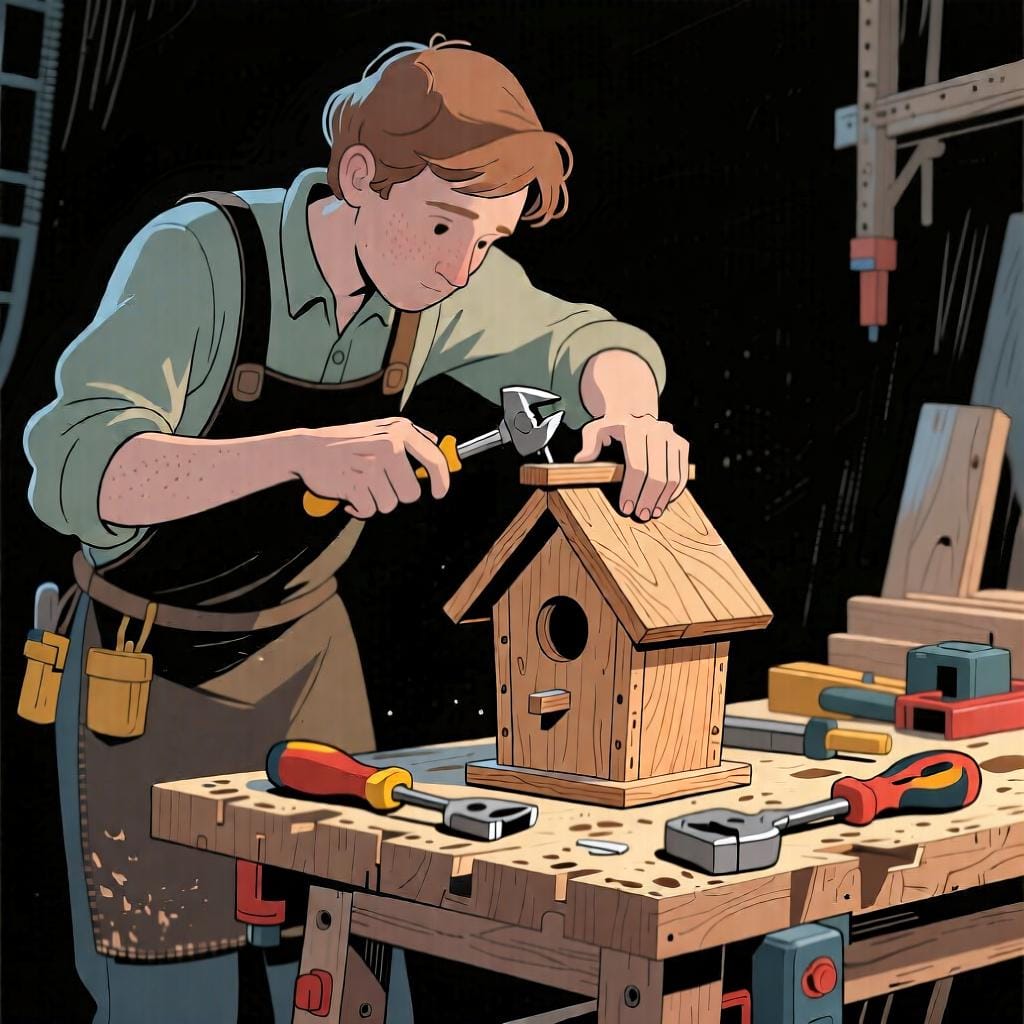
Hago la cena todas las noches.
I make dinner every night.
Mi hermano hizo un pastel delicioso.
My brother made a delicious cake.
Esa película me hizo llorar.
That movie made me cry.
The Irregular 'yo' Form: 'hago'
In the present tense, the 'yo' (I) form of 'hacer' is irregular. Instead of 'haco,' it's 'hago.' This 'go' ending is a common pattern in other irregular verbs too, like 'pongo' (from poner) and 'salgo' (from salir).
A Tricky Past Tense
Watch out for the simple past tense (called the preterite). The 'c' changes to 'z' for 'él/ella/usted' to keep the sound right: 'hizo'. Also, the 'i' is used instead of the usual 'e': 'hice', 'hiciste', 'hizo'.
The 'hacer + infinitive' Pattern
To say you 'make' someone do something, use this simple recipe: 'hacer' (in the right form) + the second verb in its original '-ar, -er, -ir' form. For example, 'Me hace reír' (It makes me laugh).
Confusing 'Do' vs. 'Make'
Mistake: “Trying to find separate Spanish verbs for the English 'do' and 'make'.”
Correction: Relax! In Spanish, 'hacer' covers both. You use 'hacer' for doing homework ('hacer la tarea') and for making a cake ('hacer un pastel'). It's simpler than English in this case.
Adding an Extra Word
Mistake: “Me hace a llorar. / Me hace que lloro.”
Correction: Me hace llorar. Unlike in some other structures, you don't need any little connecting words like 'a' or 'que' between 'hacer' and the next verb. They stick right together.
preparar
pre-pa-RAHRpɾepaˈɾaɾ
Examples
Mi abuela prepara el mejor café del mundo.
My grandmother makes the best coffee in the world.
Preparar vs. Cocinar
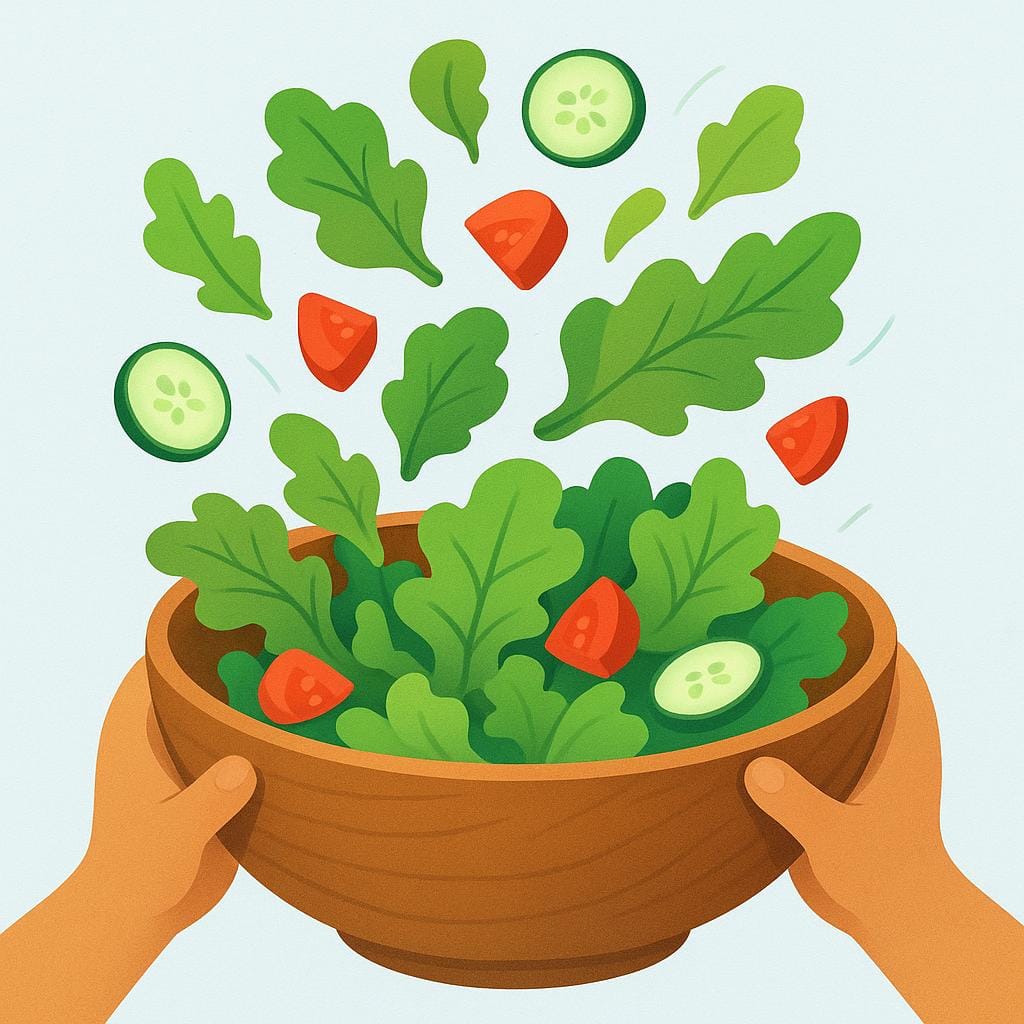
While 'cocinar' specifically means the act of heating food, 'preparar' is used more broadly for making drinks, salads, or any meal assembly.
crear
kray-ARkɾeˈaɾ

Examples
Ella quiere crear un vestido nuevo para la fiesta.
She wants to create a new dress for the party.
El artista pasó meses creando esa escultura.
The artist spent months creating that sculpture.
Necesitamos crear una contraseña segura.
We need to create a secure password.
A Regular Verb
Crear is a regular -ar verb, meaning its endings follow the standard, predictable pattern in all tenses. This makes it easy to conjugate!
Crear vs. Criar
Mistake: “Using 'crear' when you mean 'to raise' or 'to breed' (like raising children or animals).”
Correction: Use 'criar' (to raise/to breed) instead of 'crear' in those contexts. 'Crear' is only for generating something new.
fabricar
fah-bree-KAHRfaβɾiˈkaɾ

Examples
Esta empresa fabrica coches eléctricos.
This company manufactures electric cars.
Muchos de nuestros juguetes se fabrican en España.
Many of our toys are made in Spain.
Es difícil fabricar piezas tan pequeñas.
It is difficult to manufacture such small parts.
The 'C' to 'QU' Spelling Change
To keep the 'K' sound when you add an 'e', the letter 'c' changes to 'qu'. This happens in the 'yo' form of the past tense (fabriqué) and all forms of the special 'wish' mood (fabrique).
Fabricar vs. Hacer
Use 'hacer' for general 'making' (like making dinner). Use 'fabricar' specifically for industrial production, machines, or complex assembly.
Cooking is not manufacturing
Mistake: “Fabriqué una ensalada para el almuerzo.”
Correction: Hice una ensalada para el almuerzo. (Don't use fabricar for simple tasks like cooking; it sounds like you built the salad in a factory!)
ganar
gah-NARɡaˈnaɾ

Examples
¿Cuánto ganas al mes?
How much do you earn per month?
Trabajo mucho para ganar dinero para mi familia.
I work a lot to earn money for my family.
Es importante saber cómo ganarse la vida.
It's important to know how to earn a living.
Using 'Hacer' for 'To Make Money'
Mistake: “En mi trabajo, yo hago mucho dinero.”
Correction: En mi trabajo, yo gano mucho dinero. In Spanish, you 'win' or 'earn' money, you don't 'make' it like you do in English.
tender
ten-DEHRtenˈdeɾ

Examples
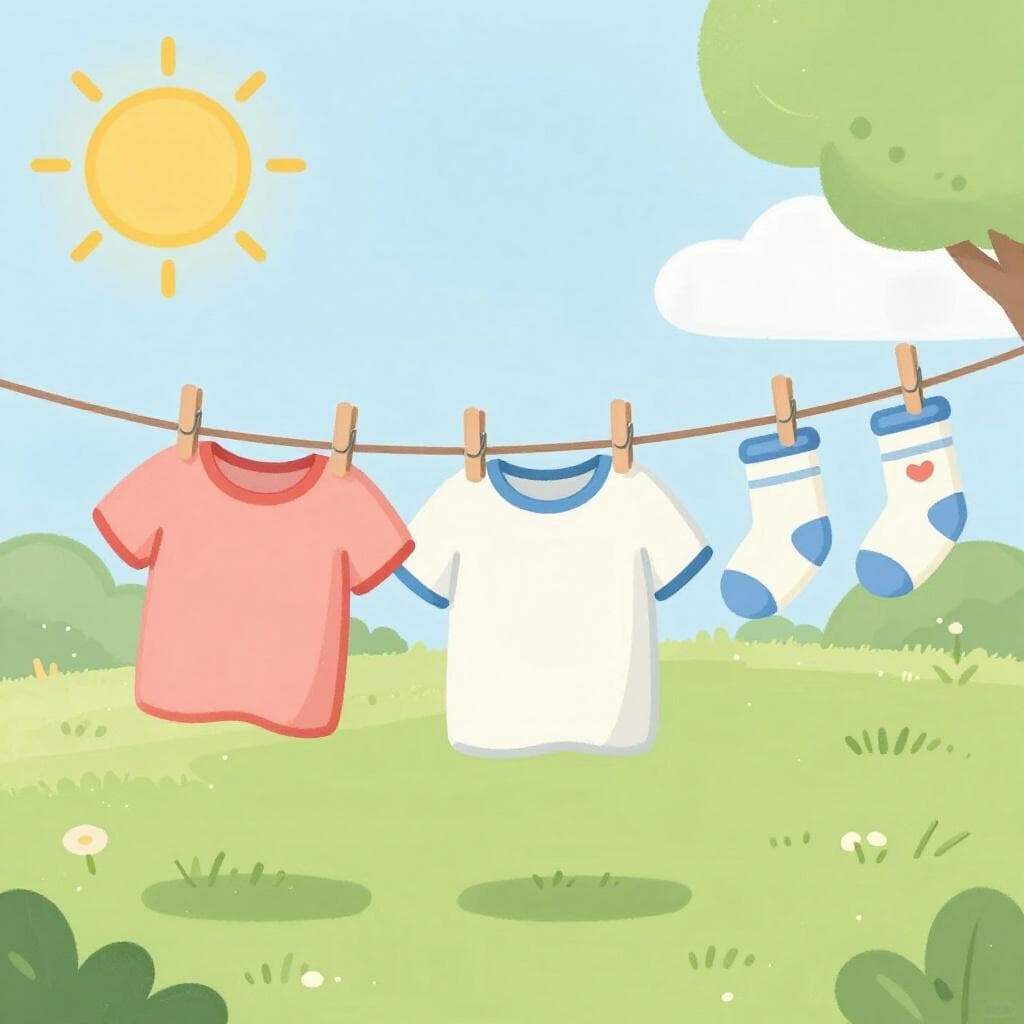
Hace sol, voy a tender la ropa en el patio.
It's sunny, I'm going to hang out the laundry in the patio.
Siempre tendemos las toallas mojadas después de la piscina.
We always hang out the wet towels after the pool.
Ayúdame a tender el mantel sobre la mesa.
Help me spread the tablecloth over the table.
The Boot Change
This verb has a vowel swap: the 'e' changes to 'ie' in most present tense forms, except for the 'we' (nosotros) and 'you all' (vosotros) forms.
Using it for 'gentle'
Mistake: “La carne es muy tender.”
Correction: La carne es muy tierna. In Spanish, 'tender' is only an action (verb), not a description (adjective).
cometer
koh-meh-TERko.meˈteɾ

Examples
El conductor cometió una infracción de tráfico y recibió una multa.
The driver committed a traffic violation and received a fine.
No te preocupes, todos podemos cometer errores.
Don't worry, we can all make mistakes.
Jamás cometería un acto tan deshonesto.
I would never commit such a dishonest act.
Always Needs an Action Receiver
Unlike English, where you can sometimes just 'commit,' in Spanish, 'cometer' always needs to be followed immediately by the mistake or crime being done: 'cometer un error' (commit an error).
Using 'Cometer' for Dedication
Mistake: “Quiero cometer a mi trabajo.”
Correction: Quiero dedicarme a mi trabajo. ('Cometer' is for negative actions; use 'dedicarse' or 'comprometerse' for dedication or promise.)
confeccionar
kon-fek-syo-NARkoɱfeksjoˈnaɾ
Examples
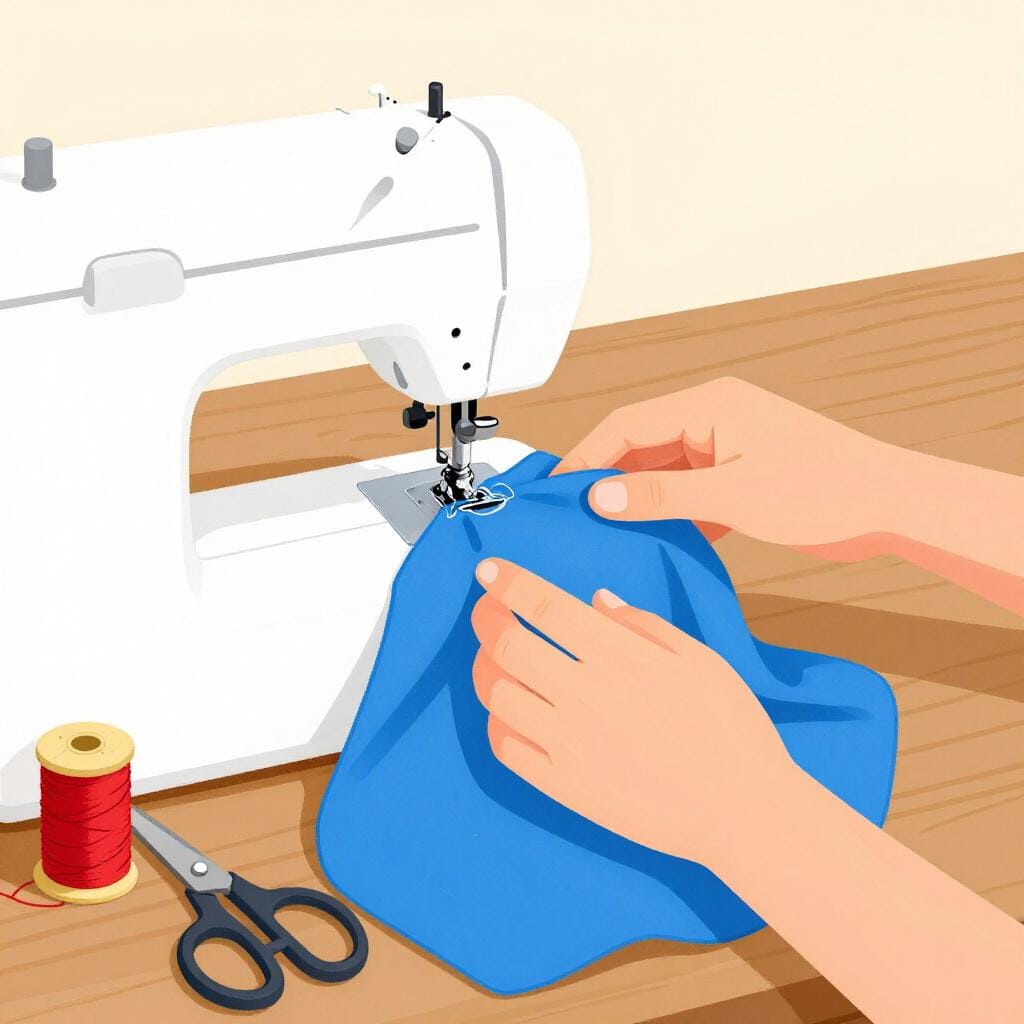
Ella confeccionó su propio vestido para la fiesta.
She made her own dress for the party.
El artesano confecciona las joyas con mucho cuidado.
The craftsman makes the jewelry with a lot of care.
Necesitamos confeccionar cortinas nuevas para el salón.
We need to make new curtains for the living room.
It's more than just 'hacer'
While 'hacer' means 'to make' in general, 'confeccionar' implies a process involving multiple steps, like sewing or assembling components.
Using it for everything
Mistake: “Confecciono mi cama cada mañana.”
Correction: Hago mi cama cada mañana. Use 'confeccionar' for creative or manufacturing processes, not for simple daily chores.
efectuar
eh-fek-twahrefektuˈaɾ
Examples
El banco efectuará la transferencia mañana por la mañana.
The bank will carry out the transfer tomorrow morning.
Es necesario efectuar algunas reparaciones en el edificio.
It is necessary to perform some repairs on the building.
Debes efectuar el pago antes del viernes.
You must make the payment before Friday.
The Stressing 'U'
When you say 'I carry out' (efectúo), the 'u' gets a written accent. This helps you know that the 'u' is the strong part of the word, rather than the ending.
A Fancy 'Hacer'
Think of this word as the professional version of 'hacer' (to do/make). Use it when talking about business, money, or official steps.
Don't be too stiff!
Mistake: “Using 'efectuar' in casual conversation, like 'Efectué mi cena' (I performed my dinner).”
Correction: Use 'hacer' or 'comer' for daily life. Use 'efectuar' for things like banking or official tasks.
elaborar
eh-lah-bo-RARelaβoˈɾaɾ

Examples
Ellos elaboran pan artesanal todas las mañanas.
They make artisanal bread every morning.
Esta empresa elabora productos de limpieza ecológicos.
This company produces eco-friendly cleaning products.
El vino se elabora con uvas de la región.
The wine is produced with grapes from the region.
A Verb for Processes
Unlike 'hacer' (to do/make), 'elaborar' suggests that there is a sequence of steps or a transformation involved.
Don't use it for simple tasks
Mistake: “Voy a elaborar la cama.”
Correction: Voy a hacer la cama.
tomar
toh-MAHRtoˈmaɾ

Examples
Tienes que tomar tu medicina todos los días.
You have to take your medicine every day.
Voy a tomar una clase de español el próximo semestre.
I'm going to take a Spanish class next semester.
Es difícil, pero tenemos que tomar una decisión pronto.
It's difficult, but we have to make a decision soon.
incurrir
een-koo-reeriŋkuˈriɾ

Examples
No quiero incurrir en el mismo error dos veces.
I don't want to fall into the same mistake twice.
El testigo podría incurrir en un delito si miente bajo juramento.
The witness could be committing a crime if they lie under oath.
Es fácil incurrir en contradicciones si no tienes los datos claros.
It is easy to fall into contradictions if you don't have the facts straight.
The 'En' Connection
Incurrir is a 'team player' verb—it almost always needs the word 'en' after it to link to the mistake or trouble you are talking about.
Formal Tone
While 'cometer un error' is very common, 'incurrir en un error' sounds more professional and is preferred in business or legal writing.
Don't Forget 'En'
Mistake: “Incurrir un error.”
Correction: Incurrir en un error. (Spanish requires the 'en' to link the action to the consequence.)
Hacer vs. Specific Verbs
Related Translations
Learn Spanish with Inklingo
Interactive stories, personalized learning, and more.